Tag: Cryopreservation

  • Fertility Preservation for Transgender Individuals: Breaking Barriers

    Blog Post:

    As society becomes more understanding and accepting of the transgender community, there has been a growing need for fertility preservation options for transgender individuals. Fertility preservation, also known as cryopreservation, is the process of freezing and storing reproductive cells or tissue for future use. For transgender individuals who wish to transition, this can be a crucial step in maintaining their ability to have biological children in the future. However, there are still many barriers that exist when it comes to fertility preservation for transgender individuals. In this blog post, we will discuss the importance of fertility preservation for transgender individuals and the barriers that need to be broken in order to provide equal access to this essential service.

    The Importance of Fertility Preservation for Transgender Individuals:

    For many transgender individuals, the process of transitioning involves taking hormone therapy, which can have a significant impact on their fertility. Hormone therapy can cause a decrease in sperm production or the cessation of ovulation, making it difficult or even impossible to conceive naturally in the future. This can be a major source of distress for transgender individuals who wish to have biological children.

    Furthermore, for transgender individuals who undergo gender-affirming surgeries, such as a hysterectomy or orchiectomy, their reproductive organs are permanently removed, eliminating any chance of conceiving naturally. For these reasons, fertility preservation is crucial for transgender individuals who wish to have biological children in the future.

    Breaking Barriers:
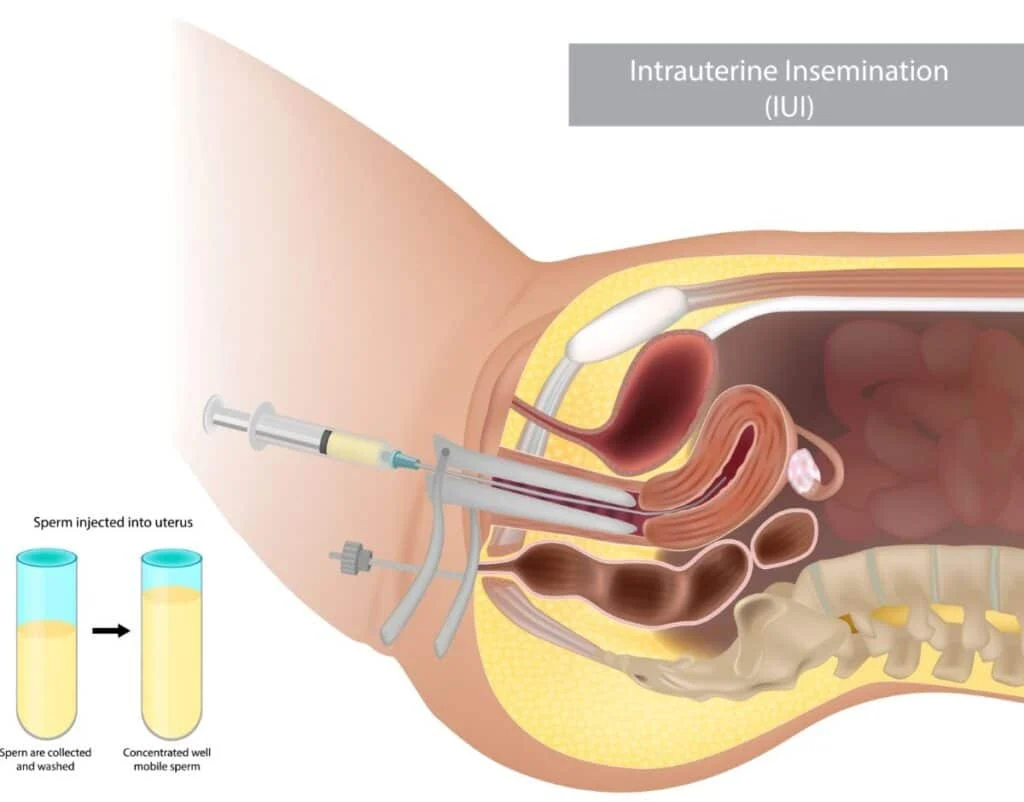
    Diagram illustrating intrauterine insemination (IUI) procedure with sperm injection into the uterus.

    Fertility Preservation for Transgender Individuals: Breaking Barriers

    Despite the importance of fertility preservation for transgender individuals, there are still many barriers that exist, preventing them from accessing this service. One of the main barriers is the lack of awareness and understanding among healthcare providers. Many doctors and fertility specialists are not knowledgeable about the specific needs of transgender individuals when it comes to fertility preservation. This can lead to misgendering, discrimination, and denial of services, making it difficult for transgender individuals to access the care they need.

    Moreover, there is a lack of standardized protocols and guidelines for fertility preservation for transgender individuals. Each case is unique, and there is no one-size-fits-all approach when it comes to fertility preservation for this community. This lack of standardization can lead to confusion and delays in accessing the necessary services.

    Another significant barrier is the cost associated with fertility preservation. The process can be expensive, and many insurance companies do not cover it, making it unaffordable for many transgender individuals. This financial burden can be especially challenging for those who may already be facing discrimination and limited job opportunities due to their gender identity.

    Breaking the barriers that exist in fertility preservation for transgender individuals requires a multidisciplinary approach. Healthcare providers must be educated and trained in the specific needs of this community. There also needs to be the development of standardized protocols and guidelines to ensure equal access to fertility preservation services. Additionally, insurance companies need to recognize the importance of fertility preservation for transgender individuals and provide coverage for this essential service.

    Conclusion:

    Fertility preservation is a vital aspect of healthcare for transgender individuals. It allows them to maintain the possibility of having biological children in the future, which can be a significant source of comfort and hope. However, there are still many barriers that exist, making it challenging for transgender individuals to access this service. It is crucial for healthcare providers, policymakers, and insurance companies to work together to break these barriers and ensure equal access to fertility preservation for transgender individuals.

    In conclusion, fertility preservation for transgender individuals is an essential service that needs to be accessible and affordable for all. By breaking the barriers that exist, we can provide hope and support for the transgender community and their desire to have biological children in the future.
  • The Role of Technology in Fertility Preservation: Latest Advancements

    Blog Post:

    Fertility preservation, also known as cryopreservation, is the process of freezing and storing eggs, sperm, or embryos for later use in assisted reproductive technologies (ART). This technique has been a game-changer for individuals and couples who want to delay starting a family due to various personal or medical reasons. However, the success rate of fertility preservation has always been a concern, with many factors such as age, health, and lifestyle affecting the outcomes. With the rapid advancements in technology, there has been a significant improvement in the success rates of fertility preservation, making it a more viable option for those seeking to preserve their fertility.

    One of the latest advancements in fertility preservation is the use of vitrification. Vitrification is a technique that involves ultra-rapid cooling of eggs, sperm, or embryos in liquid nitrogen, which prevents the formation of ice crystals and minimizes cellular damage. This method has replaced the traditional slow freezing method and has shown to have a higher success rate in preserving the viability of eggs and embryos. The use of vitrification has revolutionized fertility preservation, making it a safer and more efficient process.

    Another significant advancement in fertility preservation is the use of ovarian tissue freezing. This technique involves removing a small piece of ovarian tissue from a woman’s ovary and freezing it for later use. This method is particularly beneficial for women who are at risk of losing their fertility due to cancer treatments such as chemotherapy or radiation. Ovarian tissue freezing has also shown promising results for women with conditions such as premature ovarian failure or endometriosis. With the latest advancements in technology, it is now possible to transplant frozen ovarian tissue back into the body, allowing women to regain their fertility after cancer treatment or other medical conditions.

    In recent years, there has been a rise in the use of artificial intelligence (AI) and machine learning in fertility preservation. These technologies have been used to analyze data and predict the chances of success for various fertility preservation techniques. AI algorithms can analyze factors such as age, health, and medical history to provide personalized recommendations for individuals seeking fertility preservation. This has not only improved the success rates but has also made the process more cost-effective and time-efficient.

    The use of 3D printing technology has also been a game-changer in fertility preservation. With this technology, it is now possible to create custom-made devices for cryopreservation, such as sperm and embryo straws. These devices are designed to minimize damage and improve survival rates of frozen sperm and embryos. 3D printing technology has also been used to create custom-made molds for freezing ovarian tissue, allowing for better tissue preservation and transplantation.

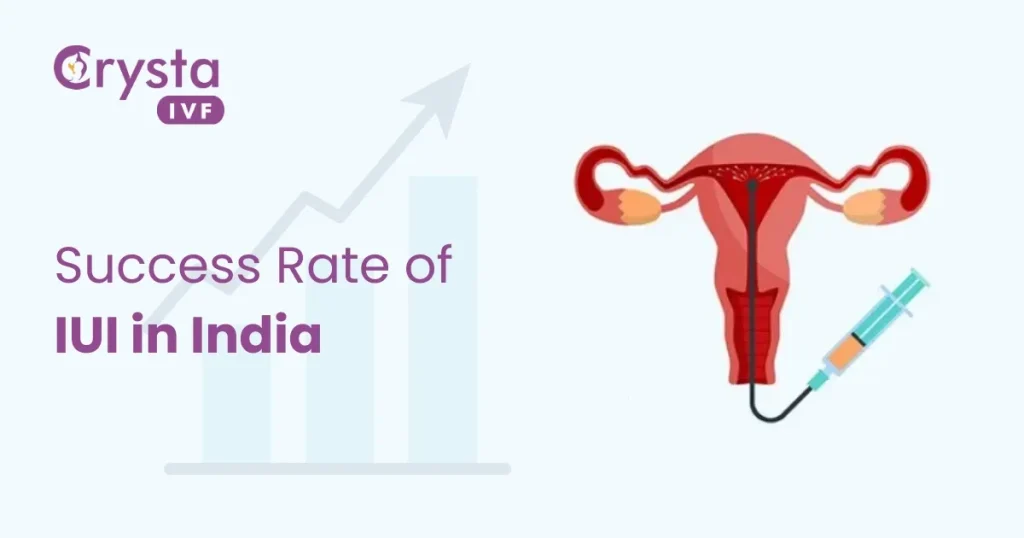
    success rate of IUI in India with a graphic of a uterus and syringe alongside a rising graph

    The Role of Technology in Fertility Preservation: Latest Advancements

    In addition to these technological advancements, the use of genetic testing has also played a crucial role in fertility preservation. Preimplantation genetic testing (PGT) is a technique used to screen embryos for genetic disorders before implantation. This not only increases the chances of a successful pregnancy but also reduces the risk of passing on genetic disorders to the child. PGT has also been used in combination with fertility preservation techniques to select the healthiest embryos for freezing, further improving the success rates.

    The role of technology in fertility preservation has also extended to the development of new techniques and procedures. For instance, there has been a rise in the use of in vitro maturation (IVM), a technique that involves collecting immature eggs from the ovaries and maturing them in a laboratory setting. This method has shown promising results for women with conditions such as polycystic ovary syndrome (PCOS) and those who cannot undergo ovarian stimulation. The use of IVM has expanded the options for fertility preservation, making it a more accessible and inclusive process.

    The latest advancements in technology have also made fertility preservation more accessible to a wider range of individuals and couples. With the use of telemedicine and virtual consultations, individuals can now receive fertility preservation counseling and treatment remotely. This has been particularly beneficial for those living in remote areas or unable to travel for various reasons. Virtual consultations and monitoring have also made the process more convenient and less invasive for patients.

    In conclusion, technology has played a significant role in advancing fertility preservation techniques and improving the success rates. From the use of vitrification and ovarian tissue freezing to artificial intelligence and 3D printing, these advancements have made the process safer, more efficient, and more accessible. With further developments and innovations, we can expect even higher success rates in fertility preservation, giving hope to individuals and couples who wish to delay starting a family.

    Summary:

    Fertility preservation, also known as cryopreservation, has seen significant advancements in recent years due to technology. The use of techniques such as vitrification, ovarian tissue freezing, and artificial intelligence has improved the success rates of fertility preservation. 3D printing technology has also played a crucial role in creating custom-made devices for cryopreservation. Genetic testing, such as preimplantation genetic testing, has also been used to select the healthiest embryos for freezing. These advancements have made fertility preservation more accessible, efficient, and inclusive. With further developments, we can expect even higher success rates in the future.

  • Fertility Preservation for Cancer Patients: What You Need to Know

    Title: Fertility Preservation for Cancer Patients: What You Need to Know

    Introduction:

    Cancer treatment can have a significant impact on a person’s fertility, especially for young patients who have not started or completed their family planning. The good news is that advancements in medical technology have made it possible for cancer patients to preserve their fertility before undergoing treatment. In this blog post, we will discuss the importance of fertility preservation for cancer patients, the options available, and what you need to know before making a decision.

    Why is Fertility Preservation Important for Cancer Patients?

    Cancer treatment, such as chemotherapy, radiation, and surgery, can damage reproductive organs and affect hormone levels, leading to infertility. For young cancer patients, this can be devastating as they may not have had the chance to start a family. However, with fertility preservation, patients can have hope for their future family planning.

    Options for Fertility Preservation:

    1. Cryopreservation of Eggs, Sperm, or Embryos:

    Cryopreservation is the process of freezing and storing eggs, sperm, or embryos for future use. For male cancer patients, sperm can be collected through masturbation or testicular biopsy. For female patients, eggs can be retrieved through a procedure called ovarian stimulation and then frozen. Embryos can also be created using the patient’s eggs and sperm and frozen for future use.

    2. Ovarian Tissue Freezing:

    For female patients who do not have time to undergo ovarian stimulation, or for those who cannot delay cancer treatment, ovarian tissue freezing may be an option. This involves removing a piece of ovarian tissue and freezing it for later use. The tissue can be transplanted back into the patient’s body after they have completed their cancer treatment, allowing them to conceive naturally.

    3. Gonadal Shielding:

    For patients who need radiation therapy in the pelvic area, gonadal shielding can help protect the reproductive organs from radiation damage. This involves placing a lead shield over the pelvic area during radiation treatment, minimizing the exposure of reproductive organs to radiation.

    Comparison of IUI and IVF, illustrating procedures and definitions for each fertility treatment.

    Fertility Preservation for Cancer Patients: What You Need to Know

    Things to Consider Before Making a Decision:

    1. Timing is crucial:

    Fertility preservation should be done before starting cancer treatment, as some treatments can affect fertility immediately. It is essential to discuss fertility preservation options with your doctor as soon as possible to make an informed decision.

    2. Costs:

    Fertility preservation can be expensive, and most insurance companies do not cover the cost. Patients should discuss the costs with their doctor and explore financial assistance options, such as grants and fertility preservation loans.

    3. Success rates:

    The success rates of fertility preservation vary depending on the patient’s age, type of cancer, and the chosen method. It is essential to discuss the potential success rates with your doctor and understand the risks involved.

    4. Emotional impact:

    Undergoing cancer treatment is emotionally challenging, and the added stress of fertility preservation can be overwhelming. It is crucial to have a support system in place and to seek counseling if needed.

    Conclusion:

    Fertility preservation is vital for cancer patients who want to have children in the future. It provides hope and options for patients who may have thought that their cancer treatment would leave them unable to conceive. By discussing fertility preservation with your doctor and understanding the options available, you can make an informed decision about your future family planning.

    Summary:

    Fertility preservation is crucial for cancer patients as cancer treatment can damage reproductive organs and affect fertility. The options available for fertility preservation include cryopreservation of eggs, sperm, or embryos, ovarian tissue freezing, and gonadal shielding. Before making a decision, patients should consider the timing, costs, success rates, and emotional impact of fertility preservation. By discussing with their doctor and understanding the options, cancer patients can have hope for their future family planning.

  • The Science Behind Fertility Preservation: How It Works

    Blog Post:

    Fertility preservation, also known as cryopreservation, is a medical process that allows individuals to preserve their fertility for future use. This technology has revolutionized the field of reproductive medicine, giving hope to individuals facing fertility challenges such as cancer treatments, age-related infertility, or other medical conditions. In this blog post, we will delve into the science behind fertility preservation and how it works.

    The Process of Fertility Preservation:
    The first step in fertility preservation is the evaluation of the patient’s fertility status. This may involve blood tests to check hormone levels, ultrasound to assess ovarian reserve, and genetic testing. Once the patient’s fertility potential is established, the next step is to choose the most suitable fertility preservation method.

    1. Egg Freezing:
    Egg freezing, also known as oocyte cryopreservation, is the most commonly used form of fertility preservation. This process involves stimulating the ovaries with hormone injections to produce multiple eggs. The eggs are then retrieved through a minor surgical procedure and frozen using a technique called vitrification. Vitrification is a fast-freezing method that prevents the formation of ice crystals, which can damage the eggs. The frozen eggs are then stored in liquid nitrogen at a temperature of -196 degrees Celsius until they are ready to be used.

    2. Embryo Freezing:
    Embryo freezing is a similar process to egg freezing, but instead of freezing individual eggs, the eggs are fertilized with sperm to create embryos. The embryos are then frozen and stored until they are needed. This method is often used by couples who are undergoing fertility treatments, such as in vitro fertilization (IVF), and have extra embryos that can be frozen for future use.

    3. Sperm Freezing:
    Sperm freezing, also known as sperm cryopreservation, is a simple process that involves collecting a semen sample and freezing it for later use. The sample is mixed with a cryoprotectant solution and then slowly frozen to prevent damage. The frozen sperm can be stored for many years and used for procedures such as intrauterine insemination (IUI) or IVF.

    diagram of a uterus with a syringe for intrauterine insemination procedure

    The Science Behind Fertility Preservation: How It Works

    4. Ovarian Tissue Freezing:
    Ovarian tissue freezing is a newer form of fertility preservation that involves surgically removing a piece of ovarian tissue and freezing it for future use. This method is often used for women who cannot undergo hormonal stimulation or those who need to start cancer treatment immediately. The frozen ovarian tissue can be transplanted back into the patient’s body in the future, where it can resume its normal function.

    The Science Behind Fertility Preservation:
    The success of fertility preservation techniques lies in the ability to freeze and thaw reproductive cells without causing any damage. This is made possible by the use of cryoprotectants, which are substances that protect cells from the harmful effects of freezing and thawing. Cryoprotectants work by replacing water molecules inside the cells, preventing the formation of ice crystals that can destroy the cells.

    Another important factor in fertility preservation success is the use of vitrification, which has replaced the older method of slow freezing. Vitrification is a fast-freezing technique that uses higher concentrations of cryoprotectants and ultra-rapid cooling to solidify the cells without forming ice crystals. This method has significantly improved the survival rates of frozen eggs, embryos, and sperm.

    The Role of Genetics in Fertility Preservation:
    Genetics also play a crucial role in fertility preservation. Before undergoing any fertility preservation procedure, patients are often advised to undergo genetic testing to identify any potential genetic disorders that could affect their fertility or the health of their future children. This information allows fertility specialists to make informed decisions about which preservation method is most suitable for each individual.

    The Benefits of Fertility Preservation:
    Fertility preservation offers numerous benefits to individuals who are looking to preserve their fertility. For cancer patients, fertility preservation allows them to undergo treatments such as chemotherapy and radiation without worrying about the potential loss of fertility. It also gives hope to individuals dealing with age-related fertility decline, as well as those who have not yet found a suitable partner but want to have children in the future.

    In conclusion, the science behind fertility preservation is a complex and constantly evolving field. With advancements in technology and research, more individuals can now have the option to preserve their fertility and fulfill their dreams of starting a family. If you are considering fertility preservation, it is essential to consult with a fertility specialist to determine the best approach for your individual needs.

    Summary:
    Fertility preservation is a medical process that allows individuals to preserve their fertility for future use, commonly used by those facing cancer treatments or age-related infertility. The process involves freezing eggs, embryos, sperm, or ovarian tissue with the help of cryoprotectants and vitrification. Genetics play a crucial role in determining the best preservation method for each individual. Fertility preservation offers hope to individuals looking to start a family in the future.

  • The Role of Technology in Sperm Banks vs Known Donors

    Blog Post: The Role of Technology in Sperm Banks vs Known Donors

    Advancements in technology have had a profound impact on many aspects of our lives, including the world of reproductive health and fertility. With the rise in popularity of donor sperm and known donors, technology has played a crucial role in the process of conception and creating families. In this blog post, we will explore the role of technology in sperm banks versus known donors, and how it has changed the landscape of modern parenthood.

    Sperm banks have been around for decades, providing a way for individuals and couples to conceive with donor sperm. In the past, sperm banks relied on manual processes for selecting and screening donors, making the process lengthy and costly. However, with the emergence of technology, sperm banks have been able to streamline their procedures and offer a more efficient service.

    One major technological advancement that has greatly impacted sperm banks is the use of online databases. These databases allow potential recipients to search for donors based on specific criteria, such as physical characteristics, education, and medical history. This not only saves time and resources for both the sperm bank and the recipient, but it also provides a level of anonymity for the donor if desired.

    Another important technology used in sperm banks is cryopreservation, which involves freezing and storing sperm for future use. This process has been greatly improved with the introduction of vitrification, a method that rapidly freezes the sperm and reduces the risk of damage. This has increased the success rates of using frozen donor sperm and has made it easier for sperm banks to store and transport samples to different locations.

    Moreover, the use of genetic testing and screening has become more prevalent in sperm banks, thanks to advances in technology. Donors are now required to undergo comprehensive genetic testing to identify any potential genetic diseases or disorders that could be passed on to any offspring. This not only ensures the health of future children but also gives peace of mind to the recipients.

    Comparison of IUI and IVF treatments with diagrams of reproductive anatomy.

    The Role of Technology in Sperm Banks vs Known Donors

    On the other hand, known donors have become a popular alternative to using sperm banks, as it allows for a more personal and intimate connection with the donor. In this case, technology also plays a crucial role, but in a different way.

    Many known donors and recipients use social media and online platforms to connect and communicate. This has made it easier for individuals to find potential donors and build relationships with them before making any decisions about conception. Some platforms even offer fertility tracking and scheduling tools, making it easier for donors and recipients to coordinate and plan.

    In addition, technology has made it possible for known donors to provide sperm samples without physically being present. With the use of at-home collection kits and shipping services, donors can now provide sperm samples from the comfort of their own home and have them shipped directly to the recipient or a fertility clinic. This eliminates the need for donors to travel long distances, making the process more convenient and cost-effective for both parties involved.

    However, with the use of known donors, there is a higher risk of potential legal and emotional complications. Technology has also played a role in addressing these issues, with the introduction of legal documents and agreements that can be signed and stored online. This ensures that both parties are on the same page and have a clear understanding of their rights and responsibilities.

    In conclusion, technology has significantly impacted the world of sperm banks and known donors. It has made the process of conception more efficient, convenient, and accessible for individuals and couples looking to start a family. From online databases and genetic testing to at-home collection kits and legal documents, technology has played a crucial role in shaping the landscape of modern parenthood.

    Summary: Technology has revolutionized the way sperm banks and known donors operate, making the process of conception more efficient, convenient, and accessible. Advancements such as online databases, cryopreservation, genetic testing, and at-home collection kits have streamlined the procedures and increased success rates. However, technology has also brought about legal and emotional considerations that must be addressed when using known donors.

  • The Science Behind Fertility Clinics: How Do They Work?

    Blog Post:

    Fertility clinics have become a popular option for couples struggling to conceive. These specialized medical facilities offer a variety of treatments and services to help individuals and couples overcome infertility and fulfill their dream of starting a family. But have you ever wondered how fertility clinics actually work? What goes on behind the scenes to increase the chances of conception? In this blog post, we will delve into the science behind fertility clinics and how they help people struggling with fertility issues.

    Understanding Fertility and Infertility

    Before we dive into the workings of fertility clinics, it’s important to have a basic understanding of fertility and infertility. Fertility refers to a person’s ability to conceive and have a baby, while infertility is the inability to conceive after trying for a certain period of time. According to the World Health Organization (WHO), about 10% of couples worldwide experience some form of infertility.

    Infertility can be caused by a variety of factors, including hormonal imbalances, structural problems with the reproductive organs, and genetic conditions. Female age also plays a significant role in fertility, as a woman’s fertility declines with age. Additionally, lifestyle factors such as smoking, excessive alcohol consumption, and obesity can also contribute to infertility.

    How Fertility Clinics Work

    Fertility clinics offer a range of services and treatments to help individuals and couples overcome infertility. These treatments can vary depending on the cause of infertility and the specific needs of each patient. Here are some of the common treatments offered by fertility clinics:

    1. Fertility Testing

    The first step in the process of fertility treatment is usually fertility testing. This involves a series of tests for both the male and female partner to identify any underlying issues that may be causing infertility. For women, this may include hormone level testing, ovarian reserve testing, and imaging tests to check for structural problems in the reproductive organs. Men may undergo semen analysis to check the quality and quantity of sperm.

    2. Assisted Reproductive Technologies (ART)

    Assisted Reproductive Technologies (ART) are advanced fertility treatments that involve the manipulation of eggs, sperm, or embryos in a laboratory setting. These treatments are typically recommended for couples who have been unsuccessful with other fertility treatments. The most common ART procedures include in vitro fertilization (IVF), intrauterine insemination (IUI), and intracytoplasmic sperm injection (ICSI).

    In IVF, eggs are retrieved from the woman’s ovaries and fertilized with sperm in a laboratory. The resulting embryos are then transferred into the woman’s uterus. IUI involves placing sperm directly into the woman’s uterus during ovulation, while ICSI involves injecting a single sperm directly into an egg in the lab.

    Cost breakdown for IUI components, including requirements, impacts, and alternatives.

    The Science Behind Fertility Clinics: How Do They Work?

    3. Fertility Medications

    Fertility clinics also offer a range of medications to help regulate hormones and stimulate ovulation. These medications can be used alone or in combination with other fertility treatments.

    4. Donor Programs

    In cases where one partner is unable to produce viable eggs or sperm, fertility clinics offer donor programs. These programs allow individuals or couples to use donated eggs, sperm, or embryos to achieve pregnancy. Donor programs also provide options for same-sex couples and single individuals to start a family.

    5. Surgery

    In some cases, surgery may be necessary to correct structural problems in the reproductive organs or to remove any blockages that may be affecting fertility. Fertility clinics may have specialized surgeons who can perform these procedures.

    The Science Behind Fertility Treatments

    Fertility treatments offered by clinics are based on scientific research and advancements in reproductive medicine. For example, IVF was first successfully performed in 1978 and has since become a widely used fertility treatment. The process of IVF involves carefully monitoring a woman’s menstrual cycle, administering fertility medications to stimulate egg production, and retrieving the eggs for fertilization in a laboratory. This process has been refined over the years, resulting in higher success rates and fewer risks for patients.

    Another important aspect of fertility treatments is the use of genetic testing. With advancements in technology, fertility clinics can now screen embryos for genetic disorders before implantation. This helps to reduce the risk of inherited diseases and increases the chances of a successful pregnancy.

    Fertility clinics also make use of cryopreservation, a process of freezing and storing eggs, sperm, and embryos. This technology has allowed patients to preserve their fertility for future use, especially for those undergoing cancer treatment or for women who want to delay pregnancy.

    Summary:

    Fertility clinics offer a variety of services and treatments to help individuals and couples overcome infertility. These treatments are based on scientific research and advancements in reproductive medicine. The most common treatments include fertility testing, assisted reproductive technologies (ART), fertility medications, donor programs, and surgery. These treatments are personalized to each patient’s needs and have a high success rate due to the continuous advancements in technology and techniques. As more research is conducted and new technologies are developed, fertility clinics will continue to play a crucial role in helping individuals and couples achieve their dream of starting a family.


