Blog Post:
Fertility clinics have become a popular option for couples struggling to conceive. These specialized medical facilities offer a variety of treatments and services to help individuals and couples overcome infertility and fulfill their dream of starting a family. But have you ever wondered how fertility clinics actually work? What goes on behind the scenes to increase the chances of conception? In this blog post, we will delve into the science behind fertility clinics and how they help people struggling with fertility issues.
Understanding Fertility and Infertility
Before we dive into the workings of fertility clinics, it’s important to have a basic understanding of fertility and infertility. Fertility refers to a person’s ability to conceive and have a baby, while infertility is the inability to conceive after trying for a certain period of time. According to the World Health Organization (WHO), about 10% of couples worldwide experience some form of infertility.
Infertility can be caused by a variety of factors, including hormonal imbalances, structural problems with the reproductive organs, and genetic conditions. Female age also plays a significant role in fertility, as a woman’s fertility declines with age. Additionally, lifestyle factors such as smoking, excessive alcohol consumption, and obesity can also contribute to infertility.
How Fertility Clinics Work
Fertility clinics offer a range of services and treatments to help individuals and couples overcome infertility. These treatments can vary depending on the cause of infertility and the specific needs of each patient. Here are some of the common treatments offered by fertility clinics:
1. Fertility Testing
The first step in the process of fertility treatment is usually fertility testing. This involves a series of tests for both the male and female partner to identify any underlying issues that may be causing infertility. For women, this may include hormone level testing, ovarian reserve testing, and imaging tests to check for structural problems in the reproductive organs. Men may undergo semen analysis to check the quality and quantity of sperm.
2. Assisted Reproductive Technologies (ART)
Assisted Reproductive Technologies (ART) are advanced fertility treatments that involve the manipulation of eggs, sperm, or embryos in a laboratory setting. These treatments are typically recommended for couples who have been unsuccessful with other fertility treatments. The most common ART procedures include in vitro fertilization (IVF), intrauterine insemination (IUI), and intracytoplasmic sperm injection (ICSI).
In IVF, eggs are retrieved from the woman’s ovaries and fertilized with sperm in a laboratory. The resulting embryos are then transferred into the woman’s uterus. IUI involves placing sperm directly into the woman’s uterus during ovulation, while ICSI involves injecting a single sperm directly into an egg in the lab.
The Science Behind Fertility Clinics: How Do They Work?
3. Fertility Medications
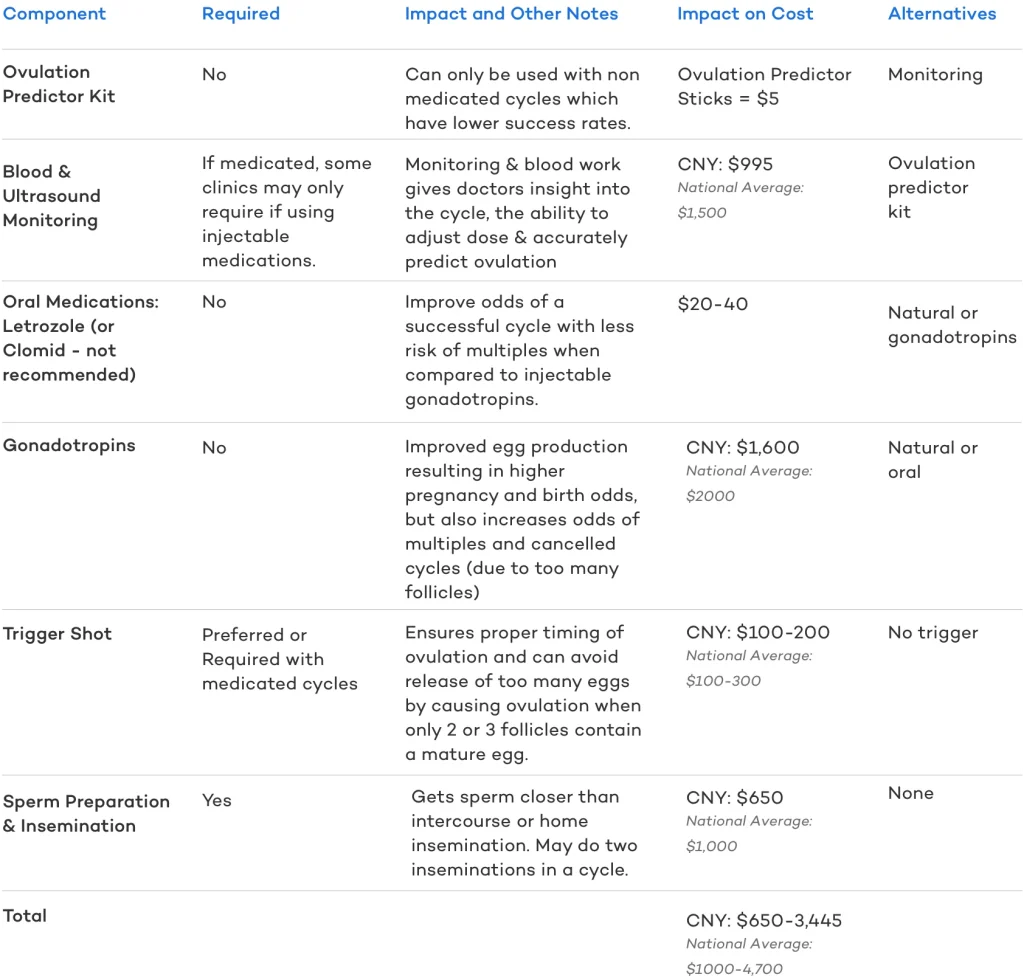
Fertility clinics also offer a range of medications to help regulate hormones and stimulate ovulation. These medications can be used alone or in combination with other fertility treatments.
4. Donor Programs
In cases where one partner is unable to produce viable eggs or sperm, fertility clinics offer donor programs. These programs allow individuals or couples to use donated eggs, sperm, or embryos to achieve pregnancy. Donor programs also provide options for same-sex couples and single individuals to start a family.
5. Surgery
In some cases, surgery may be necessary to correct structural problems in the reproductive organs or to remove any blockages that may be affecting fertility. Fertility clinics may have specialized surgeons who can perform these procedures.
The Science Behind Fertility Treatments
Fertility treatments offered by clinics are based on scientific research and advancements in reproductive medicine. For example, IVF was first successfully performed in 1978 and has since become a widely used fertility treatment. The process of IVF involves carefully monitoring a woman’s menstrual cycle, administering fertility medications to stimulate egg production, and retrieving the eggs for fertilization in a laboratory. This process has been refined over the years, resulting in higher success rates and fewer risks for patients.
Another important aspect of fertility treatments is the use of genetic testing. With advancements in technology, fertility clinics can now screen embryos for genetic disorders before implantation. This helps to reduce the risk of inherited diseases and increases the chances of a successful pregnancy.
Fertility clinics also make use of cryopreservation, a process of freezing and storing eggs, sperm, and embryos. This technology has allowed patients to preserve their fertility for future use, especially for those undergoing cancer treatment or for women who want to delay pregnancy.
Summary:
Fertility clinics offer a variety of services and treatments to help individuals and couples overcome infertility. These treatments are based on scientific research and advancements in reproductive medicine. The most common treatments include fertility testing, assisted reproductive technologies (ART), fertility medications, donor programs, and surgery. These treatments are personalized to each patient’s needs and have a high success rate due to the continuous advancements in technology and techniques. As more research is conducted and new technologies are developed, fertility clinics will continue to play a crucial role in helping individuals and couples achieve their dream of starting a family.