Blog Post:
Fertility preservation, also known as cryopreservation, is a medical process that allows individuals to preserve their fertility for future use. This technology has revolutionized the field of reproductive medicine, giving hope to individuals facing fertility challenges such as cancer treatments, age-related infertility, or other medical conditions. In this blog post, we will delve into the science behind fertility preservation and how it works.
The Process of Fertility Preservation:
The first step in fertility preservation is the evaluation of the patient’s fertility status. This may involve blood tests to check hormone levels, ultrasound to assess ovarian reserve, and genetic testing. Once the patient’s fertility potential is established, the next step is to choose the most suitable fertility preservation method.
1. Egg Freezing:
Egg freezing, also known as oocyte cryopreservation, is the most commonly used form of fertility preservation. This process involves stimulating the ovaries with hormone injections to produce multiple eggs. The eggs are then retrieved through a minor surgical procedure and frozen using a technique called vitrification. Vitrification is a fast-freezing method that prevents the formation of ice crystals, which can damage the eggs. The frozen eggs are then stored in liquid nitrogen at a temperature of -196 degrees Celsius until they are ready to be used.
2. Embryo Freezing:
Embryo freezing is a similar process to egg freezing, but instead of freezing individual eggs, the eggs are fertilized with sperm to create embryos. The embryos are then frozen and stored until they are needed. This method is often used by couples who are undergoing fertility treatments, such as in vitro fertilization (IVF), and have extra embryos that can be frozen for future use.
3. Sperm Freezing:
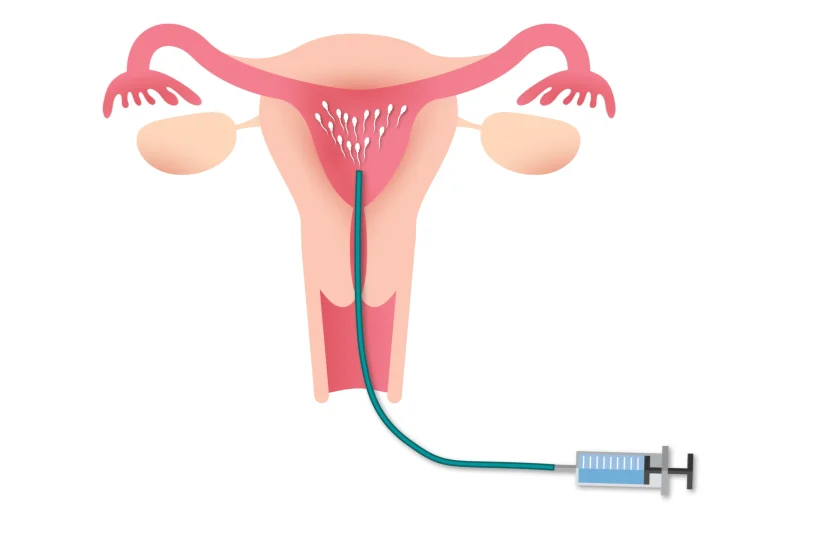
Sperm freezing, also known as sperm cryopreservation, is a simple process that involves collecting a semen sample and freezing it for later use. The sample is mixed with a cryoprotectant solution and then slowly frozen to prevent damage. The frozen sperm can be stored for many years and used for procedures such as intrauterine insemination (IUI) or IVF.
The Science Behind Fertility Preservation: How It Works
4. Ovarian Tissue Freezing:
Ovarian tissue freezing is a newer form of fertility preservation that involves surgically removing a piece of ovarian tissue and freezing it for future use. This method is often used for women who cannot undergo hormonal stimulation or those who need to start cancer treatment immediately. The frozen ovarian tissue can be transplanted back into the patient’s body in the future, where it can resume its normal function.
The Science Behind Fertility Preservation:
The success of fertility preservation techniques lies in the ability to freeze and thaw reproductive cells without causing any damage. This is made possible by the use of cryoprotectants, which are substances that protect cells from the harmful effects of freezing and thawing. Cryoprotectants work by replacing water molecules inside the cells, preventing the formation of ice crystals that can destroy the cells.
Another important factor in fertility preservation success is the use of vitrification, which has replaced the older method of slow freezing. Vitrification is a fast-freezing technique that uses higher concentrations of cryoprotectants and ultra-rapid cooling to solidify the cells without forming ice crystals. This method has significantly improved the survival rates of frozen eggs, embryos, and sperm.
The Role of Genetics in Fertility Preservation:
Genetics also play a crucial role in fertility preservation. Before undergoing any fertility preservation procedure, patients are often advised to undergo genetic testing to identify any potential genetic disorders that could affect their fertility or the health of their future children. This information allows fertility specialists to make informed decisions about which preservation method is most suitable for each individual.
The Benefits of Fertility Preservation:
Fertility preservation offers numerous benefits to individuals who are looking to preserve their fertility. For cancer patients, fertility preservation allows them to undergo treatments such as chemotherapy and radiation without worrying about the potential loss of fertility. It also gives hope to individuals dealing with age-related fertility decline, as well as those who have not yet found a suitable partner but want to have children in the future.
In conclusion, the science behind fertility preservation is a complex and constantly evolving field. With advancements in technology and research, more individuals can now have the option to preserve their fertility and fulfill their dreams of starting a family. If you are considering fertility preservation, it is essential to consult with a fertility specialist to determine the best approach for your individual needs.
Summary:
Fertility preservation is a medical process that allows individuals to preserve their fertility for future use, commonly used by those facing cancer treatments or age-related infertility. The process involves freezing eggs, embryos, sperm, or ovarian tissue with the help of cryoprotectants and vitrification. Genetics play a crucial role in determining the best preservation method for each individual. Fertility preservation offers hope to individuals looking to start a family in the future.