Tag: Cryopreservation

  • The Impact of Technology on Fertility Clinics and Hospitals

    Technology has revolutionized the way we approach fertility treatments, making it possible for many people to fulfill their dreams of starting a family. Fertility clinics and hospitals have embraced the latest advancements in technology to improve success rates and provide more personalized and efficient care to patients. In this blog post, we will explore the impact of technology on fertility clinics and hospitals, including the benefits, challenges, and future possibilities.

    The Evolution of Technology in Fertility Treatments

    Fertility treatments have come a long way since the first successful in vitro fertilization (IVF) procedure in 1978. Back then, the process was lengthy, expensive, and had a low success rate. However, with advancements in technology, IVF success rates have significantly improved, and the procedure has become more accessible and affordable.

    One of the biggest technological advancements in fertility treatments is the development of preimplantation genetic testing (PGT). PGT allows for the screening of embryos for genetic disorders and chromosomal abnormalities before they are implanted in the uterus. This has not only increased the chances of a successful pregnancy but has also reduced the risk of passing on genetic diseases to the child.

    Another significant development is the use of time-lapse imaging in IVF. This technology allows for the continuous monitoring of embryos, providing valuable information about their development and helping doctors select the healthiest embryos for implantation. This has led to higher success rates and reduced the number of multiple births, which can be risky for both the mother and babies.

    Technology has also improved the process of egg retrieval. In the past, this procedure was done manually, which could be time-consuming and uncomfortable for the patient. Now, advanced tools such as transvaginal ultrasound and ultrasound-guided needle aspiration have made the process quicker and less invasive.

    Benefits of Technology in Fertility Clinics and Hospitals

    The use of technology in fertility clinics and hospitals has brought numerous benefits, including:

    1. Improved success rates: As mentioned earlier, technology has significantly improved the success rates of fertility treatments. This has given hope to many individuals and couples struggling with infertility.

    2. Personalized treatment: With the use of advanced tools and techniques, doctors can now tailor treatment plans to meet the specific needs of each patient. This has resulted in more successful outcomes and reduced the risk of complications.

    3. Enhanced patient experience: Technology has made fertility treatments less invasive, less painful, and more comfortable for patients. This has reduced the stress and anxiety associated with these procedures, making them more bearable for patients.

    comparison of IUI and IVF procedures illustrated with simple graphics and labels

    The Impact of Technology on Fertility Clinics and Hospitals

    4. Increased efficiency: The use of technology has streamlined processes and made them more efficient. This has reduced waiting times for patients and improved the overall experience at fertility clinics and hospitals.

    Challenges of Incorporating Technology in Fertility Treatments

    While technology has brought many benefits to fertility treatments, it has also presented some challenges, including:

    1. High costs: Advanced technology comes at a hefty price, making it inaccessible to many patients. This has created a divide between those who can afford the latest treatments and those who cannot.

    2. Ethical concerns: The use of technology in fertility treatments has raised ethical concerns, particularly with the use of PGT and other techniques that involve the manipulation of embryos.

    3. Lack of regulations: With new technologies emerging constantly, there is a lack of regulations and standardization in the field of fertility treatments. This can lead to inconsistencies in treatment and potential risks for patients.

    The Future of Technology in Fertility Clinics and Hospitals

    The future possibilities of technology in fertility clinics and hospitals are exciting and hold a lot of promise. Some of the advancements that we can expect to see in the near future include:

    1. Artificial intelligence (AI): AI has the potential to revolutionize fertility treatments by analyzing large amounts of data and identifying patterns that can improve success rates and predict outcomes.

    2. In vitro maturation (IVM): This is a technique that involves retrieving immature eggs and maturing them in a lab before fertilization. This could eliminate the need for hormone injections and reduce the risks and side effects associated with IVF.

    3. Cryopreservation: The technology for freezing and storing eggs and embryos has significantly improved in recent years, making it possible for women to preserve their fertility for future use.

    In summary, technology has had a profound impact on fertility clinics and hospitals, making it possible for many people to achieve their dream of having a child. The advancements in technology have improved success rates, personalized treatment, and enhanced the patient experience. However, it has also presented some challenges and ethical concerns that need to be addressed. With the constant evolution of technology, the future of fertility treatments looks promising, and we can expect to see more advancements that will further improve success rates and patient outcomes.

  • Medical Insemination Supplies: An Overview

    Blog Post:

    Medical insemination is a process that can help individuals or couples who are struggling with fertility issues to conceive a child. This procedure involves using semen from a donor or partner to fertilize the egg of a woman, either through intrauterine insemination (IUI) or in vitro fertilization (IVF). For this process to be successful, it is crucial to have the right medical insemination supplies. In this blog post, we will provide an overview of the various supplies needed for medical insemination and their importance in the process.

    1. Sperm Collection Supplies:
    The first step in medical insemination is obtaining the sperm sample. This can be done through self-collection or with the help of a healthcare professional. For self-collection, supplies such as sterile specimen cups, sperm collection condoms, and lubricant can be used. These supplies ensure that the sperm sample remains uncontaminated and viable until it is ready to be used.

    2. Semen Analysis Supplies:
    After the sperm sample is collected, it is sent to a laboratory for analysis to determine its quality and viability. The laboratory will require specific supplies such as microscope slides, staining kits, and centrifuges to examine the sample. This analysis is crucial as it helps in determining the best course of action for the medical insemination procedure.

    3. Sperm Wash Media:
    Before the sperm sample can be used for insemination, it needs to be washed to remove any impurities or debris. This is done using a sperm wash media, which contains essential nutrients to support the sperm’s survival. It is important to use a high-quality and sterile sperm wash media to ensure the best chances of fertilization.

    4. Insemination Catheters:
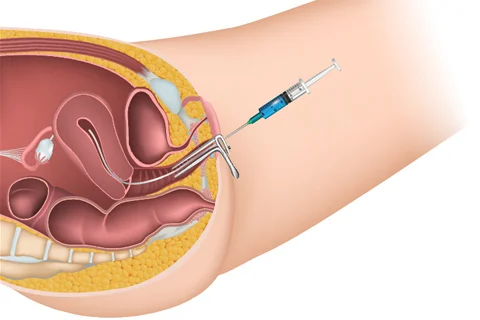
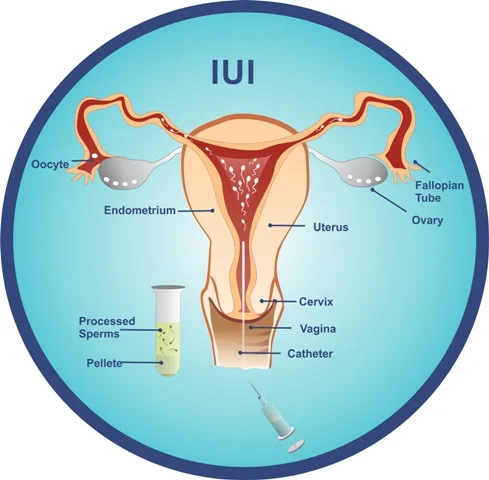
    Intrauterine insemination (IUI) involves placing the washed sperm sample directly into the uterus using a thin, flexible tube called an insemination catheter. These catheters come in different sizes and shapes to cater to the varying needs of patients. It is crucial to use a sterile and appropriate catheter to avoid any potential risks or discomfort during the procedure.

    Illustration of intrauterine insemination (IUI) procedure with syringe and catheter in the uterus.

    Medical Insemination Supplies: An Overview

    5. Embryo Transfer Catheters:
    For in vitro fertilization (IVF), the fertilized egg is transferred into the woman’s uterus using an embryo transfer catheter. These catheters are designed to be soft and flexible, ensuring a safe and comfortable transfer of the embryo. Using a high-quality embryo transfer catheter is crucial as it can impact the success of the IVF procedure.

    6. Incubators:
    After the sperm and egg have been successfully combined, they are placed in an incubator where they can develop into an embryo. These incubators provide the ideal environment for the embryo to grow and mature. They also have advanced features such as temperature and humidity control, ensuring the best conditions for fertilization.

    7. Cryopreservation Supplies:
    In some cases, couples may choose to freeze their sperm or embryos for future use. This is where cryopreservation supplies come into play. These supplies include cryogenic storage tanks, straws, and labels to safely and effectively store the samples at very low temperatures.

    8. Ultrasound Machines:
    Ultrasound machines are essential for monitoring the growth and development of the embryo during the IVF process. This allows healthcare professionals to track the progress of the pregnancy and ensure the well-being of the mother and baby.

    9. Medications:
    Apart from the supplies mentioned above, certain medications are also needed for medical insemination procedures. These medications can include fertility drugs to stimulate ovulation, hormone injections to support the embryo, and pain relief medication for the patient.

    Overall, medical insemination supplies play a crucial role in the success of these procedures. Using the right supplies, along with the expertise of healthcare professionals, can greatly increase the chances of a successful pregnancy.

    Summary:
    Medical insemination supplies are essential for the success of fertility procedures such as IUI and IVF. These supplies include sperm collection and analysis supplies, sperm wash media, catheters for insemination and embryo transfer, incubators, cryopreservation supplies, ultrasound machines, and medications. Using high-quality and sterile supplies is crucial to ensure the best chances of fertilization and a successful pregnancy.

  • The Impact of Cryopreservation on the Cost of Frozen Donor Sperm vs Fresh Donor Sperm

    Blog Post: The Impact of Cryopreservation on the Cost of Frozen Donor Sperm vs Fresh Donor Sperm

    In recent years, the use of frozen donor sperm has become increasingly popular in the field of fertility treatments. Many couples and individuals who are unable to conceive naturally turn to donor sperm to start or expand their families. However, with the rise of cryopreservation technology, the question arises: what is the impact of cryopreservation on the cost of frozen donor sperm compared to fresh donor sperm?

    To understand the impact of cryopreservation on the cost of donor sperm, we must first understand what cryopreservation is and how it affects the sperm. Cryopreservation is the process of freezing and preserving living cells and tissues at very low temperatures. In the case of donor sperm, it involves freezing and storing the sperm at extremely low temperatures (-196°C) in liquid nitrogen. This process allows the sperm to be stored for long periods of time without losing its viability.

    One major factor that impacts the cost of frozen donor sperm is the initial cost of cryopreservation. The process of cryopreservation is complex and requires specialized equipment and expertise, which can be costly. This initial cost is then passed on to the consumer, resulting in a higher price for frozen donor sperm compared to fresh donor sperm.

    Additionally, the cost of storing frozen donor sperm also contributes to the overall cost. Sperm banks typically charge an annual fee for the storage of frozen sperm, which can range from a few hundred to a few thousand dollars. This cost is not incurred in the case of fresh donor sperm, as it is used immediately after donation.

    Moreover, the process of cryopreservation also affects the overall success rate of donor sperm. While frozen donor sperm can be stored for long periods of time, it does not guarantee that the sperm will remain viable. The freezing process can cause damage to the sperm, leading to a decrease in its quality and viability. This can result in a lower success rate for frozen donor sperm compared to fresh donor sperm, leading to additional costs for couples who may need to undergo multiple fertility treatments.

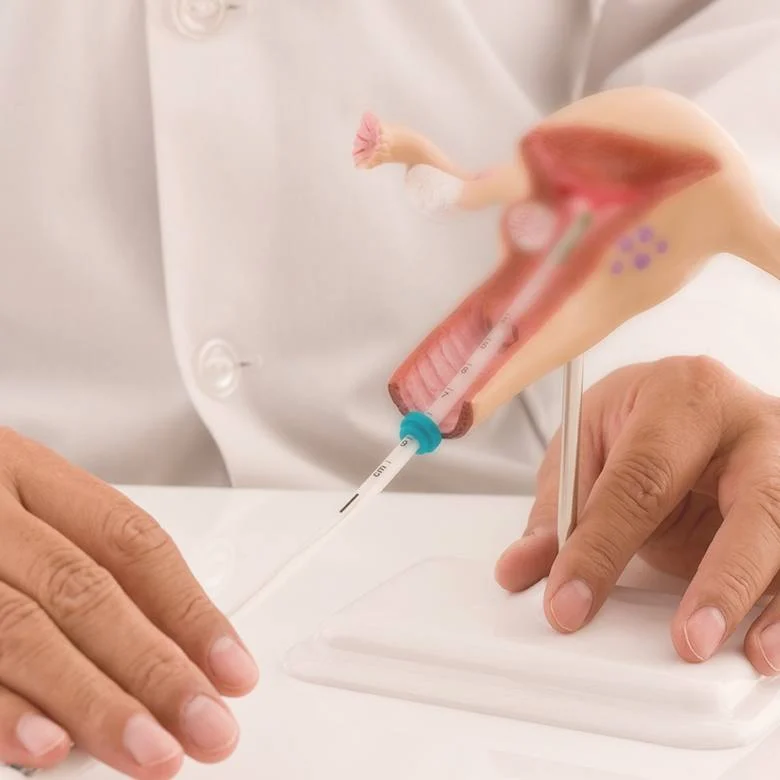
    model of the female reproductive system with a hand demonstrating intrauterine insemination technique

    The Impact of Cryopreservation on the Cost of Frozen Donor Sperm vs Fresh Donor Sperm

    On the other hand, fresh donor sperm is used immediately after donation, eliminating the need for cryopreservation. This means that the sperm is of higher quality and has a better chance of resulting in a successful pregnancy. This can ultimately lead to cost savings for couples, as they may not need to undergo multiple treatments.

    Furthermore, the process of cryopreservation also affects the availability of donor sperm. Frozen donor sperm is readily available at sperm banks, as it can be stored for long periods of time. However, fresh donor sperm is only available when a donor is available and willing to donate. This limited availability of fresh donor sperm can drive up the cost as there is a higher demand for it.

    Another factor to consider is the cost of shipping frozen donor sperm. In cases where couples choose to use sperm from a donor who is located in a different city or country, the cost of shipping the frozen sperm can add to the overall cost. This is not a concern with fresh donor sperm, as it can be used immediately after donation.

    In conclusion, the impact of cryopreservation on the cost of frozen donor sperm vs fresh donor sperm is significant. The initial cost of cryopreservation, storage fees, and lower success rates all contribute to the overall higher cost of frozen donor sperm. On the other hand, fresh donor sperm may be a more cost-effective option for couples, as it eliminates the need for cryopreservation and has a higher success rate.

    While the cost of using frozen donor sperm may be higher, it is important to note that it also offers certain benefits. The ability to store frozen sperm for extended periods of time allows for better planning and flexibility in fertility treatments. It also provides a wider selection of donors, as sperm can be shipped from different locations. Ultimately, the decision between using frozen or fresh donor sperm will depend on individual circumstances and preferences.

    In conclusion, the impact of cryopreservation on the cost of frozen donor sperm vs fresh donor sperm is multifaceted. While it may lead to a higher cost for couples, it also offers certain benefits that may outweigh the financial aspect. It is important for couples to carefully consider their options and consult with a fertility specialist to determine the best course of action for their individual situation.

    Summary: The use of frozen donor sperm in fertility treatments has increased in recent years, but it comes at a higher cost compared to fresh donor sperm. This is due to the initial cost of cryopreservation, storage fees, and lower success rates. However, frozen donor sperm offers certain benefits such as extended storage and a wider selection of donors. Ultimately, the decision between using frozen or fresh donor sperm should be based on individual circumstances and preferences.

  • The Effect of Cryopreservation on the Success Rate of Frozen Donor Sperm vs Fresh Donor Sperm

    Blog Post:

    Cryopreservation, the process of freezing and storing biological samples, has revolutionized the field of assisted reproductive technology (ART). One area where cryopreservation has had a significant impact is in the use of donor sperm for fertility treatments. Traditionally, fresh donor sperm has been the preferred method for insemination, but with advancements in cryopreservation techniques, frozen donor sperm has become a viable alternative. In this blog post, we will explore the effect of cryopreservation on the success rate of frozen donor sperm compared to fresh donor sperm.

    What is Cryopreservation?

    Cryopreservation is the process of preserving biological samples at extremely low temperatures to maintain their viability. In the case of donor sperm, the samples are frozen using liquid nitrogen and stored in a cryopreservation tank until they are needed for insemination. This process allows for long-term storage of sperm samples, which can be used for future fertility treatments.

    The Cryopreservation Process

    The process of cryopreservation involves several steps to ensure the viability of the sperm samples. First, the sperm is mixed with a cryoprotectant solution, which helps to protect the sperm cells from damage during the freezing process. Then, the samples are slowly cooled to -196 degrees Celsius, which prevents the formation of ice crystals that can damage the sperm cells. Finally, the samples are stored in a cryopreservation tank until they are needed for insemination.

    Fresh Donor Sperm vs. Frozen Donor Sperm

    Fresh donor sperm has been the traditional method of choice for fertility treatments. This is because fresh sperm has a higher success rate compared to frozen sperm. However, with advancements in cryopreservation techniques, the success rate of frozen donor sperm has improved significantly. So, what are the main differences between fresh and frozen donor sperm?

    1. Availability: Fresh donor sperm is only available on the day of the donation, whereas frozen donor sperm can be stored and used at a later date.

    2. Preparation time: Fresh donor sperm requires a longer preparation time compared to frozen donor sperm. This is because frozen sperm is already prepared for use and does not need to be washed and prepared like fresh sperm.

    3. Sperm count: Frozen sperm samples may have a lower sperm count compared to fresh samples. This is because some sperm cells may not survive the freezing and thawing process.

    Illustration of intrauterine insemination (IUI) procedure with syringe and catheter in the uterus.

    The Effect of Cryopreservation on the Success Rate of Frozen Donor Sperm vs Fresh Donor Sperm

    4. Motility: Fresh sperm has a higher motility rate compared to frozen sperm. However, with advancements in cryopreservation techniques, the motility rate of frozen sperm has significantly improved.

    Success Rates of Fresh Donor Sperm vs. Frozen Donor Sperm

    Several studies have been conducted to compare the success rates of fresh donor sperm and frozen donor sperm. One study published in the Journal of Assisted Reproduction and Genetics found that there was no significant difference in the pregnancy rates between fresh and frozen donor sperm. Another study published in Fertility and Sterility also found no significant difference in pregnancy rates between the two methods.

    One of the main factors that can affect the success rate of frozen donor sperm is the quality of the sperm sample before it is frozen. If the sperm sample has a low sperm count or poor motility, the success rate of frozen donor sperm may be lower compared to fresh donor sperm. However, with careful selection and proper preparation of the sperm sample before cryopreservation, the success rate of frozen donor sperm can be comparable to fresh donor sperm.

    Benefits of Cryopreservation for Donor Sperm

    There are several benefits of using frozen donor sperm for fertility treatments, including:

    1. Cost-effectiveness: Cryopreservation allows for long-term storage of sperm samples, which can be cost-effective for couples undergoing multiple fertility treatments.

    2. Convenience: As frozen donor sperm can be stored and used at a later date, it eliminates the need for coordinating with a donor for fresh sperm samples on the day of insemination.

    3. Increased access to donor sperm: Cryopreservation has made it possible for sperm samples to be transported globally, allowing for increased access to donor sperm for couples in need.

    4. Reduced risk of disease transmission: With the proper screening and testing of donor sperm before cryopreservation, the risk of disease transmission is significantly reduced.

    In summary, cryopreservation has had a significant impact on the success rate of frozen donor sperm compared to fresh donor sperm. While fresh sperm has traditionally been the preferred method for insemination, advancements in cryopreservation techniques have made frozen donor sperm a viable alternative. With careful selection and preparation of the sperm sample, the success rate of frozen donor sperm can be comparable to fresh donor sperm. Cryopreservation also offers several benefits, including cost-effectiveness, convenience, increased access to donor sperm, and reduced risk of disease transmission.

    In conclusion, cryopreservation has revolutionized the use of donor sperm in fertility treatments, offering couples more options and increasing their chances of success.

  • The Impact of Cryopreservation on the Quality of Frozen Donor Sperm vs Fresh Donor Sperm

    Blog Post:

    In recent years, cryopreservation has become a widely used technique in the field of assisted reproductive technology, allowing for the long-term storage of biological materials such as sperm, eggs, and embryos. This has greatly expanded the options for individuals and couples facing fertility challenges, as well as those looking to preserve their reproductive cells for future use. When it comes to donor sperm, cryopreservation has had a significant impact on the availability and quality of sperm for use in fertility treatments. In this blog post, we will explore the impact of cryopreservation on the quality of frozen donor sperm compared to fresh donor sperm.

    What is Cryopreservation?
    Cryopreservation is the process of freezing biological materials at very low temperatures (-196°C) in order to preserve them for future use. In the case of sperm, this is typically done through a process called vitrification, which involves rapid freezing in liquid nitrogen. The frozen sperm is then stored in a cryobank until it is needed for fertility treatments.

    Fresh vs Frozen Donor Sperm
    Traditionally, fresh donor sperm has been the primary choice for fertility treatments. However, with the advancements in cryopreservation techniques, frozen donor sperm has become a viable and often preferred option for many individuals and couples. But how do fresh and frozen donor sperm compare in terms of quality and effectiveness?

    Quality of Fresh Donor Sperm
    Fresh donor sperm is collected on the same day as the fertility treatment and is typically used immediately. This means that the sperm is at its peak quality and motility, as it has not been subjected to any freezing or thawing processes. However, the quality of fresh donor sperm can vary depending on the donor’s age, health, and lifestyle factors. It is also important to note that fresh donor sperm is not always readily available, which can limit the options for individuals and couples seeking fertility treatments.

    Impact of Cryopreservation on Donor Sperm Quality
    The cryopreservation process involves exposing sperm to very low temperatures, which can have a significant impact on its quality. During the freezing and thawing process, sperm cells can be damaged or even destroyed, leading to a decrease in overall quality. However, with the advancements in vitrification techniques, the damage to sperm cells has been greatly reduced. Additionally, sperm that is frozen at a younger age tends to have better quality and higher motility when thawed, compared to sperm that is frozen at an older age.

    illustration of intrauterine insemination procedure with a syringe and catheter in the uterus.

    The Impact of Cryopreservation on the Quality of Frozen Donor Sperm vs Fresh Donor Sperm

    Frozen Donor Sperm: A More Reliable Option
    One of the biggest advantages of using frozen donor sperm is the reliability and availability of the sperm. Unlike fresh donor sperm, which may not always be available on the day of the fertility treatment, frozen donor sperm can be stored for long periods of time. This means that there is a larger pool of donors to choose from, giving individuals and couples more options and a better chance of finding a suitable donor. Additionally, frozen donor sperm can be shipped to different locations, making it more accessible for those who do not live near a cryobank.

    The Role of Sperm Banks
    Sperm banks play a crucial role in the cryopreservation process. They are responsible for collecting, screening, and storing donor sperm. Sperm banks also perform quality control measures to ensure that the sperm is of the highest quality before it is used in fertility treatments. With the growing demand for frozen donor sperm, sperm banks have become an essential part of the fertility industry and play a vital role in providing individuals and couples with reliable and high-quality sperm.

    Success Rates with Frozen Donor Sperm
    Studies have shown that the success rates of fertility treatments using frozen donor sperm are comparable to those using fresh donor sperm. In fact, some studies have even shown higher success rates with frozen donor sperm, as the sperm is usually frozen at a younger age and has better quality when thawed. This is encouraging news for those considering using frozen donor sperm for their fertility treatments.

    Conclusion
    In conclusion, the impact of cryopreservation on the quality of frozen donor sperm has been significant. While fresh donor sperm may have higher quality and motility, the advancements in vitrification techniques have greatly reduced the damage to frozen sperm cells. Frozen donor sperm also offers a more reliable and accessible option for individuals and couples seeking fertility treatments. With the help of sperm banks and the increasing success rates of fertility treatments using frozen donor sperm, cryopreservation has revolutionized the field of assisted reproductive technology and given hope to many individuals and couples around the world.

    Summary:

    Cryopreservation is a process of freezing biological materials at low temperatures for future use. When it comes to donor sperm, it has had a significant impact on the availability and quality of sperm for fertility treatments. Fresh donor sperm, while at its peak quality, may not always be readily available. However, the advancements in vitrification techniques have reduced the damage to frozen sperm cells. Frozen donor sperm also offers a more reliable and accessible option for individuals and couples. Sperm banks play a crucial role in the cryopreservation process, ensuring high-quality sperm. Studies have shown comparable success rates with frozen donor sperm, making it a viable option for fertility treatments.

  • Frozen Donor Sperm vs Fresh Donor Sperm: The Importance of Timing and Storage

    Blog Post Title: Frozen Donor Sperm vs Fresh Donor Sperm: The Importance of Timing and Storage

    Donor sperm has become an increasingly popular option for individuals and couples struggling with fertility issues. It offers a chance for them to start or expand their families, and the use of donor sperm has opened up a whole new realm of possibilities for those facing fertility challenges. However, when it comes to choosing between frozen donor sperm and fresh donor sperm, the importance of timing and storage cannot be underestimated. In this blog post, we will delve into the differences between frozen and fresh donor sperm, and why the timing and storage of the sperm can make all the difference in the success of fertility treatments.

    Fresh donor sperm, as the name suggests, is sperm that is collected and used immediately, without undergoing any preservation process. On the other hand, frozen donor sperm is collected and preserved through a process called cryopreservation, which involves freezing the sperm at extremely low temperatures. Both options have their own advantages and disadvantages, and the choice between the two depends on various factors such as personal preference, cost, and availability.

    One of the main advantages of using fresh donor sperm is that it is readily available and can be used immediately. This can be beneficial for couples who are on a tight schedule or have limited time for fertility treatments. Fresh sperm also has a higher chance of fertilizing an egg compared to frozen sperm. This is because fresh sperm has better motility, which means that it can swim better and faster towards the egg, increasing the chances of successful fertilization. Furthermore, using fresh sperm reduces the risk of damage or loss during the freezing and thawing process, which can affect the quality of the sperm.

    However, there are also significant drawbacks to using fresh donor sperm. One of the biggest concerns is the lack of control over the timing of the donation. Donor sperm is typically collected on the day of the procedure, which means that the fertility clinic has no control over when the donor will produce the sample. This can be a major issue if the donor is unable to produce a sample on the day of the procedure, leading to delays or even cancellation of the treatment cycle. Additionally, fresh sperm has a limited lifespan and needs to be used within a few hours of collection, making it difficult to coordinate with the woman’s ovulation cycle. This can result in missed opportunities for fertilization, ultimately reducing the chances of a successful pregnancy.

    Illustration of the IUI process, showing a syringe and catheter in the reproductive system.

    Frozen Donor Sperm vs Fresh Donor Sperm: The Importance of Timing and Storage

    On the other hand, frozen donor sperm offers more flexibility in terms of timing. The sperm can be stored for an extended period and used when needed, giving the fertility clinic more control over the timing of the treatment cycle. This is particularly beneficial for women who are using donor sperm and undergoing fertility treatments such as in vitro fertilization (IVF). IVF requires precise timing, and using frozen sperm allows for better synchronization of the woman’s ovulation cycle with the procedure. Furthermore, frozen sperm can be used for multiple cycles, reducing the need for repeated sperm donations, which can be emotionally and physically taxing for the donor.

    Another advantage of frozen donor sperm is the increased success rates. Since the sperm is frozen, it undergoes a process called cryopreservation, which helps to protect and preserve the sperm. This means that the sperm can survive for longer periods and still maintain its quality and motility. In fact, studies have shown that frozen sperm has a higher survival rate compared to fresh sperm, increasing the chances of fertilization and pregnancy. Moreover, frozen donor sperm allows for better selection and screening of donors, as the sperm can be stored and used over a longer period, giving the clinic more time to thoroughly assess the donor’s health and genetic history.

    However, using frozen donor sperm also has its limitations. The process of cryopreservation can damage some of the sperm, leading to a decrease in the overall quality of the sample. This can affect the success rates of the treatment cycle, and in some cases, multiple vials of frozen sperm may be needed to achieve a successful pregnancy. Additionally, the process of freezing and thawing the sperm can also affect its motility, making it less effective in fertilizing an egg. This is why it is important for clinics to have strict protocols in place to ensure the quality and viability of the frozen sperm.

    In addition to timing and storage, the cost is also a significant factor to consider when choosing between frozen and fresh donor sperm. Fresh donor sperm is generally more expensive compared to frozen sperm, as it requires immediate use and collection. On the other hand, frozen sperm can be stored and used for multiple cycles, reducing the cost in the long run. Ultimately, the choice between frozen and fresh donor sperm depends on the individual’s circumstances and preferences, and it is important to weigh the pros and cons before making a decision.

    In conclusion, the use of donor sperm has revolutionized the world of fertility treatments, offering hope to many struggling with fertility issues. However, when it comes to choosing between frozen and fresh donor sperm, the importance of timing and storage cannot be underestimated. Fresh sperm offers immediate availability and better motility, while frozen sperm provides more flexibility and higher success rates. It is essential for couples and individuals to consult with their fertility clinic and thoroughly consider all factors before making a decision that is best for them and their future family.

    SEO metadata:

  • The Impact of Technology on the Availability of Frozen Donor Sperm vs Fresh Donor Sperm

    Blog Post: The Impact of Technology on the Availability of Frozen Donor Sperm vs Fresh Donor Sperm

    In recent years, the use of technology has greatly impacted the availability of frozen donor sperm and fresh donor sperm. These two options have become popular choices for individuals and couples who are looking to start a family with the help of a sperm donor. However, there are significant differences between the two, and understanding the impact of technology on their availability is crucial for those considering these options. In this blog post, we will explore the advancements in technology that have led to the rise of frozen donor sperm and how it compares to fresh donor sperm in terms of availability, convenience, and success rates.

    The first major impact of technology on the availability of frozen donor sperm is the development of cryopreservation techniques. Cryopreservation is the process of freezing and storing sperm at ultra-low temperatures, typically below -196°C, in liquid nitrogen. This allows sperm to be stored for long periods without losing their viability. This technology has revolutionized the sperm donation process, making it possible to preserve and store sperm for extended periods, which was not possible with fresh donor sperm.

    One of the main advantages of frozen donor sperm is the ease of accessibility. With cryopreservation, sperm can be stored for years, even decades, and can be easily shipped to fertility clinics around the world. This has greatly increased the availability of donor sperm, as individuals and couples are no longer limited to local sperm banks and can choose from a wider pool of donors. This has also opened up the possibility of using donor sperm from other countries, which may have a more diverse range of donors to choose from.

    Furthermore, frozen donor sperm has also made the process of sperm donation more convenient for both donors and recipients. Donors can now make deposits at their convenience, without having to be present at the fertility clinic every time a donation is needed. This has also eliminated the need for donors to undergo frequent medical screenings, as their sperm can be stored and used for multiple cycles. For recipients, the process of selecting a donor and obtaining the sperm has become more streamlined and efficient.

    diagram illustrating intrauterine insemination (IUI) with labeled reproductive anatomy and procedures

    The Impact of Technology on the Availability of Frozen Donor Sperm vs Fresh Donor Sperm

    Another major impact of technology on the availability of frozen donor sperm is the ability to screen and test for genetic diseases and disorders. With the use of advanced genetic testing, sperm banks can now screen donors for hundreds of genetic diseases, significantly reducing the risk of passing on hereditary conditions to the child. This has given individuals and couples peace of mind when choosing a donor and has made the process of selecting a donor more transparent.

    In contrast, fresh donor sperm has limitations in terms of availability and convenience. Fresh donor sperm can only be used within a few days of collection, making it essential for donors to be located near the fertility clinic. This can be a challenge for individuals and couples who live in remote areas or have limited access to a sperm bank. Additionally, the process of coordinating with a donor and scheduling appointments can be time-consuming and may not always align with the recipient’s fertility cycle.

    Moreover, fresh donor sperm also has a higher risk of transmitting genetic diseases or disorders compared to frozen donor sperm. This is due to the shorter time frame for testing and screening before the sperm is used. This can be a concern for recipients who want to ensure the health and well-being of their future child.

    Apart from availability and convenience, success rates are also a crucial factor when considering frozen donor sperm vs fresh donor sperm. With the advancements in cryopreservation techniques, frozen donor sperm has shown to have comparable success rates to fresh donor sperm. This is because sperm is carefully selected and screened before being frozen, ensuring only healthy and viable sperm is stored. Additionally, frozen donor sperm can be used in multiple cycles, increasing the chances of successful pregnancies.

    In contrast, fresh donor sperm has a lower success rate due to the limited time frame for selection and screening. This means that there is a higher chance of using sperm with lower quality, resulting in a lower success rate. Furthermore, if a pregnancy is not achieved in the first cycle, the process of coordinating with a new donor and scheduling appointments can be time-consuming and may delay the chances of a successful pregnancy.

    In conclusion, the impact of technology on the availability of frozen donor sperm vs fresh donor sperm is significant. Advancements in cryopreservation techniques have made frozen donor sperm more accessible, convenient, and successful compared to fresh donor sperm. The ability to store and ship sperm for extended periods has greatly increased the availability of donors and has made the process more convenient for both donors and recipients. Additionally, the use of advanced genetic testing has reduced the risk of passing on genetic diseases and disorders to the child. Therefore, for individuals and couples considering the use of donor sperm, understanding the impact of technology on these options is crucial in making an informed decision.

  • Frozen Donor Sperm: Breaking Down the Process

    Blog Post:

    Frozen donor sperm is a popular option for individuals and couples who are looking to start or expand their family. This process involves using sperm from a donor who has been screened for health and genetic conditions, and then freezing it for later use. In this blog post, we will break down the process of using frozen donor sperm and provide valuable information for those considering this route to parenthood.

    1. Finding a Donor

    The first step in the process of using frozen donor sperm is to find a donor. This can be done through a sperm bank or fertility clinic, where donors have gone through extensive screening processes to ensure their sperm is healthy and free from genetic conditions. Sperm banks and fertility clinics typically have a large selection of donors to choose from, allowing individuals and couples to find the right donor for their family.

    2. Screening Process

    Once a donor has been selected, the screening process begins. This is a crucial step in the process as it ensures the sperm is of high quality and free from any health or genetic issues. The screening process includes a medical exam, genetic testing, and a thorough review of the donor’s family medical history. Additionally, donors may be required to undergo psychological evaluations to ensure they are mentally and emotionally prepared for the process.

    3. Freezing the Sperm

    After the donor has passed all of the necessary screenings, the sperm is then collected and frozen. This process, known as cryopreservation, involves freezing the sperm at very low temperatures to preserve its quality. The sperm can be stored for long periods, making it a viable option for those who may not be ready to start a family immediately.

    4. Thawing and Preparing for Insemination

    When the individual or couple is ready to use the frozen donor sperm, it is thawed and prepared for insemination. The sperm is thawed slowly to ensure its quality is not compromised. Once thawed, it is washed and prepared for insemination. There are two main methods of insemination – intrauterine insemination (IUI) and in vitro fertilization (IVF). IUI involves placing the sperm directly into the uterus, while IVF involves fertilizing the sperm with an egg in a lab and then transferring the embryo into the uterus.

    5. Legal Considerations

    A person administering an injection into their abdomen with a yellow pen-like device.

    Frozen Donor Sperm: Breaking Down the Process

    Using frozen donor sperm also involves legal considerations, as it is important to establish parental rights and responsibilities. This is typically done through a legal contract between the donor and the individual or couple using the sperm. The contract outlines the rights and responsibilities of all parties involved, ensuring a clear understanding and agreement.

    6. Success Rates

    The success rates of using frozen donor sperm vary depending on factors such as the age of the woman, the method of insemination, and the quality of the sperm. On average, the success rate for IUI is around 10-20% per cycle, while the success rate for IVF is around 40-50% per cycle. It is important to consult with a fertility specialist to determine the best option for you and your specific situation.

    7. Cost

    The cost of using frozen donor sperm can vary depending on the sperm bank or fertility clinic, the method of insemination, and any additional services that may be needed. On average, the cost can range from $500-$1000 for the sperm itself, plus additional fees for the screening process, storage, and insemination procedures. It is important to research and compare costs from different providers to determine the best option for your budget.

    8. Emotional Considerations

    Using frozen donor sperm can be an emotional process for individuals and couples. It is important to consider the emotional impact of using a donor and to seek support if needed. Many sperm banks and fertility clinics offer counseling services for those going through this process. It is also important to have open and honest communication with your partner throughout the process.

    9. Diversity of Donors

    One of the benefits of using frozen donor sperm is the diversity of donors available. Sperm banks and fertility clinics typically have a wide range of donors, including different ethnicities, religions, and physical characteristics. This allows individuals and couples to find a donor that aligns with their preferences and values.

    10. Privacy and Confidentiality

    Privacy and confidentiality are key considerations when using frozen donor sperm. Donors are typically anonymous, and their identity is kept confidential. This allows individuals and couples to have control over who knows about their use of a donor and to maintain their privacy.

    In summary, using frozen donor sperm is a multi-step process that involves finding a donor, going through the screening process, and using the sperm for insemination. It is important to consider the legal, emotional, and financial aspects of using a donor, as well as the success rates and diversity of donors available. Seeking support and guidance from a fertility specialist can help make the process smoother and more successful.

  • The Role of Technology in Insemination

    Blog Post: The Role of Technology in Insemination

    Insemination, also known as artificial insemination, is a type of assisted reproductive technology that involves introducing sperm into a female’s reproductive tract in order to facilitate pregnancy. In recent years, technology has played a significant role in improving the success rates of insemination and making the process more efficient and convenient for both patients and healthcare providers. In this blog post, we will explore the various ways in which technology has revolutionized the field of insemination and its impact on the world of fertility treatments.

    Advancements in Sperm Selection Techniques
    One of the key aspects of successful insemination is selecting the best quality sperm for fertilization. In the past, this was done through a process called “sperm washing,” which involved separating the sperm from the semen using a centrifuge. With the help of technology, sperm selection techniques have significantly evolved. The latest method, known as “flow cytometry,” uses a machine to sort the sperm based on their size, shape, and DNA fragmentation, resulting in higher-quality sperm being used for insemination. This has not only improved the success rates of insemination but has also reduced the risk of genetic abnormalities in the offspring.

    Improvements in Cryopreservation
    Cryopreservation, or the freezing of sperm, has been a game-changer in the world of insemination. It allows sperm to be stored for extended periods of time, making it possible for patients to undergo insemination whenever they are ready without having to rely on fresh sperm. With the help of advanced technology, cryopreservation techniques have become more efficient and reliable, resulting in higher success rates. Moreover, it has also reduced the cost of insemination, as patients no longer have to pay for fresh sperm each time they undergo the procedure.

    comparison of IUI and IVF procedures illustrated with simple graphics and labels

    The Role of Technology in Insemination

    Increased Success Rates with Intrauterine Insemination (IUI)
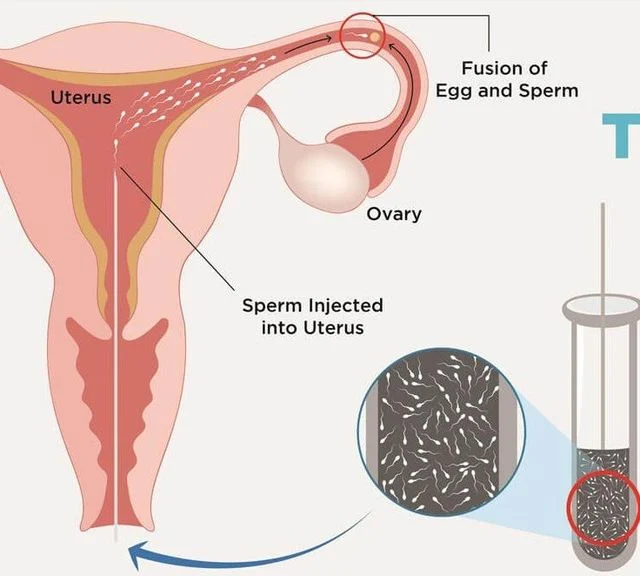
    Intrauterine insemination (IUI) is a type of insemination where sperm is placed directly into a woman’s uterus during ovulation. This technique has become more popular in recent years due to its higher success rates compared to other methods. With advancements in technology, IUI has become a more precise and efficient procedure. Ultrasound technology is now used to accurately time the insemination process, resulting in a higher chance of pregnancy. Moreover, the use of catheters with tiny cameras attached to them allows for better visualization and placement of the sperm, further improving the success rates of IUI.

    The Role of Digital Apps in Insemination
    Technology has also made its way into the world of insemination through the development of digital apps. These apps allow patients to track their ovulation, receive reminders for medication and appointments, and even communicate with their healthcare providers. This has made the entire process more convenient and user-friendly for patients, reducing the stress and anxiety associated with fertility treatments. Moreover, these apps also provide a platform for patients to connect with others going through the same experience, creating a supportive community.

    The Impact of Telemedicine
    Telemedicine, or the use of technology to provide healthcare services remotely, has also played a significant role in the field of insemination. It allows patients to consult with their healthcare providers from the comfort of their own homes, reducing the need for frequent in-person visits. This is especially beneficial for patients who live in remote areas and have limited access to fertility clinics. Telemedicine has not only made the process more convenient but has also reduced the cost and time associated with insemination.

    Summary:
    In conclusion, technology has greatly impacted the field of insemination, resulting in higher success rates, increased convenience, and reduced costs. Advancements in sperm selection techniques, improvements in cryopreservation, increased success rates with IUI, the use of digital apps, and the implementation of telemedicine have all contributed to making the process of insemination more efficient and effective. With technology continuously evolving, we can expect further advancements in this field, making it possible for more couples to fulfill their dream of starting a family.

  • The Role of Technology: How Intrauterine Insemination and Sperm Washing Have Evolved

    Blog Post Title: The Role of Technology: How Intrauterine Insemination and Sperm Washing Have Evolved

    Introduction:
    Technology has revolutionized many aspects of our lives, and the field of reproductive medicine is no exception. In the past few decades, advancements in technology have greatly improved the success rates of fertility treatments, such as intrauterine insemination (IUI) and sperm washing. These procedures have helped countless couples and individuals achieve their dream of starting a family. In this blog post, we will explore the evolution of technology in the field of reproductive medicine and how it has impacted the success of IUI and sperm washing.

    The Basics of IUI and Sperm Washing:
    Before delving into the advancements in technology, let’s first understand the basics of IUI and sperm washing. IUI is a fertility treatment that involves placing washed and concentrated sperm directly into a woman’s uterus during ovulation. This procedure is often recommended for couples struggling with unexplained infertility, mild male factor infertility, or cervical factor infertility. On the other hand, sperm washing is a process that separates healthy sperm from seminal fluid and other contaminants. This is often done to remove any potential infections or genetic disorders from the sperm before using them in fertility treatments.

    Evolution of Technology in IUI and Sperm Washing:
    In the early days of IUI and sperm washing, the procedures were performed manually, which was a time-consuming and labor-intensive process. But with the advancement of technology, these procedures have become more efficient and effective. The first major development was the introduction of the centrifuge in the 1960s, which greatly improved the efficiency of sperm washing. The centrifuge uses centrifugal force to separate the sperm from the seminal fluid, making the process much faster and more accurate.

    In the 1980s, the introduction of micromanipulation techniques, such as intra-cytoplasmic sperm injection (ICSI), revolutionized the field of reproductive medicine. ICSI involves injecting a single sperm directly into an egg, bypassing any potential barriers to fertilization. This technique has greatly improved the success rates of IUI, especially for couples with severe male factor infertility.

    Another significant advancement in technology was the development of computer-assisted sperm analysis (CASA) in the 1990s. This technology uses specialized software to analyze sperm quality, concentration, and motility. CASA has greatly improved the accuracy and reliability of sperm analysis, allowing fertility specialists to select the healthiest and most motile sperm for IUI and sperm washing.

    Diagram illustrating the IUI process, showing sperm injection into the uterus and egg fertilization.

    The Role of Technology: How Intrauterine Insemination and Sperm Washing Have Evolved

    In recent years, the use of electronic witnessing systems has become standard practice in fertility clinics. These systems use barcodes or RFID (radio-frequency identification) technology to ensure that the correct sperm and eggs are used for each patient, greatly reducing the risk of errors and mix-ups.

    The Role of Cryopreservation:
    Cryopreservation, the process of freezing and storing sperm, has also played a significant role in the evolution of IUI and sperm washing. In the past, fresh sperm was used for these procedures, which meant that couples had to time the procedure perfectly with ovulation. But with the development of cryopreservation techniques, sperm can now be frozen and stored for later use. This has not only made the process more convenient for patients but has also improved the success rates of IUI and sperm washing. Frozen sperm can also be used for future fertility treatments, reducing the need for repeated sperm donations.

    The Impact of Technology on Success Rates:
    Thanks to the advancements in technology, the success rates of IUI and sperm washing have greatly improved over the years. In the early days, the success rates of IUI were around 10-20%, but with the use of micromanipulation techniques and advanced sperm analysis, the success rates have increased to 20-30%. Additionally, the use of electronic witnessing systems has greatly reduced the risk of errors and mix-ups, further improving the success rates.

    Sperm washing has also seen a significant increase in success rates, with studies showing a success rate of over 80% in couples with male factor infertility. The use of cryopreserved sperm has also contributed to the success of these procedures, as it allows for more flexibility and better timing.

    Conclusion:
    In conclusion, technology has played a crucial role in the evolution of IUI and sperm washing. From the introduction of the centrifuge to the use of micromanipulation techniques and electronic witnessing systems, these advancements have greatly improved the success rates of these procedures. Cryopreservation has also been a game-changer, making the process more convenient and increasing the chances of success. With technology continuously evolving, we can expect even more improvements in the field of reproductive medicine, giving hope to many couples and individuals struggling with infertility.

    Summary:
    Technology has greatly impacted the field of reproductive medicine, specifically in the procedures of intrauterine insemination (IUI) and sperm washing. Advancements such as the centrifuge, micromanipulation techniques, computer-assisted sperm analysis, and electronic witnessing systems have greatly improved the efficiency and success rates of these procedures. Cryopreservation has also played a significant role, allowing for the use of frozen sperm and reducing the need for repeated sperm donations. As technology continues to evolve, we can expect even more improvements in the field of reproductive medicine, giving hope to many couples and individuals struggling with infertility.