Tag: support

  • IUI vs Timed Intercourse: The Importance of Support and Communication During Fertility Treatment

    Blog Post:

    The journey to starting a family can be an emotional and challenging one, especially for couples struggling with infertility. With advancements in fertility treatments, there are now several options available to help couples conceive. Two of the commonly used methods are Intrauterine Insemination (IUI) and Timed Intercourse. While both treatment options have the same goal of helping couples conceive, there are significant differences between the two. In this blog post, we will explore the differences between IUI and Timed Intercourse and the importance of support and communication during fertility treatment.

    IUI, also known as artificial insemination, involves the insertion of washed and prepared sperm directly into the uterus, bypassing the cervix. This procedure is typically done around the time of ovulation, when the woman’s egg is released from the ovary. On the other hand, Timed Intercourse involves tracking the woman’s ovulation cycle and having timed intercourse during her most fertile days.

    One of the main differences between IUI and Timed Intercourse is the level of medical intervention. IUI requires medical assistance and monitoring, while Timed Intercourse can be done at home without medical assistance. This difference can also affect the cost of treatment, with IUI being more expensive due to the involvement of medical professionals.

    Another significant difference between IUI and Timed Intercourse is the success rates. Studies have shown that IUI has a higher success rate compared to Timed Intercourse, especially for couples with certain fertility issues such as low sperm count or cervical mucus problems. The direct placement of sperm into the uterus during IUI increases the chances of the sperm reaching the egg, compared to relying on natural conception during Timed Intercourse.

    However, the success rates for both procedures also depend on various factors such as the woman’s age, overall health, and underlying fertility issues. It is essential to consult with a fertility specialist to determine the best treatment option for each individual case.

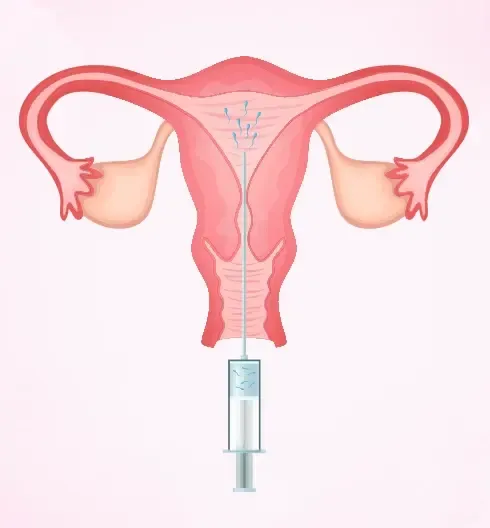
    illustration of a uterus with a syringe, representing intrauterine insemination procedure

    IUI vs Timed Intercourse: The Importance of Support and Communication During Fertility Treatment

    Aside from the medical differences, one crucial aspect that is often overlooked is the impact of support and communication during fertility treatment. Going through fertility treatment can be a stressful and emotional experience for couples, and having a strong support system is crucial. Whether it is from medical professionals, family, friends, or support groups, having a support system can provide emotional and mental strength during this challenging time.

    Communication between partners is also essential during fertility treatment. Both IUI and Timed Intercourse require a significant amount of time and effort, which can put a strain on the relationship. It is vital for couples to communicate openly and honestly about their feelings, concerns, and expectations throughout the treatment process. This can help alleviate any tension or misunderstandings that may arise and strengthen the bond between partners.

    Moreover, communication with the medical team is crucial during fertility treatment. Fertility specialists can provide valuable information and guidance throughout the process, and it is essential to ask questions and voice any concerns or doubts. They can also offer emotional support and help manage expectations, which can play a significant role in the overall success of the treatment.

    In addition to support and communication, self-care is also vital during fertility treatment. Going through multiple procedures and tests can be physically and emotionally draining for women. It is essential to prioritize self-care and take breaks when needed. This can include activities such as yoga, meditation, or spending time with loved ones. Taking care of one’s mental and emotional well-being is just as important as physical health during fertility treatment.

    In conclusion, both IUI and Timed Intercourse are viable options for couples struggling with infertility. While they have their differences in terms of medical intervention and success rates, the importance of support and communication cannot be emphasized enough during fertility treatment. Having a strong support system, open communication, and self-care can make a significant difference in the overall experience and success of the treatment. Remember, you are not alone in this journey, and with the right support and mindset, you can overcome the challenges and achieve your dream of starting a family.

    Summary:

    Intrauterine Insemination (IUI) and Timed Intercourse are two commonly used methods for fertility treatment. While both have the same goal of helping couples conceive, there are significant differences between the two. IUI requires medical assistance and has a higher success rate, while Timed Intercourse is less invasive and can be done at home. However, the importance of support and communication cannot be overlooked during fertility treatment. Having a strong support system, open communication, and self-care can make a significant difference in the overall experience and success of the treatment.
  • Breaking the Stigma: Discussing Intrauterine Insemination vs Timed Intercourse for Couples Struggling with Infertility

    Blog Post:

    Infertility is a deeply personal and emotional struggle for many couples. For those who are trying to conceive, it can feel like a constant uphill battle filled with disappointment, frustration, and heartache. However, with advancements in reproductive technology, there are now more options available to help couples overcome infertility and start a family. Two of the most commonly discussed treatments are intrauterine insemination (IUI) and timed intercourse. In this blog post, we will break down the stigma surrounding these treatments and discuss their effectiveness, pros and cons, and how they compare to each other.

    Breaking the Stigma: Understanding Infertility

    Before diving into the specifics of IUI and timed intercourse, it’s essential to first understand what infertility is and how it affects couples. Infertility is defined as the inability to conceive a child after one year of trying for couples under 35 years old and six months for couples over 35 years old. Infertility affects approximately 1 in 8 couples, and it can be caused by a variety of factors, including age, medical conditions, hormonal imbalances, and lifestyle choices.

    The emotional toll of infertility is often overlooked and underestimated. For couples struggling to conceive, it can lead to feelings of shame, guilt, and even depression. Many couples also face social stigma and pressure from family and friends, making their journey even more challenging. It’s essential to break the stigma surrounding infertility and create a safe and supportive space for couples to explore their options.

    Intrauterine Insemination (IUI)

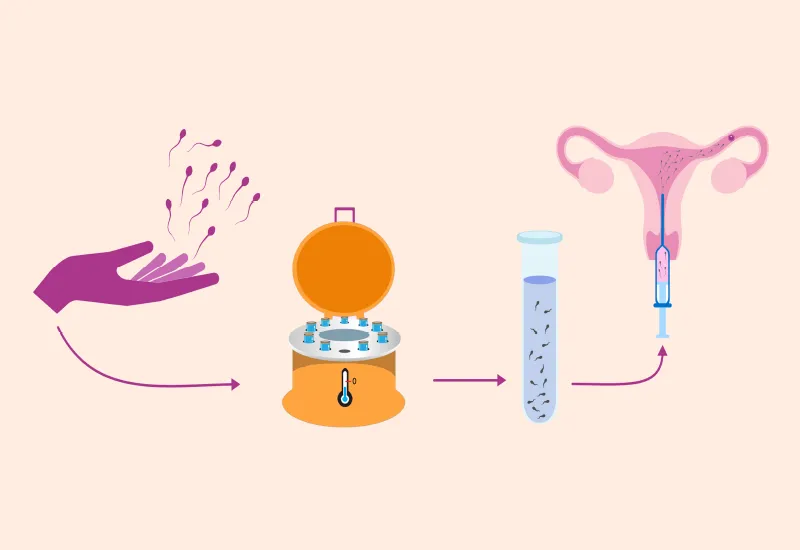
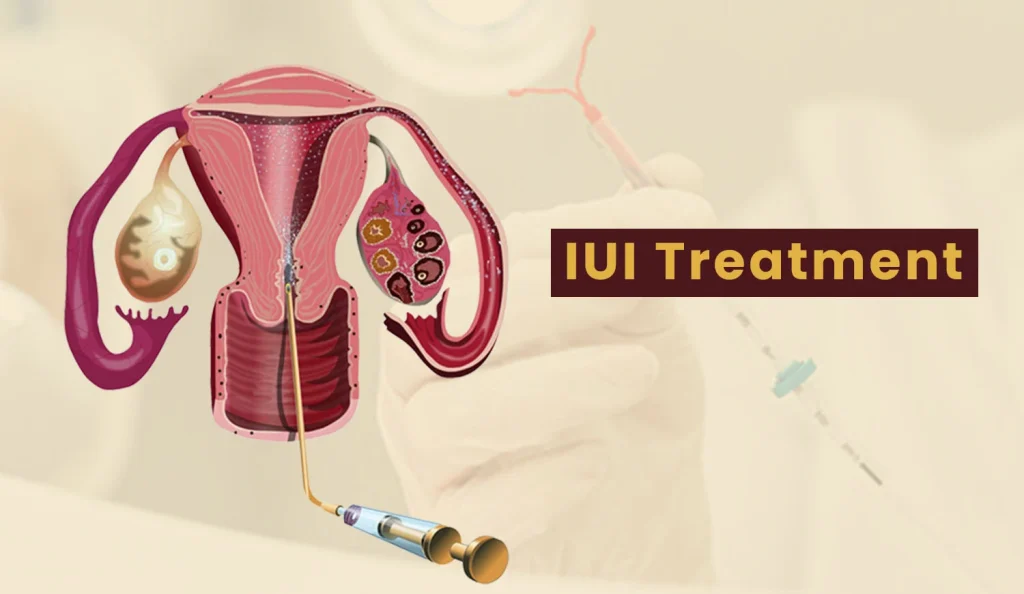
    Intrauterine insemination, also known as artificial insemination, is a fertility treatment that involves inserting sperm directly into a woman’s uterus. This procedure is typically used for couples with unexplained infertility, mild male factor infertility, or when the male partner has difficulty ejaculating. The process starts with the male partner providing a sperm sample, which is then washed and prepared in a laboratory to concentrate the healthiest sperm. The prepared sperm is then inserted into the uterus using a thin, flexible catheter.

    Effectiveness of IUI

    The success rate of IUI varies depending on several factors, including the woman’s age, cause of infertility, and the quality of the sperm used. On average, the success rate of IUI is 10-20% per cycle, and most couples will require multiple cycles to achieve pregnancy. However, when combined with fertility drugs, the success rate can increase up to 20-35% per cycle.

    Pros and Cons of IUI

    One of the main advantages of IUI is that it is a less invasive and more affordable option compared to other fertility treatments, such as in vitro fertilization (IVF). It also allows couples to use the male partner’s sperm, making it a more natural process. However, IUI may not be suitable for couples with severe male factor infertility or blocked fallopian tubes. It also does not address underlying fertility issues, such as endometriosis or low ovarian reserve, making it less effective in these cases.

    Timed Intercourse

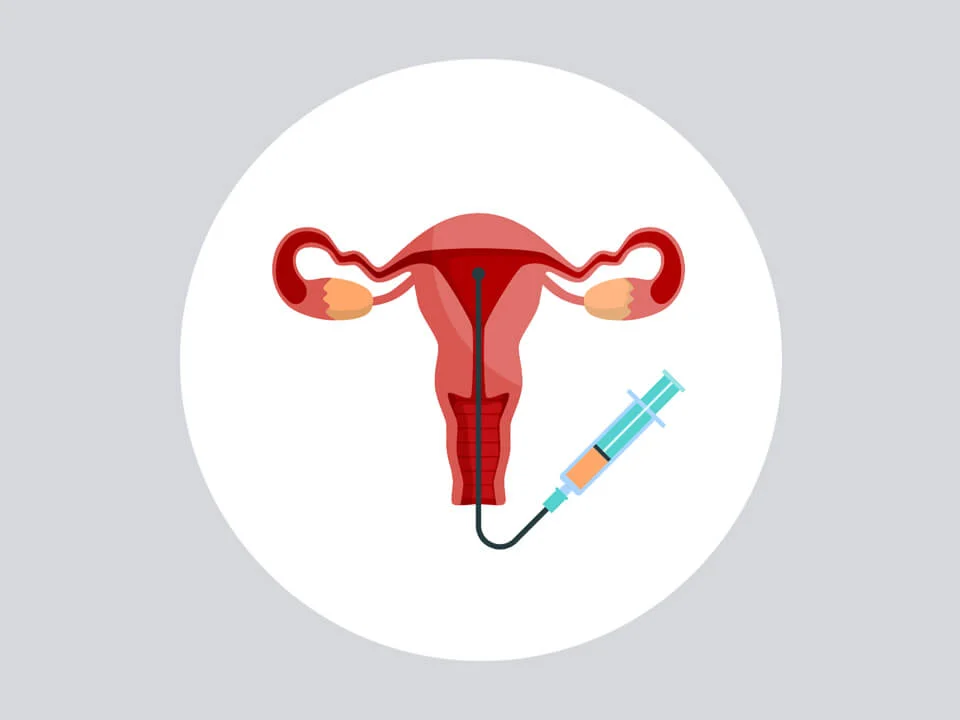
    illustration of the uterus and ovaries with a syringe, labeled "IUI Treatment" in the background

    Breaking the Stigma: Discussing Intrauterine Insemination vs Timed Intercourse for Couples Struggling with Infertility

    Timed intercourse, also known as the “natural” way of conceiving, involves having sex during a woman’s most fertile days to increase the chances of pregnancy. This method requires tracking ovulation through methods such as basal body temperature charting, ovulation predictor kits, and fertility tracking apps. The goal is to have sex during the woman’s fertile window, which is typically 2-3 days before and after ovulation.

    Effectiveness of Timed Intercourse

    The success rate of timed intercourse depends on several factors, including the woman’s age, frequency of intercourse, and the accuracy of tracking ovulation. On average, the chances of pregnancy with timed intercourse are around 15-25% per cycle. However, this method may not be as effective for couples with irregular ovulation or underlying fertility issues.

    Pros and Cons of Timed Intercourse

    One of the significant advantages of timed intercourse is that it is a natural and non-invasive method of conception. It also allows couples to have more control over the process and be more involved in their journey. However, it can be emotionally and physically taxing for couples to have sex on a schedule, especially if they have been trying to conceive for a long time. It also requires precise timing and tracking, which can be challenging and stressful for some couples.

    IUI vs. Timed Intercourse: Which is the Right Choice?

    When it comes to choosing between IUI and timed intercourse, there is no one-size-fits-all answer. Both methods have their advantages and disadvantages, and the right choice will depend on each couple’s unique situation. For couples with unexplained infertility or mild male factor infertility, IUI may be a suitable option. On the other hand, couples who prefer a more natural approach and have regular ovulation may opt for timed intercourse.

    It’s also essential to consider the emotional and financial factors when making a decision. While IUI may be more affordable, it may not be the best choice for couples with underlying fertility issues, which can add to the emotional toll of the process. On the other hand, timed intercourse may require more time, effort, and expense in tracking ovulation, but it may be a more comfortable and less invasive option for some couples.

    Breaking the Stigma: Seeking Support

    Whether couples choose IUI or timed intercourse, it’s crucial to seek support from their healthcare provider, loved ones, and support groups. Infertility can be a lonely and isolating experience, but having a strong support system can make a significant difference in coping with the challenges and finding the right treatment.

    It’s also essential to remember that infertility does not define a person or a couple. There are many alternative paths to parenthood, including adoption and surrogacy, and every journey is unique and valid.

    In summary, breaking the stigma surrounding infertility is crucial in creating a supportive and understanding environment for couples struggling to conceive. Both IUI and timed intercourse are viable options for couples, and the right choice will depend on each couple’s individual needs and circumstances. Seeking support and being open to alternative paths to parenthood can help couples navigate this emotional journey and eventually achieve their dream of starting a family.

  • The Role of Faith and Religion in Home Insemination and IVF for Same-Sex Couples

    Blog Post:

    For many same-sex couples, starting a family through traditional means, such as pregnancy, is not an option. However, thanks to advancements in technology and medical procedures, same-sex couples have more options than ever before to conceive a child. Two of the most popular methods for same-sex couples are home insemination and in vitro fertilization (IVF). Both of these methods require a great deal of faith and often involve the use of religion for support and guidance.

    Home insemination is the process of using a donor’s sperm to impregnate one partner in a same-sex couple. This can be done either through artificial insemination or self-insemination. In artificial insemination, the donor’s sperm is inserted into the uterus using a medical procedure. In self-insemination, the donor’s sperm is inserted into the vagina using a syringe or other device.

    IVF, on the other hand, involves retrieving eggs from one partner, fertilizing them with sperm from a donor, and then transferring the resulting embryo to the other partner’s uterus. This process can be done at a fertility clinic or at home with the help of a medical professional.

    No matter which method a same-sex couple chooses, the process can be emotionally and physically challenging. This is where faith and religion can play a crucial role in providing support and guidance.

    First and foremost, faith and religion can provide a sense of community and understanding for same-sex couples going through the process of home insemination or IVF. Many religious organizations have support groups or resources specifically for same-sex couples trying to conceive. These groups can offer a safe space for couples to share their experiences, ask for advice, and find comfort in knowing that they are not alone.

    In addition, faith and religion can also provide a sense of hope and positivity during what can be a stressful and uncertain time. For many same-sex couples, the desire to have a child is deeply rooted in their faith and beliefs. By turning to their religious beliefs and practices, they can find strength and solace in the belief that their journey to parenthood is part of a larger plan.

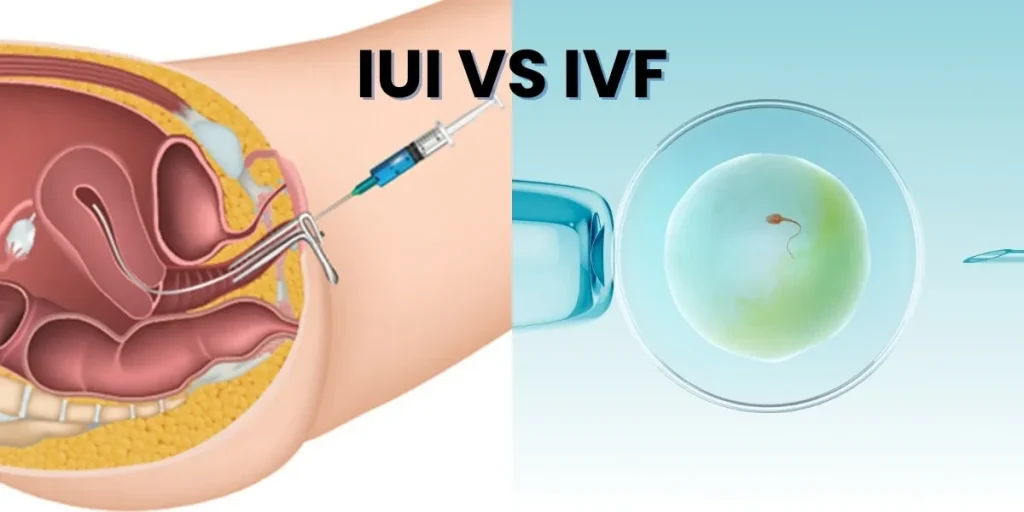
    Comparison of IUI and IVF, illustrating procedures and definitions for each fertility treatment.

    The Role of Faith and Religion in Home Insemination and IVF for Same-Sex Couples

    Moreover, faith-based counseling and therapy can be beneficial for same-sex couples going through home insemination or IVF. These services can help couples cope with the emotional and psychological effects of fertility treatments, as well as address any concerns or challenges specific to their religious beliefs.

    Religion can also play a role in the decision-making process for same-sex couples considering home insemination or IVF. Some religious beliefs may not align with the use of donor sperm or IVF, while others may view it as a way to fulfill the commandment to “be fruitful and multiply.” This can create a complex and personal decision for couples, and faith can help guide them in making the best choice for their family.

    In addition, some religions may have specific rituals or practices that can be incorporated into the home insemination or IVF process. For example, some couples may choose to have a blessing or prayer ceremony before or during the process, while others may incorporate religious symbols or objects into their fertility treatments.

    It is also worth noting that faith and religion can provide a sense of validation and acceptance for same-sex couples who may face discrimination or judgment from others when trying to have a child. By turning to their faith, couples can find comfort in the belief that their desire to have a family is not only accepted but also celebrated.

    However, it is important to acknowledge that not all same-sex couples may have a religious affiliation or may have negative experiences with religion and its views on same-sex relationships. In these cases, faith may not play as significant of a role in their journey to parenthood.

    In conclusion, faith and religion can play a crucial role in the process of home insemination and IVF for same-sex couples. From providing a sense of community and support to guiding decision-making and offering hope and positivity, faith and religion can be a valuable resource for couples on their journey to parenthood. It is up to each individual couple to determine the role that faith plays in their lives and how it can support them during this challenging but ultimately rewarding process.

    Summary:

    Same-sex couples who desire to have a child have more options than ever before, including home insemination and IVF. Both of these methods can be emotionally and physically challenging, and faith and religion can play a crucial role in providing support and guidance. Faith can offer a sense of community, hope, and positivity, as well as help with decision-making and provide validation and acceptance. However, it is important to acknowledge that not all same-sex couples may have a religious affiliation or may have negative experiences with religion. Ultimately, it is up to each couple to determine the role that faith plays in their journey to parenthood.

  • LGBTQ+ Representation in Home Insemination and IVF for Same-Sex Couples

    Blog Post:

    In recent years, there has been a significant increase in the number of same-sex couples seeking to start a family through alternative means such as home insemination and IVF. With society becoming more accepting and inclusive of the LGBTQ+ community, it is important to address and understand the unique challenges and representation that same-sex couples face in the process of starting a family. In this blog post, we will delve into the topic of LGBTQ+ representation in home insemination and IVF and explore its importance and impact on the community.

    The journey towards parenthood for same-sex couples is often filled with obstacles and discrimination, and this is especially true when it comes to fertility treatments. Traditional methods such as intercourse and pregnancy are not possible for same-sex couples, and the lack of representation and support in the medical field can make the process even more daunting. However, with advancements in technology and changes in societal attitudes, options such as home insemination and IVF have become more accessible and accepted for same-sex couples.

    Home insemination, also known as self-insemination, is a method where the sperm is collected and inserted into the uterus at home, without the need for medical intervention. This method is often used by lesbian couples who wish to conceive using a known donor or by gay couples who wish to have a biological child through surrogacy. While home insemination can be a more intimate and cost-effective option for same-sex couples, the lack of representation and resources can make it difficult to navigate the process.

    One of the main challenges faced by same-sex couples in home insemination is the lack of information and resources specifically catered to their needs. Most of the available information and resources are geared towards heterosexual couples, leaving same-sex couples feeling excluded and unsure of how to proceed with the process. This lack of representation can also lead to misunderstandings and misconceptions about the safety and legality of home insemination for same-sex couples.

    Moreover, there is also a lack of representation in the medical field when it comes to home insemination for same-sex couples. Many doctors and fertility clinics may not have experience or knowledge regarding the unique needs and concerns of same-sex couples in the process of home insemination. This can lead to a lack of support and understanding for these couples and may even result in discrimination or refusal of treatment.

    illustration of a uterus with a syringe, representing intrauterine insemination procedure

    LGBTQ+ Representation in Home Insemination and IVF for Same-Sex Couples

    In addition to home insemination, same-sex couples also face challenges in accessing IVF treatments. IVF, or in-vitro fertilization, is a process where the eggs and sperm are fertilized outside the body and then transferred to the uterus. This method is commonly used by lesbian couples who wish to have a biological child or by gay couples who wish to have a child through surrogacy. However, the high costs of IVF treatments and the lack of insurance coverage for same-sex couples can make it a difficult and financially burdensome option.

    Moreover, the representation and support for same-sex couples in IVF treatments are also lacking. Many fertility clinics may not have experience or knowledge in providing IVF treatments for same-sex couples, resulting in a lack of support and understanding for their unique needs. This can also lead to a lack of access to necessary medical procedures and treatments that are specific to the LGBTQ+ community, such as sperm washing to prevent the transmission of HIV.

    The lack of representation and resources for same-sex couples in home insemination and IVF not only makes the process more challenging and daunting but also perpetuates the discrimination and exclusion faced by the LGBTQ+ community. It is crucial to address and improve the representation and support for same-sex couples in the fertility industry, not only for their individual journeys towards parenthood but also for the overall inclusivity and acceptance of the LGBTQ+ community in society.

    Thankfully, there are organizations and initiatives that are actively working towards increasing representation and support for same-sex couples in home insemination and IVF. Some fertility clinics now specialize in LGBTQ+ family building and provide tailored services for same-sex couples. There are also online resources and support groups specifically for LGBTQ+ individuals and couples who are going through the process of starting a family.

    In conclusion, LGBTQ+ representation in home insemination and IVF is crucial for the community’s inclusivity and acceptance. The lack of representation and support in the fertility industry not only makes the process more challenging for same-sex couples but also perpetuates discrimination and exclusion. It is important for society to recognize and address these challenges and work towards creating a more inclusive and supportive environment for LGBTQ+ individuals and couples seeking to start a family.

    Summary:

    In recent years, there has been a rise in same-sex couples seeking alternative methods to start a family, such as home insemination and IVF. However, the lack of representation and resources in the fertility industry makes the process challenging for LGBTQ+ individuals and perpetuates discrimination and exclusion. This blog post explores the importance of LGBTQ+ representation in home insemination and IVF and highlights the challenges faced by same-sex couples. It also discusses the initiatives and resources available to support and empower LGBTQ+ individuals and couples on their journey towards parenthood.

  • Navigating the Emotional Journey of Fertility: Advice from Those Who Have Been There

    Fertility is a deeply personal and emotional journey for many individuals and couples. The desire to have a child and build a family can be all-consuming, and the challenges of fertility can be overwhelming. For those on this journey, it can feel like a rollercoaster of emotions, from hope and excitement to disappointment and despair. It’s a journey that can often be isolating and difficult to navigate alone.

    In this blog post, we will explore the emotional journey of fertility and offer advice from individuals who have been through it. These individuals have shared their experiences and wisdom to provide support and guidance for others on this journey. We hope that their stories and advice will help those struggling with fertility to feel less alone and more empowered to navigate their own emotional journey.

    The Overwhelming Desire to Have a Child

    For many people, the desire to have a child is an overwhelming and all-consuming feeling. It’s a natural instinct to want to build a family and pass on your genes and legacy. However, when faced with fertility challenges, this desire can become a source of great pain and frustration.

    One woman, who wishes to remain anonymous, shared her experience of this overwhelming desire, saying, “I always knew I wanted to be a mother, but when my husband and I started trying to conceive, it became an all-consuming desire. Every month, when my period arrived, it felt like a punch in the gut. I couldn’t understand why it wasn’t happening for us.”

    The emotional toll of this desire can be immense, and it’s essential to acknowledge and validate these feelings. It’s okay to feel frustrated, sad, and even angry about your fertility struggles. It’s a natural and valid response to a challenging situation.

    Advice from Those Who Have Been There

    So how can you cope with this overwhelming desire and the emotions that come with it? Those who have been through this journey have shared their advice and insights on how to navigate these difficult emotions.

    1. Find a Support System

    One of the most important pieces of advice from those who have been through fertility challenges is to find a support system. This can include your partner, family, friends, or even online support groups. Having people who understand and can empathize with your struggles can be incredibly comforting and validating.

    One woman, who struggled with infertility, shared her experience of finding support, saying, “It was so helpful to connect with other women who were going through similar struggles. We could share our experiences, offer each other support, and remind each other that we were not alone in this journey.”

    2. Take Care of Your Mental and Emotional Health

    illustration of the IUI process, showing sperm collection, preparation, and insertion into the uterus

    Navigating the Emotional Journey of Fertility: Advice from Those Who Have Been There

    The emotional toll of fertility challenges can be immense, and it’s crucial to prioritize your mental and emotional health. This can include therapy, self-care practices, and finding healthy coping mechanisms.

    One woman, who went through multiple rounds of fertility treatments, shared her experience, saying, “It was so important for me to take care of my mental health during this journey. I went to therapy, practiced mindfulness, and found healthy ways to cope with the stress and disappointment. It made a significant difference in my overall well-being.”

    3. Educate Yourself and Advocate for Yourself

    Another crucial piece of advice from those who have been through fertility challenges is to educate yourself about your options and advocate for yourself. It’s essential to be knowledgeable about the various fertility treatments and to ask questions and advocate for your needs during appointments.

    One woman, who went through IVF, shared her experience, saying, “I did a lot of research and asked a lot of questions during my fertility treatments. I wanted to make sure I understood all of my options and felt confident in the decisions I was making. It gave me a sense of control in a situation that often felt out of my control.”

    4. Be Kind to Yourself

    Fertility challenges can take a toll on your self-esteem and self-worth, but it’s crucial to be kind to yourself during this journey. Remind yourself that you are doing the best you can, and it’s not your fault if things don’t go as planned.

    One woman, who went through multiple miscarriages, shared her experience, saying, “It was challenging not to blame myself for my body’s inability to carry a pregnancy. But I had to remind myself that it wasn’t my fault and that I was doing everything I could. Being kind to myself was a crucial part of my emotional healing.”

    5. Remember That You Are Not Defined by Your Fertility

    Lastly, it’s essential to remember that your worth and identity are not defined by your ability to have a child. You are so much more than your fertility struggles, and it’s crucial to hold onto that perspective.

    One woman, who eventually chose to pursue other paths to parenthood, shared her experience, saying, “It took me a while to let go of the idea that I had to give birth to a child to be a mother. But once I did, I felt a sense of freedom and relief. I realized that my worth and identity were not tied to my fertility, and that allowed me to explore other paths to parenthood.”

    Summary:

    The emotional journey of fertility can be a rollercoaster of emotions, from hope and excitement to disappointment and despair. It’s a journey that can be isolating and challenging to navigate alone. However, there are ways to cope with and manage these emotions. The advice from those who have been through fertility challenges includes finding a support system, taking care of your mental and emotional health, educating yourself and advocating for yourself, being kind to yourself, and remembering that you are not defined by your fertility. By following this advice, those on the journey of fertility can feel less alone and more empowered to navigate their own emotional journey.

  • The Emotional Rollercoaster of Fertility Treatment: Coping Strategies

    Title: The Emotional Rollercoaster of Fertility Treatment: Coping Strategies

    Fertility treatment is often a long and difficult journey for couples who are struggling to conceive. It can bring a rollercoaster of emotions, from hope and excitement to disappointment and sadness. The physical and emotional toll of fertility treatment can be overwhelming, leaving couples feeling drained and exhausted. In this blog post, we will explore the emotional rollercoaster of fertility treatment and provide some coping strategies to help couples navigate this challenging journey.

    The Emotional Impact of Fertility Treatment:

    The journey of fertility treatment is often filled with a mix of emotions. For couples who have been trying to conceive for a long time, the news of infertility can be devastating. It can bring feelings of failure, inadequacy, and even guilt. The thought of not being able to have a child of their own can be heartbreaking for many couples.

    As couples begin fertility treatment, there is a sense of hope and excitement. They believe that this is the solution to their fertility struggles and that they will soon have a baby of their own. However, as the treatment progresses, there can also be feelings of anxiety and fear. The fear of failure, the fear of the unknown, and the fear of the financial burden can all add to the emotional rollercoaster.

    The constant ups and downs of emotions can take a toll on the mental health of couples. Many may experience depression, anxiety, and even anger throughout the process. It is important for couples to acknowledge and address these emotions in a healthy way to avoid feeling overwhelmed and burnt out.

    Coping Strategies for the Emotional Rollercoaster:

    1. Seek Support: Going through fertility treatment can feel isolating, but it is important to remember that you are not alone. Reach out to friends and family for support, or join a support group for couples going through similar experiences. Talking to others who understand what you are going through can provide a sense of comfort and validation.

    Illustration of a uterus with a syringe indicating an intrauterine insemination procedure.

    The Emotional Rollercoaster of Fertility Treatment: Coping Strategies

    2. Communicate with your Partner: It is crucial to maintain open and honest communication with your partner throughout the fertility treatment process. Share your feelings, fears, and hopes with each other. This will not only help strengthen your relationship but also provide a sense of understanding and support.

    3. Take Care of Yourself: It is easy to neglect self-care while going through fertility treatment, but it is crucial to prioritize your physical and emotional well-being. Make time for activities that bring you joy and relaxation, such as exercise, meditation, or spending time with loved ones. Taking care of yourself will help you cope with the emotional toll of fertility treatment.

    4. Educate Yourself: Knowledge is power, and educating yourself about the different stages of fertility treatment can help you feel more prepared and in control. Attend support groups, read books, or talk to your doctor to learn more about the process and what to expect. This can help alleviate some of the fear and anxiety you may be feeling.

    5. Practice Mindfulness: Mindfulness techniques, such as deep breathing or meditation, can help you stay present and calm during the emotional rollercoaster of fertility treatment. These practices can also help reduce stress and anxiety, allowing you to cope better with the ups and downs of the journey.

    6. Seek Professional Help: If you are struggling to cope with the emotional toll of fertility treatment, do not hesitate to seek professional help. A therapist or counselor can provide you with the support and guidance you need to navigate this challenging journey.

    Final Thoughts:

    Fertility treatment is a difficult and emotional journey, but it is important to remember that it is worth it in the end. While there will be ups and downs, it is crucial to find healthy ways to cope with the emotional rollercoaster. With the right support and coping strategies, couples can navigate through this challenging time and come out stronger on the other side.

    In summary, fertility treatment can bring a rollercoaster of emotions, from hope and excitement to disappointment and sadness. The constant ups and downs can take a toll on the mental health of couples, but there are coping strategies that can help. Seeking support, communicating with your partner, taking care of yourself, educating yourself, practicing mindfulness, and seeking professional help are all ways to cope with the emotional toll of fertility treatment. By acknowledging and addressing these emotions, couples can navigate through this journey and come out stronger on the other side.

  • Fertility and Mental Health: The Connection and How to Improve Both

    Blog Post:

    Fertility and mental health are two crucial aspects of overall well-being, yet they are often overlooked and not given the attention they deserve. In recent years, there has been increasing awareness about the connection between fertility and mental health, highlighting the importance of addressing both issues together. This blog post will explore the link between fertility and mental health, the impact of mental health on fertility, and how to improve and support both for better overall health and happiness.

    The Connection Between Fertility and Mental Health

    Fertility and mental health are intertwined in a complex relationship. Research has shown that individuals struggling with fertility issues are more likely to experience mental health problems such as anxiety, depression, and stress. On the other hand, individuals with pre-existing mental health conditions may also face challenges with fertility.

    One possible explanation for this connection is the impact of stress on reproductive hormones. When a person experiences chronic stress, their body produces high levels of the stress hormone cortisol, which can disrupt the balance of reproductive hormones and affect fertility. Additionally, stress can also lead to unhealthy coping mechanisms such as smoking, alcohol consumption, and poor diet, all of which can impact fertility.

    Moreover, the emotional toll of fertility struggles can also take a toll on mental health. The constant disappointment, uncertainty, and financial burden can lead to feelings of hopelessness, guilt, and low self-esteem. This can lead to a vicious cycle of negative thoughts and emotions, further impacting fertility.

    The Impact of Mental Health on Fertility

    As mentioned earlier, mental health can have a significant impact on fertility. Studies have shown that women with depression and anxiety are more likely to have irregular menstrual cycles and longer time to conceive. Similarly, men with mental health issues may experience lower sperm quality and quantity.

    Additionally, certain mental health conditions can also affect fertility treatments. For example, individuals with eating disorders may have irregular or absent menstrual cycles, making it difficult to track ovulation and time fertility treatments. Similarly, individuals with substance abuse disorders may have difficulty following through with fertility treatments and may have lower success rates.

    Illustration of a uterus with a syringe, representing intrauterine insemination (IUI) procedure.

    Fertility and Mental Health: The Connection and How to Improve Both

    Improving Mental Health for Better Fertility

    The first step in improving fertility and mental health is seeking help and support. It is essential to recognize the signs and symptoms of mental health issues and seek professional help when needed. A therapist can help individuals cope with the emotional toll of fertility struggles and develop healthy coping mechanisms. Additionally, couples struggling with fertility can also benefit from couples therapy to improve communication and support each other through the process.

    In addition to seeking professional help, there are also several self-care practices that can improve mental health and, in turn, fertility. These include regular exercise, a healthy diet, and stress management techniques such as meditation, yoga, or journaling. It is also crucial to maintain a strong support system of friends and family who can provide emotional support and understanding.

    Supporting Fertility for Better Mental Health

    On the other hand, supporting fertility can also have a positive impact on mental health. The journey of trying to conceive can be emotionally and physically draining, so it is crucial to prioritize self-care and take breaks when needed. Taking time to rest and recharge can help reduce stress and improve overall well-being.

    Additionally, it is crucial to have open and honest communication with your partner throughout the fertility process. This can help alleviate feelings of isolation and strengthen the relationship. Seeking support from others who have gone through similar experiences, whether through support groups or online communities, can also provide comfort and understanding.

    Conclusion

    Fertility and mental health are two important aspects of overall health that are deeply connected. Struggling with fertility can take a toll on mental health, and pre-existing mental health conditions can impact fertility. Therefore, it is crucial to address both issues together and seek support when needed. By prioritizing self-care, seeking professional help, and maintaining open communication, it is possible to improve both fertility and mental health for a happier and healthier life.

    Summary:

    Fertility and mental health are closely linked, with individuals struggling with fertility issues being more likely to experience mental health problems, and those with pre-existing mental health conditions having challenges with fertility. This connection can be attributed to the impact of stress on reproductive hormones and the emotional toll of fertility struggles. Mental health can also affect fertility, with conditions such as depression and anxiety impacting the ability to conceive and complete fertility treatments. To improve both fertility and mental health, it is essential to seek support, practice self-care, and maintain open communication with partners and loved ones.

  • The Emotional Journey: Intrauterine Insemination vs In Vitro Fertilization

    The Emotional Journey: Intrauterine Insemination vs In Vitro Fertilization

    For many couples struggling with infertility, the journey to starting a family can be an emotional rollercoaster. The process of trying to conceive can be filled with hope, disappointment, and uncertainty. In cases where traditional methods of conception are not working, many couples turn to assisted reproductive technologies (ART) such as intrauterine insemination (IUI) and in vitro fertilization (IVF). Both IUI and IVF are popular options for couples who are having difficulty conceiving, but they have distinct differences in terms of process, success rates, and emotional impact. In this blog post, we will explore the emotional journey of IUI versus IVF and provide insights for couples who are considering these options.

    Understanding IUI and IVF

    Intrauterine insemination, also known as artificial insemination, is a relatively simple and non-invasive procedure where sperm is placed directly into the uterus during a woman’s ovulation period. This increases the chances of fertilization by bringing the sperm closer to the egg. IUI is often recommended for couples with unexplained infertility, minor sperm abnormalities, or when the male partner has difficulty with ejaculation.

    On the other hand, in vitro fertilization involves a more complex process. It begins with a woman undergoing hormonal stimulation to produce multiple eggs, which are then retrieved and fertilized with sperm in a laboratory. The resulting embryos are then transferred into the woman’s uterus, with the hopes of implantation and successful pregnancy. IVF is typically recommended for couples with more significant fertility issues, such as blocked fallopian tubes, severe male factor infertility, or advanced maternal age.

    The Emotional Impact of IUI

    For many couples, IUI can be a hopeful and exciting first step towards starting a family. The procedure is relatively quick and straightforward, and there is a sense of control and agency in the process. However, as with any fertility treatment, there are potential ups and downs that can affect a couple’s emotional state.

    The initial stages of IUI, such as monitoring ovulation and taking fertility drugs, can bring hope and anticipation. However, during the actual procedure, there can be feelings of discomfort and vulnerability. Many couples also experience anxiety and stress during the two-week wait, the time between the IUI and finding out if it was successful. This waiting period can be mentally and emotionally taxing, as couples often analyze every symptom and worry about the outcome.

    If the IUI is unsuccessful, there can be a sense of disappointment, and for some, a feeling of failure. This can be particularly challenging for couples who have invested time, money, and emotional energy into the process. It is essential for couples to communicate openly and seek support from each other and their healthcare team during this time.

    The Emotional Impact of IVF

    IVF involves a more invasive and intensive process, and the emotional impact can be more significant compared to IUI. The physical and emotional toll of hormonal stimulation, egg retrieval, and embryo transfer can be exhausting and overwhelming. The uncertainty of the outcome and the financial strain of IVF can also add to the emotional stress.

    comparison of IUI and IVF fertility treatments with illustrations of procedures and a petri dish with an egg and sperm

    The Emotional Journey: Intrauterine Insemination vs In Vitro Fertilization

    The emotional journey of IVF often starts with excitement and hope, as couples prepare for the procedure and anticipate the possibility of a successful pregnancy. However, as the process goes on, there can be feelings of isolation, frustration, and disappointment. The physical discomfort and side effects of the hormones can also take a toll on a woman’s emotional well-being.

    The two-week wait after the embryo transfer can be filled with anxiety and fear of the unknown. Many couples struggle with the idea of putting all their hopes and dreams into this one chance, and the fear of a negative result can be overwhelming. If the IVF cycle is unsuccessful, there can be a deep sense of grief and loss. Couples may feel a sense of emptiness and struggle to come to terms with the outcome.

    Coping Strategies for the Emotional Journey

    No matter which fertility treatment a couple chooses, the emotional journey can be challenging. It is essential to have coping strategies in place to help navigate the ups and downs of the process. Here are some tips for managing the emotional impact of IUI and IVF:

    1. Communicate openly and honestly with your partner. It is essential to have open and honest communication throughout the process. Share your feelings, fears, and thoughts with each other to help support one another.

    2. Seek support from friends, family, or a support group. It can be helpful to talk to others who have gone through or are going through a similar experience. A support group can provide a safe space to share and receive support from others who understand.

    3. Take care of your emotional well-being. It is crucial to prioritize self-care during this time. Practice stress-relieving activities such as meditation, yoga, or journaling. Seek counseling or therapy if needed.

    4. Educate yourself about the process. Having a better understanding of the procedures, success rates, and potential challenges can help alleviate some of the anxiety and fear.

    5. Set realistic expectations. It is essential to acknowledge that fertility treatments do not have a 100% success rate. Setting realistic expectations can help manage disappointment and reduce the emotional impact of a negative outcome.

    Summary

    The emotional journey of IUI and IVF can be a challenging and emotional experience for couples struggling with infertility. While both procedures have their unique emotional impacts, it is important for couples to communicate openly, seek support, practice self-care, and set realistic expectations. With the right mindset and coping strategies in place, couples can navigate the emotional ups and downs of fertility treatments and come out stronger together.

  • Exploring the Emotional Bond in Traditional and Gestational Surrogacy

    Exploring the Emotional Bond in Traditional and Gestational Surrogacy

    Surrogacy is a method of assisted reproduction in which a woman carries and gives birth to a baby for another couple or individual. There are two types of surrogacy – traditional surrogacy and gestational surrogacy. In traditional surrogacy, the surrogate mother is the biological mother of the child as her own egg is used in the process. On the other hand, gestational surrogacy involves the use of IVF technology, where the embryo is created using the intended parents’ egg and sperm, or through the use of a donor egg or sperm. While both types of surrogacy can help people achieve their dream of having a child, they also involve unique emotional bonds between the surrogate and the intended parents. In this blog post, we will explore the emotional bond in traditional and gestational surrogacy and how it affects all parties involved.

    Traditional Surrogacy and Emotional Bond

    In traditional surrogacy, the surrogate mother is genetically related to the child she carries. This can create a strong emotional bond between the surrogate and the child, as well as the intended parents. The traditional surrogacy process involves artificial insemination, where the surrogate mother’s egg is fertilized with the intended father’s sperm. This intimate involvement in the conception of the child can lead to a deep connection between the surrogate and the child, similar to that of a biological mother and child.

    The emotional bond in traditional surrogacy can also be strengthened by the surrogate’s physical and emotional connection to the pregnancy. As the child grows inside her, the surrogate may feel a strong sense of responsibility and love for the baby. This can result in a unique and special bond between the surrogate and the child, making the idea of giving the baby to the intended parents after birth a difficult decision.

    On the other hand, the intended parents may also develop a strong emotional bond with the surrogate mother. They may feel immense gratitude and appreciation towards her for carrying their child, and may also view her as an important part of their family. This bond can be further strengthened through regular communication and involvement in the pregnancy, such as attending doctor’s appointments and ultrasounds.

    Gestational Surrogacy and Emotional Bond

    In gestational surrogacy, the surrogate mother has no genetic connection to the child as the embryo is created using the intended parents’ egg and sperm or through the use of a donor. This can make it easier for the surrogate to separate herself emotionally from the pregnancy and the child. However, this does not mean that there is no emotional bond between the surrogate and the child.

    The gestational surrogacy process involves a detailed legal agreement between the surrogate and the intended parents, outlining the expectations and responsibilities of both parties. This can help establish boundaries and clarify the emotional connection between the surrogate and the child. However, it is not uncommon for the surrogate to feel some emotional attachment to the baby she carries, especially if she has been involved in the pregnancy for a long time.

    The intended parents in gestational surrogacy may also develop a strong emotional bond with the surrogate mother. They may see her as a selfless and generous woman who is helping them fulfill their dream of having a child. The intended parents may also feel a sense of responsibility towards the surrogate, as she is carrying their child and taking care of herself for the sake of their baby.

    Illustration of a uterus with a syringe indicating an intrauterine insemination procedure.

    Exploring the Emotional Bond in Traditional and Gestational Surrogacy

    The Role of Communication in Building Emotional Bonds

    In both types of surrogacy, communication plays a crucial role in building and maintaining the emotional bond between all parties involved. Open and honest communication between the surrogate and the intended parents can help establish boundaries, clarify expectations, and address any concerns or issues that may arise during the surrogacy journey.

    Regular communication between the surrogate and the intended parents can also help build a sense of trust and understanding, leading to a stronger emotional connection. This can involve sharing updates and milestones throughout the pregnancy, as well as discussing any emotional challenges or changes that may occur.

    Challenges in the Emotional Bond

    While surrogacy can bring immense joy and fulfillment to all parties involved, it is not without its challenges. The emotional bond between the surrogate and the intended parents can sometimes lead to conflicting emotions and difficult decisions. For example, the surrogate may struggle with the idea of giving up the baby she has carried for nine months, while the intended parents may experience feelings of guilt or anxiety about not being able to carry their own child.

    It is important for all parties to acknowledge and address these challenges, and seek support and guidance when needed. This can include seeking professional counseling or joining support groups specifically for surrogacy. With open communication and a strong support system, the emotional bond in surrogacy can be a positive and rewarding experience for everyone involved.

    In Conclusion

    Surrogacy is a complex and emotional journey, and the emotional bond between the surrogate and the intended parents is a crucial aspect of the process. Whether it is traditional or gestational surrogacy, the emotional bond can be a source of joy, but also bring challenges and difficult decisions. However, with open communication, trust, and support, this bond can ultimately lead to a positive and fulfilling surrogacy journey for all involved.

    Summary:

    Surrogacy involves a woman carrying and giving birth to a baby for another couple or individual. There are two types of surrogacy – traditional and gestational. In traditional surrogacy, the surrogate is genetically related to the child, leading to a strong emotional bond between the surrogate, the child, and the intended parents. In gestational surrogacy, the surrogate has no genetic connection to the child, but can still develop an emotional bond. Communication plays a crucial role in building and maintaining the emotional bond between all parties involved, but there can also be challenges and difficult decisions along the way. With open communication and support, the emotional bond in surrogacy can be a positive and fulfilling experience.

  • The Importance of Support: Traditional vs. Gestational Surrogacy

    Support is a crucial aspect of any surrogacy journey, whether it is through traditional or gestational surrogacy. While both types of surrogacy may have their own unique processes and benefits, the need for support remains constant. In this blog post, we will explore the importance of support in both traditional and gestational surrogacy and how it can impact the overall experience.

    Traditional surrogacy involves the surrogate mother using her own egg to conceive the child, while gestational surrogacy involves the use of in vitro fertilization (IVF) to transfer a fertilized embryo into the surrogate’s uterus. Both processes have their own set of challenges and can be emotionally, physically, and mentally taxing for all parties involved. This is where support plays a crucial role.

    Emotional Support
    One of the biggest challenges in any surrogacy journey is the emotional toll it can take on the surrogate and intended parents. For traditional surrogacy, the surrogate mother may have a difficult time separating herself from the emotional attachment she may develop with the child she is carrying. On the other hand, gestational surrogacy can also bring about emotional challenges as the intended parents may feel disconnected from the pregnancy and the baby until birth. This is where a support system can provide comfort and understanding, helping to alleviate any feelings of guilt or anxiety.

    Support can come in many forms, whether it is through a therapist, support group, or even a close friend or family member. Having someone to confide in and share the ups and downs of the surrogacy journey can make a world of difference for both the surrogate and intended parents.

    Physical Support
    The physical toll of surrogacy should not be underestimated. For traditional surrogates, the pregnancy and childbirth process can be physically demanding, especially if they have not experienced a pregnancy before. Gestational surrogates may also experience physical challenges as they undergo IVF treatments and hormone injections.

    Having a support system in place can make the physical demands of surrogacy more manageable. This can include help with household chores, childcare, or even just someone to accompany the surrogate to doctor’s appointments or provide transportation. With the physical strain of surrogacy reduced, the surrogate can focus on the well-being of the baby and her own health.

    Illustration of a uterus with a syringe indicating an intrauterine insemination procedure.

    The Importance of Support: Traditional vs. Gestational Surrogacy

    Mental Support
    The mental well-being of both the surrogate and intended parents is just as important as their physical health. Surrogacy can bring about a range of emotions, from excitement and joy to fear and anxiety. Having a support system that understands the complexities of surrogacy can help alleviate any stress or worries.

    In traditional surrogacy, the surrogate may need mental support as she deals with the emotional weight of carrying a child that is genetically related to her. For gestational surrogates, the intended parents may also need support as they navigate the complexities of the surrogacy process and prepare for the arrival of their baby.

    Legal Support
    In both traditional and gestational surrogacy, there are legal considerations that must be addressed. Having a knowledgeable and supportive legal team can make all the difference in ensuring a smooth and successful surrogacy journey. They can provide guidance on the legal aspects of the process, including contracts, parental rights, and potential issues that may arise.

    Additionally, a supportive legal team can help alleviate any fears or concerns about the legal process, allowing the surrogate and intended parents to focus on the more important aspects of their journey.

    The Power of Support in Surrogacy
    While surrogacy can be a beautiful and life-changing experience, it is not without its challenges. The importance of support cannot be overstated in helping surrogates and intended parents navigate these challenges and provide a positive and nurturing environment for the baby.

    A strong support system can make the surrogacy journey more manageable and ultimately lead to a successful and fulfilling experience. Whether it is through emotional, physical, mental, or legal support, having a knowledgeable and understanding support system can make all the difference in the world.

    In summary, support is a crucial aspect of both traditional and gestational surrogacy. It can provide emotional, physical, mental, and legal support to surrogates and intended parents, helping them navigate the challenges of the surrogacy journey and create a positive and nurturing environment for the baby.