Exploring the Emotional Bond in Traditional and Gestational Surrogacy
Surrogacy is a method of assisted reproduction in which a woman carries and gives birth to a baby for another couple or individual. There are two types of surrogacy – traditional surrogacy and gestational surrogacy. In traditional surrogacy, the surrogate mother is the biological mother of the child as her own egg is used in the process. On the other hand, gestational surrogacy involves the use of IVF technology, where the embryo is created using the intended parents’ egg and sperm, or through the use of a donor egg or sperm. While both types of surrogacy can help people achieve their dream of having a child, they also involve unique emotional bonds between the surrogate and the intended parents. In this blog post, we will explore the emotional bond in traditional and gestational surrogacy and how it affects all parties involved.
Traditional Surrogacy and Emotional Bond
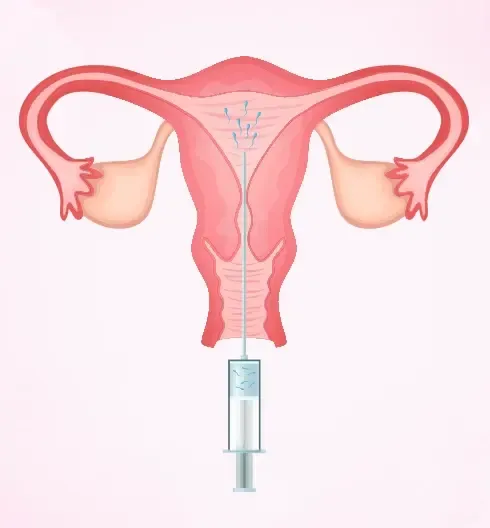
In traditional surrogacy, the surrogate mother is genetically related to the child she carries. This can create a strong emotional bond between the surrogate and the child, as well as the intended parents. The traditional surrogacy process involves artificial insemination, where the surrogate mother’s egg is fertilized with the intended father’s sperm. This intimate involvement in the conception of the child can lead to a deep connection between the surrogate and the child, similar to that of a biological mother and child.
The emotional bond in traditional surrogacy can also be strengthened by the surrogate’s physical and emotional connection to the pregnancy. As the child grows inside her, the surrogate may feel a strong sense of responsibility and love for the baby. This can result in a unique and special bond between the surrogate and the child, making the idea of giving the baby to the intended parents after birth a difficult decision.
On the other hand, the intended parents may also develop a strong emotional bond with the surrogate mother. They may feel immense gratitude and appreciation towards her for carrying their child, and may also view her as an important part of their family. This bond can be further strengthened through regular communication and involvement in the pregnancy, such as attending doctor’s appointments and ultrasounds.
Gestational Surrogacy and Emotional Bond
In gestational surrogacy, the surrogate mother has no genetic connection to the child as the embryo is created using the intended parents’ egg and sperm or through the use of a donor. This can make it easier for the surrogate to separate herself emotionally from the pregnancy and the child. However, this does not mean that there is no emotional bond between the surrogate and the child.
The gestational surrogacy process involves a detailed legal agreement between the surrogate and the intended parents, outlining the expectations and responsibilities of both parties. This can help establish boundaries and clarify the emotional connection between the surrogate and the child. However, it is not uncommon for the surrogate to feel some emotional attachment to the baby she carries, especially if she has been involved in the pregnancy for a long time.
The intended parents in gestational surrogacy may also develop a strong emotional bond with the surrogate mother. They may see her as a selfless and generous woman who is helping them fulfill their dream of having a child. The intended parents may also feel a sense of responsibility towards the surrogate, as she is carrying their child and taking care of herself for the sake of their baby.
Exploring the Emotional Bond in Traditional and Gestational Surrogacy
The Role of Communication in Building Emotional Bonds
In both types of surrogacy, communication plays a crucial role in building and maintaining the emotional bond between all parties involved. Open and honest communication between the surrogate and the intended parents can help establish boundaries, clarify expectations, and address any concerns or issues that may arise during the surrogacy journey.
Regular communication between the surrogate and the intended parents can also help build a sense of trust and understanding, leading to a stronger emotional connection. This can involve sharing updates and milestones throughout the pregnancy, as well as discussing any emotional challenges or changes that may occur.
Challenges in the Emotional Bond
While surrogacy can bring immense joy and fulfillment to all parties involved, it is not without its challenges. The emotional bond between the surrogate and the intended parents can sometimes lead to conflicting emotions and difficult decisions. For example, the surrogate may struggle with the idea of giving up the baby she has carried for nine months, while the intended parents may experience feelings of guilt or anxiety about not being able to carry their own child.
It is important for all parties to acknowledge and address these challenges, and seek support and guidance when needed. This can include seeking professional counseling or joining support groups specifically for surrogacy. With open communication and a strong support system, the emotional bond in surrogacy can be a positive and rewarding experience for everyone involved.
In Conclusion
Surrogacy is a complex and emotional journey, and the emotional bond between the surrogate and the intended parents is a crucial aspect of the process. Whether it is traditional or gestational surrogacy, the emotional bond can be a source of joy, but also bring challenges and difficult decisions. However, with open communication, trust, and support, this bond can ultimately lead to a positive and fulfilling surrogacy journey for all involved.
Summary:
Surrogacy involves a woman carrying and giving birth to a baby for another couple or individual. There are two types of surrogacy – traditional and gestational. In traditional surrogacy, the surrogate is genetically related to the child, leading to a strong emotional bond between the surrogate, the child, and the intended parents. In gestational surrogacy, the surrogate has no genetic connection to the child, but can still develop an emotional bond. Communication plays a crucial role in building and maintaining the emotional bond between all parties involved, but there can also be challenges and difficult decisions along the way. With open communication and support, the emotional bond in surrogacy can be a positive and fulfilling experience.