The Emotional Journey: Intrauterine Insemination vs In Vitro Fertilization
For many couples struggling with infertility, the journey to starting a family can be an emotional rollercoaster. The process of trying to conceive can be filled with hope, disappointment, and uncertainty. In cases where traditional methods of conception are not working, many couples turn to assisted reproductive technologies (ART) such as intrauterine insemination (IUI) and in vitro fertilization (IVF). Both IUI and IVF are popular options for couples who are having difficulty conceiving, but they have distinct differences in terms of process, success rates, and emotional impact. In this blog post, we will explore the emotional journey of IUI versus IVF and provide insights for couples who are considering these options.
Understanding IUI and IVF
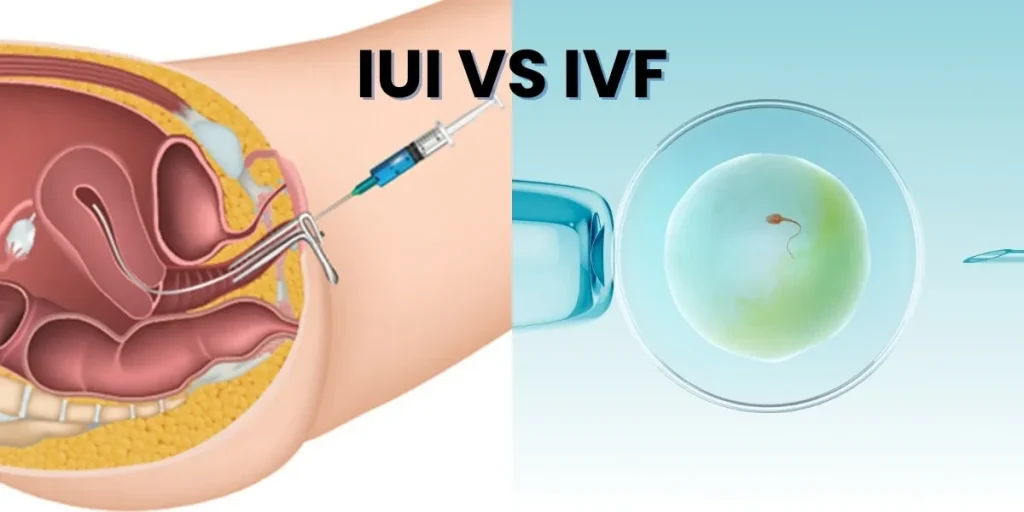
Intrauterine insemination, also known as artificial insemination, is a relatively simple and non-invasive procedure where sperm is placed directly into the uterus during a woman’s ovulation period. This increases the chances of fertilization by bringing the sperm closer to the egg. IUI is often recommended for couples with unexplained infertility, minor sperm abnormalities, or when the male partner has difficulty with ejaculation.
On the other hand, in vitro fertilization involves a more complex process. It begins with a woman undergoing hormonal stimulation to produce multiple eggs, which are then retrieved and fertilized with sperm in a laboratory. The resulting embryos are then transferred into the woman’s uterus, with the hopes of implantation and successful pregnancy. IVF is typically recommended for couples with more significant fertility issues, such as blocked fallopian tubes, severe male factor infertility, or advanced maternal age.
The Emotional Impact of IUI
For many couples, IUI can be a hopeful and exciting first step towards starting a family. The procedure is relatively quick and straightforward, and there is a sense of control and agency in the process. However, as with any fertility treatment, there are potential ups and downs that can affect a couple’s emotional state.
The initial stages of IUI, such as monitoring ovulation and taking fertility drugs, can bring hope and anticipation. However, during the actual procedure, there can be feelings of discomfort and vulnerability. Many couples also experience anxiety and stress during the two-week wait, the time between the IUI and finding out if it was successful. This waiting period can be mentally and emotionally taxing, as couples often analyze every symptom and worry about the outcome.
If the IUI is unsuccessful, there can be a sense of disappointment, and for some, a feeling of failure. This can be particularly challenging for couples who have invested time, money, and emotional energy into the process. It is essential for couples to communicate openly and seek support from each other and their healthcare team during this time.
The Emotional Impact of IVF
IVF involves a more invasive and intensive process, and the emotional impact can be more significant compared to IUI. The physical and emotional toll of hormonal stimulation, egg retrieval, and embryo transfer can be exhausting and overwhelming. The uncertainty of the outcome and the financial strain of IVF can also add to the emotional stress.
The Emotional Journey: Intrauterine Insemination vs In Vitro Fertilization
The emotional journey of IVF often starts with excitement and hope, as couples prepare for the procedure and anticipate the possibility of a successful pregnancy. However, as the process goes on, there can be feelings of isolation, frustration, and disappointment. The physical discomfort and side effects of the hormones can also take a toll on a woman’s emotional well-being.
The two-week wait after the embryo transfer can be filled with anxiety and fear of the unknown. Many couples struggle with the idea of putting all their hopes and dreams into this one chance, and the fear of a negative result can be overwhelming. If the IVF cycle is unsuccessful, there can be a deep sense of grief and loss. Couples may feel a sense of emptiness and struggle to come to terms with the outcome.
Coping Strategies for the Emotional Journey
No matter which fertility treatment a couple chooses, the emotional journey can be challenging. It is essential to have coping strategies in place to help navigate the ups and downs of the process. Here are some tips for managing the emotional impact of IUI and IVF:
1. Communicate openly and honestly with your partner. It is essential to have open and honest communication throughout the process. Share your feelings, fears, and thoughts with each other to help support one another.
2. Seek support from friends, family, or a support group. It can be helpful to talk to others who have gone through or are going through a similar experience. A support group can provide a safe space to share and receive support from others who understand.
3. Take care of your emotional well-being. It is crucial to prioritize self-care during this time. Practice stress-relieving activities such as meditation, yoga, or journaling. Seek counseling or therapy if needed.
4. Educate yourself about the process. Having a better understanding of the procedures, success rates, and potential challenges can help alleviate some of the anxiety and fear.
5. Set realistic expectations. It is essential to acknowledge that fertility treatments do not have a 100% success rate. Setting realistic expectations can help manage disappointment and reduce the emotional impact of a negative outcome.
Summary
The emotional journey of IUI and IVF can be a challenging and emotional experience for couples struggling with infertility. While both procedures have their unique emotional impacts, it is important for couples to communicate openly, seek support, practice self-care, and set realistic expectations. With the right mindset and coping strategies in place, couples can navigate the emotional ups and downs of fertility treatments and come out stronger together.