Blog Post:
Fertility and mental health are two crucial aspects of overall well-being, yet they are often overlooked and not given the attention they deserve. In recent years, there has been increasing awareness about the connection between fertility and mental health, highlighting the importance of addressing both issues together. This blog post will explore the link between fertility and mental health, the impact of mental health on fertility, and how to improve and support both for better overall health and happiness.
The Connection Between Fertility and Mental Health
Fertility and mental health are intertwined in a complex relationship. Research has shown that individuals struggling with fertility issues are more likely to experience mental health problems such as anxiety, depression, and stress. On the other hand, individuals with pre-existing mental health conditions may also face challenges with fertility.
One possible explanation for this connection is the impact of stress on reproductive hormones. When a person experiences chronic stress, their body produces high levels of the stress hormone cortisol, which can disrupt the balance of reproductive hormones and affect fertility. Additionally, stress can also lead to unhealthy coping mechanisms such as smoking, alcohol consumption, and poor diet, all of which can impact fertility.
Moreover, the emotional toll of fertility struggles can also take a toll on mental health. The constant disappointment, uncertainty, and financial burden can lead to feelings of hopelessness, guilt, and low self-esteem. This can lead to a vicious cycle of negative thoughts and emotions, further impacting fertility.
The Impact of Mental Health on Fertility
As mentioned earlier, mental health can have a significant impact on fertility. Studies have shown that women with depression and anxiety are more likely to have irregular menstrual cycles and longer time to conceive. Similarly, men with mental health issues may experience lower sperm quality and quantity.
Additionally, certain mental health conditions can also affect fertility treatments. For example, individuals with eating disorders may have irregular or absent menstrual cycles, making it difficult to track ovulation and time fertility treatments. Similarly, individuals with substance abuse disorders may have difficulty following through with fertility treatments and may have lower success rates.
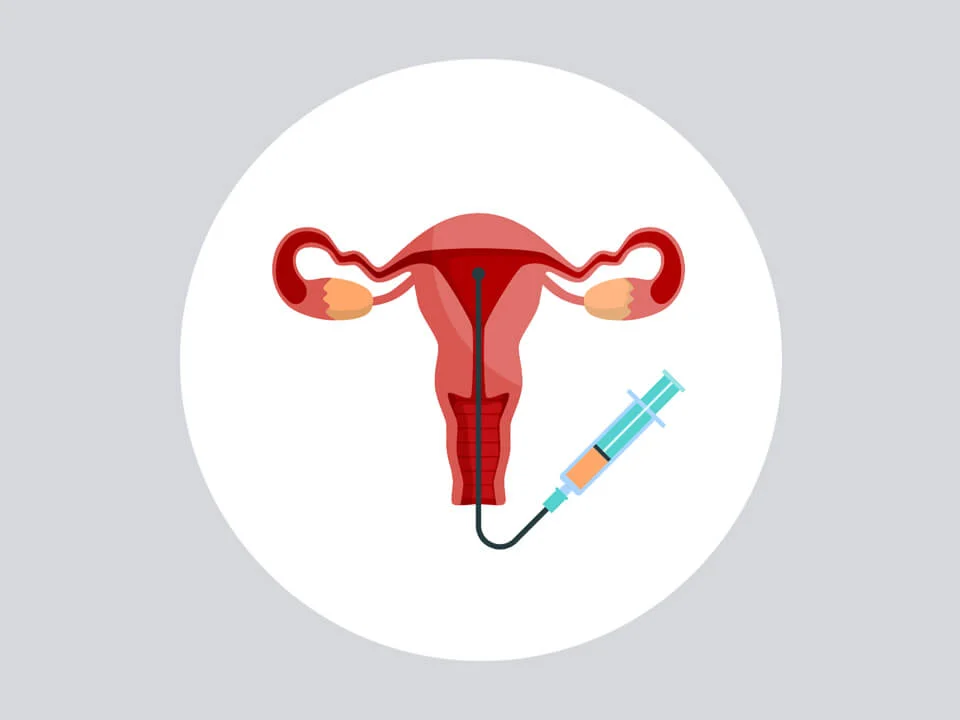
Fertility and Mental Health: The Connection and How to Improve Both
Improving Mental Health for Better Fertility
The first step in improving fertility and mental health is seeking help and support. It is essential to recognize the signs and symptoms of mental health issues and seek professional help when needed. A therapist can help individuals cope with the emotional toll of fertility struggles and develop healthy coping mechanisms. Additionally, couples struggling with fertility can also benefit from couples therapy to improve communication and support each other through the process.
In addition to seeking professional help, there are also several self-care practices that can improve mental health and, in turn, fertility. These include regular exercise, a healthy diet, and stress management techniques such as meditation, yoga, or journaling. It is also crucial to maintain a strong support system of friends and family who can provide emotional support and understanding.
Supporting Fertility for Better Mental Health
On the other hand, supporting fertility can also have a positive impact on mental health. The journey of trying to conceive can be emotionally and physically draining, so it is crucial to prioritize self-care and take breaks when needed. Taking time to rest and recharge can help reduce stress and improve overall well-being.
Additionally, it is crucial to have open and honest communication with your partner throughout the fertility process. This can help alleviate feelings of isolation and strengthen the relationship. Seeking support from others who have gone through similar experiences, whether through support groups or online communities, can also provide comfort and understanding.
Conclusion
Fertility and mental health are two important aspects of overall health that are deeply connected. Struggling with fertility can take a toll on mental health, and pre-existing mental health conditions can impact fertility. Therefore, it is crucial to address both issues together and seek support when needed. By prioritizing self-care, seeking professional help, and maintaining open communication, it is possible to improve both fertility and mental health for a happier and healthier life.
Summary:
Fertility and mental health are closely linked, with individuals struggling with fertility issues being more likely to experience mental health problems, and those with pre-existing mental health conditions having challenges with fertility. This connection can be attributed to the impact of stress on reproductive hormones and the emotional toll of fertility struggles. Mental health can also affect fertility, with conditions such as depression and anxiety impacting the ability to conceive and complete fertility treatments. To improve both fertility and mental health, it is essential to seek support, practice self-care, and maintain open communication with partners and loved ones.