Tag: IUI

  • Exploring Your Options: Intrauterine Insemination vs Low-Tech IVF

    Exploring Your Options: Intrauterine Insemination vs Low-Tech IVF

    When it comes to fertility treatments, there are several options available, each with its own benefits and limitations. Two common methods for people struggling with infertility are intrauterine insemination (IUI) and low-tech in vitro fertilization (IVF). Both of these procedures are less invasive and less expensive than traditional IVF, making them popular choices for those looking to start a family. However, it’s essential to understand the differences between these two options to make an informed decision about which one is right for you. In this blog post, we will explore the basics of IUI and low-tech IVF, their pros and cons, and help you decide which may be the best option for you.

    Intrauterine Insemination (IUI)

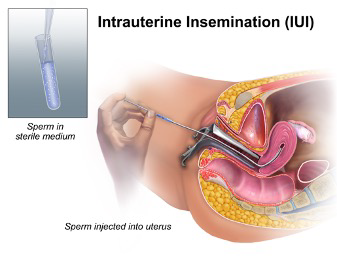
    Intrauterine insemination, also known as artificial insemination, is a fertility treatment that involves placing sperm directly into a woman’s uterus to increase the chances of fertilization. It is a simple and effective procedure that can be done with or without fertility drugs, depending on the individual’s needs. During IUI, the sperm is washed to remove any impurities and concentrated to increase the chances of fertilization. Then, the sperm is inserted into the uterus using a thin catheter, making the journey to the fallopian tubes easier and increasing the chances of fertilization.

    One of the significant advantages of IUI is that it is a relatively non-invasive procedure. The process is less stressful and less time-consuming than traditional IVF, making it a popular choice for many couples. Additionally, IUI is significantly less expensive than traditional IVF, making it a more feasible option for those on a budget. IUI is also a viable option for same-sex couples and single individuals who are looking to start a family.

    However, IUI may not be the best option for everyone. It is not suitable for women with blocked fallopian tubes or severe male factor infertility. The success rates of IUI are also relatively lower than traditional IVF. According to the American Pregnancy Association, the success rates for IUI range from 5% to 20%, depending on various factors such as age, fertility drugs, and underlying fertility issues. Additionally, IUI does not offer the opportunity to select the embryo, meaning that the chances of multiple pregnancies are higher.

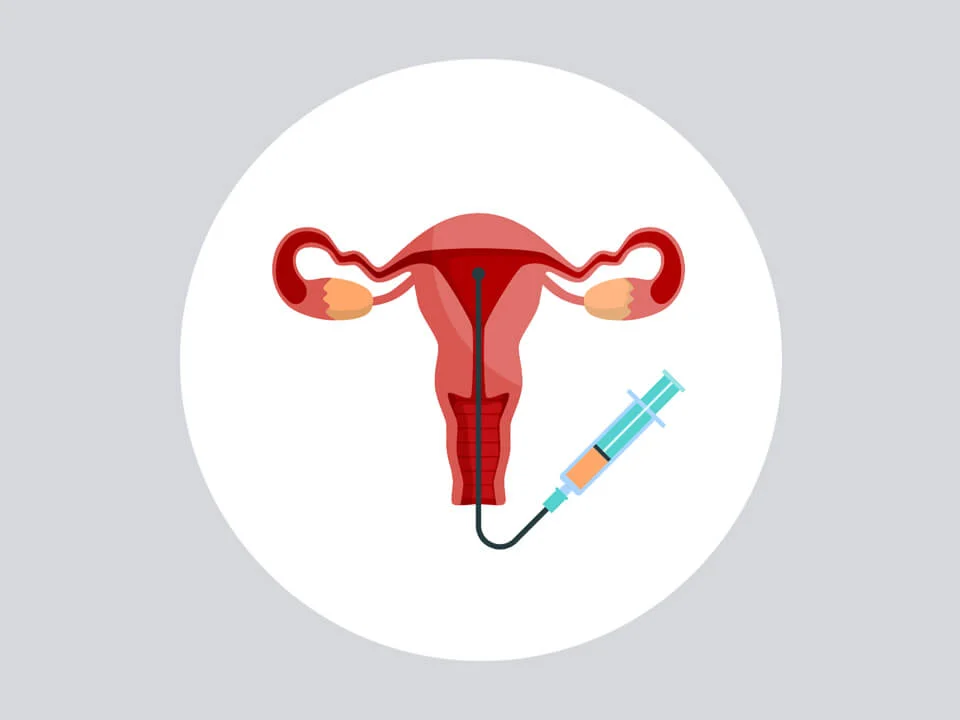
    Illustration of intrauterine insemination (IUI) procedure with syringe and catheter in the uterus.

    Exploring Your Options: Intrauterine Insemination vs Low-Tech IVF

    Low-Tech In Vitro Fertilization (IVF)

    Low-tech IVF is a more affordable and less invasive alternative to traditional IVF. It involves a similar process to traditional IVF, but with fewer fertility drugs and a more relaxed protocol. Unlike traditional IVF, where the goal is to retrieve as many eggs as possible, low-tech IVF aims to retrieve fewer eggs, focusing on quality over quantity. The eggs are then fertilized in the lab, and the resulting embryo is transferred to the uterus, similar to traditional IVF.

    One of the significant advantages of low-tech IVF is that it involves fewer fertility drugs, making it a more comfortable and less risky procedure for the woman. The process is also less invasive, with no egg retrieval required, making it a less stressful option. Additionally, low-tech IVF is a more budget-friendly option for those who cannot afford traditional IVF. The success rates for low-tech IVF are also slightly higher than IUI, ranging from 15% to 30% depending on various factors.

    However, low-tech IVF may not be suitable for everyone. It is not recommended for women with severe fertility issues or those with blocked fallopian tubes. The success rates for low-tech IVF are still lower than traditional IVF, and there is still a risk of multiple pregnancies. Additionally, the process may take longer than traditional IVF, as it typically involves multiple cycles to achieve a successful pregnancy.

    So, Which Option is Right for You?

    Ultimately, the decision between IUI and low-tech IVF will depend on your individual needs and fertility issues. If you have mild fertility issues and are looking for a less invasive and more affordable option, low-tech IVF may be the right choice for you. However, if you have more severe fertility issues or blocked fallopian tubes, IUI may not be the best option. It’s essential to consult with a fertility specialist to discuss your options and determine the best course of action for your specific situation.

    In conclusion, both IUI and low-tech IVF are viable options for those struggling with infertility. While they have their differences, they both offer a less invasive and more affordable alternative to traditional IVF. It’s crucial to understand the pros and cons of each option to make an informed decision on which one may be the best choice for you. With the help of a fertility specialist, you can explore your options and choose the best path towards achieving your dream of starting a family.

  • Intrauterine Insemination vs Low-Tech IVF: Understanding the Success Rates

    Intrauterine Insemination (IUI) and Low-Tech In Vitro Fertilization (IVF) are two commonly used fertility treatments for couples struggling to conceive. Both procedures involve placing sperm inside the woman’s uterus to increase the chances of fertilization, but there are some key differences between the two. Understanding the success rates of these procedures is crucial for couples trying to choose the best treatment option for their individual needs. In this blog post, we will dive into the details of IUI and low-tech IVF, and compare their success rates to help you make an informed decision.

    IUI, also known as artificial insemination, is a relatively simple procedure that involves placing washed and concentrated sperm directly into the woman’s uterus during her ovulation period. This procedure is often recommended for couples with unexplained infertility, mild male factor infertility, or for same-sex couples using a donor sperm. IUI is less invasive and less expensive than IVF, making it a popular choice for many couples.

    On the other hand, low-tech IVF, also known as mini-IVF or mild stimulation IVF, involves a similar process as traditional IVF but with lower doses of fertility medications. This procedure still requires the retrieval of eggs from the woman’s ovaries, but the goal is to produce fewer eggs compared to traditional IVF. Low-tech IVF is often recommended for women who don’t respond well to high doses of fertility drugs or for those who want to avoid the potential risks and side effects of traditional IVF.

    Now, let’s take a closer look at the success rates of IUI and low-tech IVF. According to the American Society for Reproductive Medicine (ASRM), the success rate of IUI is around 10-20% per cycle, depending on factors such as the woman’s age, cause of infertility, and sperm quality. This means that out of 100 couples undergoing IUI, only 10-20 will achieve a successful pregnancy in one cycle. However, if IUI is performed in conjunction with fertility drugs to stimulate ovulation, the success rate can increase up to 20-30% per cycle.

    On the other hand, the success rates for low-tech IVF are slightly higher, with a success rate of 15-30% per cycle. This is because the lower doses of fertility medications used in this procedure reduce the risk of ovarian hyperstimulation syndrome (OHSS) and other potential side effects, leading to better quality eggs and embryos. However, it’s important to note that the success rate of low-tech IVF may vary depending on the clinic’s experience and the couple’s individual circumstances.

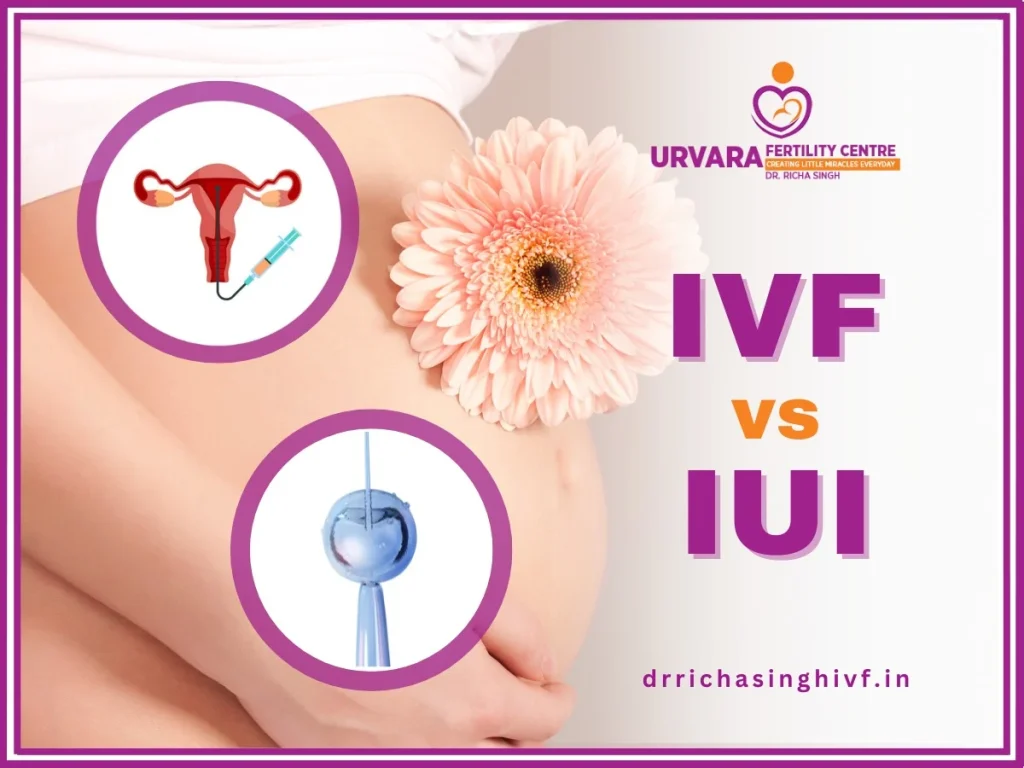
    IVF vs IUI comparison with illustrations of reproductive processes and a flower on a pregnant belly.

    Intrauterine Insemination vs Low-Tech IVF: Understanding the Success Rates

    In terms of cost, IUI is significantly less expensive than low-tech IVF. The average cost of IUI is around $500-$1000 per cycle, while low-tech IVF can cost anywhere from $3000-$7000 per cycle. This cost difference is mainly due to the use of fertility drugs and other procedures involved in low-tech IVF. However, it’s important to keep in mind that the total cost of treatment may vary depending on the couple’s specific needs and the location of the clinic.

    So, which one is the right choice for you? The answer to this question depends on various factors, including the cause of infertility, age, and financial situation. For couples with mild infertility issues, IUI may be a good first option, as it is less invasive and more affordable. On the other hand, for couples with more complex infertility issues, low-tech IVF may be a better option to increase their chances of success.

    In conclusion, both IUI and low-tech IVF are effective fertility treatments with their own unique benefits and success rates. While IUI may be a more accessible and affordable option, low-tech IVF may be a better choice for couples with more severe infertility issues. It’s important to consult with a fertility specialist to determine the best treatment option for you and your partner.

    Summary:

    IUI and low-tech IVF are two fertility treatments that involve placing sperm inside the woman’s uterus to increase the chances of fertilization. IUI is recommended for mild infertility issues and has a success rate of 10-20% per cycle, while low-tech IVF is recommended for more complex issues and has a success rate of 15-30% per cycle. IUI is less expensive than low-tech IVF, but the total cost may vary depending on individual circumstances. Ultimately, the choice between the two procedures depends on various factors, and consulting with a fertility specialist is crucial in making the right decision.

  • The Cost Comparison: Intrauterine Insemination vs Low-Tech IVF

    Blog Post: The Cost Comparison: Intrauterine Insemination vs Low-Tech IVF

    Deciding to start a family is a big decision, and for many couples, it can come with its own set of challenges. One of the most common issues that couples face when trying to conceive is infertility. Fortunately, there are various fertility treatments available that can help couples achieve their dream of having a child. Intrauterine insemination (IUI) and low-tech in vitro fertilization (IVF) are two commonly used procedures for fertility treatment. While both procedures have a similar goal of helping couples conceive, they differ in terms of cost. In this blog post, we will compare the costs of IUI and low-tech IVF to help you make an informed decision.

    What is Intrauterine Insemination (IUI)?

    Intrauterine insemination, also known as artificial insemination, is a fertility treatment that involves placing sperm directly into a woman’s uterus to increase the chances of fertilization. The process starts with the collection of sperm from the male partner or a sperm donor. The sperm is then washed and prepared in a laboratory to ensure that only the healthiest and most active sperm are used for the procedure. Next, a thin, flexible catheter is used to insert the sperm into the woman’s uterus. The procedure is simple, with minimal discomfort, and can be done in a doctor’s office.

    What is Low-Tech In Vitro Fertilization (IVF)?

    In vitro fertilization, commonly known as IVF, is a fertility treatment where eggs and sperm are combined in a laboratory to create embryos. The embryos are then transferred into the woman’s uterus, with the hope that one will implant and result in a pregnancy. In low-tech IVF, the process is similar to traditional IVF, but with fewer medications and stimulation of the ovaries. This results in fewer eggs being retrieved, making it a more affordable option for couples.

    Cost Comparison: IUI vs Low-Tech IVF

    When it comes to fertility treatments, cost is often a major consideration for couples. Here is a breakdown of the costs associated with IUI and low-tech IVF:

    1. Procedure Costs

    diagram illustrating intrauterine insemination process, showing sperm injection into the uterus and egg fertilization pathway

    The Cost Comparison: Intrauterine Insemination vs Low-Tech IVF

    The average cost of an IUI procedure is around $865, depending on the location and the clinic. This includes the cost of sperm washing, the procedure itself, and any medications required. On the other hand, the average cost of a low-tech IVF cycle can range from $3,000 to $7,000, depending on the clinic and location. This includes the cost of medications, monitoring, and the procedure itself.

    2. Medication Costs

    Medications are a crucial part of both IUI and low-tech IVF procedures. In an IUI cycle, medication costs can range from $50 to $200, depending on the type of medication and dosage required. For a low-tech IVF cycle, the cost of medications can range from $1,000 to $3,000. However, since low-tech IVF involves fewer medications, the cost is significantly lower than traditional IVF which can cost upwards of $10,000.

    3. Additional Costs

    In addition to the procedure and medication costs, there are other factors to consider when comparing the costs of IUI and low-tech IVF. These include the cost of fertility testing, which can range from $1,500 to $3,000, and the cost of sperm or egg donors if needed. It is also essential to factor in the cost of multiple cycles, as the success rates for both procedures vary and may require more than one attempt.

    Factors to Consider

    While cost is an essential factor to consider when choosing a fertility treatment, it should not be the only determining factor. Other factors to consider include the cause of infertility, the age of the woman, and the success rates of the procedures. For couples with unexplained infertility or mild fertility issues, IUI may be a more affordable and less invasive option. However, for couples with more severe fertility issues, low-tech IVF may offer a better chance of success.

    In conclusion, both IUI and low-tech IVF are viable options for couples struggling with infertility. While IUI may be a more affordable option, low-tech IVF may offer a higher success rate for couples with more severe fertility issues. It is essential to speak with a fertility specialist to determine the best course of action for your specific situation. With proper research and guidance, you can make an informed decision that is best for you and your partner.

    Summary:

    Infertility is a common issue that many couples face when trying to conceive. Two commonly used fertility treatments, IUI and low-tech IVF, have similar goals but differ in terms of cost. Intrauterine insemination (IUI) involves placing sperm directly into a woman’s uterus, while low-tech in vitro fertilization (IVF) involves fertilization of eggs and sperm in a laboratory before transferring the embryo into the woman’s uterus. The average cost of an IUI cycle is around $865, while the average cost of a low-tech IVF cycle can range from $3,000 to $7,000. Other factors to consider include the cost of medications, fertility testing, and the success rates of the procedures. It is crucial to speak with a fertility specialist to determine the best course of action for your specific situation.

  • A Closer Look at Intrauterine Insemination vs Low-Tech IVF

    Title: A Closer Look at Intrauterine Insemination vs Low-Tech IVF: What You Need to Know

    In the world of assisted reproductive technology (ART), there are various methods available to help couples and individuals achieve their dream of starting a family. Two commonly used procedures are intrauterine insemination (IUI) and low-tech in vitro fertilization (IVF). While both have the same goal of increasing the chances of pregnancy, they differ in their approaches and success rates. In this blog post, we will take a closer look at these two procedures and compare their effectiveness, risks, and costs.

    What is Intrauterine Insemination (IUI)?
    Intrauterine insemination (IUI), also known as artificial insemination, is a relatively simple and less invasive procedure compared to IVF. It involves placing washed and concentrated sperm directly into the uterus at the time of ovulation. This process is done by inserting a thin catheter through the cervix and into the uterus. The goal of IUI is to increase the number of sperm that reach the fallopian tubes, where fertilization typically occurs.

    What is Low-Tech IVF?
    Low-tech IVF is a form of IVF that uses minimal medication and technology to stimulate the ovaries and retrieve eggs. This procedure is less intense and less expensive than traditional IVF, making it a more attractive option for some couples. It involves the use of oral medications and monitoring of the natural menstrual cycle to determine the best time for egg retrieval. The retrieved eggs are then fertilized with sperm in a laboratory and the resulting embryo is transferred to the uterus.

    Effectiveness
    When it comes to success rates, both IUI and low-tech IVF have their advantages and limitations. IUI has a higher success rate for couples with male factor infertility or unexplained fertility issues. According to the American Pregnancy Association, the success rate for IUI ranges from 10-20% per cycle. On the other hand, low-tech IVF has a slightly higher success rate of 15-25% per cycle for couples with female factor infertility or mild male factor infertility. However, the success rates for both procedures decrease with age and other underlying fertility issues.

    illustration of a uterus with a syringe, representing intrauterine insemination procedure

    A Closer Look at Intrauterine Insemination vs Low-Tech IVF

    Risks
    Both IUI and low-tech IVF are generally safe procedures with minimal risks. The most common risk associated with IUI is multiple pregnancies, which can occur due to the stimulation of ovaries with fertility drugs. This can increase the chance of complications for both the mother and the babies. On the other hand, the risks associated with low-tech IVF are similar to those of traditional IVF, which include ovarian hyperstimulation syndrome, infection, and ectopic pregnancy.

    Costs
    In terms of costs, IUI is significantly less expensive than low-tech IVF. The cost of IUI can range from $500-$1000 per cycle, while low-tech IVF can cost anywhere from $2,500 to $5,000. The higher cost of low-tech IVF is due to the additional laboratory procedures and medication required. However, it is still a more affordable option compared to traditional IVF, which can cost upwards of $12,000 per cycle.

    Which Procedure is Right for You?
    The choice between IUI and low-tech IVF ultimately depends on individual factors and preferences. Couples with male factor infertility may benefit more from IUI, while those with female factor infertility may have better success with low-tech IVF. Additionally, the age of the female partner and other underlying fertility issues should also be considered when making a decision.

    In conclusion, both IUI and low-tech IVF are effective procedures that can help couples and individuals achieve their dream of starting a family. While IUI is a less invasive and more affordable option, low-tech IVF may be a more suitable choice for certain fertility issues. It is important to consult with a fertility specialist to determine which procedure is the best fit for your specific situation.

    Summary:
    Intrauterine insemination (IUI) and low-tech IVF are two commonly used procedures in assisted reproductive technology (ART). While both have the same goal of increasing the chances of pregnancy, they differ in their approaches and success rates. IUI involves placing washed and concentrated sperm directly into the uterus, while low-tech IVF uses minimal medication and technology to stimulate the ovaries and retrieve eggs. The success rates, risks, and costs vary between the two procedures, and the decision ultimately depends on individual factors and preferences.

  • Intrauterine Insemination vs Low-Tech IVF: Which is More Effective?

    Intrauterine insemination (IUI) and low-tech in vitro fertilization (IVF) are two common fertility treatments that can help couples struggling with infertility to conceive. While both procedures involve placing sperm into the female reproductive tract to increase the chances of fertilization, there are key differences between the two. In this blog post, we will compare and contrast IUI and low-tech IVF to determine which one is more effective in helping couples achieve a successful pregnancy.

    IUI, also known as artificial insemination, is a relatively simple and non-invasive procedure that involves placing washed and concentrated sperm directly into the uterus. This method is often used for couples with unexplained infertility, mild male factor infertility, or when the female partner has ovulation issues. On the other hand, low-tech IVF, also known as natural cycle IVF, is a less intensive form of traditional IVF that involves retrieving a woman’s egg during her natural cycle without the use of fertility drugs.

    One of the main differences between IUI and low-tech IVF is the level of medical intervention involved. IUI requires minimal preparation and can be performed in a doctor’s office without the need for anesthesia. On the other hand, low-tech IVF involves more medical procedures, such as egg retrieval and embryo transfer, and may require the use of fertility medications to stimulate the ovaries.

    Another difference between the two procedures is the success rates. According to the American Pregnancy Association, the success rate for IUI is around 10-20% per cycle, while the success rate for low-tech IVF is slightly higher at 15-25% per cycle. However, it is important to note that success rates can vary depending on individual factors such as age, underlying medical conditions, and the quality of sperm and eggs.

    Cost is also a factor to consider when comparing IUI and low-tech IVF. IUI is generally less expensive than low-tech IVF, as it involves fewer medications and procedures. However, the success rates for low-tech IVF are slightly higher, which may make it a more cost-effective option in the long run.

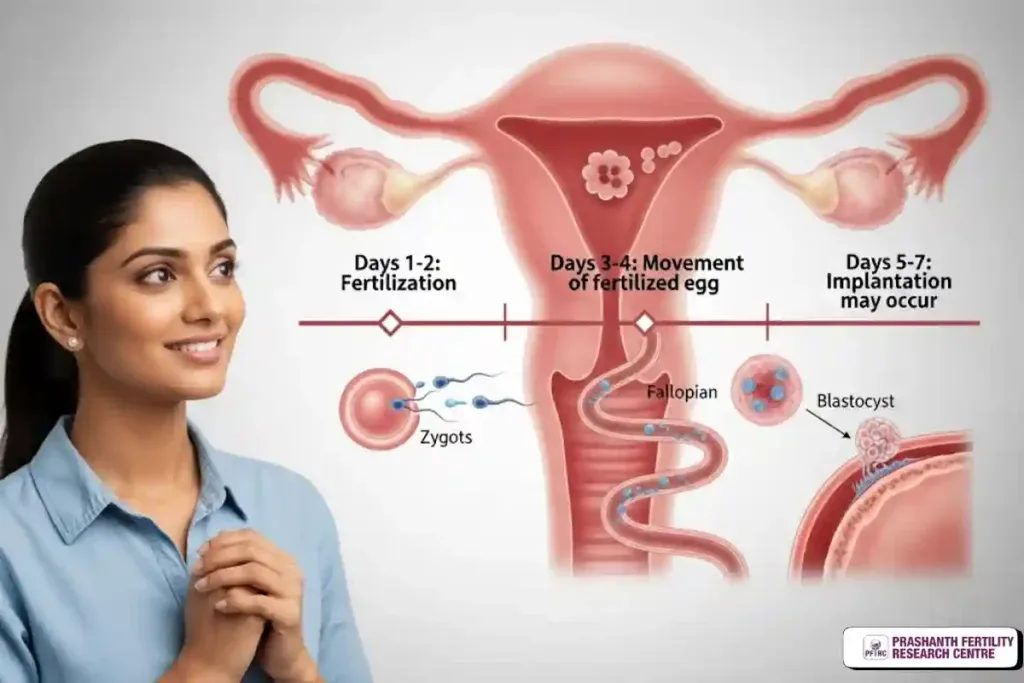
    Illustration showing fertilization and implantation timeline with a woman looking hopeful.

    Intrauterine Insemination vs Low-Tech IVF: Which is More Effective?

    In terms of side effects, both IUI and low-tech IVF are relatively safe procedures with low risks of complications. However, some women may experience mild cramping or spotting after IUI, while low-tech IVF may carry a slightly higher risk of ovarian hyperstimulation syndrome (OHSS) if fertility medications are used.

    When deciding between IUI and low-tech IVF, it is important to consider your individual needs and preferences. IUI may be a more suitable option for couples with mild fertility issues, while low-tech IVF may be a better choice for those with more complex fertility problems. Consulting with a fertility specialist can help determine which treatment option is best for you.

    In conclusion, both IUI and low-tech IVF are effective fertility treatments that can help couples achieve their dream of having a baby. While IUI is a simpler and less expensive procedure, low-tech IVF may offer a slightly higher success rate. Ultimately, the best option for each individual couple will depend on their unique circumstances and should be decided in consultation with a fertility specialist.

    Summary:

    Intrauterine insemination (IUI) and low-tech in vitro fertilization (IVF) are two common fertility treatments used to help couples conceive. IUI is a simple and non-invasive procedure that involves placing sperm directly into the uterus, while low-tech IVF involves retrieving a woman’s egg during her natural cycle without the use of fertility drugs. Low-tech IVF has a slightly higher success rate and may be more cost-effective in the long run, but the best option for each couple will depend on their individual needs and should be decided in consultation with a fertility specialist.

  • Choosing the Right Fertility Treatment: Intrauterine Insemination vs Low-Tech IVF

    Summary:

    Making the decision to seek fertility treatment can be a difficult and emotional journey for many couples. With so many options available, it can be overwhelming to decide which treatment is best for you. In this blog post, we will discuss two popular options for fertility treatment: intrauterine insemination (IUI) and low-tech in vitro fertilization (IVF). Both of these treatments are considered less invasive and less expensive compared to traditional IVF, making them more accessible to many couples. However, they have their own unique differences and it is important to understand the pros and cons of each before making a decision.

    Firstly, let’s define the two treatments. Intrauterine insemination (IUI) is a procedure where sperm is directly inserted into the uterus to increase the chances of fertilization. This is typically done around the time of ovulation, and the goal is to increase the number of sperm reaching the egg. On the other hand, low-tech IVF is a type of in vitro fertilization that involves minimal or no stimulation of the ovaries with fertility drugs. This means that fewer eggs are retrieved, but the process is less invasive and less expensive compared to traditional IVF.

    When it comes to the success rates, studies have shown that low-tech IVF has higher success rates compared to IUI. This is because with low-tech IVF, the eggs are fertilized outside of the body, allowing for better selection of the healthiest embryos to be transferred back into the uterus. However, the success rates for both treatments vary depending on factors such as age, fertility diagnosis, and sperm quality.

    Illustration of intrauterine insemination (IUI) procedure, showing sperm injection into the uterus.

    Choosing the Right Fertility Treatment: Intrauterine Insemination vs Low-Tech IVF

    One of the main advantages of IUI is that it is a less invasive procedure compared to IVF. The process is simple and can be done in a doctor’s office without the need for anesthesia. This also means that the recovery time is shorter, and there is less risk of complications. Additionally, IUI is a more affordable option compared to IVF, making it a more accessible choice for couples who may not have the financial means for traditional IVF.

    On the other hand, low-tech IVF has its own advantages. As mentioned earlier, it has higher success rates compared to IUI. This is because the eggs are fertilized outside of the body, allowing for better selection of the healthiest embryos to be transferred back into the uterus. This results in a higher chance of pregnancy. Additionally, low-tech IVF can also be combined with other fertility treatments such as intracytoplasmic sperm injection (ICSI) to further increase the chances of success.

    When it comes to the side effects, both IUI and low-tech IVF have minimal side effects. However, with IUI, there is a risk of ovarian hyperstimulation syndrome (OHSS) if fertility drugs are used to stimulate ovulation. This is a rare but potentially serious condition that can cause swelling and discomfort in the ovaries. With low-tech IVF, the risk of OHSS is lower because fewer fertility drugs are used.

    Another factor to consider is the emotional and psychological impact of each treatment. Both IUI and low-tech IVF can be emotionally taxing for couples, as they involve a lot of waiting and uncertainty. However, with IUI, the process is relatively quick and less invasive, which may be less emotionally taxing for some couples. On the other hand, low-tech IVF involves more steps and procedures, which may be more stressful for some couples.

    In conclusion, both IUI and low-tech IVF are viable options for couples seeking fertility treatment. IUI is a less invasive and more affordable option, but it has lower success rates compared to low-tech IVF. On the other hand, low-tech IVF has higher success rates, but it involves more steps and procedures. Ultimately, the best treatment option will depend on individual factors such as age, fertility diagnosis, and financial situation. It is important to consult with a fertility specialist to determine the best course of action for you and your partner.

  • The Pros and Cons of Intrauterine Insemination vs Low-Tech IVF

    Intrauterine insemination (IUI) and low-tech in vitro fertilization (IVF) are two common fertility treatments that can help couples struggling with infertility to conceive. Both procedures involve the placement of sperm into the woman’s reproductive tract, but there are some key differences between the two. In this blog post, we will explore the pros and cons of intrauterine insemination vs low-tech IVF to help you make an informed decision about which treatment may be best for you.

    Pros of Intrauterine Insemination (IUI):

    1. Less invasive and less expensive: IUI is a relatively simple and non-invasive procedure compared to IVF. It involves the placement of washed and concentrated sperm directly into the uterus, bypassing the cervix and increasing the chances of fertilization. This makes IUI a more affordable option for couples who may not be able to afford the high costs of IVF.

    2. Natural conception process: IUI mimics the natural process of conception, with sperm being placed directly into the uterus where fertilization naturally occurs. This can make the experience more comfortable and familiar for couples compared to more complex and artificial IVF procedures.

    3. Suitable for mild fertility issues: IUI is often recommended for couples with mild fertility issues such as low sperm count or poor sperm motility. It can also be a viable option for couples with unexplained infertility.

    4. Can be combined with fertility drugs: IUI can be combined with fertility drugs such as Clomid to stimulate ovulation and increase the chances of success. This can be an effective option for women who are not ovulating regularly.

    Cons of Intrauterine Insemination (IUI):

    1. Lower success rates: The success rates of IUI are generally lower than those of IVF, especially for couples with more severe fertility issues. This is because IUI relies on natural fertilization, which may not be as effective as the more advanced techniques used in IVF.

    2. Multiple births: IUI can increase the chances of multiple births, which can be risky for both the mother and the babies. This is because fertility drugs used to stimulate ovulation can lead to the release of multiple eggs, increasing the chances of multiple pregnancies.

    3. Limited to certain fertility issues: IUI is not suitable for all types of fertility issues. For example, it may not be effective for couples where the male partner has a low sperm count or poor sperm quality.

    Comparison of IUI and IVF treatments with diagrams of reproductive anatomy.

    The Pros and Cons of Intrauterine Insemination vs Low-Tech IVF

    Pros of Low-Tech IVF:

    1. Higher success rates: Low-tech IVF has higher success rates compared to IUI, making it a more effective option for couples struggling with more severe fertility issues. This is because IVF involves fertilizing the eggs with sperm in a controlled laboratory setting, increasing the chances of success.

    2. Fewer risks of multiple births: Unlike IUI, low-tech IVF involves the transfer of only one embryo into the uterus, reducing the chances of multiple births. This can be safer for the mother and the babies.

    3. Suitable for a wider range of fertility issues: Low-tech IVF can be used for a wider range of fertility issues compared to IUI. It can be a viable option for couples with male factor infertility, tubal factor infertility, or advanced maternal age.

    Cons of Low-Tech IVF:

    1. More invasive and expensive: Low-tech IVF involves more invasive procedures and is generally more expensive compared to IUI. It requires the retrieval of eggs from the woman’s ovaries and the fertilization of those eggs with sperm in a laboratory.

    2. Potential for overstimulation: The use of fertility drugs to stimulate egg production can lead to overstimulation of the ovaries, which can be uncomfortable and potentially dangerous for the woman.

    3. Emotional and physical toll: Going through the more complex procedures of IVF, such as egg retrieval and embryo transfer, can take an emotional and physical toll on couples. The uncertainty of success and the potential for multiple failed attempts can also be emotionally draining.

    Summary:

    Intrauterine insemination and low-tech IVF are two popular fertility treatments that can help couples struggling with infertility to conceive. While IUI is a less invasive and more affordable option, it may not be suitable for all types of fertility issues and has lower success rates compared to IVF. On the other hand, low-tech IVF has higher success rates and can be used for a wider range of fertility issues but is more invasive and expensive. Ultimately, the choice between the two treatments will depend on the specific fertility issues of the couple and their personal preferences.

  • Breaking Down the Differences: Intrauterine Insemination vs Low-Tech IVF

    Summary:

    In the world of fertility treatments, there are two commonly used methods for helping couples conceive: intrauterine insemination (IUI) and low-tech in vitro fertilization (IVF). While both procedures are designed to assist with fertilization, they differ in their approach and success rates. In this blog post, we will break down the differences between IUI and low-tech IVF, including their processes, costs, success rates, and who they are best suited for. By understanding the nuances of these two treatments, individuals and couples can make an informed decision about which option may be the best fit for their fertility journey.

    Intrauterine Insemination (IUI):

    IUI is a simple and relatively non-invasive procedure that involves the placement of washed and concentrated sperm directly into the uterus, bypassing the cervix. This procedure is typically recommended for couples who have unexplained infertility, mild male factor infertility, or ovulation disorders. The process begins with the female partner taking ovulation-inducing medication to stimulate the ovaries to produce multiple eggs. The male partner will then provide a semen sample, which will be washed and prepared in a laboratory before being inserted into the uterus using a thin catheter. IUI can be done with or without the use of fertility drugs, and the entire process takes only a few minutes.

    Low-Tech IVF:

    Low-tech IVF, also known as mini-IVF or mild stimulation IVF, is a less aggressive version of traditional IVF. While traditional IVF involves high doses of fertility drugs to stimulate the ovaries to produce multiple eggs, low-tech IVF uses a lower dosage of fertility drugs or no drugs at all. This results in fewer eggs being produced, making it a more affordable option for those who cannot afford traditional IVF. However, this also means that the success rates may be lower.

    The procedure for low-tech IVF is similar to traditional IVF, with the main difference being the dosage of fertility drugs used. After the eggs are retrieved from the ovaries, they are fertilized with sperm in a laboratory. The resulting embryos are then transferred into the uterus using a thin catheter. Low-tech IVF is typically recommended for couples who have been unsuccessful with IUI or have more severe fertility issues, such as blocked fallopian tubes or advanced maternal age.

    Illustration of a uterus with a syringe, representing intrauterine insemination (IUI) procedure.

    Breaking Down the Differences: Intrauterine Insemination vs Low-Tech IVF

    Costs:

    One of the biggest differences between IUI and low-tech IVF is the cost. IUI is generally much more affordable than low-tech IVF as it does not involve the use of expensive fertility drugs. On average, IUI can cost between $500 to $1,000 per cycle, while low-tech IVF can range from $3,000 to $7,000 per cycle. However, the cost of low-tech IVF can still be significantly lower than traditional IVF, which can cost upwards of $12,000 per cycle.

    Success Rates:

    Another important factor to consider when deciding between IUI and low-tech IVF is their success rates. While both procedures aim to help couples conceive, the success rates can vary significantly. IUI has a success rate of around 10-20% per cycle, which can increase with the use of fertility drugs. On the other hand, low-tech IVF has a success rate of around 15-20% per cycle without the use of fertility drugs, and up to 40% with the use of low doses of fertility drugs. It is important to note that the success rates for both procedures also depend on factors such as age, fertility issues, and the quality of the sperm and eggs.

    Who is it best suited for?

    Ultimately, the decision between IUI and low-tech IVF will depend on individual circumstances and what is best suited for each person or couple. IUI is a good option for those who have mild fertility issues and want a less invasive and more affordable treatment. It is also a good starting point for couples who are just beginning their fertility journey. Low-tech IVF, on the other hand, may be a better choice for those who have more severe fertility issues and have not had success with IUI. It may also be a more cost-effective option for those who cannot afford traditional IVF. Consulting with a fertility specialist can help individuals and couples determine which option is the best fit for their specific situation.

    In conclusion, both IUI and low-tech IVF are effective fertility treatments that can help couples achieve their dream of starting a family. While they have some similarities, they also have significant differences in their processes, costs, and success rates. By understanding these differences, individuals and couples can make an informed decision about which option may be the best fit for them. Regardless of which treatment is chosen, it is important to remember that every fertility journey is unique and to have patience and hope along the way.

  • The Cost of Fertility: Comparing the Price of Massage Therapy and Traditional Treatments

    Blog Post:

    Fertility is a topic that affects many individuals and couples, as the desire to start a family is a natural and important part of life. However, for those who struggle with fertility issues, the journey towards parenthood can be emotionally, physically, and financially taxing. While there are various traditional treatments available for fertility, alternative therapies such as massage therapy have also gained popularity as a potential solution. In this blog post, we will explore the cost of fertility and compare the prices of massage therapy and traditional treatments.

    Traditional Treatments for Fertility:

    Traditional treatments for fertility include methods such as in vitro fertilization (IVF), intrauterine insemination (IUI), and hormone therapy. These treatments are often recommended by fertility specialists and can be effective in helping individuals or couples conceive. However, they also come with a high price tag.

    The average cost of one cycle of IVF in the United States is around $12,000, with the price increasing significantly if multiple cycles are needed. Similarly, IUI can cost anywhere from $500 to $4,000 per cycle. Hormone therapy, which involves taking medication to stimulate ovulation, can also be expensive with the cost of medication ranging from $50 to $3,000 per cycle.

    In addition to the initial cost, there are also additional expenses to consider such as consultations, lab work, and ultrasounds, which can add up quickly. Furthermore, there is no guarantee that these treatments will result in a successful pregnancy, which can be emotionally and financially draining for individuals or couples.

    Massage Therapy for Fertility:

    Massage therapy is an alternative therapy that has gained popularity as a potential solution for fertility issues. It involves the manipulation of soft tissues and muscles to improve circulation, reduce stress, and promote relaxation. Many believe that massage therapy can help improve fertility by reducing stress levels and creating a more hospitable environment for a successful pregnancy.

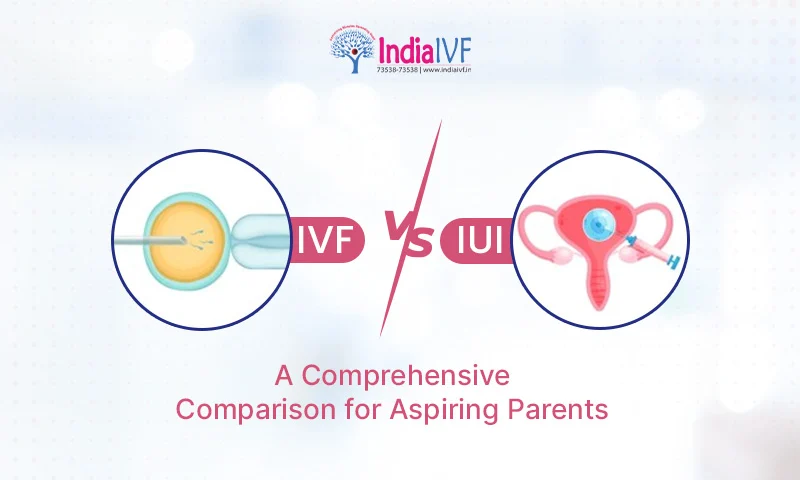
    IVF vs IUI comparison graphic highlighting reproductive methods for aspiring parents.

    The Cost of Fertility: Comparing the Price of Massage Therapy and Traditional Treatments

    The cost of massage therapy for fertility varies depending on the location, type of massage, and the experience of the therapist. On average, a one-hour session can range from $50 to $150. Some therapists may also offer packages or discounts for multiple sessions, which can help reduce the overall cost.

    Compared to traditional treatments, the cost of massage therapy for fertility may seem more affordable. However, it is important to note that massage therapy is not a guaranteed solution for fertility issues and may not work for everyone. It is also important to find a qualified and experienced massage therapist who specializes in fertility to ensure the best possible results.

    Other Factors to Consider:

    While the cost of fertility treatments and massage therapy are important factors to consider, there are other factors that may impact the overall cost.

    For traditional treatments, the success rate and the number of cycles needed can significantly increase the cost. On the other hand, massage therapy may require multiple sessions before seeing any results, which can also add up over time.

    Additionally, insurance coverage for fertility treatments and massage therapy varies greatly. While some insurance plans may cover a portion of the cost for traditional treatments, most do not cover massage therapy for fertility. This means that individuals or couples may have to pay out-of-pocket for these treatments, adding to the financial burden.

    Summary:

    Fertility treatments, whether traditional or alternative, can be costly and may not guarantee success. Traditional treatments such as IVF, IUI, and hormone therapy can range from $500 to $12,000 per cycle, while massage therapy for fertility can cost anywhere from $50 to $150 per session. Other factors such as the success rate, insurance coverage, and the number of sessions needed should also be taken into consideration when comparing the cost of these treatments. Ultimately, the decision to pursue fertility treatments should not be solely based on the cost, but also on the individual’s or couple’s specific needs and circumstances.

  • The Emotional Impact of Traditional Fertility Treatments: A Personal Story

    The Emotional Impact of Traditional Fertility Treatments: A Personal Story

    For many couples struggling with infertility, traditional fertility treatments such as in vitro fertilization (IVF) and intrauterine insemination (IUI) can offer hope for starting a family. However, along with the physical and financial toll of these treatments, there is also a significant emotional impact that is often overlooked. As someone who has personally gone through multiple rounds of traditional fertility treatments, I can attest to the rollercoaster of emotions that comes with each cycle.

    The desire to have a child is a deeply emotional one, and when that desire is met with difficulty and disappointment, it can take a toll on one’s mental health. The constant cycle of hope and disappointment that comes with fertility treatments can be overwhelming and draining. For me, each time I started a new cycle, I would feel a sense of excitement and optimism, hoping that this time would be the one. But as each cycle came to an end with a negative pregnancy test or a miscarriage, I would experience a wave of sadness and despair.

    One of the most challenging aspects of traditional fertility treatments is the lack of control over the outcome. Despite following all the instructions and taking all the necessary steps, there is still no guarantee of success. This feeling of powerlessness can lead to a sense of failure and self-blame. I often found myself questioning what I could have done differently or if I had somehow caused my infertility. These negative thoughts can take a toll on one’s self-esteem and can lead to feelings of guilt and shame.

    The financial burden of traditional fertility treatments can also add to the emotional strain. IVF and other treatments can cost thousands of dollars, and many insurance plans do not cover them. This can lead to difficult decisions and sacrifices, such as delaying other life goals or taking on additional debt. The constant worry about how to afford the next cycle can add to the stress and anxiety already present.

    Illustration of intrauterine insemination (IUI) procedure with syringe and catheter in the uterus.

    The Emotional Impact of Traditional Fertility Treatments: A Personal Story

    Furthermore, the physical aspects of fertility treatments can also impact one’s emotional well-being. The medications, injections, and procedures can take a toll on the body, causing side effects such as mood swings, bloating, and fatigue. These physical changes can make it challenging to feel like oneself and can add to the emotional toll of the process.

    In addition to the emotional impact on the individual undergoing fertility treatments, it can also strain relationships. Infertility can create tension and strain between partners, as each may cope with the process differently. One partner may want to continue with treatments while the other may want to take a break, leading to conflicts and misunderstandings. The pressure to conceive can also put a strain on the relationship, as sex becomes more focused on procreation rather than pleasure.

    As someone who has been through multiple rounds of traditional fertility treatments, I have experienced all of these emotional impacts firsthand. Each cycle brought a new set of emotions, and it was a constant struggle to stay positive and hopeful. It was a challenging journey, but eventually, my husband and I were able to conceive through IVF and welcome our daughter into the world.

    But even with a successful outcome, the emotional impact of traditional fertility treatments did not disappear. The years of disappointment and stress had taken a toll on my mental health, and I found myself struggling with anxiety and depression. It was only after seeking therapy and support from others who had gone through similar experiences that I was able to start healing and come to terms with my journey.

    In conclusion, the emotional impact of traditional fertility treatments is a significant aspect that is often overlooked. The constant cycle of hope and disappointment, the lack of control, financial strain, physical changes, and strain on relationships can take a toll on one’s mental health. It is essential to recognize and address these emotional impacts and seek support when needed. Infertility is a challenging journey, and it is essential to take care of one’s emotional well-being throughout the process.

    SEO metadata: