Tag: fertility

  • Facts vs Myths: Debunking Common Misconceptions About Intrauterine Insemination and Sperm Washing

    Facts vs Myths: Debunking Common Misconceptions About Intrauterine Insemination and Sperm Washing

    Intrauterine insemination (IUI) and sperm washing are two fertility treatments that have gained popularity in recent years. These procedures involve the insertion of washed sperm into the uterus to increase the chances of pregnancy. However, there are many misconceptions and myths surrounding these procedures, leading to confusion and misinformation. In this blog post, we will debunk some of the most common myths about IUI and sperm washing and provide accurate and evidence-based information to help you make an informed decision about these fertility treatments.

    Myth #1: IUI and sperm washing are the same thing

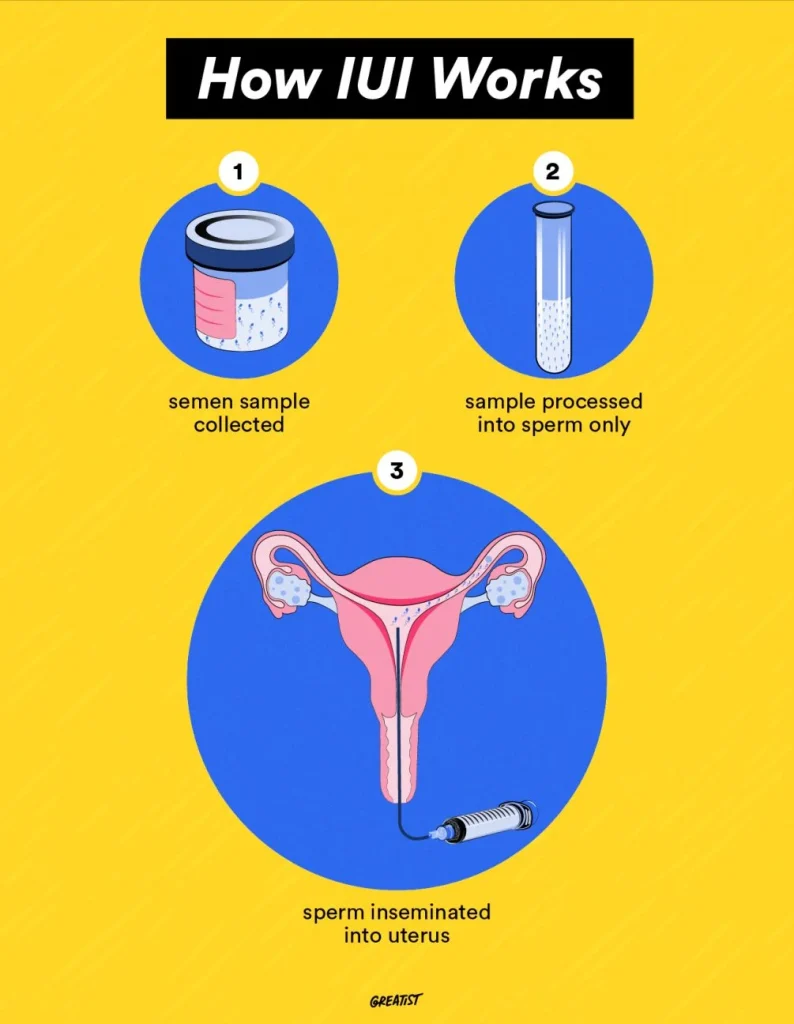
    Fact: While both procedures involve the use of washed sperm, they are two distinct fertility treatments. IUI involves the insertion of washed sperm into the uterus, while sperm washing is the process of separating healthy sperm from semen. Sperm washing is often used in conjunction with other assisted reproductive technologies, such as in vitro fertilization (IVF) and intracytoplasmic sperm injection (ICSI). IUI is a less invasive procedure and is typically recommended for couples with unexplained infertility, mild male factor infertility, or cervical issues.

    Myth #2: IUI and sperm washing are only for heterosexual couples

    Fact: Many people believe that these fertility treatments are only available for heterosexual couples, but this is not true. IUI and sperm washing can also be used by same-sex couples and single women who want to conceive. In fact, these procedures have helped many LGBTQ+ individuals and couples achieve their dream of starting a family. It is important to find a fertility clinic that is inclusive and provides services to all individuals and couples, regardless of sexual orientation or marital status.

    Myth #3: IUI and sperm washing are only for couples with fertility issues

    Fact: While these procedures are commonly used to treat fertility issues, they can also be used in situations where there are no known fertility problems. For example, single women or same-sex couples may opt for IUI or sperm washing to overcome the barrier of infertility and achieve pregnancy.

    Myth #4: IUI and sperm washing are painful and invasive procedures

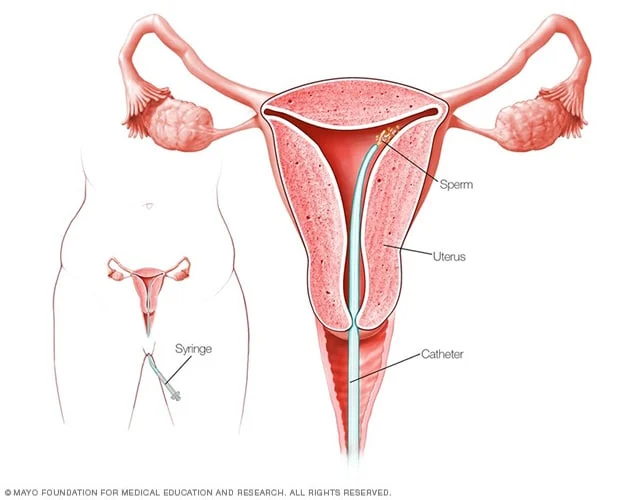
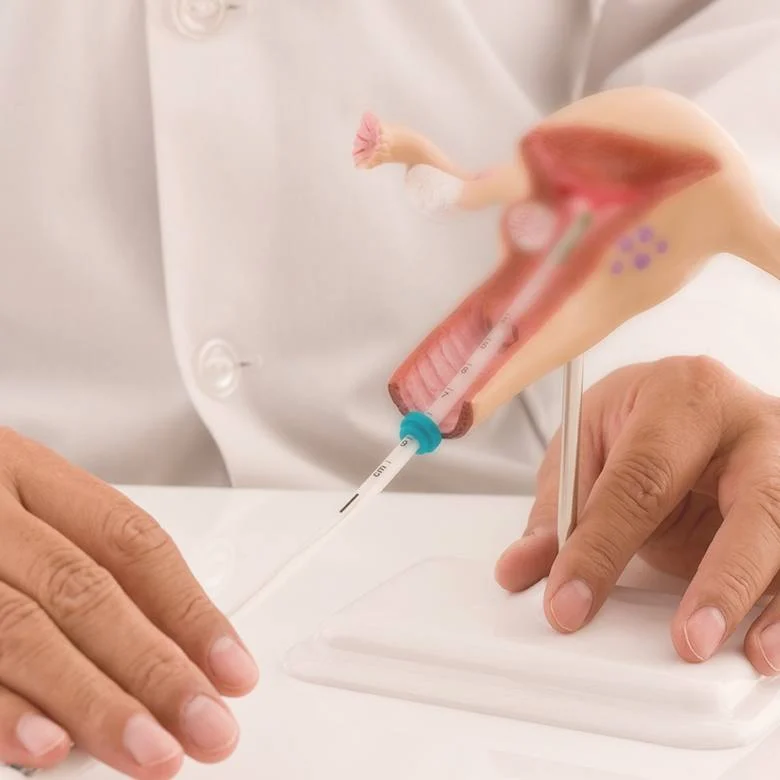
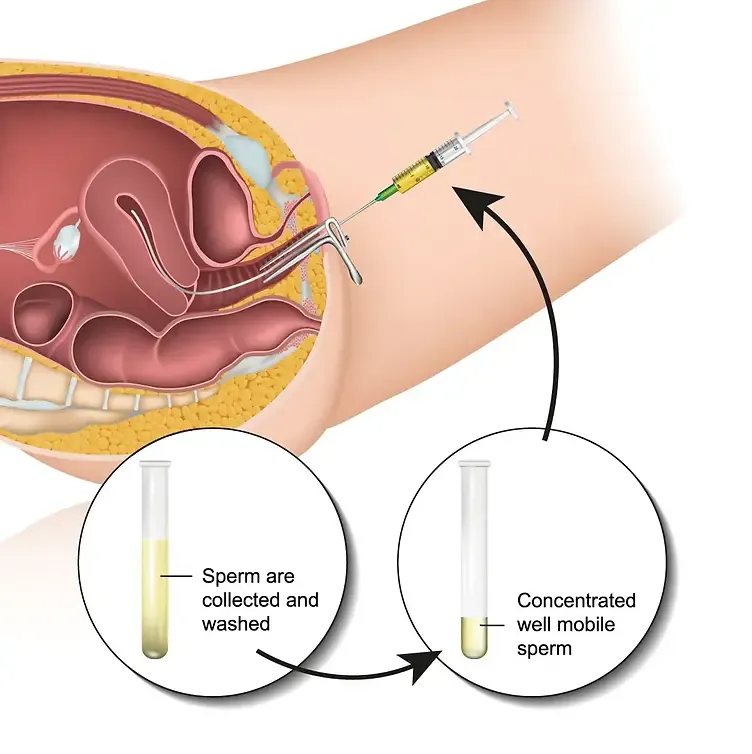
    Fact: Both IUI and sperm washing are relatively painless and minimally invasive procedures. During IUI, a thin catheter is inserted through the cervix into the uterus, and the washed sperm is injected. This may cause mild cramping, similar to menstrual cramps, but the procedure is usually completed within a few minutes. Sperm washing involves the separation of sperm from semen using a special solution, and this process does not cause any pain or discomfort to the individual.

    Myth #5: IUI and sperm washing guarantee pregnancy
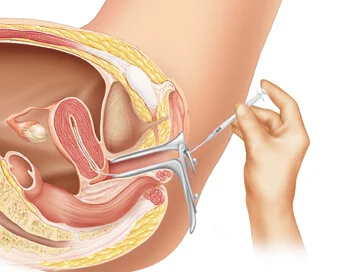
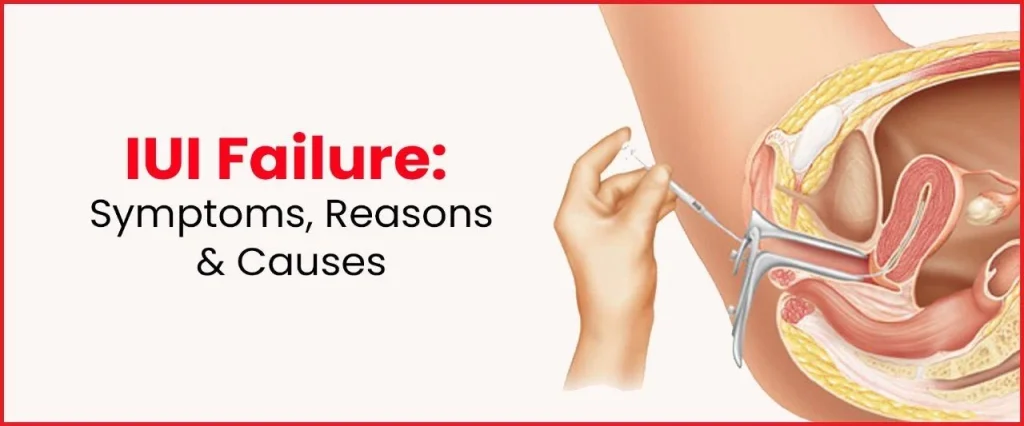
    illustration of intrauterine insemination procedure with a hand holding a speculum and syringe near the uterus

    Facts vs Myths: Debunking Common Misconceptions About Intrauterine Insemination and Sperm Washing

    Fact: While these procedures can significantly improve the chances of conception, they do not guarantee pregnancy. The success rate of IUI varies depending on factors such as age, cause of infertility, and the health of the sperm and eggs. On average, the success rate for IUI ranges from 10-20% per cycle. Similarly, the success rate for sperm washing also depends on various factors and may vary from person to person. It is essential to discuss the potential success rates with your fertility specialist and manage your expectations accordingly.

    Myth #6: IUI and sperm washing are expensive

    Fact: While fertility treatments can be costly, IUI and sperm washing are relatively affordable compared to other assisted reproductive technologies. The cost of these procedures may vary depending on the clinic, location, and individual circumstances. It is important to discuss the cost with your fertility clinic beforehand and explore any financial assistance options that may be available.

    Myth #7: IUI and sperm washing can cause birth defects

    Fact: There is no scientific evidence to suggest that IUI or sperm washing can cause birth defects. These procedures are performed using thoroughly tested and approved techniques, and the risk of birth defects is not increased. However, it is essential to disclose any underlying medical conditions or genetic disorders to your fertility specialist before undergoing these procedures.

    Myth #8: Multiple pregnancies are more likely with IUI and sperm washing

    Fact: While multiple pregnancies are possible with any fertility treatment, they are not more likely to occur with IUI or sperm washing. The fertility specialist will monitor the number of follicles (where eggs develop) during the treatment cycle to reduce the risk of multiple pregnancies. However, in rare cases, multiple pregnancies may occur due to the release of more than one egg during the IUI process.

    Myth #9: IUI and sperm washing are only for young couples

    Fact: Age is a crucial factor in fertility, and it may affect the success rates of IUI and sperm washing. However, these procedures are not exclusively for young couples. Many individuals and couples over the age of 35 have successfully conceived through IUI or sperm washing. It is important to discuss the potential success rates with your fertility specialist and consider other factors that may affect your chances of pregnancy.

    Myth #10: There is no need for IUI or sperm washing if you have no fertility issues

    Fact: Even if you do not have any known fertility issues, IUI and sperm washing can still increase your chances of pregnancy. The washed sperm is of higher quality and has a better chance of fertilizing an egg, making these procedures a viable option for individuals and couples with no fertility issues.

    In conclusion, IUI and sperm washing are common fertility treatments that have helped many individuals and couples conceive and start a family. It is essential to have accurate information and discuss any concerns with a qualified fertility specialist. Do not let myths and misconceptions deter you from exploring these procedures if you are struggling to conceive. With the right information and guidance from a reputable fertility clinic, IUI and sperm washing can be effective options for achieving your dream of parenthood.
  • The Cost Factor: Intrauterine Insemination vs Sperm Washing

    Blog Post Title: The Cost Factor: Intrauterine Insemination vs Sperm Washing

    In the world of assisted reproductive technology, there are many options available to couples struggling with infertility. Two common procedures are intrauterine insemination (IUI) and sperm washing, both of which involve the use of sperm to fertilize an egg. However, these procedures differ greatly in terms of cost. In this blog post, we will explore the cost factor of IUI vs sperm washing and help you understand which option may be more suitable for your situation.

    What is Intrauterine Insemination (IUI)?

    Intrauterine insemination, also known as artificial insemination, is a procedure in which prepared sperm is inserted directly into the uterus during the woman’s ovulation period. This increases the chances of fertilization by placing the sperm closer to the egg. IUI is typically recommended for couples with mild fertility issues or single women using donor sperm.

    The Cost of IUI

    The cost of IUI varies depending on factors such as location, the clinic you choose, and any additional treatments you may require. On average, IUI can cost anywhere from $300 to $1000 per cycle. This includes the cost of sperm preparation, the procedure itself, and any necessary ultrasounds or blood tests.

    Additional costs that may arise during an IUI procedure include fertility drugs, which can cost up to $1000 per cycle, and sperm donor fees if you are using donor sperm. These expenses can add up quickly, making IUI a costly option for some couples.

    What is Sperm Washing?

    Sperm washing is a procedure that involves separating healthy sperm from the semen sample. This process is done to remove any impurities or dead sperm, increasing the chances of fertilization. The washed sperm is then used for insemination, either through IUI or in vitro fertilization (IVF).

    The Cost of Sperm Washing

    The cost of sperm washing can also vary depending on location and clinic. On average, sperm washing can cost anywhere from $100 to $1000 per cycle. This cost includes the sperm washing procedure, as well as the use of washed sperm for IUI or IVF.

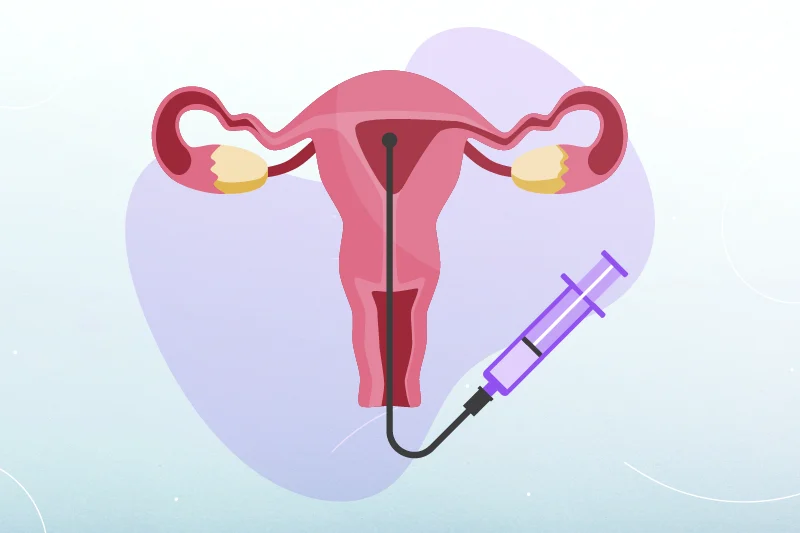
    Illustration of intrauterine insemination (IUI) procedure with syringe and catheter in the uterus.

    The Cost Factor: Intrauterine Insemination vs Sperm Washing

    Unlike IUI, sperm washing does not require fertility drugs, making it a more cost-effective option for couples who do not need additional treatments. However, if sperm washing is being done in conjunction with IVF, the overall cost will be higher.

    Which Option is More Cost-Effective?

    Both IUI and sperm washing have their pros and cons when it comes to cost. IUI may seem like a more affordable option at first, but when factoring in the cost of fertility drugs and other expenses, the overall cost can quickly add up. On the other hand, sperm washing may seem more expensive, but it does not require fertility drugs, which can significantly reduce the cost.

    In some cases, the decision between IUI and sperm washing may come down to the specific fertility issues of the couple. For example, if the male partner has a low sperm count, sperm washing may be the only option for successful conception.

    It’s important to also consider the success rates of each procedure. IUI has a success rate of 10-20% per cycle, while sperm washing has a slightly higher success rate of 15-25% per cycle. This may also factor into the cost-effectiveness of each option.

    Other Factors to Consider

    Aside from the cost, there are other factors to consider when deciding between IUI and sperm washing. For some couples, IUI may be the preferred option as it is less invasive and can be done in the comfort of a doctor’s office. On the other hand, sperm washing may be the better choice for couples with more severe fertility issues or those who have been unsuccessful with IUI in the past.

    It’s essential to discuss all options with your doctor and consider your personal situation when making a decision. It’s also important to keep in mind that both procedures may require multiple cycles before achieving a successful pregnancy, which can further increase the overall cost.

    In Conclusion

    Intrauterine insemination and sperm washing are both viable options for couples struggling with fertility issues. However, when it comes to cost, sperm washing may be the more cost-effective option due to the elimination of fertility drugs. It’s crucial to weigh the pros and cons of each procedure and consult with a fertility specialist to determine which option is best for you.

    Summary:

    Intrauterine insemination (IUI) and sperm washing are common assisted reproductive technology procedures used to help couples struggling with infertility. While both procedures involve the use of sperm, they differ greatly in terms of cost. IUI can cost anywhere from $300 to $1000 per cycle, while sperm washing can cost anywhere from $100 to $1000 per cycle. However, sperm washing does not require fertility drugs, making it a more cost-effective option for some couples. Factors such as success rates and personal preferences should also be considered when making a decision between IUI and sperm washing.

  • Fertility Treatment Showdown: Intrauterine Insemination vs Sperm Washing

    Fertility Treatment Showdown: Intrauterine Insemination vs Sperm Washing

    When it comes to fertility treatments, there are many options available for couples struggling to conceive. Intrauterine insemination (IUI) and sperm washing are two popular procedures that can help increase the chances of pregnancy. But which one is the better choice? In this blog post, we’ll dive into the details of both IUI and sperm washing and compare them in terms of effectiveness, cost, and other important factors to help you make an informed decision.

    What is Intrauterine Insemination?

    Intrauterine insemination, also known as artificial insemination, is a fertility treatment that involves placing washed and prepared sperm directly into the uterus during ovulation. This procedure is often used for couples who have unexplained infertility, mild male factor infertility, or cervical issues that may interfere with natural conception.

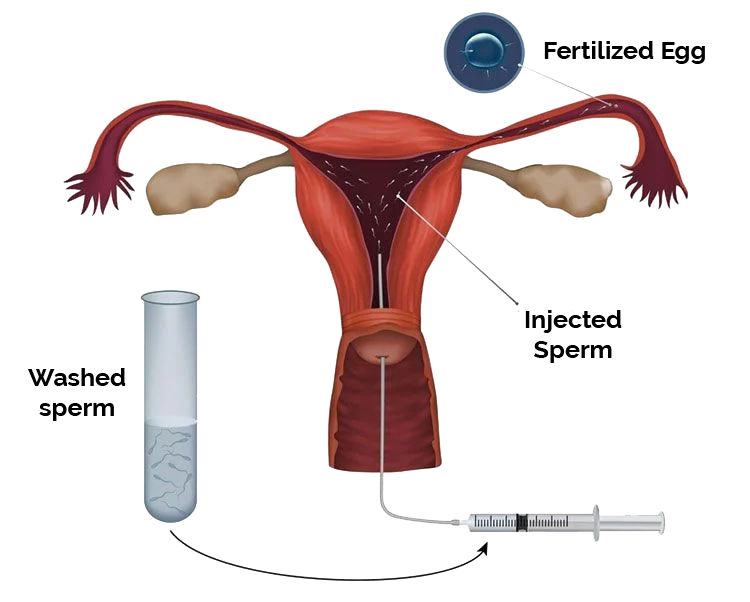
    During the IUI process, the male partner’s sperm is collected and prepared in a lab to ensure that only the healthiest and most motile sperm are used. Then, a thin, flexible catheter is inserted through the cervix and into the uterus, where the sperm is deposited. This increases the chances of the sperm reaching and fertilizing the egg, as it bypasses any potential barriers in the cervix.

    What is Sperm Washing?

    Sperm washing, also known as sperm preparation, is a procedure that is often used in conjunction with other fertility treatments, such as in vitro fertilization (IVF). It involves separating the sperm from the semen to increase its concentration and remove any potential contaminants. This process is crucial for couples who are using donor sperm or for those with male factor infertility issues such as low sperm count or poor sperm motility.

    The sperm washing process involves collecting a semen sample and then using a series of techniques, such as centrifugation and density gradient separation, to isolate the healthiest and most active sperm. The washed sperm is then used in other fertility procedures, such as IUI or IVF.

    Effectiveness

    Both IUI and sperm washing have been shown to increase the chances of pregnancy for couples struggling with fertility issues. However, the effectiveness of these procedures can vary depending on the specific circumstances and factors of each individual case.

    Illustration of intrauterine insemination process, showing sperm collection and injection into the uterus.

    Fertility Treatment Showdown: Intrauterine Insemination vs Sperm Washing

    IUI has a success rate of around 10-20% per cycle, with the chances increasing with multiple cycles. On the other hand, sperm washing has a higher success rate, with studies showing a success rate of up to 70% when used in conjunction with IVF. The success rates of both procedures can also be affected by factors such as the age and health of the female partner, the quality of the sperm, and the timing of the procedure.

    Cost

    Cost is an important consideration for many couples when it comes to fertility treatments. In general, IUI is a more affordable option compared to sperm washing. The cost of a single IUI cycle can range from $500 to $1,000, while sperm washing can cost anywhere from $500 to $2,000, depending on the specific techniques used. However, it’s important to keep in mind that the overall cost of these procedures can vary greatly depending on the individual’s specific needs and factors.

    Risks and Side Effects

    Like any medical procedure, both IUI and sperm washing come with potential risks and side effects. IUI is a relatively safe procedure, with minimal risks of infection or damage to the uterus or cervix. Some women may experience mild cramping or spotting after the procedure, but these side effects usually subside quickly.

    Sperm washing also has low risks of infection or complications, as the process involves using sterile techniques. However, some men may experience discomfort or swelling after the procedure due to the collection of the semen sample. Additionally, there is a small risk of damage to the sperm during the washing process, which could decrease the chances of success in fertility treatments.

    Which One is Right for You?

    The decision between IUI and sperm washing ultimately depends on factors such as the cause of infertility, cost, and personal preferences. For couples with unexplained infertility or mild male factor infertility, IUI may be a suitable and more affordable option. However, for those with more severe male factor infertility or using donor sperm, sperm washing may be necessary.

    It’s important to consult with a fertility specialist to determine the best course of action for your specific situation. They can evaluate your medical history, perform necessary tests, and provide personalized recommendations for treatment.

    Summary:

    When it comes to fertility treatments, two popular options are intrauterine insemination (IUI) and sperm washing. IUI involves directly placing washed and prepared sperm into the uterus, while sperm washing involves isolating the healthiest sperm for use in other fertility procedures. Both have been shown to increase the chances of pregnancy, but their effectiveness, costs, and potential risks and side effects differ. It’s important to consult with a fertility specialist to determine the best option for your individual situation.

  • A Closer Look: Intrauterine Insemination vs Sperm Washing

    Blog Post: A Closer Look: Intrauterine Insemination vs Sperm Washing

    In the world of assisted reproductive technology, there are many options available for couples struggling to conceive. Two commonly used methods are intrauterine insemination (IUI) and sperm washing. Both techniques involve the use of sperm to fertilize an egg, but they differ in their processes and success rates. In this blog post, we will take a closer look at these two procedures and compare their benefits, risks, and success rates.

    What is Intrauterine Insemination?

    Intrauterine insemination, also known as artificial insemination, is a procedure where washed and prepared sperm is directly inserted into the uterus during a woman’s ovulation period. This method is often used for couples with unexplained infertility, mild male factor infertility, or cervical mucus issues. It is also a popular choice for single women or same-sex couples who want to start a family.

    The process of IUI involves the following steps:

    1. Ovarian Stimulation: In order to increase the chances of pregnancy, women may be given fertility medication to stimulate the ovaries to produce multiple eggs.

    2. Monitoring Egg Development: Ultrasound scans are used to monitor the growth and development of the eggs.

    3. Sperm Preparation: The male partner’s sperm is collected and washed to remove any impurities and increase the concentration of healthy sperm.

    4. Insertion of Sperm: A catheter is used to insert the washed sperm directly into the uterus.

    5. Wait for Pregnancy: After the procedure, the woman must wait for about two weeks to take a pregnancy test to see if the procedure was successful.

    What is Sperm Washing?

    Sperm washing, also known as sperm preparation, is a technique used to separate healthy sperm from semen. This process is commonly used when a man has a low sperm count or a history of genetic disorders. It is also used in cases where the male partner is HIV positive.

    The process of sperm washing involves the following steps:

    1. Semen Collection: The male partner’s semen is collected through masturbation.

    diagram illustrating intrauterine insemination (IUI) procedure with uterus, sperm, and catheter labeled

    A Closer Look: Intrauterine Insemination vs Sperm Washing

    2. Semen Analysis: The semen is analyzed to determine the sperm count, motility, and morphology.

    3. Sperm Washing: The semen is washed to remove any impurities and separate the healthy sperm.

    4. In Vitro Fertilization (IVF): The washed sperm is used in an IVF procedure, where the egg is fertilized outside the body and then implanted into the woman’s uterus.

    Benefits of Intrauterine Insemination

    One of the main benefits of IUI is that it is a less invasive and less expensive procedure compared to other assisted reproductive techniques. It also allows for the use of the male partner’s sperm, which can be comforting for couples. The procedure is also quick and painless, and the woman can resume her normal activities immediately after.

    Another advantage of IUI is that it can be done at home, with the help of a fertility kit. This allows for more privacy and convenience for couples who may not want to go to a fertility clinic. However, it is important to note that IUI done at home may have a lower success rate compared to a clinic procedure.

    Benefits of Sperm Washing

    The main benefit of sperm washing is its ability to reduce the risk of transmission of HIV or other sexually transmitted diseases. This is especially important for couples where the male partner is HIV positive. Sperm washing also allows for the selection of the healthiest sperm, increasing the chances of a successful pregnancy.

    Risks and Success Rates

    As with any medical procedure, there are risks associated with both IUI and sperm washing. In IUI, there is a risk of infection or damage to the uterus during the insertion of the catheter. There is also a possibility of multiple pregnancies, which can be risky for both the mother and the babies.

    Sperm washing carries a risk of contamination, which can affect the success of the IVF procedure. There is also a small chance of the sperm being damaged during the washing process, leading to a lower success rate.

    When it comes to success rates, both IUI and sperm washing have similar rates of around 10-20% per cycle. However, the success rate of IUI can increase significantly when combined with fertility medication or when multiple cycles are done.

    Summary:

    Intrauterine insemination and sperm washing are two commonly used assisted reproductive techniques for couples struggling to conceive. IUI involves the insertion of washed sperm directly into the uterus, while sperm washing separates healthy sperm from semen, which is then used in an IVF procedure. Both methods have their own benefits, risks, and success rates, and the choice between the two will depend on the individual needs and circumstances of the couple.

  • Fertility Preservation for Women with Infertility: A Light at the End of the Tunnel

    Summary:

    Infertility is a heartbreaking and often frustrating experience for many women. It can be a long and difficult journey, filled with numerous treatments and procedures, with no guarantee of success. However, there is a glimmer of hope for those struggling with infertility – fertility preservation. This process allows women to preserve their fertility for future use, giving them a light at the end of the tunnel.

    Fertility preservation involves freezing eggs, embryos, or ovarian tissue for use at a later time. This option is becoming increasingly popular among women who are facing infertility for various reasons, such as medical conditions, cancer treatments, or simply wanting to delay pregnancy.

    The process of fertility preservation typically begins with fertility testing to assess a woman’s current fertility status. This may include blood tests, ultrasounds, and other diagnostic procedures. Once a woman’s fertility is evaluated, she can then decide on the best preservation method for her.

    Egg freezing, also known as oocyte cryopreservation, is the most common form of fertility preservation. It involves retrieving a woman’s eggs, freezing them, and storing them for future use. This option is ideal for women who want to delay pregnancy for personal or professional reasons. It is also a viable option for those who are about to undergo cancer treatment, which can potentially harm their fertility.

    diagram of the female reproductive system with an IUI syringe and test tube for artificial insemination

    Fertility Preservation for Women with Infertility: A Light at the End of the Tunnel

    Embryo freezing, or embryo cryopreservation, is similar to egg freezing, but instead of freezing individual eggs, the eggs are fertilized with sperm and then frozen as embryos. This option is often used by couples who are undergoing in vitro fertilization (IVF) and have extra embryos that they wish to preserve for future use.

    Ovarian tissue freezing is a less common form of fertility preservation, but it is gaining popularity. It involves removing a piece of the ovary and freezing it for later use. This option is often recommended for women who are about to undergo cancer treatment that can damage their ovaries, but it can also be used for women with other fertility issues.

    One of the major benefits of fertility preservation is that it gives women more control over their reproductive future. It allows them to delay pregnancy until they are emotionally and financially ready, without worrying about their declining fertility. It also provides hope for women who may not have been able to conceive naturally due to medical conditions or treatments.

    Furthermore, fertility preservation can also have a positive impact on a woman’s mental and emotional well-being. The process can be a source of empowerment and comfort during a difficult time. It can also alleviate the stress and anxiety that often comes with trying to conceive.

    However, it is important to note that fertility preservation is not a guarantee of future pregnancy. The success rates for using frozen eggs or embryos vary and are affected by various factors such as a woman’s age and overall health. It is also a costly procedure and may not be covered by insurance, making it inaccessible for some women.

    In conclusion, fertility preservation offers a light at the end of the tunnel for women struggling with infertility. It provides an opportunity for them to preserve their fertility and have a chance at future pregnancy. It is a process that gives women more control over their reproductive future and can have a positive impact on their mental and emotional well-being. However, it is not a guarantee of success and may not be accessible to all women due to its high cost. Despite its limitations, fertility preservation remains a promising option for women facing infertility, giving them hope and a chance to start or expand their family in the future.

  • The Role of Education in Fertility Preservation: Empowering Young Adults

    Blog Post: The Role of Education in Fertility Preservation: Empowering Young Adults

    The decision to have children is a personal and life-changing one. However, for many young adults, this decision is not something they are able to make due to various circumstances such as health issues, career goals, or financial constraints. In recent years, there has been a growing trend among young adults to delay parenthood in order to pursue their education and career goals. This delay, however, can have implications for their future fertility. This is where education about fertility preservation becomes essential. In this blog post, we will explore the role of education in fertility preservation and how it can empower young adults to make informed decisions about their reproductive health.

    What is Fertility Preservation?

    Fertility preservation refers to a range of medical procedures that aim to protect a person’s reproductive potential for the future. These procedures are particularly important for individuals who are at risk of losing their fertility due to medical treatments such as chemotherapy or radiation therapy, or for those who wish to delay parenthood for personal reasons.

    The Importance of Education

    While fertility preservation procedures have been available for many years, there is still a lack of awareness and understanding about them among young adults. This is where education plays a crucial role. By providing information and resources about fertility preservation, young adults can make informed decisions about their reproductive health and take control of their future fertility.

    Empowering Young Adults

    Education about fertility preservation empowers young adults in several ways.

    1. Understanding Options

    Many young adults are not aware of the various fertility preservation options available to them. By educating them about these options, they can make an informed decision based on their individual circumstances. For example, some may choose to freeze their eggs, while others may opt for sperm banking or embryo freezing.

    2. Planning for the Future

    Education about fertility preservation also allows young adults to plan for their future. By understanding the potential impact of certain medical treatments or lifestyle choices on their fertility, they can make informed decisions about when to start a family and how to preserve their fertility for the future.

    illustration of IUI procedure with text on symptoms, reasons, and causes of IUI failure

    The Role of Education in Fertility Preservation: Empowering Young Adults

    3. Breaking the Stigma

    There is still a stigma surrounding fertility preservation, with many young adults feeling embarrassed or ashamed to discuss it. Education can break down these barriers and normalize the conversation around fertility preservation, making it easier for individuals to seek help and support when needed.

    4. Financial Considerations

    Fertility preservation procedures can be costly, and many young adults may not have the financial means to pursue them. However, by educating them about these procedures and potential financial assistance programs, they can plan and prepare for their future fertility without worrying about the financial burden.

    5. Mental Health Benefits

    For those who are facing fertility challenges, education about fertility preservation can have significant mental health benefits. By providing information and resources, individuals can feel more in control of their reproductive health and have a sense of hope for their future.

    The Role of Educational Institutions

    Educational institutions, such as universities and colleges, also have a responsibility to provide information about fertility preservation to their students. As more young adults delay parenthood to pursue higher education, it is crucial that these institutions promote a culture of reproductive health awareness and provide access to resources for fertility preservation.

    In addition, educational institutions can also play a role in promoting research and advancements in fertility preservation technology. By supporting and funding research in this field, they can contribute to the development of more effective and accessible fertility preservation options for young adults.

    Conclusion

    The decision to delay parenthood is a personal one, and it should not be limited by factors such as medical treatments or financial constraints. Education about fertility preservation is essential in empowering young adults to take control of their reproductive health and make informed decisions about their future. By breaking the stigma and increasing awareness, we can ensure that young adults have the resources and support they need to preserve their fertility and start a family when they are ready.

    In summary, education plays a crucial role in fertility preservation by empowering young adults to understand their options, plan for the future, break the stigma, consider financial factors, and improve their mental health. It is important for educational institutions to promote a culture of reproductive health awareness and support research in this field. With education and access to resources, young adults can make informed decisions about their future fertility and have the opportunity to start a family when they are ready.

  • The Impact of Cancer on Fertility: Why Preservation is Essential

    Blog Post:

    Cancer is a devastating disease that affects millions of people every year. It not only takes a toll on physical health, but also on emotional and mental well-being. One aspect of cancer that is often overlooked is its impact on fertility. Many cancer treatments, such as chemotherapy and radiation, can have a significant effect on a person’s ability to have children in the future. This is why fertility preservation is essential for those who are diagnosed with cancer.

    Cancer and Fertility: The Connection

    Cancer can affect fertility in a number of ways. Firstly, the disease itself can cause damage to reproductive organs such as the ovaries, testes, and uterus. This can lead to issues with hormone production and ovulation, making it difficult to conceive naturally. Additionally, cancer treatments can also damage these organs and affect their functioning.

    Chemotherapy, one of the most common cancer treatments, can cause temporary or permanent damage to the ovaries, leading to a decrease in egg production and potential infertility. Radiation therapy, especially in the pelvic area, can also damage reproductive organs and affect fertility. Both of these treatments can also cause damage to sperm cells, making it difficult for men to father children.

    The Impact of Cancer on Fertility

    The impact of cancer on fertility is not only physical but also emotional. For many cancer patients, the thought of losing the ability to have children can be devastating. It can also add to the already existing emotional burden of dealing with a life-threatening illness. The fear of not being able to have children in the future can also cause significant stress and anxiety.

    Furthermore, for younger cancer patients who have not yet had children, the loss of fertility can be especially difficult. They may have to make difficult decisions about starting a family earlier than planned or not being able to have biological children at all. This can have a profound impact on their quality of life and overall well-being.

    Why Preservation is Essential

    Given the potential impact of cancer on fertility, preservation is essential for those who may want to have children in the future. Fertility preservation involves taking steps to protect and preserve reproductive cells before undergoing cancer treatment. This can include freezing sperm, eggs, or embryos, depending on the individual’s circumstances.

    Illustration of the uterus with a syringe, depicting the intrauterine insemination procedure.

    The Impact of Cancer on Fertility: Why Preservation is Essential

    Fertility preservation not only gives cancer patients hope for the future, but it also provides them with options. It allows them to focus on their treatment without having to worry about the potential loss of fertility. It also allows them to make informed decisions about their reproductive options after treatment.

    The Advancements in Fertility Preservation

    In recent years, there have been significant advancements in the field of fertility preservation. For women, options such as ovarian tissue cryopreservation and in vitro maturation have emerged as potential alternatives to egg freezing. These methods allow for the preservation of ovarian tissue or immature eggs, which can be matured in a laboratory setting after cancer treatment.

    For men, advancements in sperm banking have made it possible to preserve sperm for an indefinite period. Additionally, there have been developments in testicular tissue cryopreservation, which allows for the preservation of sperm-producing cells for future use.

    The Role of Medical Professionals

    One of the key factors in ensuring the success of fertility preservation is the involvement of medical professionals. Oncologists and reproductive specialists must work together to provide comprehensive care for cancer patients. It is essential for oncologists to discuss fertility preservation options with their patients before starting treatment. This not only helps in preserving fertility but also allows for better treatment planning.

    Moreover, medical professionals must also educate cancer patients about the potential impact of treatment on fertility and the available options for fertility preservation. This can help in reducing the emotional burden and anxiety associated with the loss of fertility.

    In Conclusion

    In conclusion, the impact of cancer on fertility is a significant aspect of the disease that must not be overlooked. Fertility preservation is essential for those who want to have children in the future. It not only provides hope and options for cancer patients but also plays a crucial role in their overall well-being. With the advancements in fertility preservation techniques, it is now possible for cancer patients to have a chance at starting a family after treatment.

    Summary:

    Cancer treatments can have a significant impact on fertility, causing damage to reproductive organs and affecting hormone production. This can lead to difficulties with conceiving naturally. Fertility preservation is essential for cancer patients as it gives them hope for the future and provides them with options. Advancements in this field have made it possible for both men and women to preserve their reproductive cells for future use. The involvement of medical professionals is crucial in ensuring the success of fertility preservation and reducing the emotional burden on cancer patients.

  • The Future of Fertility Preservation: What’s on the Horizon

    Title: The Future of Fertility Preservation: What’s on the Horizon

    In recent years, fertility preservation has become a hot topic as more individuals and couples are choosing to delay starting a family until later in life. Whether it is due to career aspirations, financial stability, or personal reasons, the demand for fertility preservation options has increased significantly. As technology advances, the future of fertility preservation looks promising, with new advancements and options on the horizon. In this blog post, we will explore some of the emerging trends and technologies in the field of fertility preservation and their potential impact on the future of family planning.

    Advancements in Egg Freezing Technology

    Egg freezing, also known as oocyte cryopreservation, has been around for decades but has seen significant improvements in recent years. This process involves retrieving a woman’s eggs, freezing them, and storing them until she is ready to use them in the future. The traditional method of egg freezing involved a slow-freezing process, which could damage the eggs’ quality. However, with the development of vitrification, a rapid freezing technique, the success rates of egg freezing have significantly increased.

    Moreover, advancements in lab techniques, such as time-lapse imaging, allow for better selection of viable eggs for freezing, resulting in higher chances of success when the eggs are thawed and fertilized. With these advancements, egg freezing has become a more accessible and viable option for women looking to preserve their fertility.

    Social Freezing

    While egg freezing was previously reserved for women undergoing medical treatments that may affect their fertility, such as cancer treatments, it is now becoming a popular choice for women who want to delay starting a family. This trend, known as social freezing, has seen a significant increase in recent years. As more women prioritize their careers and delay starting a family, social freezing provides them with the option to preserve their fertility and have children later in life.

    In addition to technological advancements, the increase in social freezing can also be attributed to the growing acceptance and accessibility of the procedure. Many companies now offer fertility benefits, including egg freezing, as part of their employee benefits package. This not only makes the process more affordable for women but also normalizes the conversation around fertility preservation.

    Improvements in Male Fertility Preservation

    illustration explaining the steps of intrauterine insemination (IUI) process on a bright yellow background

    The Future of Fertility Preservation: What's on the Horizon

    While most discussions around fertility preservation focus on women, advancements in male fertility preservation should not be overlooked. Sperm freezing, also known as sperm cryopreservation, has been a standard procedure for decades. However, recent advancements have made the process more efficient and effective. The use of new cryoprotectants and freezing methods has resulted in higher success rates when thawing frozen sperm.

    Moreover, researchers are also exploring other options for male fertility preservation, such as testicular tissue freezing and sperm stem cell preservation. These techniques could potentially provide options for men who are unable to produce viable sperm or have undergone medical treatments that may affect their fertility.

    The Emergence of Artificial Gametes

    One of the most exciting developments in the field of fertility preservation is the emergence of artificial gametes. Gametes, or reproductive cells, are essential for fertility, and the ability to create them artificially could revolutionize the field of fertility preservation. Researchers have been working on developing artificial egg and sperm cells using stem cells from the individual or from a donor. These artificial gametes could potentially be used for fertility treatments, eliminating the need for traditional methods such as egg and sperm donation.

    While these techniques are still in the early stages of development, the potential impact they could have on fertility preservation is immense. They could potentially provide options for individuals and couples who are unable to produce viable gametes, allowing them to have biological children of their own.

    The Role of Artificial Intelligence

    Artificial intelligence (AI) has been making waves in various industries, and fertility preservation is no exception. AI has the potential to improve the success rates of fertility treatments by using algorithms to analyze data and predict the best course of action for each patient. This can help doctors make more informed decisions and personalize treatment plans for each individual, increasing their chances of success.

    Moreover, AI can also be used in sperm and egg selection for IVF treatments, further improving the chances of success. By analyzing a large amount of data and identifying patterns, AI can help select the most viable sperm and eggs for fertilization, resulting in higher success rates.

    Summary:

    As technology advances, the future of fertility preservation looks promising. Advancements in egg freezing technology, the emergence of social freezing, and improvements in male fertility preservation techniques have made fertility preservation more accessible and effective. The development of artificial gametes and the use of AI in fertility treatments could potentially revolutionize the field of fertility preservation and provide more options for individuals and couples looking to start a family later in life.

  • Fertility Preservation and Egg Freezing: What You Need to Know

    Title: Fertility Preservation and Egg Freezing: What You Need to Know

    In recent years, there has been a significant increase in the number of women choosing to delay having children. Whether it’s due to career advancements, financial stability, or simply not finding the right partner, more and more women are waiting until their 30s or even 40s to start a family. However, as women age, their fertility declines, making it more difficult to conceive naturally. This is where fertility preservation and egg freezing come into play.

    Fertility preservation is the process of preserving a woman’s eggs, sperm, or embryos for future use. It allows women to freeze their eggs at a younger age when they are most fertile, giving them the option to use them later in life when they are ready to start a family. Egg freezing, also known as oocyte cryopreservation, is a specific type of fertility preservation where a woman’s eggs are retrieved, frozen, and stored for later use.

    Why Consider Fertility Preservation and Egg Freezing?

    There are various reasons why women may consider fertility preservation and egg freezing. As mentioned earlier, one of the main reasons is to delay childbearing. With the advancement of technology and medical procedures, women now have the option to preserve their fertility and have children later in life. This can be particularly beneficial for women who are focusing on their careers or have not yet found the right partner.

    Another reason to consider fertility preservation and egg freezing is for medical purposes. Women who are undergoing treatments such as chemotherapy or radiation for cancer may choose to freeze their eggs beforehand to preserve their fertility. These treatments can damage the reproductive organs and affect a woman’s ability to conceive naturally.

    The Process of Egg Freezing

    The process of egg freezing involves several steps and can take several weeks to complete. First, a woman will undergo hormonal stimulation to produce multiple eggs. This involves daily injections of fertility drugs for about 10-12 days. During this time, the woman’s hormone levels will be closely monitored through blood tests and ultrasounds.

    Once the eggs have reached maturity, they are retrieved through a minor surgical procedure called egg retrieval. This is done under sedation, and a needle is inserted into the ovaries to collect the eggs. The retrieved eggs are then frozen through a process called vitrification, which involves rapidly freezing the eggs to prevent ice crystals from forming and damaging them.

    model of the female reproductive system with a hand demonstrating intrauterine insemination technique

    Fertility Preservation and Egg Freezing: What You Need to Know

    Storing and Using Frozen Eggs

    The frozen eggs are then stored in a specialized facility, also known as a cryopreservation bank, until the woman is ready to use them. The eggs can be stored for many years, and there is no limit to how long they can be kept frozen. When a woman is ready to use her frozen eggs, they are thawed and fertilized with sperm in a laboratory. The resulting embryos are then transferred to the woman’s uterus, where they will hopefully implant and result in a pregnancy.

    Risks and Success Rates

    Like any medical procedure, there are risks associated with fertility preservation and egg freezing. The hormonal stimulation used to produce multiple eggs can cause side effects such as bloating, mood swings, and ovarian hyperstimulation syndrome (OHSS). However, these side effects are usually temporary and can be managed with medication.

    The success rates of egg freezing vary depending on several factors such as the woman’s age and the number and quality of the frozen eggs. Generally, the younger a woman is when she freezes her eggs, the higher the success rate. According to the American Society for Reproductive Medicine, the pregnancy rate from egg freezing ranges from 30-60% for women under 35 years old and decreases with age.

    Cost of Fertility Preservation and Egg Freezing

    The cost of fertility preservation and egg freezing can vary depending on a variety of factors such as location, clinic, and individual circumstances. The average cost of egg freezing in the United States is around $10,000-$12,000, but this does not include the cost of medications, storage, and future procedures to use the frozen eggs.

    It’s important to note that some insurance companies may cover the cost of fertility preservation for medical reasons, such as cancer treatment. However, coverage for elective fertility preservation, such as delaying childbearing, is not as common. It’s essential to check with your insurance provider to understand what is covered and what is not.

    In conclusion, fertility preservation and egg freezing can be a viable option for women who want to delay childbearing or preserve their fertility for medical reasons. It’s essential to understand the process, risks, and success rates before making a decision. It’s also crucial to consider the cost and whether it is a feasible option for your individual circumstances. Consult with a fertility specialist to discuss your options and to determine if fertility preservation and egg freezing are right for you.

  • Fertility Preservation for Women: Understanding Your Options

    Blog Post: Fertility Preservation for Women: Understanding Your Options

    Fertility preservation is a topic that is becoming increasingly important for women of reproductive age. With advancements in medical technology, women now have more options than ever before to preserve their fertility for the future. Whether a woman is facing a medical condition that may affect her fertility, undergoing cancer treatment, or simply wants to delay childbearing, understanding the available options for fertility preservation is crucial. In this blog post, we will explore the various methods of fertility preservation for women and provide information to help you make informed decisions about your reproductive health.

    Understanding Female Fertility

    Before delving into the options for fertility preservation, it is important to understand the basics of female fertility. A woman is born with a finite number of eggs, which is known as her ovarian reserve. As she ages, her ovarian reserve decreases, and the quality of her eggs may also decline. This is why fertility decreases with age, and why women over the age of 35 may have difficulty conceiving.

    Fertility Preservation Options

    There are several options available for preserving fertility in women. These include egg freezing, embryo freezing, ovarian tissue freezing, and hormonal suppression.

    1. Egg Freezing
    Egg freezing, also known as oocyte cryopreservation, is a process where a woman’s eggs are retrieved and frozen for future use. This is typically done through in vitro fertilization (IVF), where the eggs are harvested, frozen, and stored until the woman is ready to use them. This method is best for women who are not ready to have children yet but want to preserve their fertility for future use.

    2. Embryo Freezing
    Embryo freezing is similar to egg freezing, but instead of freezing individual eggs, the eggs are fertilized with sperm to create embryos. The embryos are then frozen and can be used for future IVF procedures. This method is ideal for women who have a partner and are ready to start a family, but may be facing medical treatments that could affect their fertility.

    illustration of intrauterine insemination procedure with a syringe and catheter in the uterus.

    Fertility Preservation for Women: Understanding Your Options

    3. Ovarian Tissue Freezing
    Ovarian tissue freezing involves removing a small piece of the ovary and freezing it for future use. This method is still considered experimental, but it is an option for women who may not be able to undergo egg or embryo freezing due to medical reasons. The frozen ovarian tissue can be transplanted back into the woman’s body in the future, where it can potentially grow and produce eggs.

    4. Hormonal Suppression
    Hormonal suppression is a method of preserving fertility that involves taking medications to suppress ovulation. This method is often used for women who are undergoing cancer treatment and want to prevent damage to their ovaries. It can also be used for women who are at risk of premature menopause.

    Factors to Consider

    When considering fertility preservation options, there are several factors to keep in mind. These include age, medical history, personal preferences, and financial considerations. It is important to consult with a fertility specialist to understand which method may be the most suitable for your individual situation.

    Benefits and Limitations

    Each method of fertility preservation has its own benefits and limitations. Egg and embryo freezing have become more common and have a higher success rate, but they require a partner or donor sperm for fertilization. Ovarian tissue freezing is still considered experimental and may have a lower success rate. Hormonal suppression may not be effective for all women and may have side effects.

    Summary

    Fertility preservation is an important consideration for women who want to preserve their ability to have children in the future. With various options available, it is important to understand the basics of female fertility and the benefits and limitations of each method. Factors such as age, medical history, and personal preferences should also be taken into account when choosing a fertility preservation method.

    In summary, fertility preservation for women includes options such as egg freezing, embryo freezing, ovarian tissue freezing, and hormonal suppression. Each method has its own benefits and limitations, and it is important to consult with a fertility specialist to determine the best option for your individual situation. With advancements in medical technology, women now have more options than ever before to preserve their fertility and have children when they are ready.