Blog Post: Fertility Preservation for Women: Understanding Your Options
Fertility preservation is a topic that is becoming increasingly important for women of reproductive age. With advancements in medical technology, women now have more options than ever before to preserve their fertility for the future. Whether a woman is facing a medical condition that may affect her fertility, undergoing cancer treatment, or simply wants to delay childbearing, understanding the available options for fertility preservation is crucial. In this blog post, we will explore the various methods of fertility preservation for women and provide information to help you make informed decisions about your reproductive health.
Understanding Female Fertility
Before delving into the options for fertility preservation, it is important to understand the basics of female fertility. A woman is born with a finite number of eggs, which is known as her ovarian reserve. As she ages, her ovarian reserve decreases, and the quality of her eggs may also decline. This is why fertility decreases with age, and why women over the age of 35 may have difficulty conceiving.
Fertility Preservation Options
There are several options available for preserving fertility in women. These include egg freezing, embryo freezing, ovarian tissue freezing, and hormonal suppression.
1. Egg Freezing
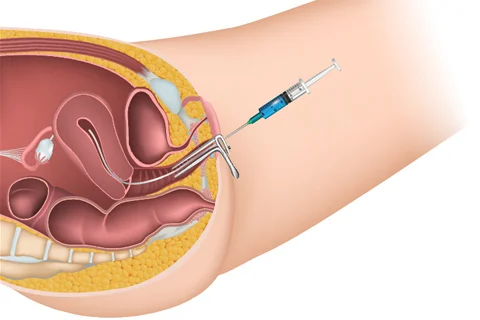
Egg freezing, also known as oocyte cryopreservation, is a process where a woman’s eggs are retrieved and frozen for future use. This is typically done through in vitro fertilization (IVF), where the eggs are harvested, frozen, and stored until the woman is ready to use them. This method is best for women who are not ready to have children yet but want to preserve their fertility for future use.
2. Embryo Freezing
Embryo freezing is similar to egg freezing, but instead of freezing individual eggs, the eggs are fertilized with sperm to create embryos. The embryos are then frozen and can be used for future IVF procedures. This method is ideal for women who have a partner and are ready to start a family, but may be facing medical treatments that could affect their fertility.
Fertility Preservation for Women: Understanding Your Options
3. Ovarian Tissue Freezing
Ovarian tissue freezing involves removing a small piece of the ovary and freezing it for future use. This method is still considered experimental, but it is an option for women who may not be able to undergo egg or embryo freezing due to medical reasons. The frozen ovarian tissue can be transplanted back into the woman’s body in the future, where it can potentially grow and produce eggs.
4. Hormonal Suppression
Hormonal suppression is a method of preserving fertility that involves taking medications to suppress ovulation. This method is often used for women who are undergoing cancer treatment and want to prevent damage to their ovaries. It can also be used for women who are at risk of premature menopause.
Factors to Consider
When considering fertility preservation options, there are several factors to keep in mind. These include age, medical history, personal preferences, and financial considerations. It is important to consult with a fertility specialist to understand which method may be the most suitable for your individual situation.
Benefits and Limitations
Each method of fertility preservation has its own benefits and limitations. Egg and embryo freezing have become more common and have a higher success rate, but they require a partner or donor sperm for fertilization. Ovarian tissue freezing is still considered experimental and may have a lower success rate. Hormonal suppression may not be effective for all women and may have side effects.
Summary
Fertility preservation is an important consideration for women who want to preserve their ability to have children in the future. With various options available, it is important to understand the basics of female fertility and the benefits and limitations of each method. Factors such as age, medical history, and personal preferences should also be taken into account when choosing a fertility preservation method.
In summary, fertility preservation for women includes options such as egg freezing, embryo freezing, ovarian tissue freezing, and hormonal suppression. Each method has its own benefits and limitations, and it is important to consult with a fertility specialist to determine the best option for your individual situation. With advancements in medical technology, women now have more options than ever before to preserve their fertility and have children when they are ready.