Fertility Treatment Showdown: Intrauterine Insemination vs Sperm Washing
When it comes to fertility treatments, there are many options available for couples struggling to conceive. Intrauterine insemination (IUI) and sperm washing are two popular procedures that can help increase the chances of pregnancy. But which one is the better choice? In this blog post, we’ll dive into the details of both IUI and sperm washing and compare them in terms of effectiveness, cost, and other important factors to help you make an informed decision.
What is Intrauterine Insemination?
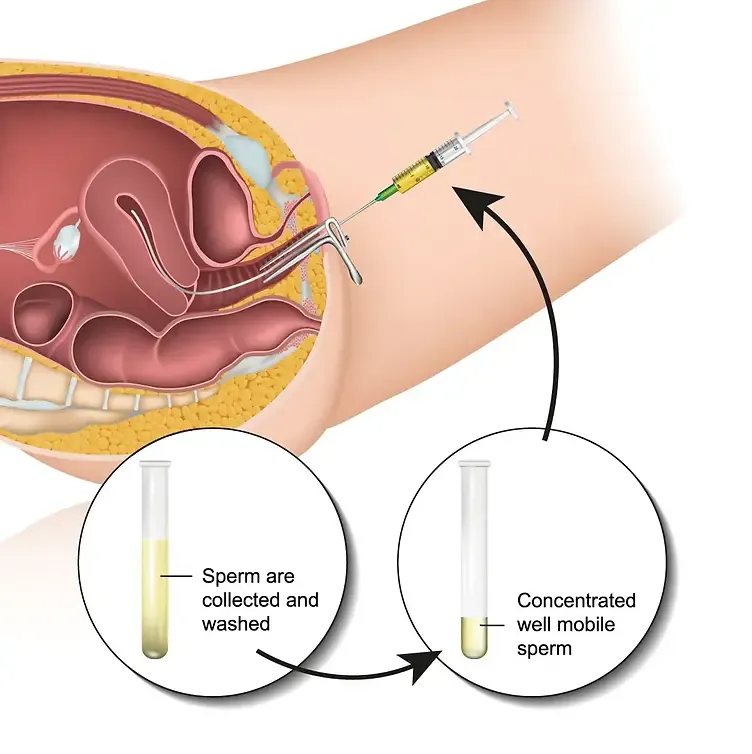
Intrauterine insemination, also known as artificial insemination, is a fertility treatment that involves placing washed and prepared sperm directly into the uterus during ovulation. This procedure is often used for couples who have unexplained infertility, mild male factor infertility, or cervical issues that may interfere with natural conception.
During the IUI process, the male partner’s sperm is collected and prepared in a lab to ensure that only the healthiest and most motile sperm are used. Then, a thin, flexible catheter is inserted through the cervix and into the uterus, where the sperm is deposited. This increases the chances of the sperm reaching and fertilizing the egg, as it bypasses any potential barriers in the cervix.
What is Sperm Washing?
Sperm washing, also known as sperm preparation, is a procedure that is often used in conjunction with other fertility treatments, such as in vitro fertilization (IVF). It involves separating the sperm from the semen to increase its concentration and remove any potential contaminants. This process is crucial for couples who are using donor sperm or for those with male factor infertility issues such as low sperm count or poor sperm motility.
The sperm washing process involves collecting a semen sample and then using a series of techniques, such as centrifugation and density gradient separation, to isolate the healthiest and most active sperm. The washed sperm is then used in other fertility procedures, such as IUI or IVF.
Effectiveness
Both IUI and sperm washing have been shown to increase the chances of pregnancy for couples struggling with fertility issues. However, the effectiveness of these procedures can vary depending on the specific circumstances and factors of each individual case.
Fertility Treatment Showdown: Intrauterine Insemination vs Sperm Washing
IUI has a success rate of around 10-20% per cycle, with the chances increasing with multiple cycles. On the other hand, sperm washing has a higher success rate, with studies showing a success rate of up to 70% when used in conjunction with IVF. The success rates of both procedures can also be affected by factors such as the age and health of the female partner, the quality of the sperm, and the timing of the procedure.
Cost
Cost is an important consideration for many couples when it comes to fertility treatments. In general, IUI is a more affordable option compared to sperm washing. The cost of a single IUI cycle can range from $500 to $1,000, while sperm washing can cost anywhere from $500 to $2,000, depending on the specific techniques used. However, it’s important to keep in mind that the overall cost of these procedures can vary greatly depending on the individual’s specific needs and factors.
Risks and Side Effects
Like any medical procedure, both IUI and sperm washing come with potential risks and side effects. IUI is a relatively safe procedure, with minimal risks of infection or damage to the uterus or cervix. Some women may experience mild cramping or spotting after the procedure, but these side effects usually subside quickly.
Sperm washing also has low risks of infection or complications, as the process involves using sterile techniques. However, some men may experience discomfort or swelling after the procedure due to the collection of the semen sample. Additionally, there is a small risk of damage to the sperm during the washing process, which could decrease the chances of success in fertility treatments.
Which One is Right for You?
The decision between IUI and sperm washing ultimately depends on factors such as the cause of infertility, cost, and personal preferences. For couples with unexplained infertility or mild male factor infertility, IUI may be a suitable and more affordable option. However, for those with more severe male factor infertility or using donor sperm, sperm washing may be necessary.
It’s important to consult with a fertility specialist to determine the best course of action for your specific situation. They can evaluate your medical history, perform necessary tests, and provide personalized recommendations for treatment.
Summary:
When it comes to fertility treatments, two popular options are intrauterine insemination (IUI) and sperm washing. IUI involves directly placing washed and prepared sperm into the uterus, while sperm washing involves isolating the healthiest sperm for use in other fertility procedures. Both have been shown to increase the chances of pregnancy, but their effectiveness, costs, and potential risks and side effects differ. It’s important to consult with a fertility specialist to determine the best option for your individual situation.