Summary:
Infertility is a heartbreaking and often frustrating experience for many women. It can be a long and difficult journey, filled with numerous treatments and procedures, with no guarantee of success. However, there is a glimmer of hope for those struggling with infertility – fertility preservation. This process allows women to preserve their fertility for future use, giving them a light at the end of the tunnel.
Fertility preservation involves freezing eggs, embryos, or ovarian tissue for use at a later time. This option is becoming increasingly popular among women who are facing infertility for various reasons, such as medical conditions, cancer treatments, or simply wanting to delay pregnancy.
The process of fertility preservation typically begins with fertility testing to assess a woman’s current fertility status. This may include blood tests, ultrasounds, and other diagnostic procedures. Once a woman’s fertility is evaluated, she can then decide on the best preservation method for her.
Egg freezing, also known as oocyte cryopreservation, is the most common form of fertility preservation. It involves retrieving a woman’s eggs, freezing them, and storing them for future use. This option is ideal for women who want to delay pregnancy for personal or professional reasons. It is also a viable option for those who are about to undergo cancer treatment, which can potentially harm their fertility.
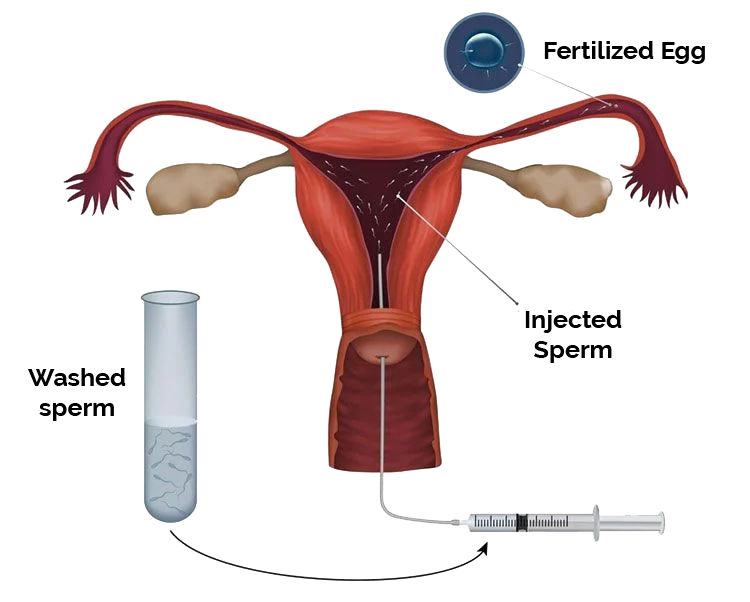
Fertility Preservation for Women with Infertility: A Light at the End of the Tunnel
Embryo freezing, or embryo cryopreservation, is similar to egg freezing, but instead of freezing individual eggs, the eggs are fertilized with sperm and then frozen as embryos. This option is often used by couples who are undergoing in vitro fertilization (IVF) and have extra embryos that they wish to preserve for future use.
Ovarian tissue freezing is a less common form of fertility preservation, but it is gaining popularity. It involves removing a piece of the ovary and freezing it for later use. This option is often recommended for women who are about to undergo cancer treatment that can damage their ovaries, but it can also be used for women with other fertility issues.
One of the major benefits of fertility preservation is that it gives women more control over their reproductive future. It allows them to delay pregnancy until they are emotionally and financially ready, without worrying about their declining fertility. It also provides hope for women who may not have been able to conceive naturally due to medical conditions or treatments.
Furthermore, fertility preservation can also have a positive impact on a woman’s mental and emotional well-being. The process can be a source of empowerment and comfort during a difficult time. It can also alleviate the stress and anxiety that often comes with trying to conceive.
However, it is important to note that fertility preservation is not a guarantee of future pregnancy. The success rates for using frozen eggs or embryos vary and are affected by various factors such as a woman’s age and overall health. It is also a costly procedure and may not be covered by insurance, making it inaccessible for some women.
In conclusion, fertility preservation offers a light at the end of the tunnel for women struggling with infertility. It provides an opportunity for them to preserve their fertility and have a chance at future pregnancy. It is a process that gives women more control over their reproductive future and can have a positive impact on their mental and emotional well-being. However, it is not a guarantee of success and may not be accessible to all women due to its high cost. Despite its limitations, fertility preservation remains a promising option for women facing infertility, giving them hope and a chance to start or expand their family in the future.