Tag: IVF

  • Male Factor Infertility Treatments: What to Expect and How to Prepare

    Infertility is a common issue that affects millions of couples worldwide. While many people tend to think of infertility as a female problem, the truth is that male factor infertility plays a significant role in about 30% of all infertility cases. This can be a frustrating and emotional experience for couples trying to conceive, but the good news is that there are various treatments available to help overcome male factor infertility. In this blog post, we will discuss what to expect and how to prepare for male factor infertility treatments.

    What is Male Factor Infertility?

    Male factor infertility refers to any fertility problem that originates from the male partner. This can include issues with sperm production, motility, or function. Some common causes of male factor infertility include hormonal imbalances, genetic disorders, and lifestyle factors such as smoking, excessive alcohol consumption, and drug use.

    Before starting any treatment for male factor infertility, it is essential to undergo a thorough evaluation to identify the specific cause of the issue. This may include a physical exam, semen analysis, hormone testing, and genetic testing. Once the cause has been determined, your doctor will recommend the most suitable treatment for you and your partner.

    Types of Male Factor Infertility Treatments

    1. Lifestyle Changes

    In some cases, making simple lifestyle changes can improve male fertility. This may include quitting smoking, reducing alcohol consumption, and maintaining a healthy diet and exercise routine. These changes can help improve sperm count, motility, and overall sperm health.

    2. Medications

    If a hormonal imbalance is the cause of male factor infertility, your doctor may prescribe medications to help regulate hormone levels. These medications may include clomiphene citrate, human chorionic gonadotropin (hCG), or gonadotropin-releasing hormone (GnRH) agonists. These drugs can help stimulate sperm production and improve fertility.

    3. Assisted Reproductive Technologies (ART)

    ART refers to a group of fertility treatments that involve handling eggs and sperm outside of the body. These treatments may be recommended for couples with severe male factor infertility or for those who have not been successful with other treatments.

    a. Intrauterine Insemination (IUI)

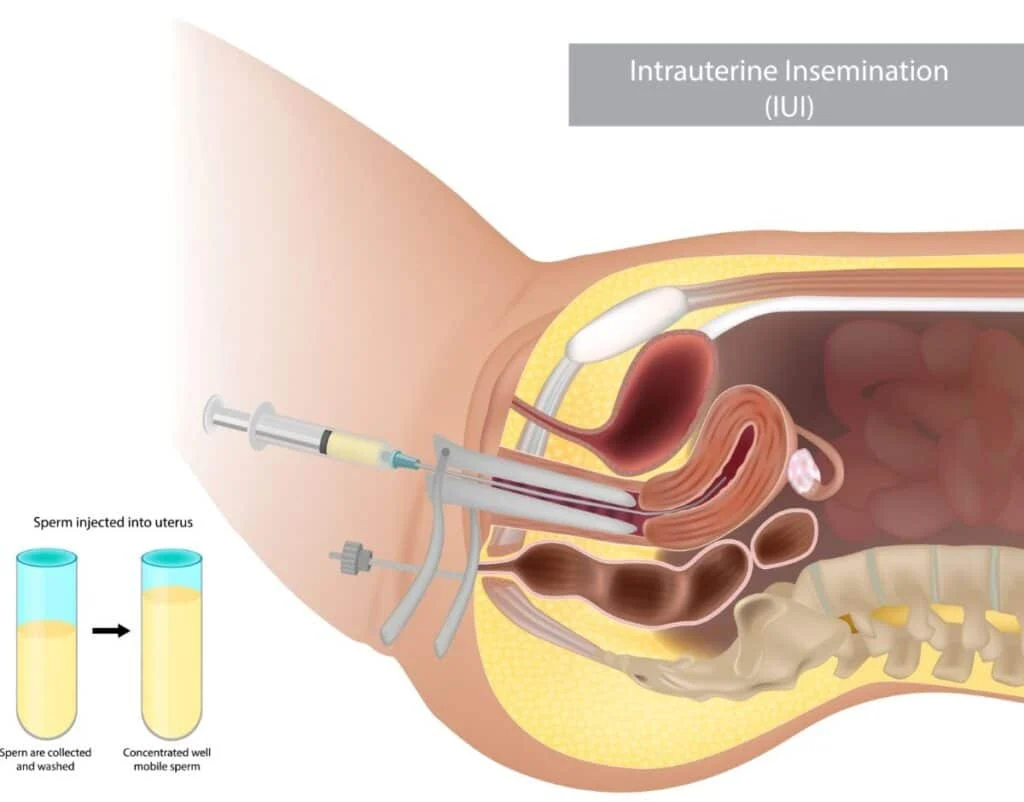
    IUI involves placing washed and concentrated sperm directly into the woman’s uterus during ovulation. This method can help bypass any issues with sperm motility or function and increase the chances of fertilization.

    b. In Vitro Fertilization (IVF)

    IVF is a more advanced form of ART that involves fertilizing eggs with sperm in a laboratory setting and then transferring the resulting embryo(s) into the woman’s uterus. This treatment can be used in cases of severe male factor infertility, as it allows for better selection and handling of sperm and can increase the chances of fertilization.
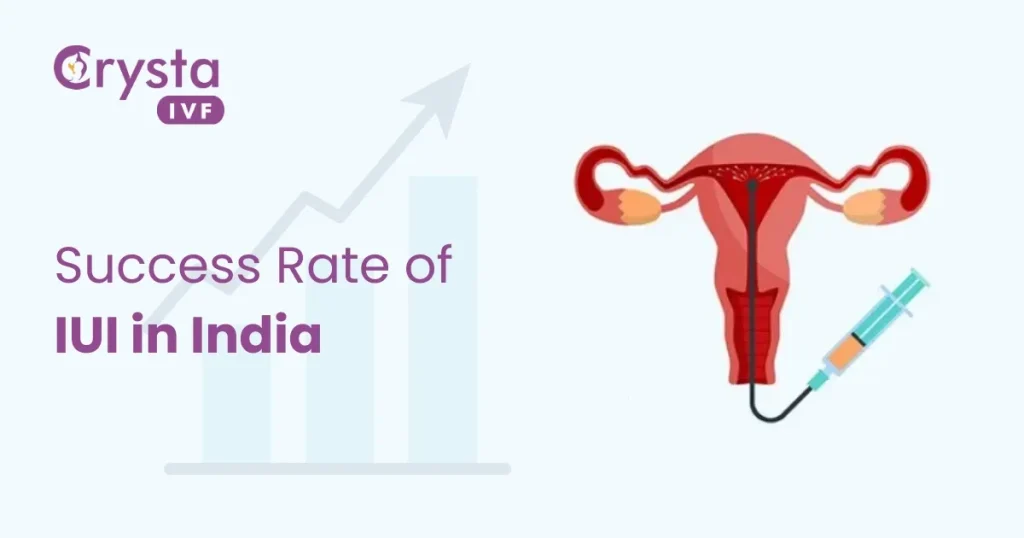
    success rate of IUI in India with a graphic of a uterus and syringe alongside a rising graph

    Male Factor Infertility Treatments: What to Expect and How to Prepare

    c. Intracytoplasmic Sperm Injection (ICSI)

    ICSI is a specialized form of IVF where a single sperm is injected directly into an egg. This treatment is often recommended for couples with severe male factor infertility, as it can help overcome issues with sperm motility, function, and low sperm count.

    4. Surgery

    In some cases, surgery may be recommended to correct any physical abnormalities that may be causing male factor infertility. This may include repairing a varicocele (enlarged veins in the testicles) or removing blockages in the reproductive tract.

    Preparing for Male Factor Infertility Treatments

    Preparing for male factor infertility treatments can be a daunting and emotional process. Here are some tips to help you and your partner prepare for this journey:

    1. Understand the Process

    It is essential to have a good understanding of the treatment process, including what it involves, the potential risks and side effects, and the success rates. This will help you and your partner prepare mentally and emotionally for the treatment.

    2. Communicate with Your Partner

    Infertility can be a challenging experience for both partners, and it is essential to communicate openly and support each other throughout the process. Discuss your feelings, fears, and expectations, and be there for each other during the highs and lows of treatment.

    3. Take Care of Your Physical and Mental Health

    Male factor infertility treatments can be physically and emotionally demanding, so it is crucial to take care of yourself. Eat a healthy diet, exercise regularly, and practice relaxation techniques to manage stress and anxiety.

    4. Seek Support

    Do not be afraid to reach out to family, friends, or a support group for help and advice. Having a strong support system can make a significant difference in coping with male factor infertility treatments.

    In summary, male factor infertility is a common issue that affects many couples, but there are various treatments available to help overcome it. These treatments may include lifestyle changes, medications, assisted reproductive technologies, and surgery. It is essential to undergo a thorough evaluation to determine the cause of male factor infertility and to prepare physically and emotionally for the treatment process. With the right support and mindset, couples can navigate through this journey and increase their chances of achieving their dream of starting a family.

  • Fertility Facts: Debunking Myths About Male and Female Factor Treatments

    Blog Post: Fertility Facts: Debunking Myths About Male and Female Factor Treatments

    Fertility is a topic that is often shrouded in myths and misconceptions, especially when it comes to male and female factor treatments. Many couples struggling to conceive may feel overwhelmed and confused by the conflicting information out there. In this blog post, we will explore some of the most common fertility myths and debunk them with facts about male and female factor treatments.

    Myth #1: Fertility Issues are Only a Woman’s Problem

    One of the most common misconceptions about fertility is that it is solely the woman’s responsibility to conceive. While it is true that women play a significant role in the process, fertility issues can also arise from male factors. In fact, 1 in 3 cases of infertility is due to male factors alone, and in another 1 in 3 cases, both male and female factors contribute to the problem.

    Male fertility issues can include low sperm count, poor sperm motility, and abnormal sperm morphology. These issues can be caused by various factors such as hormonal imbalances, genetic conditions, and lifestyle choices. It is essential for both partners to undergo fertility testing to determine the root cause of their infertility and receive appropriate treatment.

    Myth #2: Fertility Problems are Rare

    Another misconception about fertility is that it is a rare problem. However, the reality is that infertility affects around 1 in 8 couples worldwide. It is a common issue that can be caused by various factors, including age, health conditions, and lifestyle choices. It is crucial for couples to seek help if they have been trying to conceive for over a year without success.

    Myth #3: Infertility is Always a Woman’s Fault

    Infertility is not a woman’s fault, and it is not something that can be controlled. Many factors contribute to fertility problems, including age, health conditions, and genetics. While women are often blamed for infertility, the truth is that it is a shared responsibility between both partners. It is essential to approach fertility as a team and support each other throughout the process.

    Myth #4: Fertility Treatment is Only for Women

    Another myth surrounding fertility is that treatment is only available for women. However, advancements in technology have made it possible for men to receive treatments for their fertility issues. Male factor treatments include lifestyle changes, medication, surgery, and assisted reproductive techniques such as intrauterine insemination (IUI) and in vitro fertilization (IVF). It is crucial for men to seek professional help if they are experiencing fertility problems.

    Myth #5: IVF is the Only Option for Infertility

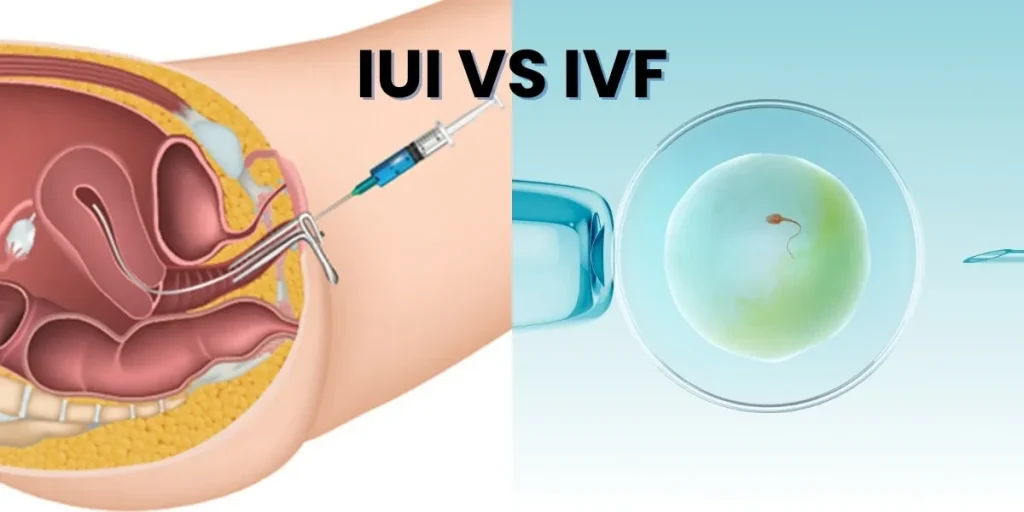
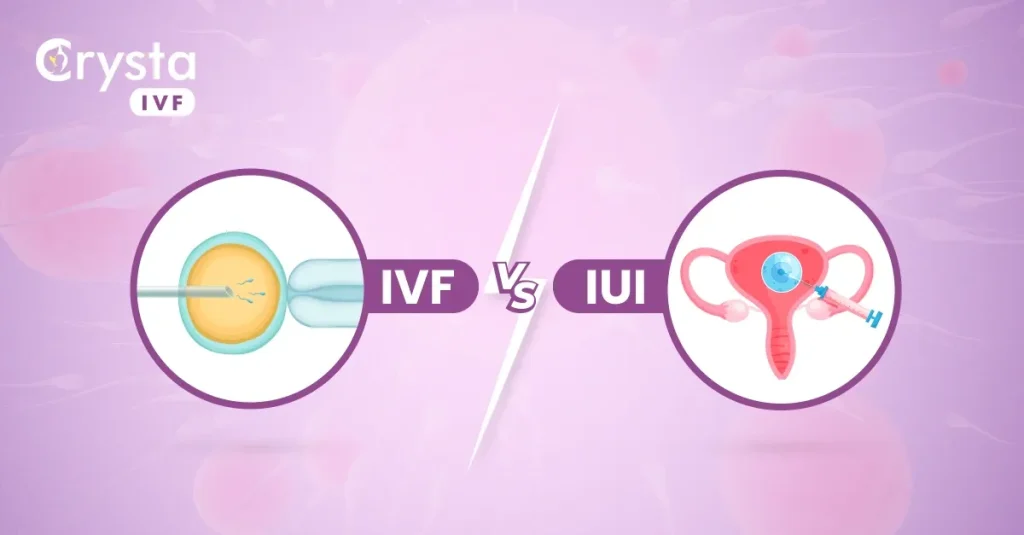
    Comparison of IVF and IUI procedures with illustrations of each method.

    Fertility Facts: Debunking Myths About Male and Female Factor Treatments

    In vitro fertilization (IVF) is a well-known fertility treatment that involves fertilizing an egg with sperm in a lab and then transferring the embryo into the woman’s uterus. While IVF has a high success rate, it is not the only option for couples struggling with infertility. Depending on the cause of infertility, other treatments such as medication, surgery, and intrauterine insemination (IUI) may be recommended by a fertility specialist. It is essential to consult with a specialist to determine the best course of treatment for each individual case.

    Myth #6: Fertility Treatment is Always Expensive

    The cost of fertility treatment varies depending on the type of treatment, location, and individual circumstances. While some treatments can be costly, there are also affordable options available, such as medication and lifestyle changes. Many fertility clinics also offer financing options and discounts to make treatment more accessible to couples.

    Myth #7: Fertility Treatment Always Results in Multiple Births

    One of the most common fears about fertility treatment is the risk of multiple births. While it is true that some treatments, such as IVF, can increase the chances of multiple births, it is not always the case. With advancements in technology and medical protocols, fertility specialists can now control and monitor the number of embryos transferred to reduce the risk of multiple births.

    Myth #8: Age Does Not Affect Male Fertility

    While women are often warned about the impact of age on their fertility, men are often left out of the conversation. The truth is that age does play a role in male fertility. As men age, their sperm quality and quantity decrease, making it more challenging to conceive. It is crucial for couples to be aware of this and seek help if they have been trying to conceive for over a year.

    Myth #9: Lifestyle Choices Do Not Affect Fertility

    Many lifestyle choices can have a significant impact on fertility for both men and women. These choices include smoking, excessive alcohol consumption, drug use, and a poor diet. These habits can affect hormone levels, sperm quality, and overall reproductive health. It is essential for couples to make healthy lifestyle choices to improve their chances of conceiving.

    Myth #10: Fertility Treatment is Guaranteed to Work

    While fertility treatment has a high success rate, it is not a guarantee. The success of treatment depends on various factors, including the cause of infertility, age, and overall health. It is essential for couples to have realistic expectations and be prepared for multiple treatment cycles if needed.

    In conclusion, there are many myths surrounding male and female factor treatments for fertility. It is essential for couples to educate themselves and seek help from a fertility specialist to receive accurate information and appropriate treatment. Remember, fertility is a shared responsibility, and it is crucial to support each other through the journey.

  • From Hormone Therapy to IVF: Treating Female Factor Infertility

    From Hormone Therapy to IVF: Treating Female Factor Infertility

    Infertility affects approximately 15% of couples worldwide, and female factor infertility is the cause in about one-third of these cases. Female factor infertility refers to the inability of a woman to become pregnant or carry a pregnancy to full term due to issues with her reproductive system. This can include problems with ovulation, the fallopian tubes, or the uterus. Fortunately, advancements in medical technology have provided various treatment options for women struggling with this condition. In this blog post, we will discuss the different stages of treatment for female factor infertility, from hormone therapy to in vitro fertilization (IVF).

    Hormone Therapy

    Hormone therapy is often the first line of treatment for female factor infertility. It involves taking medication to regulate the hormones involved in the menstrual cycle and ovulation. The most common hormone used in this type of treatment is clomiphene citrate, also known as Clomid. This medication helps stimulate the ovaries to produce more eggs, increasing the chances of conception. It is usually taken orally for five days at the beginning of a woman’s menstrual cycle.

    Another type of hormone therapy is gonadotropins, which are injected to stimulate the ovaries directly. This treatment is often recommended for women who do not respond to clomiphene citrate or have other fertility issues, such as polycystic ovary syndrome (PCOS). Gonadotropins can also increase the chances of conceiving multiples, so close monitoring by a fertility specialist is crucial.

    Hormone therapy has a success rate of around 20-60% depending on the cause of infertility. It is a less invasive and less expensive option compared to other treatments, making it an excellent first step for many couples.

    Intrauterine Insemination (IUI)

    If hormone therapy does not result in pregnancy, the next step is often intrauterine insemination (IUI). This procedure involves placing sperm directly into the woman’s uterus using a catheter. It is often used for couples where the male partner has low sperm count or mobility issues. It can also be recommended for women with cervical issues or those who have trouble conceiving due to endometriosis.

    IUI is a relatively simple and painless procedure that can be performed in a fertility clinic. The woman is usually prescribed fertility drugs to stimulate ovulation, and the IUI is performed around the time of ovulation. The success rate of IUI varies but is typically around 10-20% per cycle. It is a less expensive option compared to in vitro fertilization (IVF) but may require multiple attempts to achieve pregnancy.

    In Vitro Fertilization (IVF)

    In vitro fertilization (IVF) is the most well-known and widely used fertility treatment for female factor infertility. It involves retrieving eggs from the woman’s ovaries, fertilizing them with sperm in a laboratory, and then transferring the resulting embryo(s) to the woman’s uterus.

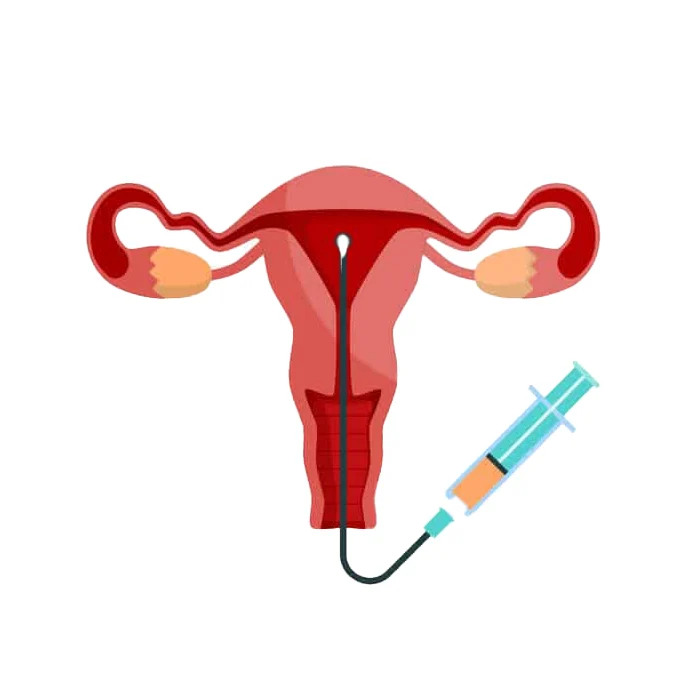
    illustration of intrauterine insemination procedure with a syringe and catheter in the uterus.

    From Hormone Therapy to IVF: Treating Female Factor Infertility

    The process of IVF usually begins with ovarian stimulation, where the woman is given fertility drugs to stimulate her ovaries to produce multiple eggs. The eggs are then retrieved through a minor surgical procedure and fertilized with sperm in a laboratory. The resulting embryos are monitored for a few days before being transferred back into the woman’s uterus.

    IVF can be a physically and emotionally demanding process, and it is also the most expensive fertility treatment option. However, it has a higher success rate compared to other treatments, with an average success rate of 40% per cycle. It is also a suitable option for women with more severe fertility issues, such as blocked fallopian tubes or endometriosis.

    Intracytoplasmic Sperm Injection (ICSI)

    For couples where male factor infertility is the primary issue, intracytoplasmic sperm injection (ICSI) may be recommended. This procedure involves injecting a single sperm directly into an egg in the laboratory. The fertilized egg is then transferred back into the woman’s uterus, similar to the IVF process.

    ICSI is often used when the male partner has a low sperm count or issues with sperm quality or motility. It can also be used in cases where previous IVF attempts have failed. The success rate of ICSI is similar to that of IVF, with an average of 40% per cycle.

    Egg Donation and Surrogacy

    For women who are unable to produce viable eggs or have conditions that make it impossible to carry a pregnancy, egg donation and surrogacy are viable options. Egg donation involves using donated eggs from another woman, fertilizing them with sperm in a laboratory, and transferring the resulting embryo(s) to the intended mother’s uterus. Surrogacy, on the other hand, involves using a surrogate mother to carry the pregnancy to term.

    Egg donation and surrogacy can be costly processes and often involve legal and ethical considerations. However, they can be life-changing options for women and couples who have exhausted other treatment options.

    In Conclusion

    Female factor infertility can be a challenging condition for women and couples trying to conceive. However, with the advancements in medical technology and fertility treatments, many women can still achieve their dream of becoming mothers. From hormone therapy to IVF, there are various options available, and it is essential to work closely with a fertility specialist to determine the best treatment plan for each individual case.

    Summary: Female factor infertility refers to the inability of a woman to become pregnant or carry a pregnancy to full term due to issues with her reproductive system. Hormone therapy, intrauterine insemination (IUI), in vitro fertilization (IVF), intracytoplasmic sperm injection (ICSI), egg donation, and surrogacy are all treatment options for female factor infertility. Hormone therapy and IUI are less expensive and less invasive options, while IVF has a higher success rate. ICSI is recommended for male factor infertility, and egg donation and surrogacy are options for women who are unable to produce viable eggs or carry a pregnancy. It is crucial to work with a fertility specialist to determine the best treatment plan for each individual case.

  • Fertility Equality: Examining the Differences Between Male and Female Factor Treatments

    Fertility Equality: Examining the Differences Between Male and Female Factor Treatments

    Fertility is a deeply personal and often sensitive topic for many individuals and couples. The ability to conceive and have children is often seen as a fundamental part of life, and for those facing challenges with fertility, it can be a difficult and emotional journey. In recent years, there has been a growing movement towards fertility equality, which aims to address the disparities and inequalities in access to fertility treatments for both men and women. However, when it comes to the treatments themselves, there are significant differences between male and female factor treatments. In this blog post, we will examine these differences and explore the various options available for individuals and couples facing fertility challenges.

    The Basics of Fertility

    Before delving into the differences between male and female factor treatments, it is important to understand the basics of fertility. Fertility is the natural ability to conceive and have children, and it is influenced by a variety of factors such as age, genetics, lifestyle, and underlying medical conditions. For women, fertility is mainly determined by the health and function of their reproductive organs, specifically the ovaries, fallopian tubes, and uterus. On the other hand, for men, fertility is primarily linked to the quality and quantity of their sperm.

    Male Factor Treatments

    When it comes to fertility treatments, men have fewer options compared to women. The most common male factor treatment is intrauterine insemination (IUI), also known as artificial insemination. This involves inserting washed and concentrated sperm directly into the woman’s uterus during ovulation. IUI is often recommended for couples with unexplained infertility, low sperm count, or mild male factor infertility.

    Another option for men is intracytoplasmic sperm injection (ICSI), which is used in conjunction with in vitro fertilization (IVF). ICSI involves injecting a single sperm directly into the woman’s egg, bypassing any potential issues with the sperm’s ability to reach and fertilize the egg. This is often recommended for couples with severe male factor infertility, such as low sperm count or poor sperm motility.

    In some cases, men may also undergo surgical procedures to address underlying conditions that may be affecting their fertility. These procedures include varicocele repair, which involves repairing enlarged veins in the scrotum, and testicular sperm extraction (TESE), which is used to retrieve sperm directly from the testicles when there is a blockage in the male reproductive system.

    Female Factor Treatments

    For women, there are a variety of fertility treatments available, depending on the underlying cause of their infertility. The most common treatment is ovulation induction, which involves taking medication to stimulate the ovaries to produce multiple eggs. This is often used in combination with IUI or IVF to increase the chances of conception.

    comparison of IUI and IVF fertility treatments with illustrations of procedures and a petri dish with an egg and sperm

    Fertility Equality: Examining the Differences Between Male and Female Factor Treatments

    In vitro fertilization (IVF) is a widely used fertility treatment that involves retrieving eggs from the woman’s ovaries, fertilizing them with sperm in a laboratory, and then transferring the resulting embryos into the woman’s uterus. IVF is recommended for a variety of fertility issues, including blocked fallopian tubes, endometriosis, and unexplained infertility.

    For women with structural issues in their reproductive organs, procedures like hysteroscopy or laparoscopy may be recommended. Hysteroscopy involves inserting a thin, flexible tube with a camera into the uterus to diagnose and treat issues such as uterine fibroids or polyps. Laparoscopy is a minimally invasive surgery that can be used to diagnose and treat conditions like endometriosis or blocked fallopian tubes.

    Challenges and Inequalities in Fertility Treatments

    Despite the availability of various fertility treatments, there are still significant challenges and inequalities when it comes to accessing them. For example, IVF can be a costly treatment, with an average cost of $12,000-$15,000 per cycle. This high cost can be a barrier for many couples, especially those without insurance coverage for fertility treatments.

    In addition, there are cultural and societal stigmas surrounding fertility treatments, which can make it difficult for individuals and couples to seek help. Women, in particular, may face more pressure and judgment when it comes to fertility, as society often places a greater emphasis on a woman’s ability to conceive and bear children.

    Furthermore, there is a lack of awareness and education about male fertility issues, leading to a focus on female fertility and potential blame being placed on women. This perpetuates the idea that fertility is solely a female issue, and men may not seek help or be included in discussions about fertility treatments.

    Moving Towards Fertility Equality

    The concept of fertility equality aims to address these challenges and inequalities, advocating for equal access and support for individuals and couples facing fertility issues. This includes raising awareness about male fertility issues, providing insurance coverage for fertility treatments, and reducing societal stigma and pressure surrounding fertility.

    In recent years, there have been promising developments towards fertility equality. For example, some states in the US have passed laws requiring insurance companies to provide coverage for fertility treatments. There has also been a growing movement towards destigmatizing fertility treatments and promoting open discussions about fertility.

    Summary

    Fertility is a complex and personal topic, and there are significant differences between male and female factor treatments. For men, options may be limited to procedures like IUI and ICSI, while women have a wider range of treatments available such as ovulation induction and IVF. However, there are still challenges and inequalities in accessing these treatments, and the concept of fertility equality aims to address these issues through increased awareness, support, and equal access to fertility treatments.

  • The Battle of the Sexes: Comparing Male and Female Factor Infertility Treatments

    The Battle of the Sexes: Comparing Male and Female Factor Infertility Treatments

    Infertility affects millions of couples around the world, and it can be a physically and emotionally taxing experience. While both men and women can struggle with infertility, the causes and treatment options may differ between the sexes. In this blog post, we will explore the battle of the sexes when it comes to infertility, specifically looking at the causes and treatments for male and female factor infertility.

    Understanding Male and Female Factor Infertility

    Infertility is defined as the inability to conceive after 12 months of trying to conceive without using any form of birth control. It affects approximately 1 in 8 couples, and it can be caused by a variety of factors. Male factor infertility refers to issues with the man’s reproductive system, such as low sperm count or motility, while female factor infertility refers to issues with the woman’s reproductive system, such as hormonal imbalances or blocked fallopian tubes.

    Causes of Male Factor Infertility

    Male factor infertility can be caused by a variety of factors, including:

    1. Low sperm count: A low sperm count, also known as oligospermia, refers to having fewer than 15 million sperm per milliliter of semen. This can make it difficult for the sperm to reach and fertilize the egg.

    2. Poor sperm motility: Sperm motility refers to the ability of sperm to swim and move towards the egg. If the sperm has poor motility, it may not be able to reach and fertilize the egg.

    3. Abnormal sperm shape: Sperm with abnormal shapes may have difficulty penetrating the egg and fertilizing it.

    4. Varicocele: This is a condition where the veins in the scrotum are enlarged, causing an increase in temperature that can affect sperm production.

    5. Hormonal imbalances: Hormonal imbalances, such as low testosterone levels, can affect sperm production and quality.

    Causes of Female Factor Infertility

    Female factor infertility can be caused by a variety of factors, including:

    1. Ovulation disorders: Disorders such as polycystic ovary syndrome (PCOS) can affect ovulation and make it difficult for a woman to conceive.

    Diagram illustrating intrauterine insemination (IUI) procedure with sperm injection into the uterus.

    The Battle of the Sexes: Comparing Male and Female Factor Infertility Treatments

    2. Blocked fallopian tubes: If the fallopian tubes are blocked, the sperm may not be able to reach the egg for fertilization.

    3. Endometriosis: This is a condition where the tissue that lines the uterus grows outside of it, affecting fertility.

    4. Uterine issues: Structural issues with the uterus, such as fibroids or polyps, can affect fertility.

    5. Age: As women age, their fertility declines, and they may have difficulty conceiving.

    Treatments for Male Factor Infertility

    The most common treatment for male factor infertility is intrauterine insemination (IUI). During this procedure, washed and concentrated sperm is placed directly into the woman’s uterus around the time of ovulation. This increases the chances of fertilization and pregnancy. In cases of severe male factor infertility, in vitro fertilization (IVF) may be recommended. This involves retrieving sperm directly from the testicles and fertilizing the egg in a laboratory setting before transferring the embryo into the woman’s uterus.

    Other treatments for male factor infertility include surgery to repair varicocele or remove blockages in the reproductive system, and medication to address hormonal imbalances.

    Treatments for Female Factor Infertility

    The most common treatment for female factor infertility is ovulation induction, which involves taking medication to stimulate the ovaries and increase the chances of ovulation. This is often combined with IUI to increase the chances of fertilization.

    If the fallopian tubes are blocked or damaged, surgery may be recommended to repair or remove the blockages. In cases of severe female factor infertility, IVF may be recommended, where the eggs are retrieved from the ovaries, fertilized in a laboratory, and then transferred into the woman’s uterus.

    Lifestyle changes, such as maintaining a healthy weight and avoiding smoking and excessive alcohol consumption, can also improve fertility in women.

    Comparing Male and Female Factor Infertility Treatments

    There are a few key differences between the treatments for male and female factor infertility. While IUI is a common treatment for both, it is often combined with ovulation induction in the case of female factor infertility. Additionally, IVF is more commonly used for severe male factor infertility, while surgery may be recommended for severe female factor infertility.

    It’s also important to note that fertility treatments can be costly and emotionally draining, and success rates vary depending on the cause of infertility and individual factors.

    In summary, infertility is a common issue that can affect both men and women, but the causes and treatments may differ between the sexes. While male factor infertility is often treated with IUI or IVF, female factor infertility may require ovulation induction or surgery. With advancements in technology and medicine, there is hope for couples struggling with infertility to achieve their dream of having a child.

  • Frozen Donor Sperm: An Alternative for Couples Struggling with Male Infertility

    Frozen Donor Sperm: An Alternative for Couples Struggling with Male Infertility

    Infertility affects millions of couples worldwide, with male infertility being a major contributing factor. While there are various treatments available for male infertility, not all couples are able to conceive using their own sperm. In such cases, frozen donor sperm can be a viable option for couples who are struggling to conceive. In this blog post, we will explore the concept of frozen donor sperm and how it can provide hope for couples facing male infertility.

    What is Frozen Donor Sperm?

    Frozen donor sperm, also known as donor insemination, is a process in which sperm from a donor is used to fertilize a woman’s egg in order to achieve pregnancy. The sperm is collected from a healthy, screened donor and then frozen for future use. This method of conception has been used for decades and has helped countless couples achieve their dream of parenthood.

    Why is Frozen Donor Sperm Used?

    There are several reasons why couples may choose to use frozen donor sperm. The most common reason is male infertility. This may be due to low sperm count, poor sperm quality, or other medical conditions that prevent the man from producing viable sperm. In such cases, using donor sperm can greatly increase the chances of a successful pregnancy.

    Another reason for using frozen donor sperm is for couples who are carriers of genetic diseases. In such cases, using donor sperm from a non-carrier can eliminate the risk of passing on the disease to the child. This is particularly beneficial for couples with a family history of genetic disorders.

    The Process of Using Frozen Donor Sperm

    The process of using frozen donor sperm starts with selecting a suitable donor. Couples can choose from a variety of options such as physical traits, education, and medical history. Once the donor is chosen, the sperm is thawed and prepared for insemination. This can be done through intrauterine insemination (IUI) or in vitro fertilization (IVF).

    illustration of a uterus with a syringe for intrauterine insemination (IUI) procedure

    Frozen Donor Sperm: An Alternative for Couples Struggling with Male Infertility

    IUI involves the insertion of the thawed sperm directly into the woman’s uterus during ovulation. This method is less invasive and less expensive compared to IVF. However, IVF may be recommended for couples who have not been successful with IUI or have other fertility issues.

    Benefits of Using Frozen Donor Sperm

    One of the main benefits of using frozen donor sperm is that it eliminates the need for a male partner. This is particularly beneficial for single women or same-sex couples who want to start a family. It also provides hope for couples struggling with male infertility, giving them a chance to conceive and have a biological child.

    Another benefit is the ability to choose a donor based on specific traits. This can be reassuring for couples who have a family history of certain medical conditions or want a donor with similar physical characteristics. Additionally, using frozen donor sperm can be less expensive than other fertility treatments, making it a more affordable option for some couples.

    Things to Consider

    While using frozen donor sperm can be a great option for couples struggling with male infertility, there are a few things to consider before making the decision. It is important to thoroughly research and choose a reputable sperm bank to ensure the quality and safety of the donor sperm. It is also recommended to speak with a fertility specialist to discuss the best treatment plan and any potential risks or complications.

    Another important factor to consider is the emotional aspect of using donor sperm. Some couples may struggle with the idea of using a donor and may need to seek counseling to work through any feelings of loss or inadequacy.

    In Summary

    Frozen donor sperm can be a viable option for couples struggling with male infertility. It involves using sperm from a healthy donor to fertilize a woman’s egg, providing hope for couples who want to start a family but are unable to use their own sperm. The process is safe, effective, and allows for the selection of specific donor traits. However, it is important to carefully consider all aspects of using donor sperm before making a decision.

  • Frozen Donor Sperm vs Fresh Donor Sperm: The Impact on the Success Rate of IVF

    In recent years, there has been a significant increase in the use of assisted reproductive technology, particularly in vitro fertilization (IVF). As more people turn to IVF as a solution for fertility issues, the demand for donor sperm has also risen. However, when it comes to donor sperm, there are two options available – frozen or fresh. Both have their own advantages and disadvantages, but the question remains, which one has a higher success rate for IVF? In this blog post, we will explore the differences between frozen and fresh donor sperm and their impact on the success rate of IVF.

    Frozen Donor Sperm:
    Frozen donor sperm refers to sperm that has been collected, processed, and stored at a sperm bank or fertility clinic. It is typically frozen using liquid nitrogen and can be stored for many years. Frozen donor sperm is usually used in cases where the male partner is unable to produce sperm, or in cases where a single or same-sex female couple is seeking IVF treatment.

    Advantages of Frozen Donor Sperm:
    1. Availability: Frozen donor sperm is readily available at sperm banks and fertility clinics. This means that the selection process for a suitable donor is often quicker and more convenient.
    2. Cost: Frozen donor sperm is usually less expensive than fresh donor sperm, making it a more affordable option for couples seeking IVF treatment.
    3. Lower risk of disease transmission: Frozen donor sperm is stored and screened for any potential diseases before being used, reducing the risk of disease transmission to the recipient.
    4. Longer storage time: Frozen donor sperm can be stored for many years, allowing for multiple rounds of IVF treatment if needed.

    Disadvantages of Frozen Donor Sperm:
    1. Sperm quality: Frozen sperm may not survive the freezing and thawing process, resulting in a lower sperm count and reduced sperm quality.
    2. Limited genetic information: Unlike fresh donor sperm, which allows for more recent and updated genetic information, frozen donor sperm may have limited genetic information available.
    3. Thawing process: The process of thawing frozen sperm can sometimes result in damage to the sperm, affecting its quality and viability.

    Fresh Donor Sperm:
    Fresh donor sperm refers to sperm that is collected and used immediately for IVF treatment. Unlike frozen sperm, it is not stored for a certain period of time.

    Advantages of Fresh Donor Sperm:
    1. Higher sperm quality: Fresh donor sperm is typically of higher quality as it has not gone through the process of freezing and thawing.
    2. More recent genetic information: With fresh donor sperm, there is usually more recent and updated genetic information available, allowing for a more accurate selection process.
    3. More viable sperm: As fresh sperm is used immediately, there is a higher chance of more viable sperm being available for IVF treatment.

    diagram of the female reproductive system with an IUI syringe and test tube for artificial insemination

    Frozen Donor Sperm vs Fresh Donor Sperm: The Impact on the Success Rate of IVF

    Disadvantages of Fresh Donor Sperm:
    1. Availability: Fresh donor sperm may not be readily available, as it relies on the availability and schedule of the donor.
    2. Cost: Fresh donor sperm is typically more expensive than frozen donor sperm, making it a less affordable option for couples seeking IVF treatment.
    3. Risk of disease transmission: Fresh donor sperm may not have been screened for potential diseases, increasing the risk of disease transmission to the recipient.
    4. Limited storage time: Unlike frozen donor sperm, fresh sperm cannot be stored for long periods, limiting the number of IVF treatments that can be done.

    Impact on the Success Rate of IVF:
    The success rate of IVF depends on many factors, including the quality of the sperm used. Both frozen and fresh donor sperm have their own advantages and disadvantages, but which one has a higher success rate for IVF?

    Studies have shown that there is no significant difference in the success rates between frozen and fresh donor sperm. However, some factors may affect the success rates of each option. For frozen donor sperm, the freezing and thawing process may result in reduced sperm quality, affecting the success rate. On the other hand, for fresh donor sperm, the availability and timing of the sperm may impact the success rate as well.

    Ultimately, the success rate of IVF using donor sperm depends on the individual circumstances and the quality of the sperm used. It is essential to discuss the options with a fertility specialist to determine which option is best for each individual case.

    In conclusion, both frozen and fresh donor sperm have their own pros and cons, but they have a similar success rate when it comes to IVF. Factors such as sperm quality, availability, and cost may play a role in determining which option is best for a particular couple. It is crucial to consider all these factors and consult with a fertility specialist to make an informed decision.

    SEO metadata:

  • Medical Insemination and Success Rates: What You Need to Know

    Blog Post Title: Medical Insemination and Success Rates: What You Need to Know

    Medical insemination, also known as artificial insemination, is a fertility treatment that involves placing sperm directly into a woman’s uterus to increase the chances of conception. This procedure has been used for decades and has helped many couples and single individuals achieve their dream of starting a family. However, there are still many misconceptions and questions surrounding medical insemination and its success rates. In this blog post, we will discuss everything you need to know about medical insemination and its success rates.
    Types of Medical Insemination

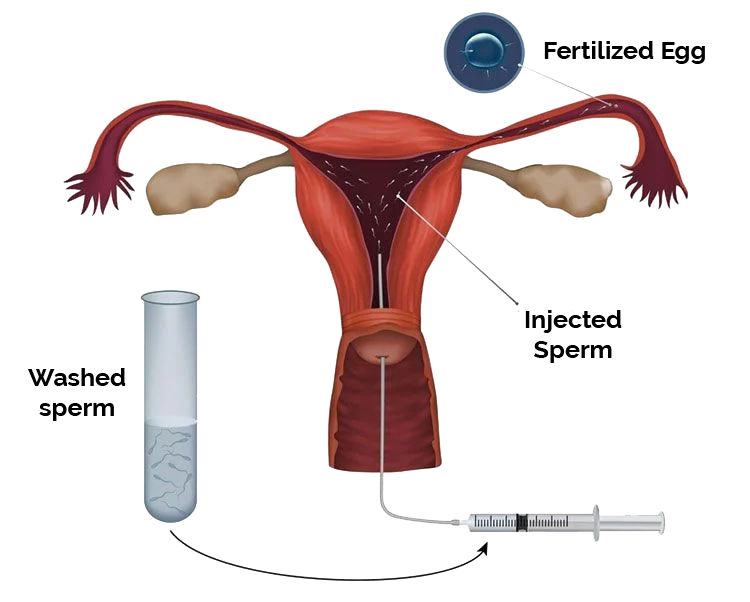
    There are two main types of medical insemination – intrauterine insemination (IUI) and intracervical insemination (ICI). IUI is the more commonly used method and involves placing washed and concentrated sperm directly into the uterus. This is typically done around the time of ovulation to increase the chances of the sperm reaching the egg. ICI, on the other hand, involves placing unwashed sperm into the cervix using a catheter. This method is less commonly used and is often done at home by the patient.

    Success Rates of Medical Insemination

    The success rates of medical insemination vary depending on various factors such as age, underlying fertility issues, and the type of insemination used. Generally, the success rates for IUI range from 10% to 20% per cycle, while the success rates for ICI range from 5% to 15% per cycle. It is important to note that these success rates may also be affected by the quality of the sperm used, the timing of the procedure, and the overall health of the woman.

    Factors Affecting Success Rates

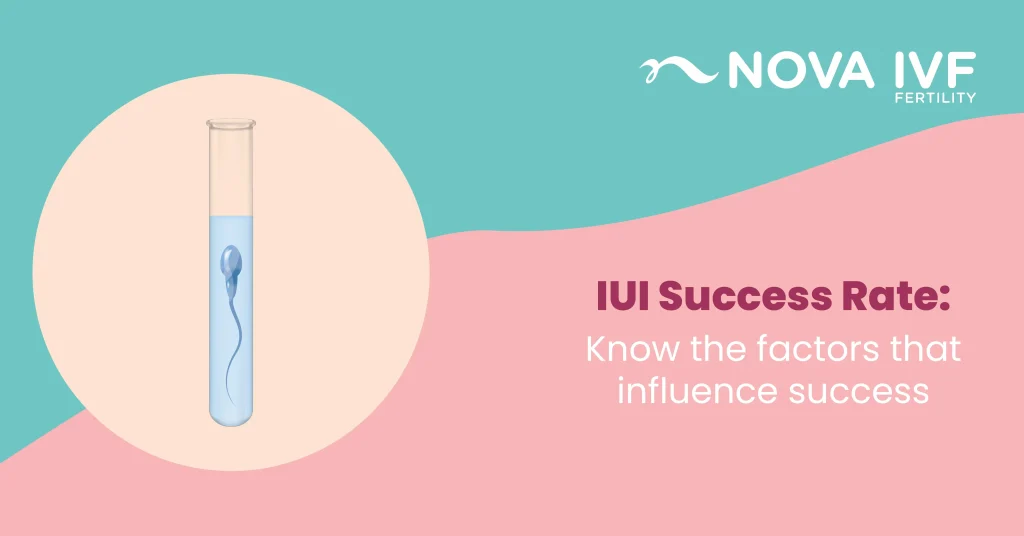
    test tube with sperm in blue liquid, promoting IUI success rate and factors influencing fertility.

    Medical Insemination and Success Rates: What You Need to Know

    As mentioned earlier, there are various factors that can affect the success rates of medical insemination. Age is a significant factor, as fertility declines with age, especially in women over the age of 35. Women with underlying fertility issues such as blocked fallopian tubes or endometriosis may also have lower success rates with medical insemination. Additionally, the quality of sperm used can also impact the success rates. If the sperm is of poor quality or low count, it may decrease the chances of successful insemination.

    Lifestyle Changes to Improve Success Rates

    While medical insemination can increase the chances of conception, there are also some lifestyle changes that can further improve success rates. Maintaining a healthy weight, avoiding alcohol and smoking, and reducing stress levels can all contribute to a healthier reproductive system and increase the chances of successful insemination. It is also recommended to start taking folic acid and other prenatal vitamins before attempting medical insemination to improve the chances of a healthy pregnancy.

    Risks and Side Effects

    As with any medical procedure, there are some risks and potential side effects associated with medical insemination. The most common side effects include cramping, spotting, and mild discomfort during or after the procedure. In rare cases, some women may experience an allergic reaction to the sperm used in the insemination. There is also a small risk of infection, although this is rare. It is essential to discuss any potential risks with your doctor before undergoing medical insemination.

    Other Options for Fertility Treatment

    If medical insemination is not a suitable option for you, there are other fertility treatments available. In vitro fertilization (IVF) is a more invasive procedure that involves retrieving eggs from the ovaries, fertilizing them with sperm in a laboratory, and transferring the embryo(s) back into the uterus. IVF has a higher success rate than medical insemination, but it is also more costly and involves more medical procedures.

    In summary, medical insemination is a commonly used fertility treatment that can help individuals and couples conceive. Its success rates vary depending on various factors, and it is essential to discuss your individual situation with a fertility specialist. While medical insemination may not be suitable for everyone, there are other options available, and making lifestyle changes can also improve success rates. It is essential to understand the risks and potential side effects before undergoing any fertility treatment.

  • Exploring the Ethics of Fertility Medications vs Surgical Treatments

    Blog Post:

    In today’s world, couples who struggle with fertility issues have more options than ever before. From fertility medications to surgical treatments, there are various routes for couples to take in their journey to parenthood. However, with these options come ethical considerations that must be carefully examined. In this blog post, we will explore the ethics of fertility medications versus surgical treatments, and the various factors that come into play when making this decision.

    Fertility Medications:

    Fertility medications, also known as fertility drugs, are medications that are used to stimulate ovulation in women or improve sperm production in men. These medications work by regulating hormones in the body that are responsible for fertility. The most common fertility medications include Clomid, Letrozole, and Gonadotropins.

    One of the main ethical concerns surrounding fertility medications is their potential side effects. These drugs can cause multiple births, which can pose a risk to both the mother and the babies. In addition, some fertility medications have been linked to an increased risk of ovarian cancer. This risk may be higher for women who have used these medications for multiple cycles. It is important for couples considering fertility medications to be fully informed of these potential risks and to weigh them against the potential benefits.

    Another ethical consideration is the cost of fertility medications. These drugs can be expensive, and insurance coverage may vary. This can create a financial burden for couples who are already dealing with the emotional and physical toll of fertility treatments. It is important for couples to carefully consider the cost and their financial situation before deciding to pursue fertility medications.

    Surgical Treatments:

    Surgical treatments for fertility issues include procedures such as in vitro fertilization (IVF), intrauterine insemination (IUI), and tubal ligation reversal. These treatments are more invasive than fertility medications and may have a higher success rate. However, they also come with their own set of ethical considerations.

    Comparison of IVF and IUI procedures with illustrations of each method.

    Exploring the Ethics of Fertility Medications vs Surgical Treatments

    One of the main ethical concerns with surgical treatments is the use of donor eggs or sperm. IVF, in particular, involves the use of donor eggs or sperm in some cases. This raises questions about the identity of the child and their genetic makeup. Some couples may also struggle with the idea of not being genetically related to their child. It is important for couples to carefully consider the use of donor eggs or sperm and the potential implications for their family.

    Another ethical concern is the emotional and physical toll that surgical treatments can have on couples. These procedures can be physically and emotionally draining, and they may not always result in a successful pregnancy. This can be a difficult and emotionally challenging journey for couples, and it is important for them to have a strong support system in place.

    Making the Decision:

    The decision between fertility medications and surgical treatments is a highly personal and individual one. It is important for couples to carefully consider all of the ethical implications and potential risks before making a decision. Couples should also consult with their healthcare provider and seek out a second opinion if needed.

    It is also important for couples to have open and honest communication with each other throughout this process. Fertility treatments can be stressful and can put a strain on a relationship, so it is crucial for couples to support each other and make decisions together.

    In addition to ethical considerations, other factors such as age, underlying medical conditions, and the cause of infertility should also be taken into account when making this decision. Each couple’s situation is unique, and what may be the best option for one couple may not be the best for another.

    Summary:

    In conclusion, choosing between fertility medications and surgical treatments is a complex and highly personal decision that requires careful consideration of ethical concerns, potential risks, and individual circumstances. Couples must be fully informed and have open communication with each other to make the best decision for their family. Ultimately, the goal is to achieve a healthy and successful pregnancy, and whichever route couples choose, they should feel confident in their decision and have a strong support system in place.

  • Breaking Down the Science Behind Fertility Medications vs Surgical Treatments

    Blog Post Title: Breaking Down the Science Behind Fertility Medications vs Surgical Treatments

    Introduction:

    Fertility issues can be a difficult and emotional journey for many individuals or couples. When trying to conceive, it is common for people to turn to fertility treatments to help them achieve their dream of having a child. Two common options for fertility treatments are medications and surgical procedures. But which one is better? In this blog post, we will dive into the science behind fertility medications and surgical treatments, and explore the pros and cons of each option.

    What are Fertility Medications?

    Fertility medications, also known as ovulation induction drugs, are a common treatment option for women who have trouble ovulating or have irregular menstrual cycles. These medications work by stimulating the ovaries to produce multiple eggs, increasing the chances of conception. The most commonly prescribed fertility medications are Clomid, Letrozole, and Gonadotropins.

    Clomid, the most well-known fertility medication, works by blocking estrogen receptors in the brain, which then causes the body to produce more follicle-stimulating hormone (FSH) and luteinizing hormone (LH). These hormones are responsible for stimulating the ovaries to produce eggs. Letrozole, on the other hand, is an aromatase inhibitor that lowers estrogen levels, thereby increasing the production of FSH and LH. Gonadotropins, which are injectable hormones, directly stimulate the ovaries to produce multiple eggs.

    Pros of Fertility Medications:

    1. Non-invasive: Fertility medications are taken orally or through injections, making them a non-invasive treatment option. This means that there is no need for any surgical procedures, and the risk of complications is minimal.

    2. Cost-effective: In comparison to surgical treatments, fertility medications are relatively more affordable. They also do not require multiple doctor visits, making them a cost-effective option for those on a budget.

    3. Controlled stimulation: Fertility medications allow for controlled stimulation of the ovaries, which means that the doctor can monitor the number of eggs produced and adjust the dosage if necessary. This helps to reduce the risk of multiple pregnancies, which can be a concern with surgical treatments.

    Cons of Fertility Medications:

    1. Side effects: Like any medication, fertility drugs can have side effects such as hot flashes, headaches, and mood swings. These side effects are usually temporary and mild, but they can be uncomfortable for some individuals.

    2. Lower success rates: Fertility medications have lower success rates compared to surgical treatments. This is because they rely on the body’s natural ability to conceive, and not all women respond to these drugs in the same way.

    Illustration of intrauterine insemination (IUI) procedure with syringe and catheter in the uterus.

    Breaking Down the Science Behind Fertility Medications vs Surgical Treatments

    What are Surgical Treatments?

    Surgical treatments for fertility issues involve minor procedures that are performed to correct any physical abnormalities in the reproductive organs. The two most common surgical treatments for fertility are intrauterine insemination (IUI) and in vitro fertilization (IVF).

    IUI is a relatively simple procedure that involves placing washed and prepared sperm directly into the uterus, bypassing the cervix and increasing the chances of fertilization. IVF, on the other hand, is a more complex procedure that involves retrieving eggs from the ovaries and fertilizing them with sperm in a laboratory. The resulting embryo is then transferred into the uterus.

    Pros of Surgical Treatments:

    1. Higher success rates: Surgical treatments have higher success rates compared to fertility medications. This is because the eggs are retrieved and placed directly in the uterus, increasing the chances of fertilization.

    2. No medication side effects: Since surgical treatments do not involve fertility drugs, individuals do not have to deal with any potential side effects.

    Cons of Surgical Treatments:

    1. Invasive: Surgical treatments involve minor procedures that require anesthesia and have a higher risk of complications than fertility medications.

    2. Higher cost: Surgical treatments are more expensive than fertility medications. They also require multiple doctor visits and additional procedures, which can add to the overall cost.

    3. Risk of multiple pregnancies: IVF, in particular, carries a higher risk of multiple pregnancies, which can be a concern for some individuals.

    Summary:

    When it comes to fertility treatments, both medications and surgical procedures have their pros and cons. Fertility medications are non-invasive, cost-effective, and allow for controlled stimulation of the ovaries. However, they have lower success rates and may cause side effects. Surgical treatments have higher success rates but are invasive and more expensive. They also carry a risk of multiple pregnancies. Ultimately, the best treatment option for an individual or couple will depend on their specific fertility issues and their doctor’s recommendation.

    In conclusion, the science behind fertility medications and surgical treatments is complex, and there is no one-size-fits-all solution. It is essential to consult with a fertility specialist and weigh the pros and cons of each option before deciding on the best course of treatment.