Tag: Success Rates

  • From the Lab to the Womb: The Process of Artificial Insemination and IVF

    From the Lab to the Womb: The Process of Artificial Insemination and IVF

    Advancements in medical technology have allowed couples struggling with fertility issues to have a better chance at conceiving a child. Two popular methods of assisted reproduction, artificial insemination and in vitro fertilization (IVF), have helped countless couples achieve their dream of starting a family. In this blog post, we will explore the process of artificial insemination and IVF, from the laboratory to the womb.

    Understanding Artificial Insemination

    Artificial insemination, also known as intrauterine insemination (IUI), involves the placement of sperm directly into a woman’s uterus during ovulation. This method is often used for couples with male factor infertility, where the male partner has a low sperm count or poor sperm motility. It can also be used for same-sex female couples and single women who wish to become pregnant.

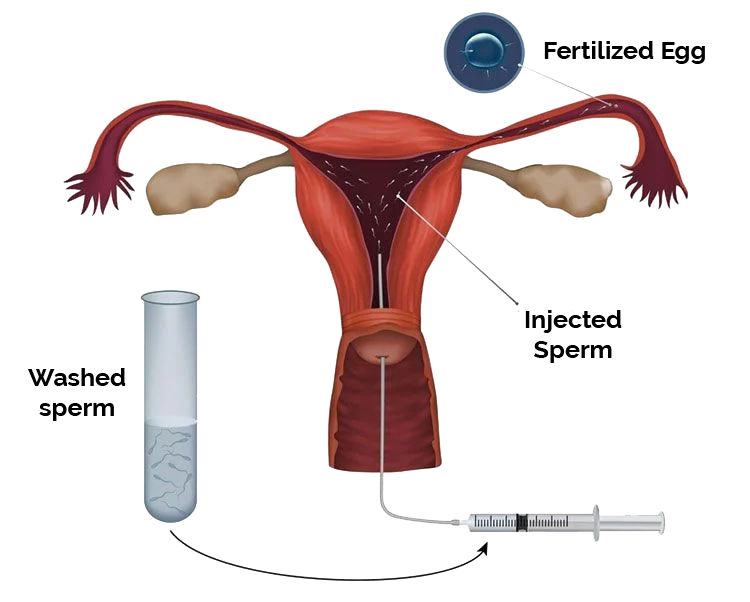
    The first step in artificial insemination is the preparation of the sperm. The male partner will provide a semen sample, which will be washed and concentrated to remove any impurities and increase the chances of fertilization. The sperm is then placed in a sterile medium and stored until it is ready to be used.

    Meanwhile, the female partner will undergo ovulation induction, which involves taking medication to stimulate the ovaries to produce multiple eggs. This increases the chances of a successful pregnancy. The doctor will monitor the woman’s hormone levels and perform ultrasounds to determine when she is ready for insemination.

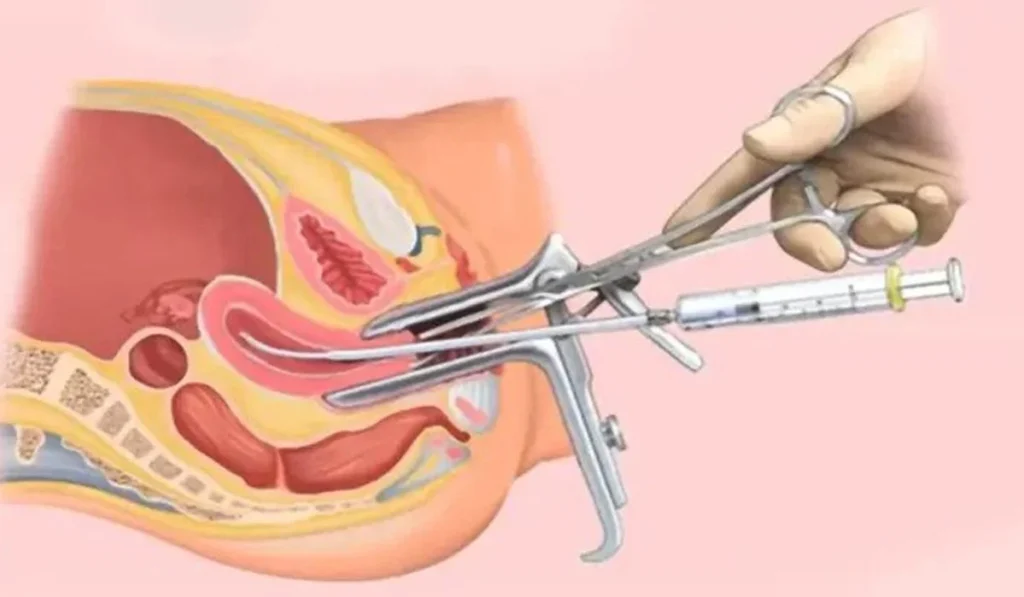
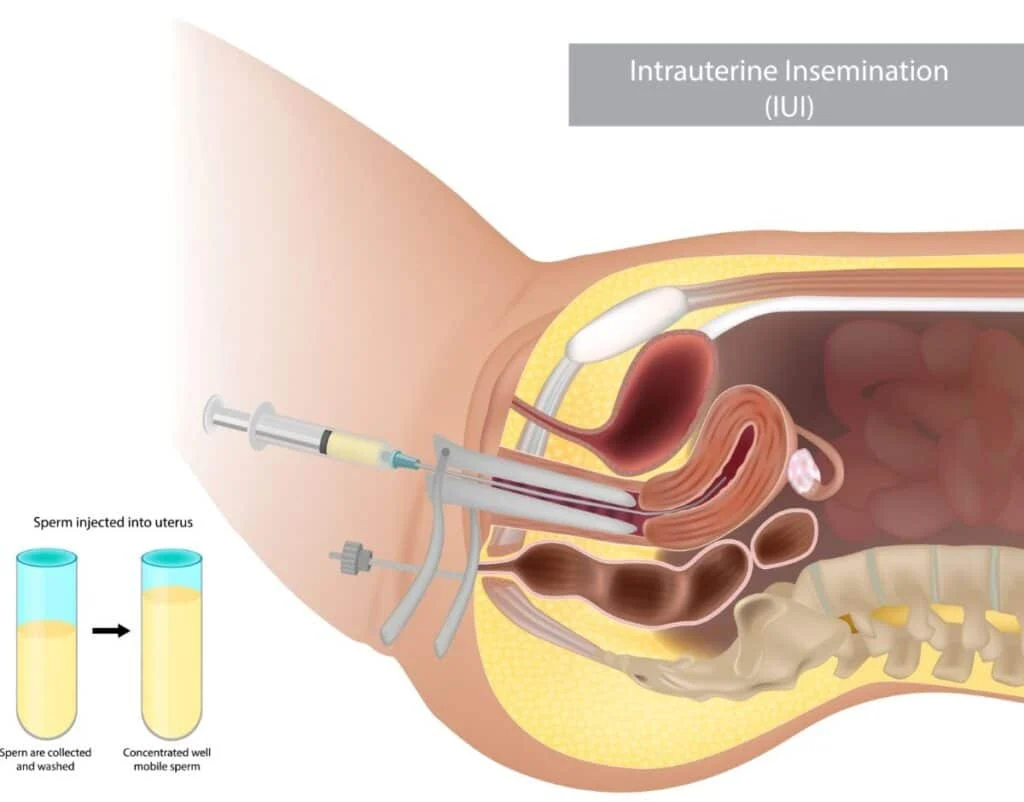
    On the day of insemination, the prepared sperm is inserted into the uterus using a catheter. This process is painless and usually takes only a few minutes. After the procedure, the woman can resume her normal activities, but it is recommended to avoid strenuous exercise for the next 24 hours.

    The success rates of artificial insemination vary depending on factors such as the woman’s age and the quality of the sperm. It is usually recommended to undergo multiple cycles of insemination to increase the chances of pregnancy.

    The Process of IVF

    In vitro fertilization (IVF) is a more complex and invasive form of assisted reproduction. It involves the fertilization of an egg with sperm outside of the body, in a laboratory setting. This method is often used in cases of more severe infertility, such as blocked fallopian tubes or severe male factor infertility.

    Cost breakdown for IUI components, including requirements, impacts, and alternatives.

    From the Lab to the Womb: The Process of Artificial Insemination and IVF

    The IVF process begins with ovulation induction, similar to artificial insemination. However, instead of releasing the eggs naturally, they are retrieved through a minor surgical procedure called follicular aspiration. This is done under sedation, and the eggs are collected using a thin needle inserted through the vagina.

    The retrieved eggs are then combined with the prepared sperm in a laboratory dish and left to fertilize. After fertilization, the resulting embryos are monitored for several days to ensure they are developing properly before being transferred to the woman’s uterus. This process is known as embryo transfer and is usually done 3-5 days after fertilization.

    After the embryo transfer, the woman will undergo a pregnancy test in about two weeks to determine if the IVF was successful. In some cases, multiple embryos are transferred to increase the chances of pregnancy, which can result in a multiple pregnancy.

    The success rates of IVF also vary, but it is considered the most effective form of assisted reproduction. Multiple cycles of IVF may be necessary for a successful pregnancy, and the average cost of each cycle can range from $12,000 to $20,000.

    The Importance of a Support System

    The process of artificial insemination and IVF can be emotionally and physically taxing for couples. It is essential to have a support system in place during this time, whether it be family, friends, or a support group. Many fertility clinics also offer counseling services to help couples cope with the stress and anxiety that can come with assisted reproduction.

    In addition, it is crucial to communicate openly and honestly with your partner throughout the process. It can be a challenging journey, but having a strong support system and a healthy relationship can make it more manageable.

    In conclusion, artificial insemination and IVF have helped many couples achieve their dream of starting a family. These methods may not be the right fit for everyone, and it is essential to consult with a fertility specialist to determine the best course of action. With advancements in technology, the success rates of these procedures continue to improve, giving hope to couples struggling with infertility.

    Summary:

    Assisted reproduction methods, such as artificial insemination and in vitro fertilization (IVF), have helped many couples struggling with fertility issues to conceive a child. Artificial insemination involves the placement of prepared sperm directly into the uterus during ovulation, while IVF involves fertilizing the eggs with sperm in a laboratory setting before transferring them to the uterus. Both methods require ovulation induction and have varying success rates. It is crucial to have a support system in place and communicate openly with your partner during this emotionally and physically taxing process.
  • Bringing Home a Baby: The Outcome of Artificial Insemination and IVF

    Bringing Home a Baby: The Outcome of Artificial Insemination and IVF

    Bringing a baby into the world is one of the most exciting and rewarding experiences in life. However, for some couples, conceiving a child is not as simple as it may seem. In recent years, advancements in medical technology have made it possible for couples struggling with infertility to still have a child of their own, through the use of artificial insemination and in-vitro fertilization (IVF). These methods have become increasingly popular, but there are still many questions and misconceptions surrounding them. In this blog post, we will explore the outcomes of artificial insemination and IVF and the impact they have on families who have chosen to use them to bring a child into their lives.

    What is Artificial Insemination?
    Artificial insemination is a fertility treatment that involves placing sperm directly into a woman’s uterus or cervix to increase the chances of fertilization. This procedure is often used for couples who have been trying to conceive for a while with no success, as well as for single women and same-sex couples. There are two types of artificial insemination: intrauterine insemination (IUI) and intracervical insemination (ICI).

    During IUI, a doctor will insert washed and concentrated sperm directly into the uterus through a thin tube. This is typically done around the time of ovulation when the chances of conception are highest. IUI can be performed with a partner’s sperm or donor sperm, depending on the couple’s situation.

    With ICI, the sperm is placed in the cervix rather than the uterus. This method is less commonly used but is an option for those who cannot undergo IUI for medical reasons.

    What is IVF?
    In-vitro fertilization, or IVF, is a more complex form of fertility treatment that involves retrieving eggs from a woman’s ovaries and fertilizing them with sperm in a laboratory. This process is used when other fertility treatments have not been successful or when there are underlying medical conditions that make it difficult for a woman to conceive naturally.

    The first step in IVF is ovarian stimulation, where a woman takes medication to encourage her ovaries to produce multiple eggs. Once the eggs reach maturity, they are retrieved through a minor surgical procedure. The eggs are then fertilized with sperm in a laboratory, and the resulting embryos are monitored for a few days. The healthiest embryos are then transferred into the woman’s uterus, where they can hopefully implant and result in a pregnancy.

    The Outcomes of Artificial Insemination and IVF
    The success rates of artificial insemination and IVF vary depending on various factors such as the age and health of the woman, the quality of the sperm and eggs, and the specific fertility clinic. Generally, the success rates for artificial insemination are lower than those of IVF, with IUI having a 10-20% success rate and IVF having a 40-60% success rate.

    However, both methods have helped countless couples and individuals achieve their dreams of starting a family. Many couples who have undergone artificial insemination or IVF have been able to conceive and give birth to healthy babies. These procedures have also allowed same-sex couples and single individuals to become parents, breaking down traditional societal norms of what a family should look like.

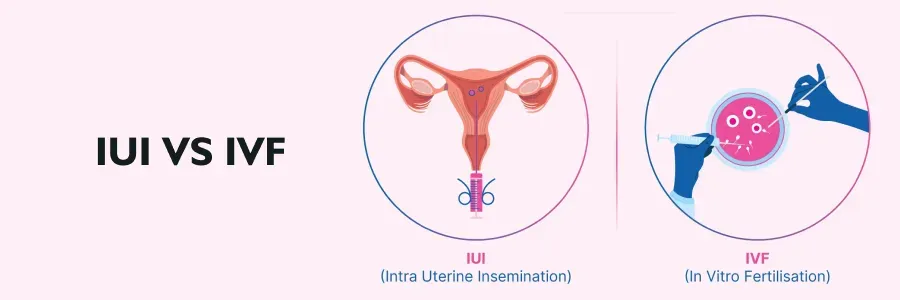
    Comparison of IUI and IVF with illustrations of each procedure.

    Bringing Home a Baby: The Outcome of Artificial Insemination and IVF

    The emotional impact of these procedures cannot be overlooked. For couples who have been struggling with infertility, artificial insemination and IVF offer a glimmer of hope and a chance for them to fulfill their desire to have a child. While the process can be physically and emotionally taxing, the end result of holding their baby in their arms makes it all worth it.

    Challenges and Considerations
    While artificial insemination and IVF have brought joy and happiness to many families, there are also challenges and considerations that come with these procedures. The cost of these treatments can be significant, with IVF being more expensive than artificial insemination due to the complexity of the process. Insurance coverage for fertility treatments also varies, making it inaccessible for some couples.

    Another consideration is the potential for multiple births with IVF. Because multiple embryos are often transferred to increase the chances of success, there is a higher likelihood of twins, triplets, or more. While this may seem like a blessing, it can also bring about financial, emotional, and physical challenges for the parents and the babies.

    Additionally, the success rates of these procedures decrease with age, making it more difficult for older couples to conceive through artificial insemination or IVF. It is essential for individuals and couples to discuss their options with a fertility specialist and understand the potential challenges and risks before embarking on these treatments.

    The Impact on Families
    The decision to undergo artificial insemination or IVF is a personal one and can have a profound impact on families. For couples struggling with infertility, these procedures offer a ray of hope and can bring them closer together as they navigate the process together. For same-sex couples and single individuals, it can provide an opportunity to fulfill their dreams of becoming parents and create a loving and supportive environment for their child.

    However, there can also be challenges that come with these procedures, such as the financial strain and emotional toll it can take on a couple. It is crucial for families to have a support system in place, whether it be through family and friends or a support group, to help them through the ups and downs of the fertility journey.

    In the end, the outcome of artificial insemination and IVF is a beautiful, healthy baby, and for many families, that is all that matters. These procedures have given hope and joy to countless couples and individuals and have allowed them to experience the miracle of bringing a child into the world.

    In conclusion, artificial insemination and IVF have revolutionized the world of fertility treatments and have helped countless families achieve their dreams of having a child. While there are challenges and considerations that come with these procedures, the positive impact they have had on families cannot be denied. Whether it is through artificial insemination or IVF, the outcome of bringing a baby home is a joyful and life-changing experience that brings love, happiness, and fulfillment to all involved.

    Summary: In this blog post, we explored the outcomes of artificial insemination and IVF and the impact they have on families who have chosen to use them to bring a child into their lives. We discussed the procedures and success rates of both methods, as well as the challenges and considerations that come with them. Ultimately, the decision to undergo these treatments is a personal one, but for many families, it has resulted in the beautiful outcome of bringing a healthy baby home.

  • A Look into the Success Rates: Artificial Insemination vs IVF

    Blog Post:

    When it comes to fertility treatments, there are a few options available to those struggling to conceive. Two of the most common methods are artificial insemination and in vitro fertilization (IVF). Both of these procedures involve fertilizing an egg with sperm in a controlled environment, but they differ in the way that the sperm is introduced to the egg. In this blog post, we will take a closer look at the success rates of artificial insemination and IVF and explore which option may be best for you.

    Artificial insemination, also known as intrauterine insemination (IUI), is a procedure in which sperm is placed directly into a woman’s uterus. This can be done with either the sperm of a partner or a donor. The process begins with the woman taking fertility drugs to stimulate ovulation. Once the eggs are ready, the sperm is inserted into the uterus using a catheter. This procedure is often used for couples with male factor infertility, unexplained infertility, or for single women or same-sex couples using donor sperm.

    On the other hand, IVF involves retrieving eggs from the woman’s ovaries and fertilizing them with sperm in a laboratory setting. The fertilized eggs, or embryos, are then transferred back into the woman’s uterus. This procedure is more complex and invasive than artificial insemination and is typically used for couples with more severe cases of infertility, such as blocked fallopian tubes or endometriosis.

    So, which of these procedures has a higher success rate? According to the Centers for Disease Control and Prevention (CDC), the success rate for artificial insemination is around 10-20% per cycle for women under 35, while the success rate for IVF is around 30-35% per cycle for women under 35. However, it is important to note that success rates can vary depending on factors such as age, cause of infertility, and the fertility clinic’s expertise.

    One of the main reasons for the higher success rate of IVF is that it allows for more precise control over the fertilization process. In artificial insemination, the sperm has to travel through the cervix and into the uterus on its own, which can decrease the chances of fertilization. With IVF, the sperm is directly introduced to the egg in a laboratory, giving it a better chance of fertilization.

    Cost breakdown for IUI components, including requirements, impacts, and alternatives.

    A Look into the Success Rates: Artificial Insemination vs IVF

    Another factor that can affect the success rates of both procedures is the quality of the sperm and eggs. In artificial insemination, the sperm is not screened as thoroughly as it is in IVF, which can lead to lower success rates if there are any issues with the sperm. In IVF, the eggs and sperm are carefully selected and combined in a controlled environment, increasing the chances of a successful fertilization.

    It is also important to consider the cost of each procedure. Artificial insemination is typically less expensive than IVF, which can cost thousands of dollars per cycle. For this reason, many couples may opt for artificial insemination first before moving on to more expensive options like IVF.

    In addition to success rates and cost, there are other factors to consider when deciding between artificial insemination and IVF. Some couples may have religious or ethical concerns about IVF, as it involves creating and freezing multiple embryos. In these cases, artificial insemination may be a more viable option.

    It is also worth noting that both procedures may require multiple cycles to achieve a successful pregnancy. This can add up in terms of time and cost, so it is important for couples to have a thorough understanding of their options and discuss them with their fertility specialist.

    In summary, artificial insemination and IVF are two popular methods of fertility treatment that can help couples struggling with infertility. While IVF has a higher success rate, it is also more expensive and invasive. Artificial insemination may be a good first option for couples with less severe cases of infertility, but it is important to consult with a fertility specialist to determine the best course of action.

    In the end, the choice between artificial insemination and IVF will depend on individual circumstances and preferences. With advancements in technology and medicine, both procedures have helped countless couples achieve their dream of starting a family. If you are struggling with infertility, know that there are options available and seek the guidance of a fertility specialist to find the best path for you.

  • One Size Does Not Fit All: Finding the Right Fertility Treatment – Artificial Insemination vs IVF

    Summary:

    When it comes to fertility treatments, there is no one size fits all solution. Every individual or couple’s journey to parenthood is unique and may require different treatments. In this blog post, we will be discussing two popular fertility treatments: Artificial Insemination and In Vitro Fertilization (IVF). We will explore the differences between the two, their success rates, costs, and other factors that can help you determine which option is the right one for you.

    Artificial insemination is a fertility treatment that involves placing sperm directly into the woman’s uterus to increase the chances of fertilization. This can be done with the partner’s sperm or donor sperm. It is a less invasive and less expensive option compared to IVF. However, it has a lower success rate, especially for couples with fertility issues. It is usually recommended for couples with unexplained infertility or for single women looking to conceive with donor sperm.

    On the other hand, IVF is a more complex and expensive fertility treatment that involves retrieving eggs from the woman’s ovaries and fertilizing them with sperm in a laboratory. The resulting embryos are then transferred back into the woman’s uterus. IVF has a higher success rate compared to artificial insemination and is often recommended for couples with known fertility issues such as blocked fallopian tubes, low sperm count, or advanced maternal age.

    One of the main factors to consider when choosing between artificial insemination and IVF is the success rates. According to the American Pregnancy Association, the success rate of artificial insemination is around 10-20% per cycle, while the success rate of IVF is around 30-40% per cycle. However, it is essential to note that success rates can vary depending on factors such as age, underlying fertility issues, and the fertility clinic’s experience.

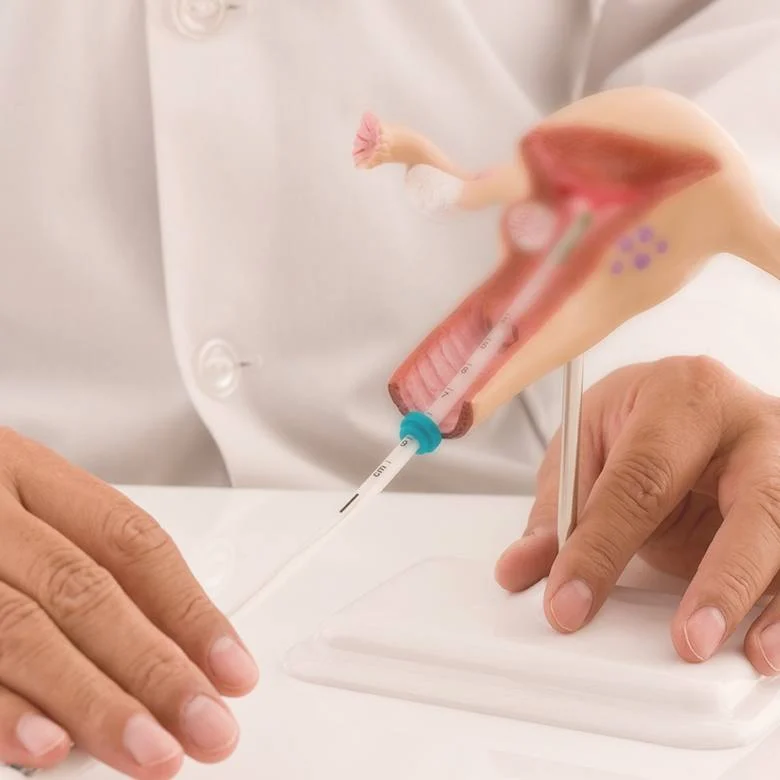
    model of the female reproductive system with a hand demonstrating intrauterine insemination technique

    One Size Does Not Fit All: Finding the Right Fertility Treatment – Artificial Insemination vs IVF

    Another critical factor to consider is the cost. Artificial insemination is a more affordable option compared to IVF. The average cost of one cycle of artificial insemination can range from $300 to $1000, while the average cost of one cycle of IVF can range from $12,000 to $15,000. These costs can add up quickly, especially if multiple cycles are needed to achieve pregnancy. However, some insurance plans may cover a portion of the costs of both treatments, so it is essential to check with your provider.

    The level of invasiveness is also a significant difference between artificial insemination and IVF. Artificial insemination is a relatively simple procedure that can be done in a doctor’s office, while IVF involves more complex procedures and requires the use of fertility medications and regular monitoring. This can be physically and emotionally taxing for some couples. Therefore, it is crucial to consider your comfort level and the potential impact on your daily life when deciding which treatment is right for you.

    Additionally, the success rates and costs of both treatments can be affected by a couple’s underlying fertility issues. For example, if a woman has blocked fallopian tubes, artificial insemination may not be an effective option as the sperm would still need to travel through the tubes to reach the egg. In this case, IVF may be a better option as it bypasses the fallopian tubes entirely. It is essential to consult with a fertility specialist to determine the best treatment plan based on your individual circumstances.

    For single women, the decision between artificial insemination and IVF may be more straightforward. Artificial insemination with donor sperm is often the preferred option, as it is less invasive and less expensive compared to IVF with donor eggs. However, some single women may choose to undergo IVF to have a biological connection to their child.

    In conclusion, when it comes to fertility treatments, there is no one size fits all solution. Artificial insemination and IVF are two popular options, each with its own set of pros and cons. Factors such as success rates, costs, level of invasiveness, and underlying fertility issues should all be considered when deciding which treatment is right for you. Consulting with a fertility specialist and discussing your options in detail can help you make an informed decision and increase your chances of achieving a successful pregnancy.

  • The Cost Comparison: Artificial Insemination vs IVF

    Blog Post Title: The Cost Comparison: Artificial Insemination vs IVF

    When it comes to starting a family, there are many options available for couples who are struggling to conceive naturally. Two popular methods that have gained attention in recent years are artificial insemination and in-vitro fertilization (IVF). While both procedures have been successful in helping couples become parents, they differ significantly in terms of cost. In this blog post, we will dive into the cost comparison between artificial insemination and IVF, and discuss the factors that contribute to the price difference.

    Artificial insemination, also known as intrauterine insemination (IUI), is a fertility treatment where sperm is inserted directly into a woman’s uterus during ovulation. This method is often recommended for couples who have trouble conceiving due to issues such as low sperm count or cervical mucus problems. The average cost of artificial insemination in the United States ranges from $300 to $900 per cycle. This price includes the cost of sperm washing, which is a process where the sperm is separated from the semen and prepared for insertion. However, this cost can vary depending on the location and specific clinic fees.

    On the other hand, IVF is a more complex and expensive procedure. It involves retrieving eggs from the woman’s ovaries and fertilizing them with sperm in a laboratory. The resulting embryo is then transferred into the woman’s uterus. The average cost of one IVF cycle in the United States is around $12,000 to $15,000. This price includes the cost of medications, monitoring, and the actual procedure. However, additional costs such as genetic testing, freezing of embryos, and additional cycles can increase the overall cost significantly.

    So why is there such a significant difference in cost between artificial insemination and IVF? The main factor is the level of medical intervention required. Artificial insemination is a relatively simple and less invasive procedure, which does not require as much monitoring and medication as IVF. This results in lower costs for the procedure itself. IVF, on the other hand, involves multiple steps and higher levels of medical intervention, making it more expensive.

    illustration of an intrauterine insemination procedure with medical instruments and anatomical details

    The Cost Comparison: Artificial Insemination vs IVF

    Another factor that contributes to the cost difference is the success rates of each procedure. The success rate of artificial insemination is around 10-20%, while IVF has a success rate of 30-40%. This means that couples may need to undergo multiple cycles of artificial insemination to achieve a successful pregnancy, which can add up in terms of cost. In contrast, IVF has a higher success rate, making it a more cost-effective option in the long run.

    It is also worth noting that the cost of both procedures can vary depending on individual circumstances. For example, if a couple needs to use donor sperm or if there are any underlying medical conditions that require additional testing or treatment, the cost can increase significantly. It is essential to consult with a fertility specialist and discuss all possible costs before undergoing any fertility treatment.

    In some cases, couples may also opt for a combination of both procedures. This is known as IVF with donor sperm, where IVF is used to fertilize the eggs with donor sperm and then the resulting embryo is transferred into the woman’s uterus. This combination can be more expensive than traditional IVF, but it may be the only option for some couples.

    In conclusion, the cost comparison between artificial insemination and IVF shows a significant difference due to the level of medical intervention and success rates. While artificial insemination may seem like a more affordable option, couples should consider the long-term costs and success rates before making a decision. It is crucial to consult with a fertility specialist and discuss all possible costs and options before embarking on any fertility treatment journey.

    Summary:

    Starting a family can be a challenging journey, and for couples struggling to conceive naturally, artificial insemination and IVF are two popular options. While both procedures have been successful in helping couples become parents, they differ significantly in terms of cost. Artificial insemination is a less invasive and more affordable option, with an average cost of $300 to $900 per cycle, while IVF is a more complex and expensive procedure, with an average cost of $12,000 to $15,000 per cycle. Factors such as the level of medical intervention required and the success rates of each procedure contribute to the cost difference. It is essential to consult with a fertility specialist and discuss all possible costs and options before undergoing any fertility treatment.

  • Making a Decision: Factors to Consider When Choosing Between Artificial Insemination and IVF

    Making a Decision: Factors to Consider When Choosing Between Artificial Insemination and IVF

    When a couple is struggling to conceive a child, they may turn to assisted reproductive technologies (ART) for help. Two common options for ART are artificial insemination (AI) and in vitro fertilization (IVF). While both methods aim to help couples achieve pregnancy, they have distinct differences and should be carefully considered before making a decision. In this blog post, we will explore the factors that should be taken into account when choosing between artificial insemination and IVF.

    The Basics of Artificial Insemination and IVF

    Artificial insemination, also known as intrauterine insemination (IUI), involves the placement of sperm directly into the woman’s uterus during ovulation. This method is commonly used for couples with male fertility issues, such as low sperm count or mobility. It is a relatively simple and non-invasive procedure that can be done at a fertility clinic or at home with the help of a physician.

    On the other hand, in vitro fertilization involves the fertilization of an egg outside of the body, in a laboratory. The process starts with the woman undergoing hormonal stimulation to produce multiple eggs. These eggs are then retrieved and fertilized with sperm in a lab. The resulting embryos are then transferred into the woman’s uterus. IVF is often recommended for couples with more complex fertility issues, such as blocked fallopian tubes or advanced maternal age.

    Factors to Consider When Choosing Between Artificial Insemination and IVF

    1. Underlying Fertility Issues

    One of the first factors to consider when choosing between AI and IVF is the underlying fertility issue. As mentioned earlier, AI is generally recommended for male infertility, while IVF is suitable for a variety of fertility issues. It is essential to undergo thorough testing to determine the root cause of the fertility problem and consult with a fertility specialist before making a decision.

    2. Success Rates

    Another critical factor to consider is the success rates of each method. While success rates can vary depending on individual factors, IVF generally has a higher success rate compared to AI. According to the American Society for Reproductive Medicine, the live birth rate for IVF is around 30%, while the live birth rate for AI is approximately 10-20%. However, it is essential to note that AI is a more affordable option, so couples may choose to try it multiple times before moving on to IVF.

    Illustration of the IUI process, showing a syringe and catheter in the reproductive system.

    Making a Decision: Factors to Consider When Choosing Between Artificial Insemination and IVF

    3. Cost

    The cost of AI and IVF can also play a significant role in decision-making. AI is a more affordable option, with an average cost of $300-$1000 per cycle. On the other hand, IVF can cost anywhere from $12,000 to $15,000 per cycle, making it a significant financial commitment. It is essential to consider not only the cost of the procedure but also the additional expenses, such as medications, testing, and follow-up appointments.

    4. Emotional and Physical Impact

    Going through fertility treatments can be emotionally and physically taxing for couples. AI is a relatively simple and non-invasive procedure, while IVF involves more steps and may require more time off work for appointments. It is crucial to consider how each method may affect your emotional and physical well-being and choose the option that feels right for you.

    5. Multiple Pregnancy Risk

    One of the potential risks of ART is multiple pregnancies. With AI, there is a higher chance of conceiving twins or triplets, whereas IVF allows doctors to control the number of embryos transferred. Couples should discuss the risks and potential complications associated with multiple pregnancies with their doctor and consider their options carefully.

    6. Personal Preferences

    Ultimately, the decision between AI and IVF should also consider personal preferences. Some couples may prefer to start with a less invasive option like AI and then move on to IVF if necessary. Others may feel more comfortable with IVF and its higher success rates. It is essential to discuss personal preferences and concerns with a fertility specialist who can provide guidance and support.

    In conclusion, choosing between artificial insemination and IVF is a decision that should be carefully considered, taking into account factors such as underlying fertility issues, success rates, cost, emotional and physical impact, multiple pregnancy risks, and personal preferences. Consulting with a fertility specialist and discussing all options thoroughly can help couples make an informed decision that is best for them.

    Summary:

    When couples are struggling to conceive, they may turn to assisted reproductive technologies (ART) such as artificial insemination (AI) and in vitro fertilization (IVF). AI involves placing sperm directly into the uterus, while IVF involves fertilizing an egg outside the body. Factors to consider when choosing between AI and IVF include underlying fertility issues, success rates, cost, emotional and physical impact, multiple pregnancy risks, and personal preferences. Consulting with a fertility specialist is crucial to make an informed decision.

  • Breaking Down the Differences: Artificial Insemination vs IVF

    Breaking Down the Differences: Artificial Insemination vs IVF

    Artificial insemination and in vitro fertilization (IVF) are two common fertility treatments used to help couples conceive. Both techniques involve the use of assisted reproductive technology (ART) to increase the chances of successful pregnancy. However, there are some key differences between these two procedures that couples should be aware of when considering their options. In this blog post, we will break down the differences between artificial insemination and IVF, including the processes, success rates, and costs, to help you make an informed decision about which method may be best for you.

    What is Artificial Insemination?

    Artificial insemination, also known as intrauterine insemination (IUI), is a fertility treatment that involves placing prepared sperm directly into the uterus through a thin catheter. This procedure is often recommended for couples who have been trying to conceive for at least a year and have not been successful due to issues such as low sperm count, hostile cervical mucus, or unexplained infertility. It is also a common option for single women or same-sex couples who want to use donor sperm to conceive.

    The Process of Artificial Insemination

    The first step in artificial insemination is for the male partner or donor to provide a semen sample. This sample is then washed and prepared to remove any dead or abnormal sperm, leaving only the healthiest and most motile sperm. The prepared sperm is then inserted into the uterus during the woman’s ovulation using a thin catheter. This process is usually painless and takes only a few minutes to complete.

    Success Rates of Artificial Insemination

    The success rates of artificial insemination vary depending on various factors such as the age of the woman, the cause of infertility, and the quality of the sperm used. On average, the success rate of artificial insemination is between 10-20% per cycle. However, with multiple cycles, the chances of success can increase up to 80%. It is essential to note that artificial insemination is a less invasive and less expensive option compared to IVF, but it may not be suitable for everyone. It is best to consult with a fertility specialist to determine if this is the right treatment for you.

    What is IVF?

    In vitro fertilization (IVF) is a more complex fertility treatment that involves retrieving eggs from the woman’s ovaries and fertilizing them with sperm in a laboratory. The fertilized eggs, or embryos, are then transferred back into the woman’s uterus to hopefully result in a successful pregnancy. This procedure is usually recommended for couples who have been trying to conceive for a long time or have struggled with other fertility treatments.

    diagram of the female reproductive system with an IUI syringe and test tube for artificial insemination

    Breaking Down the Differences: Artificial Insemination vs IVF

    The Process of IVF

    The first step in IVF is to stimulate the woman’s ovaries with medication to produce multiple eggs. These eggs are then retrieved through a minor surgical procedure and combined with sperm in a laboratory setting. The fertilized eggs are then monitored for a few days to ensure proper development before being transferred back into the woman’s uterus. Any unused embryos can be frozen for future use. The entire process of IVF usually takes about 3-4 weeks to complete.

    Success Rates of IVF

    The success rates of IVF also vary depending on several factors, including the age of the woman, the quality of the sperm and eggs, and the clinic’s success rate. On average, the success rate of IVF is between 30-40% per cycle, with higher success rates for younger women and those with healthy eggs. However, with multiple cycles, the chances of success can increase up to 80%. It is essential to note that IVF is a more invasive and expensive option compared to artificial insemination, but it may be the best option for couples who have exhausted other options.

    Cost Comparison

    The cost of artificial insemination is significantly lower than that of IVF. On average, artificial insemination can range from $3000-$5000 per cycle, while IVF can cost between $12,000-$15,000 per cycle. However, the cost of IVF can increase significantly if additional procedures such as embryo freezing or genetic testing are required. It is essential to keep in mind that these costs can also vary depending on the clinic and location.

    Which Option is Right for You?

    The decision between artificial insemination and IVF ultimately depends on each couple’s unique situation. For couples who have been trying to conceive for a short time and have minimal fertility issues, artificial insemination may be a suitable and more affordable option. However, for those who have been struggling with infertility for a long time or have more severe fertility issues, IVF may be the best option.

    In summary, both artificial insemination and IVF are effective fertility treatments that can help couples achieve their dream of starting a family. While artificial insemination is a less invasive and less expensive option, IVF may be necessary for couples with more complex fertility issues. It is important to consult with a fertility specialist to determine the best course of action for your individual situation. No matter which option you choose, remember to stay positive and seek support from your partner, loved ones, and healthcare providers throughout the process.

    Keywords: artificial insemination, in vitro fertilization, fertility treatments, assisted reproductive technology, intrauterine insemination, IVF process, success rates, cost comparison, choosing a fertility treatment

  • The Science of Success: Examining the Success Rates of Natural Conception and Assisted Reproduction Methods

    Blog Post:

    Success is something that many people strive for in their lives, whether it be in their careers, relationships, or personal goals. However, one area where success is not always guaranteed is in the realm of conception and pregnancy. While it may seem like a natural and simple process, the reality is that many couples struggle with infertility and have to turn to assisted reproduction methods in order to have a child. In this blog post, we will delve into the science behind success rates of both natural conception and assisted reproduction methods, and how they compare to each other.

    Natural Conception:

    For many couples, the desire to have a child is a natural and instinctive one. However, the process of conception is not always as simple as it may seem. In fact, studies have shown that only 20% of healthy, fertile couples are able to conceive in any given month of trying. This means that for the majority of couples, it may take several months or even years to successfully conceive a child.

    There are several factors that can affect the success rate of natural conception. Age is a major factor, as a woman’s fertility begins to decline in her mid-30s and decreases even more rapidly after the age of 40. Other factors such as hormonal imbalances, ovulation issues, and sperm quality can also play a role in the success of natural conception.

    Assisted Reproduction Methods:

    In recent years, there has been a significant increase in the use of assisted reproduction methods such as in vitro fertilization (IVF) and other fertility treatments. These methods involve using technology and medical procedures to help couples conceive and have a child. While these treatments can be expensive and emotionally taxing, they have also shown to have higher success rates compared to natural conception.

    IVF, in particular, has become a popular choice for couples struggling with infertility. This procedure involves retrieving eggs from the woman’s ovaries, fertilizing them with sperm in a laboratory, and then transferring the resulting embryo into the woman’s uterus. According to the American Society for Reproductive Medicine, the success rate for IVF varies depending on factors such as age, cause of infertility, and the number of embryos transferred, but it can range from 30-50% for women under 35 years old.

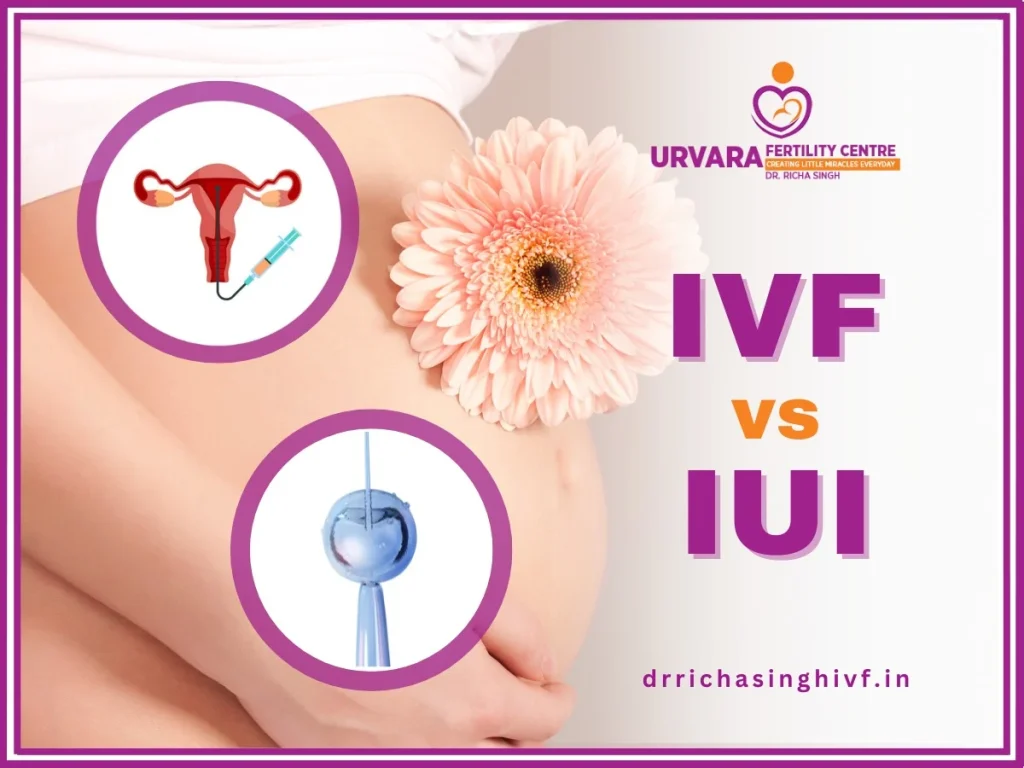
    IVF vs IUI comparison with illustrations of reproductive processes and a flower on a pregnant belly.

    The Science of Success: Examining the Success Rates of Natural Conception and Assisted Reproduction Methods

    Comparing Success Rates:

    While assisted reproduction methods may have higher success rates compared to natural conception, it is important to note that these methods are not always a guarantee of success. In fact, even with the help of these methods, many couples may still struggle to conceive or have multiple failed attempts before achieving a successful pregnancy.

    Another factor to consider is the emotional toll that infertility and assisted reproduction methods can have on couples. The stress and pressure of trying to conceive can add to the already challenging journey of starting a family, and the disappointment of failed attempts can be devastating.

    Additionally, there are also ethical and moral considerations to take into account, as some may argue that assisted reproduction methods go against natural processes and can lead to potential risks and complications for both the mother and child.

    Conclusion:

    In the end, the science of success rates in conception and pregnancy is a complex and ever-evolving one. While natural conception may be the most common and traditional method, it is not always successful and can be affected by various factors. Assisted reproduction methods, on the other hand, offer a higher chance of success for couples struggling with infertility, but they also come with their own set of challenges and considerations.

    Ultimately, the decision to pursue natural conception or assisted reproduction methods is a personal one that should be made after careful consideration and consultation with medical professionals. And regardless of the method, the journey towards parenthood is unique for each couple and the most important aspect is the love and commitment to building a family.

    Summary:

    Conceiving a child is not always a straightforward and guaranteed process, and many couples may struggle with infertility. While natural conception may be the traditional method, it has a lower success rate compared to assisted reproduction methods such as IVF. However, these methods also come with challenges and considerations, and the decision to pursue them should be made after careful consideration. Ultimately, the most important aspect is the love and commitment to building a family, regardless of the method used.

  • Understanding the Differences between Natural Conception and Assisted Reproduction

    Understanding the Differences between Natural Conception and Assisted Reproduction

    Conceiving a child is a natural and biological process that has been happening since the beginning of human existence. However, with the advancement of medical technology, there are now various assisted reproductive techniques that can help individuals and couples who are struggling with infertility to conceive a child. In this blog post, we will delve into the differences between natural conception and assisted reproduction.

    Natural Conception

    Natural conception, also known as unassisted conception, is the process of fertilization that occurs without any medical intervention. It involves sexual intercourse between a man and a woman during the woman’s fertile window. The fertile window is the period in which a woman’s body is most likely to release an egg that can be fertilized by a man’s sperm.

    During sexual intercourse, the man ejaculates sperm into the woman’s vagina, and the sperm travels through the cervix and into the fallopian tubes, where it can fertilize the egg. The fertilized egg then implants itself in the lining of the uterus, where it can grow and develop into a baby.

    Natural conception is the most common way of conceiving a child and is often referred to as “the birds and the bees.” It is a beautiful and intimate process that allows a couple to create a child together. However, it is not always a straightforward process, and many factors can affect a couple’s chances of conceiving naturally, such as age, health, and lifestyle choices.

    Assisted Reproduction

    Assisted reproduction, also known as assisted reproductive technology (ART), refers to any medical procedure or technique that helps with the conception of a child. These techniques are used when a couple is unable to conceive naturally due to infertility or other medical conditions. There are several types of assisted reproductive techniques, including:

    1. Intrauterine Insemination (IUI): In this procedure, a man’s sperm is washed and prepared in a lab, and then inserted into a woman’s uterus during her fertile window.

    Diagram illustrating intrauterine insemination (IUI) procedure with sperm injection into the uterus.

    Understanding the Differences between Natural Conception and Assisted Reproduction

    2. In Vitro Fertilization (IVF): This is the most common form of assisted reproduction, where a woman’s eggs are retrieved from her ovaries and fertilized in a lab with a man’s sperm. The fertilized egg is then transferred back into the woman’s uterus.

    3. Intracytoplasmic Sperm Injection (ICSI): This technique is similar to IVF, but instead of fertilization happening in a lab, a single sperm is injected directly into the egg.

    4. Surrogacy: In surrogacy, a gestational carrier (surrogate) carries a pregnancy for a couple who are unable to carry a child themselves.

    Understanding the Differences

    The main difference between natural conception and assisted reproduction is the level of medical intervention. In natural conception, the only medical intervention is sexual intercourse, while in assisted reproduction, various medical procedures are used to help with fertilization and implantation. Also, in natural conception, the couple has control over their fertility, while in assisted reproduction, they rely on medical professionals to help them conceive.

    Another significant difference is the success rates. Natural conception has a success rate of around 15-20% per month, while the success rates of assisted reproductive techniques vary depending on the procedure and the individual’s circumstances. For example, IVF has a success rate of around 40%, while ICSI has a success rate of 30-35%.

    Moreover, assisted reproduction can be a more expensive and time-consuming process compared to natural conception. It often involves multiple appointments, medications, and procedures, which can be physically, emotionally, and financially taxing for the couple.

    In terms of ethics, there are also some differences between natural conception and assisted reproduction. While natural conception involves the union of two individuals’ genetic material, assisted reproduction can involve the use of donor eggs, sperm, or embryos, raising ethical concerns about the child’s genetic origins and potential issues with anonymity.

    Summary

    In summary, natural conception is the process of fertilization that occurs without any medical intervention, while assisted reproduction refers to any medical procedure or technique that helps with conception. The main differences between the two are the level of medical intervention, success rates, cost, and ethics. While natural conception is a beautiful and intimate process, assisted reproduction can provide hope and options for individuals and couples struggling with infertility. Both methods have their benefits and limitations, and the decision to pursue natural conception or assisted reproduction should be made after considering individual circumstances and consulting with a medical professional.