Blog Post:
When it comes to fertility treatments, there are a few options available to those struggling to conceive. Two of the most common methods are artificial insemination and in vitro fertilization (IVF). Both of these procedures involve fertilizing an egg with sperm in a controlled environment, but they differ in the way that the sperm is introduced to the egg. In this blog post, we will take a closer look at the success rates of artificial insemination and IVF and explore which option may be best for you.
Artificial insemination, also known as intrauterine insemination (IUI), is a procedure in which sperm is placed directly into a woman’s uterus. This can be done with either the sperm of a partner or a donor. The process begins with the woman taking fertility drugs to stimulate ovulation. Once the eggs are ready, the sperm is inserted into the uterus using a catheter. This procedure is often used for couples with male factor infertility, unexplained infertility, or for single women or same-sex couples using donor sperm.
On the other hand, IVF involves retrieving eggs from the woman’s ovaries and fertilizing them with sperm in a laboratory setting. The fertilized eggs, or embryos, are then transferred back into the woman’s uterus. This procedure is more complex and invasive than artificial insemination and is typically used for couples with more severe cases of infertility, such as blocked fallopian tubes or endometriosis.
So, which of these procedures has a higher success rate? According to the Centers for Disease Control and Prevention (CDC), the success rate for artificial insemination is around 10-20% per cycle for women under 35, while the success rate for IVF is around 30-35% per cycle for women under 35. However, it is important to note that success rates can vary depending on factors such as age, cause of infertility, and the fertility clinic’s expertise.
One of the main reasons for the higher success rate of IVF is that it allows for more precise control over the fertilization process. In artificial insemination, the sperm has to travel through the cervix and into the uterus on its own, which can decrease the chances of fertilization. With IVF, the sperm is directly introduced to the egg in a laboratory, giving it a better chance of fertilization.
A Look into the Success Rates: Artificial Insemination vs IVF
Another factor that can affect the success rates of both procedures is the quality of the sperm and eggs. In artificial insemination, the sperm is not screened as thoroughly as it is in IVF, which can lead to lower success rates if there are any issues with the sperm. In IVF, the eggs and sperm are carefully selected and combined in a controlled environment, increasing the chances of a successful fertilization.
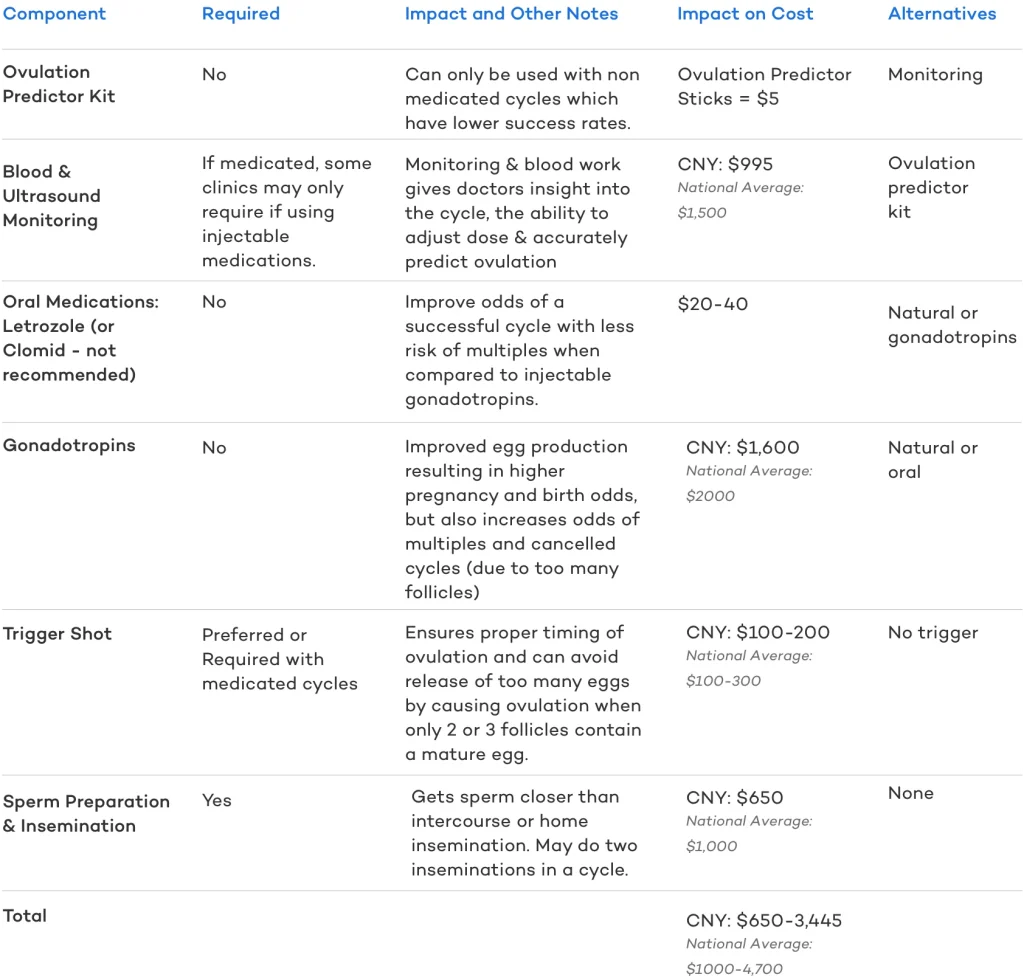
It is also important to consider the cost of each procedure. Artificial insemination is typically less expensive than IVF, which can cost thousands of dollars per cycle. For this reason, many couples may opt for artificial insemination first before moving on to more expensive options like IVF.
In addition to success rates and cost, there are other factors to consider when deciding between artificial insemination and IVF. Some couples may have religious or ethical concerns about IVF, as it involves creating and freezing multiple embryos. In these cases, artificial insemination may be a more viable option.
It is also worth noting that both procedures may require multiple cycles to achieve a successful pregnancy. This can add up in terms of time and cost, so it is important for couples to have a thorough understanding of their options and discuss them with their fertility specialist.
In summary, artificial insemination and IVF are two popular methods of fertility treatment that can help couples struggling with infertility. While IVF has a higher success rate, it is also more expensive and invasive. Artificial insemination may be a good first option for couples with less severe cases of infertility, but it is important to consult with a fertility specialist to determine the best course of action.
In the end, the choice between artificial insemination and IVF will depend on individual circumstances and preferences. With advancements in technology and medicine, both procedures have helped countless couples achieve their dream of starting a family. If you are struggling with infertility, know that there are options available and seek the guidance of a fertility specialist to find the best path for you.