Breaking Down the Differences: Artificial Insemination vs IVF
Artificial insemination and in vitro fertilization (IVF) are two common fertility treatments used to help couples conceive. Both techniques involve the use of assisted reproductive technology (ART) to increase the chances of successful pregnancy. However, there are some key differences between these two procedures that couples should be aware of when considering their options. In this blog post, we will break down the differences between artificial insemination and IVF, including the processes, success rates, and costs, to help you make an informed decision about which method may be best for you.
What is Artificial Insemination?
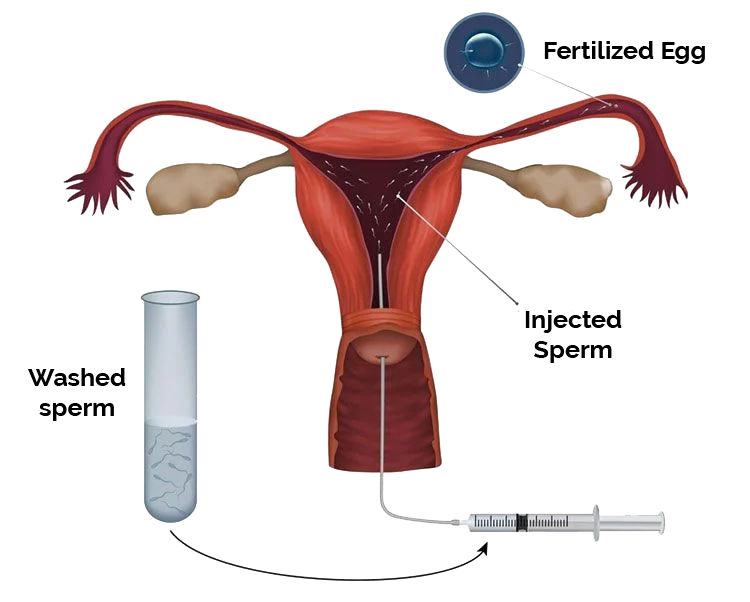
Artificial insemination, also known as intrauterine insemination (IUI), is a fertility treatment that involves placing prepared sperm directly into the uterus through a thin catheter. This procedure is often recommended for couples who have been trying to conceive for at least a year and have not been successful due to issues such as low sperm count, hostile cervical mucus, or unexplained infertility. It is also a common option for single women or same-sex couples who want to use donor sperm to conceive.
The Process of Artificial Insemination
The first step in artificial insemination is for the male partner or donor to provide a semen sample. This sample is then washed and prepared to remove any dead or abnormal sperm, leaving only the healthiest and most motile sperm. The prepared sperm is then inserted into the uterus during the woman’s ovulation using a thin catheter. This process is usually painless and takes only a few minutes to complete.
Success Rates of Artificial Insemination
The success rates of artificial insemination vary depending on various factors such as the age of the woman, the cause of infertility, and the quality of the sperm used. On average, the success rate of artificial insemination is between 10-20% per cycle. However, with multiple cycles, the chances of success can increase up to 80%. It is essential to note that artificial insemination is a less invasive and less expensive option compared to IVF, but it may not be suitable for everyone. It is best to consult with a fertility specialist to determine if this is the right treatment for you.
What is IVF?
In vitro fertilization (IVF) is a more complex fertility treatment that involves retrieving eggs from the woman’s ovaries and fertilizing them with sperm in a laboratory. The fertilized eggs, or embryos, are then transferred back into the woman’s uterus to hopefully result in a successful pregnancy. This procedure is usually recommended for couples who have been trying to conceive for a long time or have struggled with other fertility treatments.
Breaking Down the Differences: Artificial Insemination vs IVF
The Process of IVF
The first step in IVF is to stimulate the woman’s ovaries with medication to produce multiple eggs. These eggs are then retrieved through a minor surgical procedure and combined with sperm in a laboratory setting. The fertilized eggs are then monitored for a few days to ensure proper development before being transferred back into the woman’s uterus. Any unused embryos can be frozen for future use. The entire process of IVF usually takes about 3-4 weeks to complete.
Success Rates of IVF
The success rates of IVF also vary depending on several factors, including the age of the woman, the quality of the sperm and eggs, and the clinic’s success rate. On average, the success rate of IVF is between 30-40% per cycle, with higher success rates for younger women and those with healthy eggs. However, with multiple cycles, the chances of success can increase up to 80%. It is essential to note that IVF is a more invasive and expensive option compared to artificial insemination, but it may be the best option for couples who have exhausted other options.
Cost Comparison
The cost of artificial insemination is significantly lower than that of IVF. On average, artificial insemination can range from $3000-$5000 per cycle, while IVF can cost between $12,000-$15,000 per cycle. However, the cost of IVF can increase significantly if additional procedures such as embryo freezing or genetic testing are required. It is essential to keep in mind that these costs can also vary depending on the clinic and location.
Which Option is Right for You?
The decision between artificial insemination and IVF ultimately depends on each couple’s unique situation. For couples who have been trying to conceive for a short time and have minimal fertility issues, artificial insemination may be a suitable and more affordable option. However, for those who have been struggling with infertility for a long time or have more severe fertility issues, IVF may be the best option.
In summary, both artificial insemination and IVF are effective fertility treatments that can help couples achieve their dream of starting a family. While artificial insemination is a less invasive and less expensive option, IVF may be necessary for couples with more complex fertility issues. It is important to consult with a fertility specialist to determine the best course of action for your individual situation. No matter which option you choose, remember to stay positive and seek support from your partner, loved ones, and healthcare providers throughout the process.
Keywords: artificial insemination, in vitro fertilization, fertility treatments, assisted reproductive technology, intrauterine insemination, IVF process, success rates, cost comparison, choosing a fertility treatment