Summary:
When it comes to fertility treatments, there is no one size fits all solution. Every individual or couple’s journey to parenthood is unique and may require different treatments. In this blog post, we will be discussing two popular fertility treatments: Artificial Insemination and In Vitro Fertilization (IVF). We will explore the differences between the two, their success rates, costs, and other factors that can help you determine which option is the right one for you.
Artificial insemination is a fertility treatment that involves placing sperm directly into the woman’s uterus to increase the chances of fertilization. This can be done with the partner’s sperm or donor sperm. It is a less invasive and less expensive option compared to IVF. However, it has a lower success rate, especially for couples with fertility issues. It is usually recommended for couples with unexplained infertility or for single women looking to conceive with donor sperm.
On the other hand, IVF is a more complex and expensive fertility treatment that involves retrieving eggs from the woman’s ovaries and fertilizing them with sperm in a laboratory. The resulting embryos are then transferred back into the woman’s uterus. IVF has a higher success rate compared to artificial insemination and is often recommended for couples with known fertility issues such as blocked fallopian tubes, low sperm count, or advanced maternal age.
One of the main factors to consider when choosing between artificial insemination and IVF is the success rates. According to the American Pregnancy Association, the success rate of artificial insemination is around 10-20% per cycle, while the success rate of IVF is around 30-40% per cycle. However, it is essential to note that success rates can vary depending on factors such as age, underlying fertility issues, and the fertility clinic’s experience.
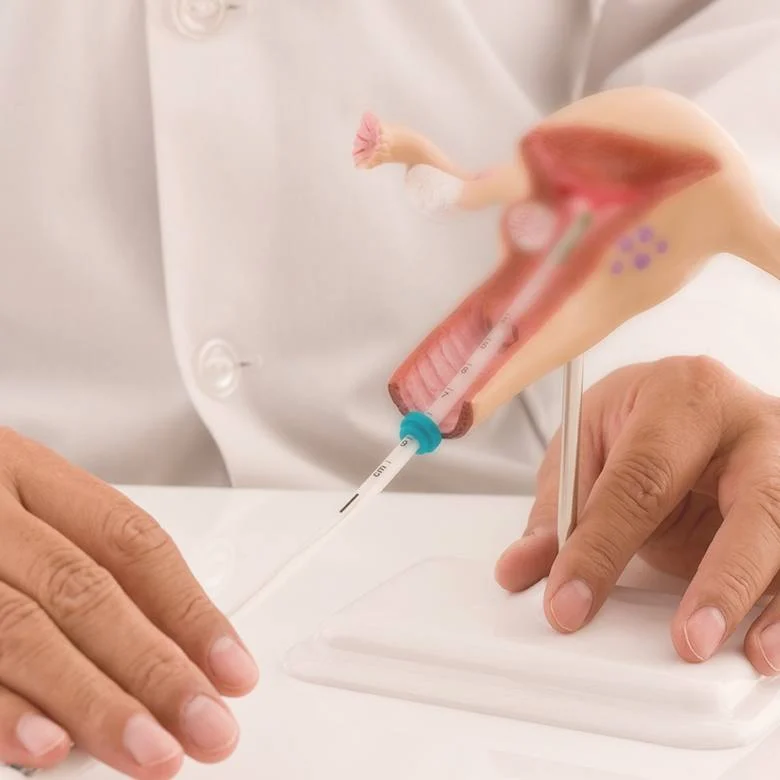
One Size Does Not Fit All: Finding the Right Fertility Treatment – Artificial Insemination vs IVF
Another critical factor to consider is the cost. Artificial insemination is a more affordable option compared to IVF. The average cost of one cycle of artificial insemination can range from $300 to $1000, while the average cost of one cycle of IVF can range from $12,000 to $15,000. These costs can add up quickly, especially if multiple cycles are needed to achieve pregnancy. However, some insurance plans may cover a portion of the costs of both treatments, so it is essential to check with your provider.
The level of invasiveness is also a significant difference between artificial insemination and IVF. Artificial insemination is a relatively simple procedure that can be done in a doctor’s office, while IVF involves more complex procedures and requires the use of fertility medications and regular monitoring. This can be physically and emotionally taxing for some couples. Therefore, it is crucial to consider your comfort level and the potential impact on your daily life when deciding which treatment is right for you.
Additionally, the success rates and costs of both treatments can be affected by a couple’s underlying fertility issues. For example, if a woman has blocked fallopian tubes, artificial insemination may not be an effective option as the sperm would still need to travel through the tubes to reach the egg. In this case, IVF may be a better option as it bypasses the fallopian tubes entirely. It is essential to consult with a fertility specialist to determine the best treatment plan based on your individual circumstances.
For single women, the decision between artificial insemination and IVF may be more straightforward. Artificial insemination with donor sperm is often the preferred option, as it is less invasive and less expensive compared to IVF with donor eggs. However, some single women may choose to undergo IVF to have a biological connection to their child.
In conclusion, when it comes to fertility treatments, there is no one size fits all solution. Artificial insemination and IVF are two popular options, each with its own set of pros and cons. Factors such as success rates, costs, level of invasiveness, and underlying fertility issues should all be considered when deciding which treatment is right for you. Consulting with a fertility specialist and discussing your options in detail can help you make an informed decision and increase your chances of achieving a successful pregnancy.