Understanding the Differences between Natural Conception and Assisted Reproduction
Conceiving a child is a natural and biological process that has been happening since the beginning of human existence. However, with the advancement of medical technology, there are now various assisted reproductive techniques that can help individuals and couples who are struggling with infertility to conceive a child. In this blog post, we will delve into the differences between natural conception and assisted reproduction.
Natural Conception
Natural conception, also known as unassisted conception, is the process of fertilization that occurs without any medical intervention. It involves sexual intercourse between a man and a woman during the woman’s fertile window. The fertile window is the period in which a woman’s body is most likely to release an egg that can be fertilized by a man’s sperm.
During sexual intercourse, the man ejaculates sperm into the woman’s vagina, and the sperm travels through the cervix and into the fallopian tubes, where it can fertilize the egg. The fertilized egg then implants itself in the lining of the uterus, where it can grow and develop into a baby.
Natural conception is the most common way of conceiving a child and is often referred to as “the birds and the bees.” It is a beautiful and intimate process that allows a couple to create a child together. However, it is not always a straightforward process, and many factors can affect a couple’s chances of conceiving naturally, such as age, health, and lifestyle choices.
Assisted Reproduction
Assisted reproduction, also known as assisted reproductive technology (ART), refers to any medical procedure or technique that helps with the conception of a child. These techniques are used when a couple is unable to conceive naturally due to infertility or other medical conditions. There are several types of assisted reproductive techniques, including:
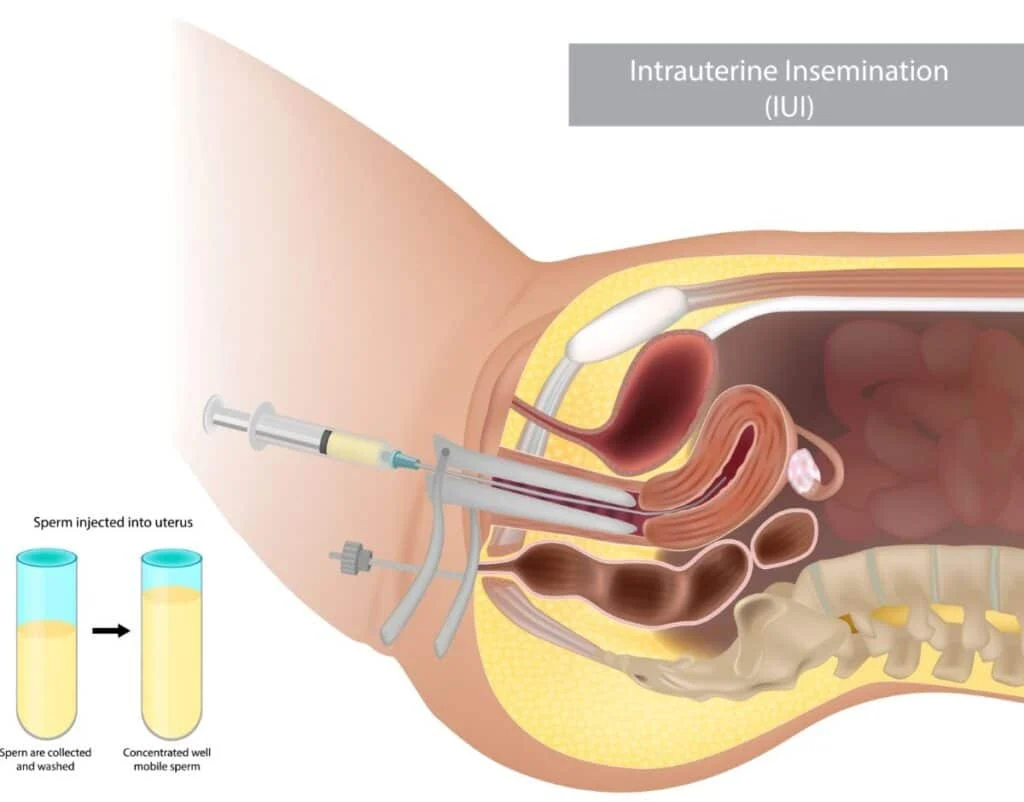
1. Intrauterine Insemination (IUI): In this procedure, a man’s sperm is washed and prepared in a lab, and then inserted into a woman’s uterus during her fertile window.
Understanding the Differences between Natural Conception and Assisted Reproduction
2. In Vitro Fertilization (IVF): This is the most common form of assisted reproduction, where a woman’s eggs are retrieved from her ovaries and fertilized in a lab with a man’s sperm. The fertilized egg is then transferred back into the woman’s uterus.
3. Intracytoplasmic Sperm Injection (ICSI): This technique is similar to IVF, but instead of fertilization happening in a lab, a single sperm is injected directly into the egg.
4. Surrogacy: In surrogacy, a gestational carrier (surrogate) carries a pregnancy for a couple who are unable to carry a child themselves.
Understanding the Differences
The main difference between natural conception and assisted reproduction is the level of medical intervention. In natural conception, the only medical intervention is sexual intercourse, while in assisted reproduction, various medical procedures are used to help with fertilization and implantation. Also, in natural conception, the couple has control over their fertility, while in assisted reproduction, they rely on medical professionals to help them conceive.
Another significant difference is the success rates. Natural conception has a success rate of around 15-20% per month, while the success rates of assisted reproductive techniques vary depending on the procedure and the individual’s circumstances. For example, IVF has a success rate of around 40%, while ICSI has a success rate of 30-35%.
Moreover, assisted reproduction can be a more expensive and time-consuming process compared to natural conception. It often involves multiple appointments, medications, and procedures, which can be physically, emotionally, and financially taxing for the couple.
In terms of ethics, there are also some differences between natural conception and assisted reproduction. While natural conception involves the union of two individuals’ genetic material, assisted reproduction can involve the use of donor eggs, sperm, or embryos, raising ethical concerns about the child’s genetic origins and potential issues with anonymity.
Summary
In summary, natural conception is the process of fertilization that occurs without any medical intervention, while assisted reproduction refers to any medical procedure or technique that helps with conception. The main differences between the two are the level of medical intervention, success rates, cost, and ethics. While natural conception is a beautiful and intimate process, assisted reproduction can provide hope and options for individuals and couples struggling with infertility. Both methods have their benefits and limitations, and the decision to pursue natural conception or assisted reproduction should be made after considering individual circumstances and consulting with a medical professional.