Tag: Family Building

  • The Pros and Cons of At-Home Insemination Success Rates

    At-home insemination is becoming an increasingly popular option for couples or individuals who are looking to start a family. It involves using a donor’s sperm to artificially inseminate oneself or a partner in the comfort of their own home. While this method may seem convenient and affordable, there are pros and cons to consider when it comes to success rates. In this blog post, we will explore the advantages and disadvantages of at-home insemination success rates.

    Pros:

    1. Convenience and Comfort: At-home insemination offers a level of privacy and comfort that may not be available in a clinical setting. The process can be done in the comfort of one’s own home, eliminating any feelings of stress or anxiety that may arise from undergoing the procedure in a medical facility.

    2. Cost-effective: In comparison to clinical insemination, at-home insemination is a more affordable option. The cost of donor sperm and insemination kits are significantly lower than the fees associated with fertility clinics. This makes it a more accessible option for those who may not have the financial means to undergo clinical insemination.

    3. Flexibility: At-home insemination allows for more flexibility in terms of timing. In a clinical setting, the timing of insemination is often determined by the donor’s availability and the clinic’s schedule. With at-home insemination, the process can be done at any time, making it easier to coordinate with the donor’s schedule and increase the chances of success.

    4. Emotional Connection: For couples, at-home insemination can offer a more intimate and emotional experience. It allows partners to be more involved in the process and can strengthen the bond between them.
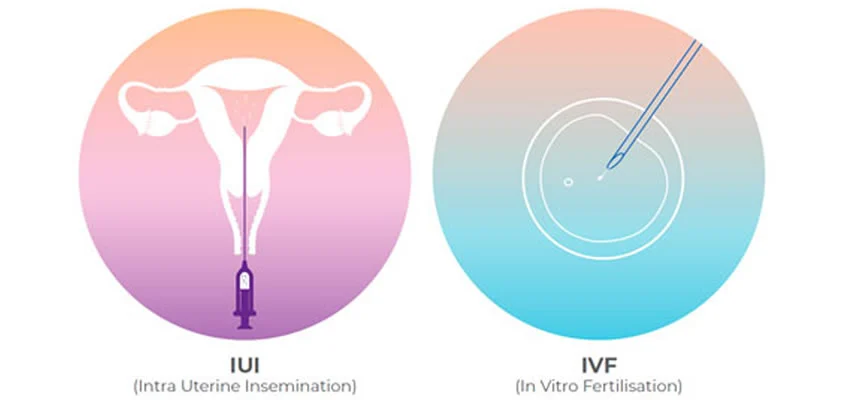
    comparison of IUI and IVF procedures illustrated with simple graphics and labels

    The Pros and Cons of At-Home Insemination Success Rates

    Cons:

    1. Lower Success Rates: One of the biggest downsides of at-home insemination is its lower success rates compared to clinical insemination. According to a study published in the Journal of Assisted Reproduction and Genetics, the success rate of at-home insemination is around 10-15%, while clinical insemination has a success rate of 20-25%.

    2. Lack of Medical Supervision: Unlike clinical insemination, at-home insemination does not involve any medical supervision. This means that there is a higher risk of complications and infections, which can affect the success rate and overall health of the individual.

    3. Limited Testing: Fertility clinics offer a range of tests to ensure the success of insemination, such as sperm count, quality, and ovulation tracking. These tests are not available for at-home insemination, which may lead to a lower success rate due to unknown factors affecting fertility.

    4. Legal Complications: At-home insemination using donor sperm can also lead to legal complications, especially if the donor is not known or properly screened. This can lead to issues with parental rights and custody, which can be stressful and emotionally taxing for all parties involved.

    In conclusion, at-home insemination has its pros and cons when it comes to success rates. While it offers convenience, affordability, and emotional connection, it also has lower success rates, lack of medical supervision, limited testing, and potential legal complications. It is important to carefully consider these factors before deciding on at-home insemination as a family-building option.

  • The Impact of Relationships: Intrauterine Insemination vs Intracervical Insemination

    The Impact of Relationships: Intrauterine Insemination vs Intracervical Insemination

    Relationships are a fundamental part of human life, and their impact can be felt in various aspects of our lives. One area where relationships play a significant role is in the process of fertility treatment, specifically in intrauterine insemination (IUI) and intracervical insemination (ICI). These two methods of assisted reproduction involve the use of donor sperm to fertilize a woman’s egg, but the key difference lies in the method of insemination. While IUI involves the placement of washed and concentrated sperm directly into the uterus, ICI involves placing unwashed sperm into the cervix. In this blog post, we will explore the impact of relationships in these two methods and how they can affect the overall success of fertility treatment.

    Building a Strong Foundation: The Role of Relationships in Fertility Treatment

    The journey towards building a family can be a challenging and emotionally taxing one, and having a strong support system is crucial. This is where relationships come into play. Whether it is a romantic partner, family member, or friend, having a supportive and understanding person by your side can make a significant difference in the fertility treatment process.

    For couples undergoing IUI or ICI, the emotional support and understanding from their partner can have a significant impact on their overall experience. The process of fertility treatment can be physically and emotionally draining, and having someone to lean on can help reduce stress and anxiety levels. Studies have shown that individuals with strong social support have a higher success rate in fertility treatment compared to those without a support system.

    In addition, relationships can also play a crucial role in the decision-making process. Deciding to undergo fertility treatment is a big decision, and having a partner who is on the same page and supports the chosen method can make a significant difference. It is essential for couples to have open and honest communication about their desires and concerns, as this can help them make informed decisions and increase their chances of success.

    The Impact of Relationships on IUI and ICI Success Rates

    Aside from providing emotional support, relationships can also have a direct impact on the success rates of IUI and ICI. Studies have shown that the success rates of both methods are higher in couples with a strong and stable relationship compared to those with relationship issues. This can be attributed to the fact that stress and anxiety can have a negative impact on fertility, and a supportive and understanding partner can help alleviate these factors.

    In addition, the level of intimacy and connection between partners can also play a role in the success of IUI and ICI. During IUI, the placement of the sperm directly into the uterus requires a certain level of relaxation and comfort. Having a partner by your side who you trust and feel connected to can help create a more conducive environment for the procedure.

    test tube with sperm in blue liquid, promoting IUI success rate and factors influencing fertility.

    The Impact of Relationships: Intrauterine Insemination vs Intracervical Insemination

    The Role of Relationships in the IUI and ICI Process

    Aside from emotional and physical support, relationships also play a role in the actual process of IUI and ICI. During IUI, the partner’s sperm is used, which can create a sense of closeness and intimacy between the couple. This process can help bring the couple closer together and strengthen their bond.

    On the other hand, ICI involves the use of donor sperm, which can bring about various emotions and challenges for the couple. In this case, having a supportive partner who understands and respects the decision to use donor sperm can help alleviate any insecurities or doubts that may arise.

    Furthermore, the process of IUI and ICI often requires multiple attempts before achieving success, and having a partner who is willing to go through this journey with you can make all the difference. The process can be physically and emotionally taxing, but having a supportive partner can help ease the burden and provide the necessary motivation to continue trying.

    The Impact of Relationships Beyond Fertility Treatment

    The impact of relationships in fertility treatment goes beyond the process itself. Whether the treatment is successful or not, the experience can bring the couple closer together and strengthen their bond. The journey towards building a family can be a challenging one, but going through it with a supportive and understanding partner can make it a more positive and fulfilling experience.

    In addition, the impact of relationships extends to the child that may result from the fertility treatment. For couples who have gone through IUI or ICI, the child may have a genetic connection to one partner, but the love and support from both parents will be equally important in their upbringing. The strong foundation of their relationship can provide a stable and nurturing environment for the child to grow up in.

    In conclusion, the impact of relationships in intrauterine insemination and intracervical insemination is undeniable. From providing emotional and physical support to influencing success rates and playing a role in the process itself, relationships are a crucial aspect of fertility treatment. Whether the treatment is successful or not, the strength and support of a partner can make all the difference in the journey towards building a family.

    Summary:

    Relationships play a significant role in the process of fertility treatment, specifically in intrauterine insemination (IUI) and intracervical insemination (ICI). Emotional support and understanding from a partner can help reduce stress and anxiety levels, and open and honest communication can aid in decision-making. Studies have shown that a strong and stable relationship can positively impact the success rates of IUI and ICI. Additionally, relationships play a role in the actual process of IUI and ICI, and can also have a lasting impact beyond fertility treatment, providing a strong foundation for the child’s upbringing. Overall, the impact of relationships in IUI and ICI is undeniable and can make a significant difference in the journey towards building a family.

  • Exploring the Financial Side of Building a Family: Fertility Treatments vs Adoption

    Building a family is a dream for many individuals and couples. However, the road to parenthood is not always straightforward and can involve various challenges, including fertility struggles. In recent years, more and more people have turned to fertility treatments and adoption as options for building their families. While both paths lead to the same end goal, they come with different financial considerations. In this blog post, we will explore the financial side of building a family, comparing the costs of fertility treatments and adoption.

    Fertility Treatments

    Fertility treatments, also known as assisted reproductive technology (ART), refer to medical procedures that help individuals or couples conceive a child. These procedures can range from simple interventions, such as fertility drugs, to more complex procedures like in vitro fertilization (IVF). According to the American Society for Reproductive Medicine, the average cost of an IVF cycle in the United States is around $12,000, with some clinics charging up to $20,000 per cycle. This does not include additional costs such as medications, consultations, and diagnostic tests, which can easily add up to several thousand dollars.

    Another popular fertility treatment is Intrauterine Insemination (IUI), where sperm is placed directly into the uterus during ovulation. The average cost of one IUI cycle is around $2,000, but this can vary depending on the clinic and any additional medications or tests needed. Other fertility treatments, such as egg or sperm donation, can also add significant costs to the overall fertility journey.

    One of the main financial considerations with fertility treatments is that they are not always covered by insurance. While some insurance companies may offer partial coverage, many do not cover any fertility treatments at all. This means that individuals or couples may have to pay out of pocket for these procedures, which can be a significant financial burden.

    Adoption

    Adoption is another option for individuals or couples who are unable to conceive naturally. The cost of adoption can vary greatly depending on the type of adoption and the agency used. According to the U.S. Department of Health and Human Services, the average cost of a domestic adoption can range from $20,000 to $40,000, while international adoptions can cost upwards of $50,000. These costs include everything from agency fees, legal expenses, and travel expenses.

    A person administering an injection into their abdomen with a yellow pen-like device.

    Exploring the Financial Side of Building a Family: Fertility Treatments vs Adoption

    One of the main financial advantages of adoption is that it is often covered by insurance. Many employers offer adoption benefits, which can include reimbursing adoption-related expenses up to a certain amount. Additionally, there are various grants and loans available to help cover adoption costs for families in need.

    However, there are additional costs associated with adoption that may not be covered by insurance or grants. These can include birth mother expenses, such as medical bills and living expenses, as well as post-adoption expenses, such as counseling and legal fees. It is essential to consider all of these costs when exploring adoption as an option for building a family.

    Financial Considerations

    When comparing the costs of fertility treatments and adoption, it is essential to consider various factors that can impact the overall cost. These can include the individual’s or couple’s medical history, age, and the type of fertility treatment or adoption being pursued. For example, a couple undergoing multiple IVF cycles may end up spending more than a couple who adopts domestically.

    Another consideration is the success rates of each option. While fertility treatments can be expensive, they also have a higher chance of resulting in a successful pregnancy compared to adoption. However, adoption can bring its own set of emotional and financial challenges, such as dealing with failed matches or unexpected expenses.

    It is also crucial to consider the long-term financial implications of both options. Fertility treatments may result in multiple births, which can bring additional costs such as childcare and education expenses. On the other hand, adoption may involve ongoing financial commitments, such as birth family contact and post-adoption support.

    Ultimately, the financial aspect of building a family is a personal decision that should be carefully considered by each individual or couple. It is essential to research and understand the costs and potential outcomes of both fertility treatments and adoption before making a decision.

    In conclusion, building a family through fertility treatments or adoption comes with its own set of financial considerations. Fertility treatments can be costly, and not always covered by insurance, while adoption can also involve significant expenses. It is crucial to carefully consider all aspects, including success rates and long-term financial implications, to make an informed decision that is right for each individual or couple.

  • Beyond Biological Parenthood: Exploring Adoption and Surrogacy as Infertility Treatments

    Blog Summary:

    Infertility is a difficult and often emotional journey for many individuals and couples. As medical technology advances, there are now alternative options available for those struggling with infertility, such as adoption and surrogacy. In this blog post, we will delve into the world of adoption and surrogacy as infertility treatments, exploring the process, benefits, and challenges associated with each.

    Adoption as an Infertility Treatment:

    Adoption is the process of legally taking on the responsibility of raising a child who is not biologically related to the adoptive parents. While the idea of adoption may seem daunting, many individuals and couples have found it to be a fulfilling and rewarding way to build a family. There are two main types of adoption: domestic and international.

    Domestic adoption involves adopting a child within one’s own country. This process typically involves working with an adoption agency, which helps match prospective parents with a child who is in need of a loving home. The process can take anywhere from several months to a few years, and may involve a waiting period, home study, and background checks.

    International adoption, on the other hand, involves adopting a child from another country. This process can also take several months to a few years, and may involve additional legal and bureaucratic steps, as well as travel to the child’s country of origin. While international adoption can be a more complex and expensive process, it also allows individuals and couples to give a child from a different culture and background a loving home.

    Benefits of Adoption as an Infertility Treatment:

    One of the main benefits of adoption as an infertility treatment is the opportunity to give a child a loving family and home. Many individuals and couples who are unable to conceive a child of their own find joy and fulfillment in providing a home for a child in need. In addition, adoption can also provide a sense of fulfillment and purpose for those struggling with infertility, as they are able to build a family in a different way.

    Another benefit of adoption is the opportunity to choose the age and background of the child. While some may prefer to adopt a newborn, others may choose to adopt an older child or a child with special needs. This allows for more flexibility and the ability to find the best fit for one’s family.

    Challenges of Adoption as an Infertility Treatment:

    One of the main challenges of adoption is the emotional rollercoaster that comes with the process. From the waiting period to the potential disappointments and setbacks, the journey to adoption can be emotionally draining. It is important for individuals and couples to have a strong support system and to be prepared for the challenges that may arise.

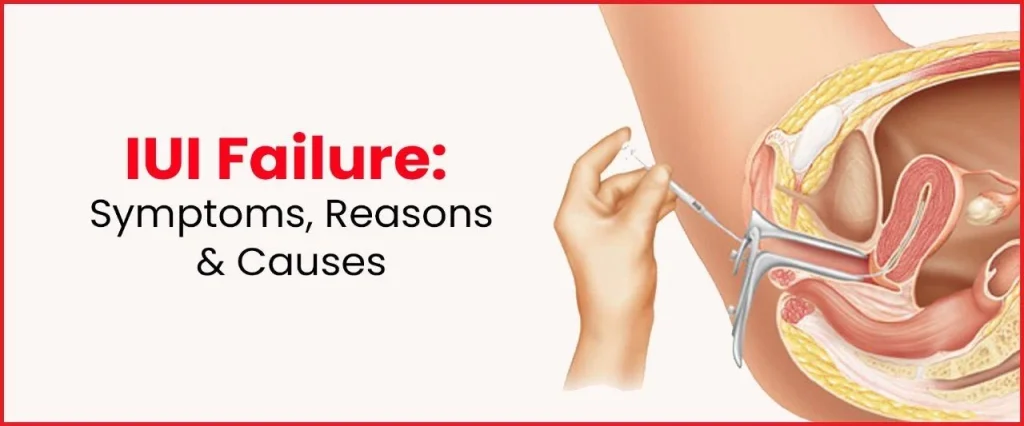
    illustration of IUI procedure with text on symptoms, reasons, and causes of IUI failure

    Beyond Biological Parenthood: Exploring Adoption and Surrogacy as Infertility Treatments

    In addition, the cost of adoption can also be a challenge for some. While there are financial resources available, adoption can be an expensive process, with fees ranging from a few thousand dollars to tens of thousands of dollars. It is important for prospective adoptive parents to carefully consider their financial situation and to plan accordingly.

    Surrogacy as an Infertility Treatment:

    Surrogacy is the process of using a gestational carrier to carry and give birth to a child for an individual or couple. It is an option for those who are unable to carry a child themselves due to medical reasons or same-sex couples. There are two main types of surrogacy: traditional and gestational.

    Traditional surrogacy involves using the surrogate’s own egg to conceive the child, making her the biological mother. This process is less common and can raise legal and emotional complexities.

    Gestational surrogacy, on the other hand, involves using the eggs and sperm of the intended parents or donors to create an embryo, which is then transferred to the surrogate’s uterus. This process is more common and allows for a genetic connection between the child and the intended parents.

    Benefits of Surrogacy as an Infertility Treatment:

    One of the main benefits of surrogacy is the opportunity for individuals and couples to have a genetic connection to their child. This can be especially important for those who are unable to carry a child themselves. Surrogacy also allows for the intended parents to be involved in the pregnancy and childbirth process, from choosing the surrogate to being present at the birth.

    Challenges of Surrogacy as an Infertility Treatment:

    One of the main challenges of surrogacy is the cost. Surrogacy can be an expensive process, with fees for the surrogate, medical procedures, and legal expenses. In addition, there may be additional costs for travel, insurance, and other expenses. It is important for individuals and couples to carefully consider their financial situation and to plan accordingly.

    Another challenge is the legal complexities involved in surrogacy. Laws and regulations regarding surrogacy vary from state to state and country to country, making it important for individuals and couples to fully understand the legal process and potential risks involved.

    In Conclusion:

    Infertility can be a difficult and emotional journey, but there are now alternative options available to help individuals and couples build a family. Adoption and surrogacy are two such options, each with their own benefits and challenges. It is important for those considering these treatments to carefully research and understand the process, and to have a strong support system in place. Ultimately, the most important thing is to find the best fit for one’s family and to create a loving and supportive environment for a child in need of a home.

  • The Role of Counseling: Donor Insemination vs Partner Insemination

    Blog Post:

    The decision to start a family is a major one, and for many couples, it may not be as straightforward as simply trying to conceive. For same-sex couples or those struggling with fertility issues, the option of donor insemination or partner insemination may be necessary. However, both of these options come with their own unique challenges and considerations, making the role of counseling crucial in helping couples make the best decision for their family.

    Donor insemination involves using sperm from a donor, either from a sperm bank or known donor, to fertilize the egg of the person trying to conceive. This option is often chosen by same-sex couples or individuals who do not have a male partner. On the other hand, partner insemination is when a couple uses the sperm of one partner to inseminate the other partner. This can be done through various methods such as artificial insemination or intrauterine insemination (IUI).

    One of the main differences between donor insemination and partner insemination is the involvement of a third party. Donor insemination requires the selection of a donor, which can be a complex process. Couples may have to consider factors such as physical characteristics, genetic history, and personal characteristics of the donor. This can bring up a range of emotions and concerns for the couple, including worries about the child’s future relationship with the donor, and the potential for the donor to have a legal claim to the child.

    In contrast, partner insemination involves only the two individuals in the couple, but this does not mean it is without its own set of challenges. The couple may face issues such as fertility struggles, timing of ovulation, and the physical and emotional demands of the insemination process. In some cases, one partner may have to undergo medical procedures or treatments to improve their chances of conception, which can be a difficult journey to navigate alone.

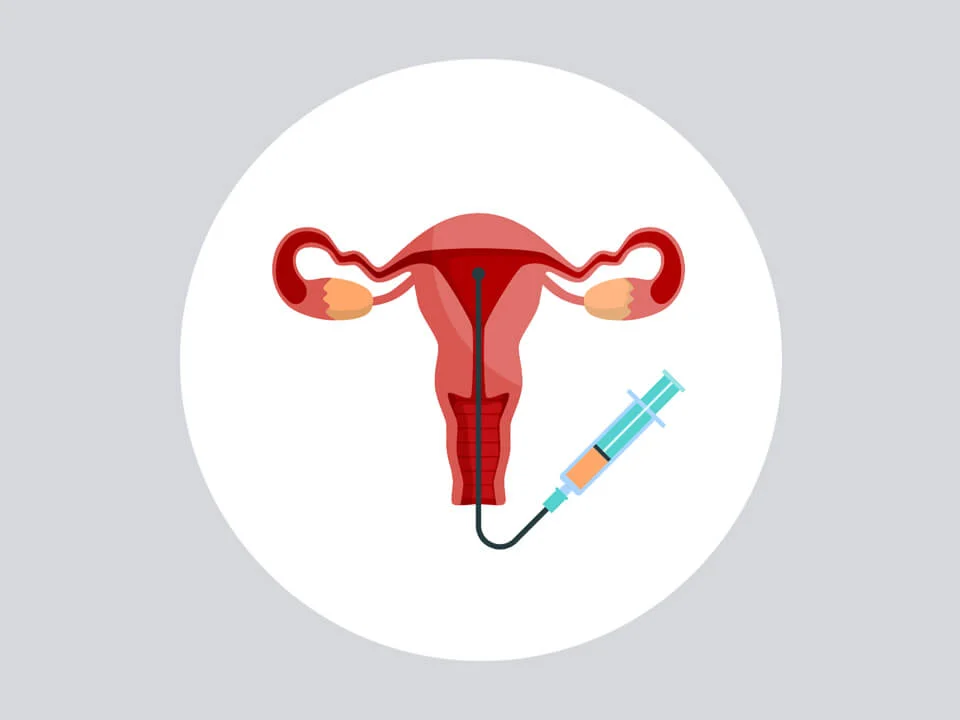
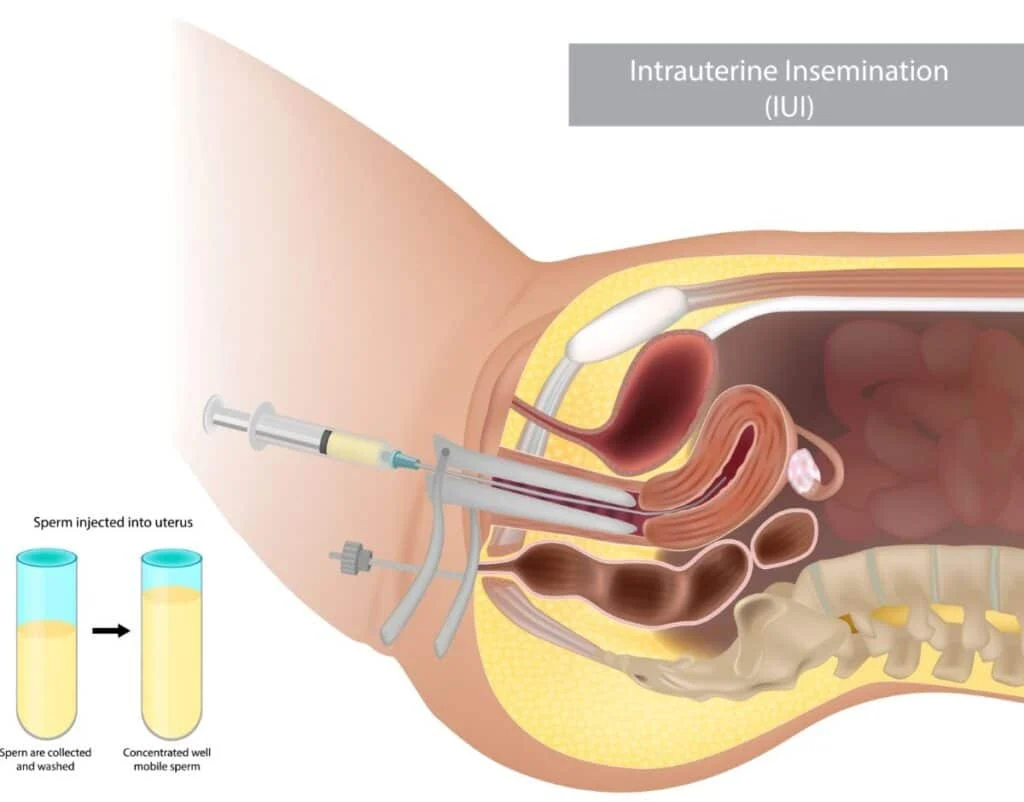
    Illustration of a uterus with a syringe, representing intrauterine insemination (IUI) procedure.

    The Role of Counseling: Donor Insemination vs Partner Insemination

    This is where the role of counseling becomes crucial in both donor and partner insemination. A counselor can help the couple explore their thoughts and feelings towards starting a family, as well as the specific challenges and concerns that come with each option. They can also help the couple communicate effectively and make decisions together, taking into account each person’s desires and concerns.

    In the case of donor insemination, counseling can help the couple navigate the complexities of selecting a donor and discuss any potential issues that may arise in the future. It can also provide support for the non-biological parent who may feel left out of the process and unsure of their role in the child’s life.

    For couples considering partner insemination, counseling can help them work through any fertility challenges, as well as the potential emotional strain of the insemination process. It can also provide a safe space for both partners to express their fears, hopes, and expectations for starting a family.

    Another important aspect of counseling in this context is addressing the potential impact of these decisions on the couple’s relationship. Starting a family can put a strain on even the strongest of partnerships, and the added complexities of donor or partner insemination can make it even more challenging. A counselor can help the couple strengthen their communication and support each other through the ups and downs of the process.

    It is also important to note that counseling can continue even after the decision has been made and the family has been formed. Raising a child conceived through donor or partner insemination can bring up a whole new set of challenges and questions for the couple. A counselor can provide ongoing support and guidance to help the family navigate their unique situation.

    In summary, the role of counseling in the context of donor insemination and partner insemination is crucial. It can help couples make informed decisions about their family-building options, navigate the complexities and challenges of the process, and strengthen their relationship throughout the journey. With the support of a counselor, couples can feel more confident and prepared as they embark on the path to parenthood.

  • The Emotional Toll: Donor Insemination vs Partner Insemination

    Donor insemination and partner insemination are two common methods used by individuals and couples who are struggling with infertility to conceive a child. While both involve the use of donor sperm, there are significant differences between the two processes, not only in terms of the physical procedures but also in the emotional toll they can take on those involved. In this blog post, we will delve into the emotional impact of donor insemination versus partner insemination and explore the unique challenges and considerations that each option presents.

    Donor Insemination: The Emotional Journey

    Donor insemination, also known as artificial insemination by donor (AID), is a procedure in which donor sperm is used to fertilize the egg of a woman looking to conceive. This can be done through intrauterine insemination (IUI), where the sperm is inserted into the uterus, or through in vitro fertilization (IVF), where the sperm is combined with the egg in a laboratory before being implanted into the woman’s uterus.

    For individuals or couples using donor insemination, the process can bring about a range of emotions. The decision to use a donor can be a difficult one, as it can challenge one’s sense of identity and raise questions about the role of genetics in family building. For those struggling with infertility, it can also add to feelings of inadequacy and grief over not being able to conceive naturally.

    Additionally, the process of choosing a sperm donor can be emotionally taxing. Some individuals or couples may feel overwhelmed by the vast amount of information available about donors, including physical characteristics, medical history, and personal essays. The idea of relying on a stranger’s genetic material to create a child can also bring about feelings of uncertainty and fear of the unknown.

    Once a donor is chosen and the insemination process begins, the waiting period can be a rollercoaster of emotions. Each month, the individual or couple may experience a mix of hope, anxiety, and disappointment as they wait to see if the procedure was successful. This can take a toll on relationships, as the pressure to conceive can create tension and strain.

    In the case of IVF, there may also be added emotional stress due to the high cost and physical demands of the procedure. Many individuals or couples may feel overwhelmed by the financial burden and the time-consuming process of injections, monitoring, and egg retrieval.

    Partner Insemination: The Emotional Journey

    Partner insemination, also known as artificial insemination by partner (AIP), is a procedure in which the sperm of one partner is used to fertilize the egg of the other partner. This can be done through IUI or IVF, similar to donor insemination. The main difference is that the sperm comes from a known partner rather than a donor.

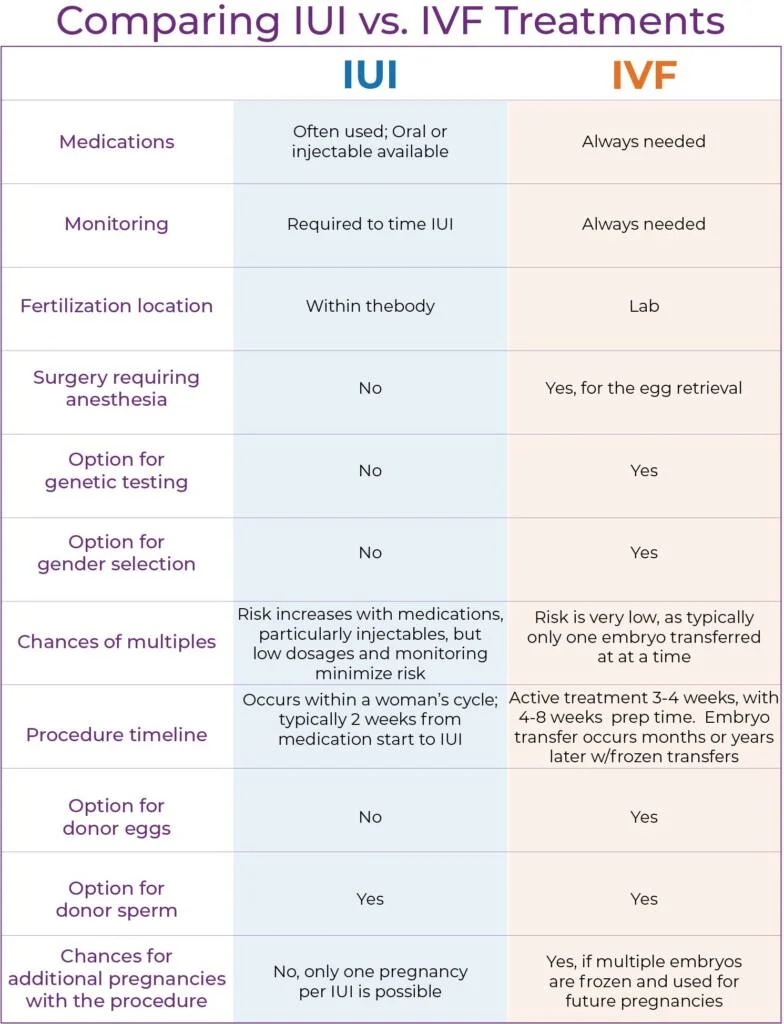
    Comparison chart of IUI and IVF treatments, detailing medications, monitoring, procedures, and success rates.

    The Emotional Toll: Donor Insemination vs Partner Insemination

    For couples using partner insemination, the emotional journey may also be challenging. The decision to use one partner’s sperm over the other may raise questions about the role of genetics and the potential impact on the child’s identity. It can also bring about feelings of guilt or disappointment if one partner is unable to produce viable sperm.

    The process of insemination may also be emotionally taxing for the partner undergoing the procedure. The pressure to produce enough sperm and the fear of not being able to contribute to the conception can create feelings of inadequacy and frustration. In some cases, there may also be added stress if the couple is using IVF and one partner is required to undergo the physical demands of egg retrieval.

    One of the unique challenges of partner insemination is the potential impact on the relationship between the partners. The pressure to conceive can create tension and conflict, and the process of insemination may also feel clinical and unromantic. This can put a strain on the emotional and physical intimacy between partners, which is crucial for a healthy relationship.

    The Impact on Children

    Aside from the emotional impact on the individuals and couples going through donor or partner insemination, there is also the potential impact on any children conceived through these methods. For children conceived through donor insemination, there may be questions and concerns about their identity and their relationship with the donor. This is something that parents must navigate and address with their child as they grow up.

    For children conceived through partner insemination, there may also be questions about their genetic makeup and their relationship with the non-biological parent. This can be a particularly sensitive issue for same-sex couples, as the non-biological parent may feel excluded or less connected to the child.

    Conclusion

    In conclusion, both donor insemination and partner insemination can be emotionally challenging processes for individuals and couples struggling with infertility. The decision to use either method involves a complex mix of feelings and considerations, and the waiting period can be emotionally taxing. Additionally, the impact on relationships and the potential impact on children must also be carefully considered.

    Ultimately, the emotional toll of donor insemination and partner insemination will vary for each individual or couple. It is essential to seek support from loved ones and to consider counseling or therapy to navigate the emotional journey. With careful consideration and support, individuals and couples can make the best decision for their family building journey and find ways to cope with the emotional impact of these procedures.

    SEO metadata:

  • Sharing the Experience: Donor Insemination vs Partner Insemination

    Sharing the Experience: Donor Insemination vs Partner Insemination

    When it comes to starting a family, there are many different paths that individuals and couples can take. For same-sex couples or individuals who are unable to conceive naturally, donor insemination and partner insemination are two options that are often considered. While both methods involve using donated sperm to achieve pregnancy, there are some significant differences between them. In this blog post, we will explore the experiences of those who have undergone both donor insemination and partner insemination, and discuss the pros and cons of each.

    Donor insemination, also known as artificial insemination using donor sperm (AID), involves using sperm from a donor to fertilize an individual’s or a couple’s eggs. This method is most commonly used by single women or lesbian couples who want to have a child. The process typically involves selecting a sperm donor from a sperm bank, undergoing fertility testing, and then using the donor sperm for insemination. Donor insemination can be done at home or in a fertility clinic.

    On the other hand, partner insemination, also known as artificial insemination using partner sperm (AIH), involves using sperm from the individual’s partner or a known donor to fertilize their eggs. This method is often used by same-sex male couples or heterosexual couples who are struggling with male factor infertility. Partner insemination can also be done at home or in a fertility clinic, but in some cases, couples may choose to use a known donor and perform the insemination at home.

    One of the most significant differences between donor insemination and partner insemination is the involvement of a third party. With donor insemination, the donor is usually anonymous, and there is no ongoing relationship between the donor and the individual or couple. This can provide a sense of privacy and control for those undergoing the process. However, it can also lead to questions and concerns about the medical history and genetic makeup of the donor.

    In contrast, partner insemination involves using sperm from a known donor, which can be the individual’s partner or a close friend. This can provide a sense of comfort and familiarity, as well as the opportunity for the child to have a relationship with their biological father. However, it can also bring up issues of legal and parental rights, especially if the donor is not the individual’s partner.

    Comparison chart of IUI and IVF treatments, detailing medications, monitoring, procedures, and success rates.

    Sharing the Experience: Donor Insemination vs Partner Insemination

    Another significant difference between the two methods is the level of involvement and control over the insemination process. With donor insemination, the individual or couple has little control over the sperm donor’s health and fertility, and the success of the insemination can be unpredictable. In contrast, partner insemination allows for more control and involvement in the process, as the individual or couple is familiar with the donor’s health and fertility.

    In terms of cost, partner insemination can be less expensive than donor insemination, as there is no need to pay for a sperm donor. However, this can also mean that there may be limited options for sperm donors, and the process may take longer. In contrast, donor insemination can be more expensive, as the individual or couple must pay for the donor sperm and any associated fertility testing and procedures.

    When it comes to the emotional aspect of the insemination process, both donor insemination and partner insemination can bring about a range of feelings and experiences. For those undergoing donor insemination, there may be a sense of detachment from the donor, as well as concerns about the child’s genetic makeup and potential lack of connection to the donor. In contrast, partner insemination can bring up issues of jealousy and insecurities, especially if the donor is not the individual’s partner.

    In terms of success rates, both donor insemination and partner insemination have similar rates of success. However, success rates can vary depending on factors such as the age and health of the individual or couple, the quality of the sperm, and the timing of the insemination.

    In the end, the decision to choose between donor insemination and partner insemination is a personal one that should be based on individual circumstances and preferences. Both methods have their own unique set of advantages and disadvantages, and it is essential to carefully consider all aspects before making a decision.

    In summary, while both donor insemination and partner insemination involve using donated sperm to achieve pregnancy, there are significant differences between the two methods. Donor insemination provides a sense of privacy and control, while partner insemination allows for a closer relationship with the donor and more involvement in the process. Ultimately, the decision between the two methods should be based on individual needs and preferences.

  • The Emotional Journey of Home Insemination and IVF for Same-Sex Couples

    The process of starting a family for same-sex couples can be an emotional rollercoaster, filled with highs and lows, hopes and fears. For many couples, the journey begins with home insemination or in vitro fertilization (IVF). These methods allow same-sex couples to have a biological connection to their child and fulfill their dream of becoming parents. However, the emotional journey of home insemination and IVF is not an easy one. It involves physical, financial, and emotional challenges that can take a toll on both partners. In this blog post, we will explore the emotional journey of home insemination and IVF for same-sex couples, from the decision to start a family to the birth of their child.

    The Decision to Start a Family
    For same-sex couples, the decision to start a family is a big one. It involves not only the desire to have a child but also the realization of the challenges that come with it. Same-sex couples may face societal judgment, legal barriers, and financial constraints when it comes to starting a family. Despite these challenges, the desire to have a child and build a family is often strong and cannot be ignored.

    Choosing Between Home Insemination and IVF
    Once the decision to start a family is made, same-sex couples must then decide between home insemination and IVF. Home insemination involves using a syringe or a cervical cap to insert donated sperm into the vagina, while IVF involves retrieving eggs from one partner, fertilizing them with donor sperm, and then transferring them to the other partner’s uterus. Both methods have their benefits and drawbacks, and the choice often depends on various factors such as cost, success rates, and personal preferences.

    The Emotional Impact of Home Insemination
    For same-sex couples who choose home insemination, the process can be emotionally taxing. It involves tracking ovulation, purchasing donor sperm, and performing the insemination at home. This can be a daunting task, especially for couples who have no prior experience with fertility treatments. The pressure to get it right and the fear of not being successful can cause stress and anxiety. Moreover, the emotional burden often falls on one partner, who may have to undergo multiple insemination attempts before getting pregnant.

    The Emotional Toll of IVF
    IVF, on the other hand, is a more complex and invasive process. It requires hormone injections, frequent doctor visits, and a surgical procedure to retrieve eggs. For same-sex couples, the partner who carries the pregnancy may have to endure these physical and emotional challenges. The other partner may also feel left out or helpless, unable to contribute to the pregnancy in any way. The financial strain of IVF can also be a significant source of stress for many couples, as it can be an expensive process with no guarantee of success.

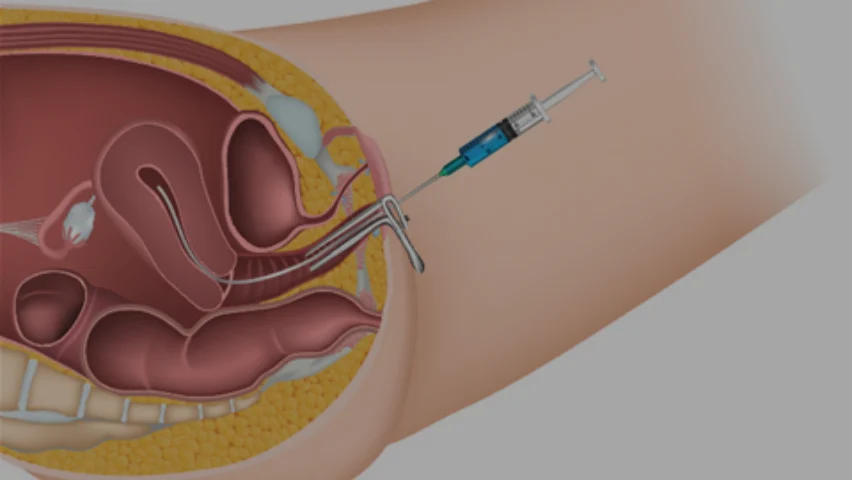
    Illustration of intrauterine insemination (IUI) procedure with syringe and catheter in the uterus.

    The Emotional Journey of Home Insemination and IVF for Same-Sex Couples

    The Waiting Game
    Once the insemination or IVF is done, the waiting game begins. For same-sex couples, this wait can be excruciatingly long and emotionally draining. Every month or two-week wait feels like an eternity, with each negative pregnancy test bringing disappointment and sadness. The constant hope and disappointment cycle can be exhausting and take a toll on the couple’s mental health.

    Dealing with Pregnancy Loss
    Unfortunately, pregnancy loss is a common occurrence for many couples, including same-sex couples. Whether it is a failed insemination or a miscarriage, the emotional impact can be devastating. For same-sex couples, the loss may feel more significant, as it may be their only chance at having a biological child. The grief and sadness that come with pregnancy loss can be overwhelming, and it may take some time for the couple to recover and try again.

    The Joy of Pregnancy
    After months or even years of trying, when a same-sex couple finally gets pregnant, it is a moment of pure joy and celebration. The emotional journey of home insemination or IVF finally feels worth it, and the couple can start planning for the future and their growing family. The physical and emotional changes of pregnancy, such as feeling the baby’s first kicks, attending doctor appointments, and preparing for the arrival of the baby, can bring immense happiness to the couple.

    The Birth of Their Child
    The emotional journey of home insemination and IVF for same-sex couples ultimately leads to the birth of their child. For many, this moment is the happiest and most emotional experience of their lives. Holding their baby for the first time and realizing that they have created a family together is a feeling that cannot be put into words. The challenges, struggles, and emotions of the journey are all worth it when they see their child’s face and know that they are finally a family.

    In conclusion, the emotional journey of home insemination and IVF for same-sex couples is a tumultuous one, filled with highs and lows, fears and hopes. It involves making difficult decisions, facing physical and emotional challenges, and experiencing the joy and sadness of pregnancy. But in the end, the love and determination of same-sex couples to start a family and create a life together triumph over all the obstacles they face. It is a journey that may be difficult, but one that is undoubtedly worth it when they hold their child in their arms for the first time.

  • The Role of Counseling in Sperm Banks vs Known Donors

    Blog Post:

    The decision to use a sperm bank or a known donor for assisted reproduction can be a difficult one for individuals or couples facing fertility challenges. While both options have their pros and cons, one factor that should not be overlooked is the role of counseling in each scenario. In this blog post, we will explore the importance of counseling in sperm banks vs known donors and how it can impact the journey of building a family.

    Sperm Banks:
    Sperm banks are facilities that store and distribute donated sperm for use in assisted reproduction. The use of sperm from a sperm bank offers a sense of anonymity as the donors’ identities are usually kept confidential. This anonymity can be both a benefit and a challenge for individuals or couples considering this option.

    On one hand, anonymity provides a level of privacy and allows individuals or couples to avoid any potential relationship or legal complications with the donor in the future. However, this lack of information about the donor’s personal and medical history can also be a concern for those looking to use donated sperm. This is where counseling plays a crucial role in the decision-making process.

    Counseling in Sperm Banks:
    Counseling is an essential part of the process in sperm banks. It provides individuals or couples with the necessary support and guidance to navigate through the complexities of using donated sperm. A trained counselor can help them explore their options, assess their emotional readiness, and understand the legal implications of choosing a sperm bank.

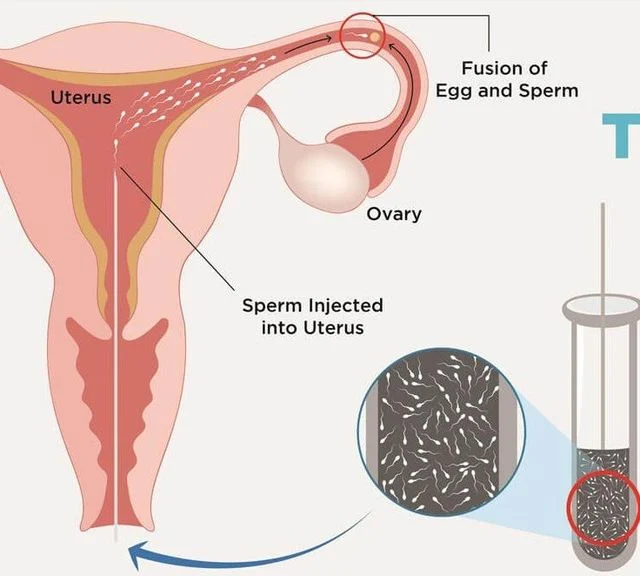
    Diagram illustrating the IUI process, showing sperm injection into the uterus and egg fertilization.

    The Role of Counseling in Sperm Banks vs Known Donors

    Counseling can also help individuals or couples address any concerns they may have about the anonymity of the donor and the potential impact on their child’s identity. It can also assist in managing expectations and preparing for any potential challenges that may arise in the future. Additionally, counseling can help individuals or couples process any grief or loss they may feel about not being able to conceive naturally.

    Known Donors:
    On the other hand, known donors are individuals who offer their sperm directly to individuals or couples in need. This option allows for more control over the selection process, as the donor can be chosen based on personal and medical history, physical characteristics, and even personal connection. However, this option comes with its own set of challenges.

    Counseling in Known Donors:
    Choosing to use a known donor can be a complex and emotional decision. Counseling plays a vital role in helping individuals or couples navigate through this process. It can help them establish boundaries and expectations with the donor, understand the legal implications, and address any concerns or fears they may have about the donor’s involvement in the child’s life.

    Counseling can also help individuals or couples manage any potential conflicts that may arise with the donor in the future. It can also provide a safe and neutral space for all parties involved to communicate and work through any challenges that may arise during the conception process.

    Conclusion:
    In conclusion, the role of counseling in sperm banks and known donors cannot be overlooked. It not only provides essential support and guidance throughout the decision-making process but also helps individuals or couples prepare for any potential challenges that may arise in the future. Whether using a sperm bank or a known donor, counseling can play a crucial role in ensuring a smooth and emotionally healthy journey towards building a family.

    Summary:
    In this blog post, we discussed the role of counseling in sperm banks vs known donors. Sperm banks offer anonymity, but counseling is crucial in helping individuals or couples address concerns about the donor’s lack of information. Known donors offer more control, but counseling is necessary in managing boundaries and expectations. In both scenarios, counseling plays a vital role in supporting individuals or couples through the decision-making process and preparing for any potential challenges in the future.

  • The Influence of Donor Profiles in Sperm Banks vs Known Donors

    Blog Post:

    Sperm donation has been a widely accepted method of assisted reproduction for decades. With advancements in technology and societal attitudes towards alternative family structures, the demand for donor sperm has significantly increased. As a result, sperm banks have become a popular option for individuals and couples looking to start a family.

    However, along with the rise in demand for donor sperm, there has been a growing debate over the use of donor profiles in sperm banks versus known donors. In this blog post, we will explore the influence of donor profiles in sperm banks and how they compare to known donors.

    Donor Profiles in Sperm Banks:

    Sperm banks are facilities that collect and store donated sperm for use in assisted reproduction. Donor profiles, also known as donor information, are a crucial aspect of sperm banks. They contain detailed information about the donor, including physical characteristics, medical history, education, and personal interests.

    The purpose of donor profiles is to provide potential recipients with as much information as possible about the donor. This allows recipients to make an informed decision when choosing a donor, as they can select someone who closely matches their desired traits and characteristics.

    The Influence of Donor Profiles:

    The availability of donor profiles in sperm banks has a significant influence on the choices of recipients. With a wide range of information available, recipients can select donors based on physical attributes such as height, eye and hair color, and ethnicity. They can also choose donors based on their educational background, occupation, and personal interests.

    The ability to select a donor based on these factors can give recipients a sense of control and comfort in the process of choosing a donor. It also allows them to choose a donor who closely resembles themselves or their partner, making the child feel more connected to their family.

    However, the influence of donor profiles can also have negative implications. The extensive amount of information available can lead to a phenomenon known as ‘designer babies,’ where recipients may choose donors solely based on desirable physical or intellectual traits. This can raise ethical concerns and may perpetuate societal ideals of perfection and conformity.

    Diagram illustrating intrauterine insemination (IUI) procedure with sperm injection into the uterus.

    The Influence of Donor Profiles in Sperm Banks vs Known Donors

    Known Donors:

    Known donors are individuals who donate sperm directly to a recipient, usually a friend or acquaintance. Unlike sperm banks, known donors do not have donor profiles. The information available about known donors is typically limited to their physical characteristics and medical history.

    The Influence of Known Donors:

    Known donors have a different influence on the sperm donation process compared to donor profiles in sperm banks. In most cases, recipients choose known donors because of their existing personal relationship and trust with the donor. This can be a significant factor in the decision-making process, as recipients may feel more comfortable knowing the donor personally.

    Another influence of known donors is the level of involvement they have in the child’s life. Unlike anonymous donors in sperm banks, known donors may have a more active role in the child’s life, which can be beneficial for the child’s emotional well-being. However, this could also lead to potential conflicts and challenges in the future, especially if the relationship between the recipient and donor changes.

    The Debate:

    The debate over the use of donor profiles in sperm banks versus known donors is ongoing. On one hand, donor profiles allow recipients to select donors based on desired traits, giving them a sense of control and comfort in the process. On the other hand, known donors offer a more personal connection and potential for a relationship with the child.

    There are also concerns about the impact of anonymity on the child’s well-being. Donor profiles in sperm banks provide no information about the donor’s identity, which could raise questions and emotional distress for the child in the future. In contrast, known donors have a known identity, which can alleviate these concerns.

    Summary:

    In conclusion, the availability of donor profiles in sperm banks has a significant influence on the choices of recipients. While it offers a sense of control and comfort, it also raises ethical concerns and the potential for ‘designer babies.’ On the other hand, known donors provide a personal connection and potential for a relationship with the child, but also raise questions about anonymity and emotional well-being. Ultimately, the decision between donor profiles in sperm banks and known donors should be based on careful consideration and what is best for the recipient and future child.