Blog Post:
The decision to use a sperm bank or a known donor for assisted reproduction can be a difficult one for individuals or couples facing fertility challenges. While both options have their pros and cons, one factor that should not be overlooked is the role of counseling in each scenario. In this blog post, we will explore the importance of counseling in sperm banks vs known donors and how it can impact the journey of building a family.
Sperm Banks:
Sperm banks are facilities that store and distribute donated sperm for use in assisted reproduction. The use of sperm from a sperm bank offers a sense of anonymity as the donors’ identities are usually kept confidential. This anonymity can be both a benefit and a challenge for individuals or couples considering this option.
On one hand, anonymity provides a level of privacy and allows individuals or couples to avoid any potential relationship or legal complications with the donor in the future. However, this lack of information about the donor’s personal and medical history can also be a concern for those looking to use donated sperm. This is where counseling plays a crucial role in the decision-making process.
Counseling in Sperm Banks:
Counseling is an essential part of the process in sperm banks. It provides individuals or couples with the necessary support and guidance to navigate through the complexities of using donated sperm. A trained counselor can help them explore their options, assess their emotional readiness, and understand the legal implications of choosing a sperm bank.
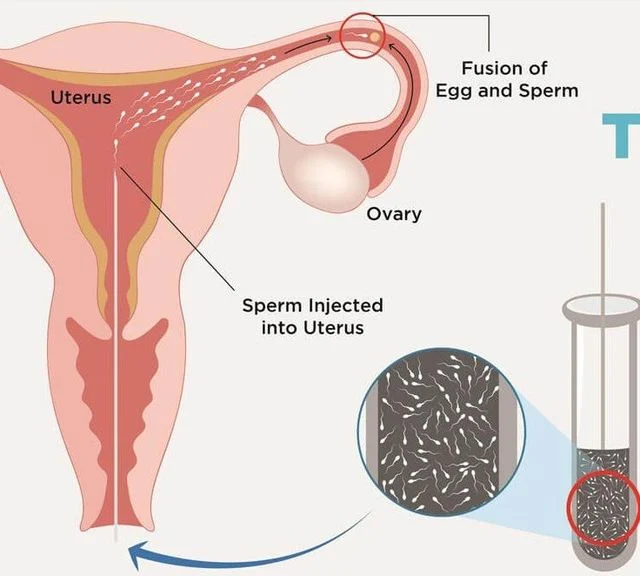
The Role of Counseling in Sperm Banks vs Known Donors
Counseling can also help individuals or couples address any concerns they may have about the anonymity of the donor and the potential impact on their child’s identity. It can also assist in managing expectations and preparing for any potential challenges that may arise in the future. Additionally, counseling can help individuals or couples process any grief or loss they may feel about not being able to conceive naturally.
Known Donors:
On the other hand, known donors are individuals who offer their sperm directly to individuals or couples in need. This option allows for more control over the selection process, as the donor can be chosen based on personal and medical history, physical characteristics, and even personal connection. However, this option comes with its own set of challenges.
Counseling in Known Donors:
Choosing to use a known donor can be a complex and emotional decision. Counseling plays a vital role in helping individuals or couples navigate through this process. It can help them establish boundaries and expectations with the donor, understand the legal implications, and address any concerns or fears they may have about the donor’s involvement in the child’s life.
Counseling can also help individuals or couples manage any potential conflicts that may arise with the donor in the future. It can also provide a safe and neutral space for all parties involved to communicate and work through any challenges that may arise during the conception process.
Conclusion:
In conclusion, the role of counseling in sperm banks and known donors cannot be overlooked. It not only provides essential support and guidance throughout the decision-making process but also helps individuals or couples prepare for any potential challenges that may arise in the future. Whether using a sperm bank or a known donor, counseling can play a crucial role in ensuring a smooth and emotionally healthy journey towards building a family.
Summary:
In this blog post, we discussed the role of counseling in sperm banks vs known donors. Sperm banks offer anonymity, but counseling is crucial in helping individuals or couples address concerns about the donor’s lack of information. Known donors offer more control, but counseling is necessary in managing boundaries and expectations. In both scenarios, counseling plays a vital role in supporting individuals or couples through the decision-making process and preparing for any potential challenges in the future.