Blog Post:
The decision to start a family is a major one, and for many couples, it may not be as straightforward as simply trying to conceive. For same-sex couples or those struggling with fertility issues, the option of donor insemination or partner insemination may be necessary. However, both of these options come with their own unique challenges and considerations, making the role of counseling crucial in helping couples make the best decision for their family.
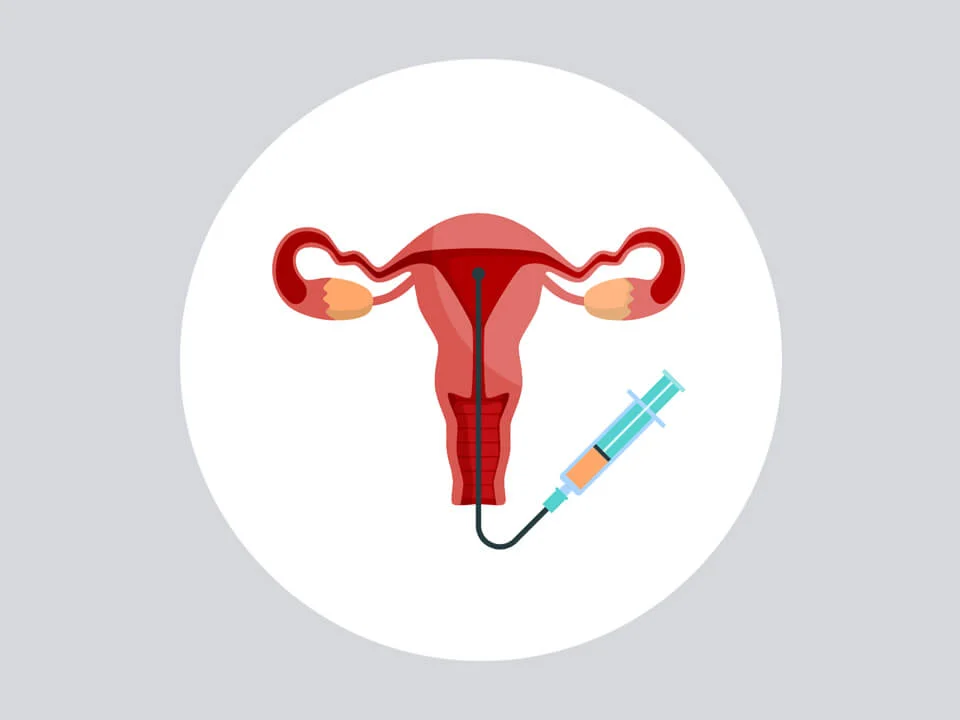
Donor insemination involves using sperm from a donor, either from a sperm bank or known donor, to fertilize the egg of the person trying to conceive. This option is often chosen by same-sex couples or individuals who do not have a male partner. On the other hand, partner insemination is when a couple uses the sperm of one partner to inseminate the other partner. This can be done through various methods such as artificial insemination or intrauterine insemination (IUI).
One of the main differences between donor insemination and partner insemination is the involvement of a third party. Donor insemination requires the selection of a donor, which can be a complex process. Couples may have to consider factors such as physical characteristics, genetic history, and personal characteristics of the donor. This can bring up a range of emotions and concerns for the couple, including worries about the child’s future relationship with the donor, and the potential for the donor to have a legal claim to the child.
In contrast, partner insemination involves only the two individuals in the couple, but this does not mean it is without its own set of challenges. The couple may face issues such as fertility struggles, timing of ovulation, and the physical and emotional demands of the insemination process. In some cases, one partner may have to undergo medical procedures or treatments to improve their chances of conception, which can be a difficult journey to navigate alone.
The Role of Counseling: Donor Insemination vs Partner Insemination
This is where the role of counseling becomes crucial in both donor and partner insemination. A counselor can help the couple explore their thoughts and feelings towards starting a family, as well as the specific challenges and concerns that come with each option. They can also help the couple communicate effectively and make decisions together, taking into account each person’s desires and concerns.
In the case of donor insemination, counseling can help the couple navigate the complexities of selecting a donor and discuss any potential issues that may arise in the future. It can also provide support for the non-biological parent who may feel left out of the process and unsure of their role in the child’s life.
For couples considering partner insemination, counseling can help them work through any fertility challenges, as well as the potential emotional strain of the insemination process. It can also provide a safe space for both partners to express their fears, hopes, and expectations for starting a family.
Another important aspect of counseling in this context is addressing the potential impact of these decisions on the couple’s relationship. Starting a family can put a strain on even the strongest of partnerships, and the added complexities of donor or partner insemination can make it even more challenging. A counselor can help the couple strengthen their communication and support each other through the ups and downs of the process.
It is also important to note that counseling can continue even after the decision has been made and the family has been formed. Raising a child conceived through donor or partner insemination can bring up a whole new set of challenges and questions for the couple. A counselor can provide ongoing support and guidance to help the family navigate their unique situation.
In summary, the role of counseling in the context of donor insemination and partner insemination is crucial. It can help couples make informed decisions about their family-building options, navigate the complexities and challenges of the process, and strengthen their relationship throughout the journey. With the support of a counselor, couples can feel more confident and prepared as they embark on the path to parenthood.