Blog Summary:
Infertility is a difficult and often emotional journey for many individuals and couples. As medical technology advances, there are now alternative options available for those struggling with infertility, such as adoption and surrogacy. In this blog post, we will delve into the world of adoption and surrogacy as infertility treatments, exploring the process, benefits, and challenges associated with each.
Adoption as an Infertility Treatment:
Adoption is the process of legally taking on the responsibility of raising a child who is not biologically related to the adoptive parents. While the idea of adoption may seem daunting, many individuals and couples have found it to be a fulfilling and rewarding way to build a family. There are two main types of adoption: domestic and international.
Domestic adoption involves adopting a child within one’s own country. This process typically involves working with an adoption agency, which helps match prospective parents with a child who is in need of a loving home. The process can take anywhere from several months to a few years, and may involve a waiting period, home study, and background checks.
International adoption, on the other hand, involves adopting a child from another country. This process can also take several months to a few years, and may involve additional legal and bureaucratic steps, as well as travel to the child’s country of origin. While international adoption can be a more complex and expensive process, it also allows individuals and couples to give a child from a different culture and background a loving home.
Benefits of Adoption as an Infertility Treatment:
One of the main benefits of adoption as an infertility treatment is the opportunity to give a child a loving family and home. Many individuals and couples who are unable to conceive a child of their own find joy and fulfillment in providing a home for a child in need. In addition, adoption can also provide a sense of fulfillment and purpose for those struggling with infertility, as they are able to build a family in a different way.
Another benefit of adoption is the opportunity to choose the age and background of the child. While some may prefer to adopt a newborn, others may choose to adopt an older child or a child with special needs. This allows for more flexibility and the ability to find the best fit for one’s family.
Challenges of Adoption as an Infertility Treatment:
One of the main challenges of adoption is the emotional rollercoaster that comes with the process. From the waiting period to the potential disappointments and setbacks, the journey to adoption can be emotionally draining. It is important for individuals and couples to have a strong support system and to be prepared for the challenges that may arise.
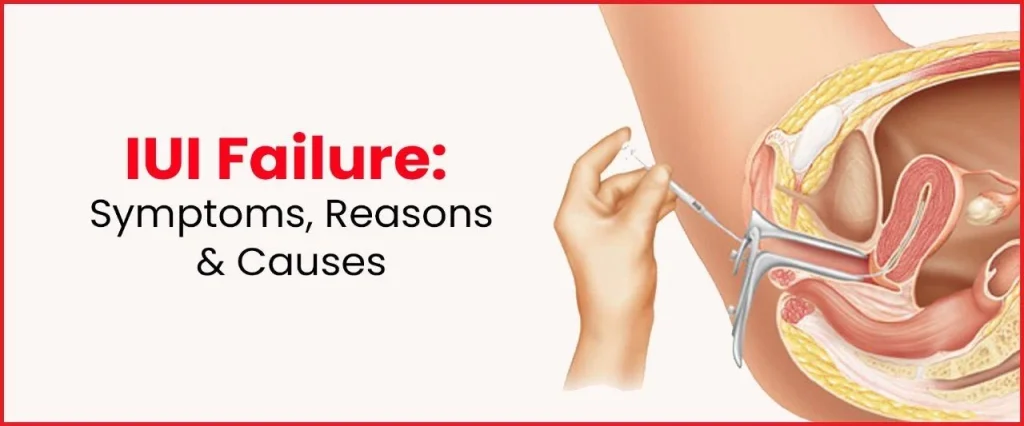
Beyond Biological Parenthood: Exploring Adoption and Surrogacy as Infertility Treatments
In addition, the cost of adoption can also be a challenge for some. While there are financial resources available, adoption can be an expensive process, with fees ranging from a few thousand dollars to tens of thousands of dollars. It is important for prospective adoptive parents to carefully consider their financial situation and to plan accordingly.
Surrogacy as an Infertility Treatment:
Surrogacy is the process of using a gestational carrier to carry and give birth to a child for an individual or couple. It is an option for those who are unable to carry a child themselves due to medical reasons or same-sex couples. There are two main types of surrogacy: traditional and gestational.
Traditional surrogacy involves using the surrogate’s own egg to conceive the child, making her the biological mother. This process is less common and can raise legal and emotional complexities.
Gestational surrogacy, on the other hand, involves using the eggs and sperm of the intended parents or donors to create an embryo, which is then transferred to the surrogate’s uterus. This process is more common and allows for a genetic connection between the child and the intended parents.
Benefits of Surrogacy as an Infertility Treatment:
One of the main benefits of surrogacy is the opportunity for individuals and couples to have a genetic connection to their child. This can be especially important for those who are unable to carry a child themselves. Surrogacy also allows for the intended parents to be involved in the pregnancy and childbirth process, from choosing the surrogate to being present at the birth.
Challenges of Surrogacy as an Infertility Treatment:
One of the main challenges of surrogacy is the cost. Surrogacy can be an expensive process, with fees for the surrogate, medical procedures, and legal expenses. In addition, there may be additional costs for travel, insurance, and other expenses. It is important for individuals and couples to carefully consider their financial situation and to plan accordingly.
Another challenge is the legal complexities involved in surrogacy. Laws and regulations regarding surrogacy vary from state to state and country to country, making it important for individuals and couples to fully understand the legal process and potential risks involved.
In Conclusion:
Infertility can be a difficult and emotional journey, but there are now alternative options available to help individuals and couples build a family. Adoption and surrogacy are two such options, each with their own benefits and challenges. It is important for those considering these treatments to carefully research and understand the process, and to have a strong support system in place. Ultimately, the most important thing is to find the best fit for one’s family and to create a loving and supportive environment for a child in need of a home.