Donor insemination and partner insemination are two common methods used by individuals and couples who are struggling with infertility to conceive a child. While both involve the use of donor sperm, there are significant differences between the two processes, not only in terms of the physical procedures but also in the emotional toll they can take on those involved. In this blog post, we will delve into the emotional impact of donor insemination versus partner insemination and explore the unique challenges and considerations that each option presents.
Donor Insemination: The Emotional Journey
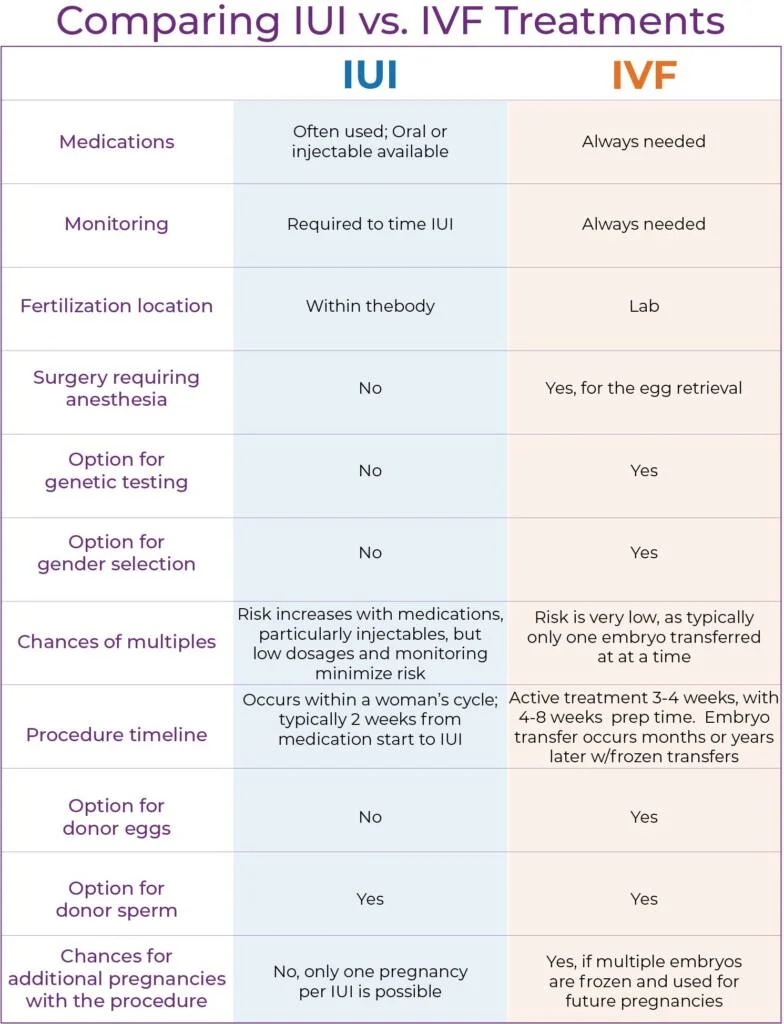
Donor insemination, also known as artificial insemination by donor (AID), is a procedure in which donor sperm is used to fertilize the egg of a woman looking to conceive. This can be done through intrauterine insemination (IUI), where the sperm is inserted into the uterus, or through in vitro fertilization (IVF), where the sperm is combined with the egg in a laboratory before being implanted into the woman’s uterus.
For individuals or couples using donor insemination, the process can bring about a range of emotions. The decision to use a donor can be a difficult one, as it can challenge one’s sense of identity and raise questions about the role of genetics in family building. For those struggling with infertility, it can also add to feelings of inadequacy and grief over not being able to conceive naturally.
Additionally, the process of choosing a sperm donor can be emotionally taxing. Some individuals or couples may feel overwhelmed by the vast amount of information available about donors, including physical characteristics, medical history, and personal essays. The idea of relying on a stranger’s genetic material to create a child can also bring about feelings of uncertainty and fear of the unknown.
Once a donor is chosen and the insemination process begins, the waiting period can be a rollercoaster of emotions. Each month, the individual or couple may experience a mix of hope, anxiety, and disappointment as they wait to see if the procedure was successful. This can take a toll on relationships, as the pressure to conceive can create tension and strain.
In the case of IVF, there may also be added emotional stress due to the high cost and physical demands of the procedure. Many individuals or couples may feel overwhelmed by the financial burden and the time-consuming process of injections, monitoring, and egg retrieval.
Partner Insemination: The Emotional Journey
Partner insemination, also known as artificial insemination by partner (AIP), is a procedure in which the sperm of one partner is used to fertilize the egg of the other partner. This can be done through IUI or IVF, similar to donor insemination. The main difference is that the sperm comes from a known partner rather than a donor.
The Emotional Toll: Donor Insemination vs Partner Insemination
For couples using partner insemination, the emotional journey may also be challenging. The decision to use one partner’s sperm over the other may raise questions about the role of genetics and the potential impact on the child’s identity. It can also bring about feelings of guilt or disappointment if one partner is unable to produce viable sperm.
The process of insemination may also be emotionally taxing for the partner undergoing the procedure. The pressure to produce enough sperm and the fear of not being able to contribute to the conception can create feelings of inadequacy and frustration. In some cases, there may also be added stress if the couple is using IVF and one partner is required to undergo the physical demands of egg retrieval.
One of the unique challenges of partner insemination is the potential impact on the relationship between the partners. The pressure to conceive can create tension and conflict, and the process of insemination may also feel clinical and unromantic. This can put a strain on the emotional and physical intimacy between partners, which is crucial for a healthy relationship.
The Impact on Children
Aside from the emotional impact on the individuals and couples going through donor or partner insemination, there is also the potential impact on any children conceived through these methods. For children conceived through donor insemination, there may be questions and concerns about their identity and their relationship with the donor. This is something that parents must navigate and address with their child as they grow up.
For children conceived through partner insemination, there may also be questions about their genetic makeup and their relationship with the non-biological parent. This can be a particularly sensitive issue for same-sex couples, as the non-biological parent may feel excluded or less connected to the child.
Conclusion
In conclusion, both donor insemination and partner insemination can be emotionally challenging processes for individuals and couples struggling with infertility. The decision to use either method involves a complex mix of feelings and considerations, and the waiting period can be emotionally taxing. Additionally, the impact on relationships and the potential impact on children must also be carefully considered.
Ultimately, the emotional toll of donor insemination and partner insemination will vary for each individual or couple. It is essential to seek support from loved ones and to consider counseling or therapy to navigate the emotional journey. With careful consideration and support, individuals and couples can make the best decision for their family building journey and find ways to cope with the emotional impact of these procedures.
SEO metadata: