Tag: age

  • Comparing Apples to Apples: Factors Affecting At-Home vs Clinical Insemination Success Rates

    Comparing Apples to Apples: Factors Affecting At-Home vs Clinical Insemination Success Rates

    When it comes to trying to conceive, there are various methods available for individuals or couples who are struggling to get pregnant. Two common options are at-home insemination and clinical insemination. While both methods involve the process of fertilization, there are significant differences in success rates and factors that can affect them. In this blog post, we will delve into the details of comparing apples to apples when it comes to the success rates of at-home vs clinical insemination, and the factors that can play a role in determining those rates.

    At-Home Insemination Success Rates

    At-home insemination refers to the process of individuals or couples performing insemination on their own at home, without the assistance of a medical professional. This method is usually chosen by people who are looking for a more affordable and private option for trying to conceive. However, the success rates of at-home insemination can vary significantly depending on several factors.

    One of the most crucial factors that can affect the success rate of at-home insemination is the timing of the procedure. In order for at-home insemination to be successful, it needs to be done during the woman’s ovulation period. This means that the sperm must be inseminated within 24 hours of ovulation. If the timing is off, the chances of fertilization decrease significantly, resulting in a lower success rate.

    Another factor that can affect the success rates of at-home insemination is the quality of the sperm used. In order to increase the chances of fertilization, the sperm must be of high quality and have good motility. This means that the sperm should be able to swim and reach the egg for fertilization. If the sperm used is of poor quality, the chances of success are significantly reduced.

    Other factors that can affect the success rates of at-home insemination include the woman’s age, overall health, and any underlying fertility issues. As a woman gets older, her fertility decreases, making it more challenging to conceive even with at-home insemination. Any underlying fertility issues such as endometriosis or polycystic ovary syndrome (PCOS) can also impact the success rates of at-home insemination. Therefore, it is crucial for individuals or couples to consider these factors before opting for at-home insemination.

    Clinical Insemination Success Rates

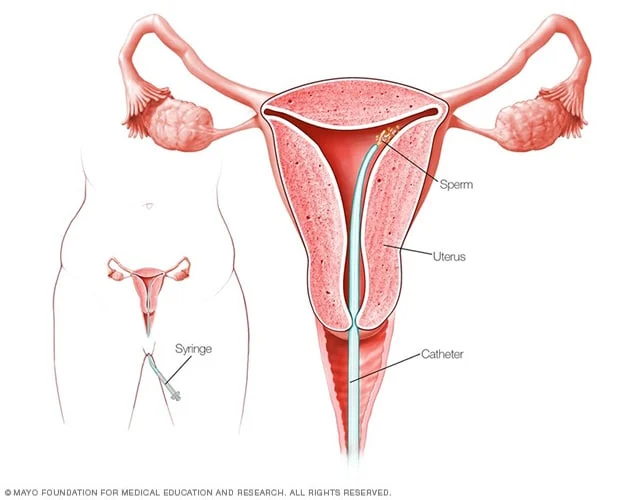
    Clinical insemination, also known as intrauterine insemination (IUI), is a fertility treatment that involves placing sperm directly into the woman’s uterus through a catheter. This method is usually performed by a medical professional in a clinical setting and is often recommended for couples who have been trying to conceive for a while without success. The success rates of clinical insemination are generally higher than at-home insemination, but they also depend on various factors.
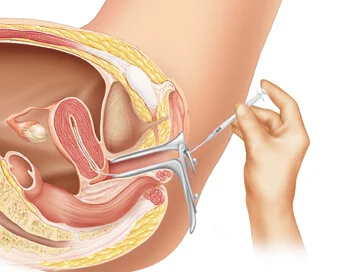
    illustration of intrauterine insemination procedure with a hand holding a speculum and syringe near the uterus

    Comparing Apples to Apples: Factors Affecting At-Home vs Clinical Insemination Success Rates

    One of the significant factors that can affect the success rates of clinical insemination is the cause of infertility. If the infertility is due to male factor issues such as low sperm count or poor sperm motility, the chances of success with clinical insemination are higher. However, if the cause of infertility is due to female factor issues such as blocked fallopian tubes or endometriosis, the success rates may be lower.

    The age of the woman is also a crucial factor in determining the success rates of clinical insemination. As a woman gets older, her egg quality decreases, making it more challenging to conceive even with clinical insemination. Additionally, the number of cycles of clinical insemination can also affect the success rates. The more cycles performed, the higher the chances of success.

    Another factor that can impact the success rates of clinical insemination is the sperm used. Donor sperm is often used in cases of male factor infertility, and the quality of the sperm can greatly affect the success rates. This is why it is essential to choose a reputable sperm bank that provides high-quality sperm for clinical insemination.

    Comparing Apples to Apples

    When comparing the success rates of at-home insemination and clinical insemination, it is vital to consider the factors that can affect those rates. While clinical insemination generally has higher success rates compared to at-home insemination, it is not always the most suitable option for everyone. Factors such as cost, privacy, and personal preferences may play a role in an individual or couple’s decision to choose at-home insemination over clinical insemination.

    Moreover, it is crucial to note that success rates are not the only factor to consider when choosing between at-home and clinical insemination. The emotional and physical toll of fertility treatments should also be taken into account. At-home insemination may be a less invasive and more comfortable option for some, while others may prefer the guidance and expertise of a medical professional in a clinical setting.

    In conclusion, comparing at-home and clinical insemination success rates is not as straightforward as comparing apples to apples. There are various factors that can affect the success rates of both methods, and it is essential to consider these factors carefully before making a decision. Consulting with a fertility specialist can also provide valuable insights and guidance in choosing the most suitable option for each individual or couple.

    Summary:

    At-home insemination and clinical insemination are two common methods for trying to conceive. At-home insemination is done at home without the assistance of a medical professional, while clinical insemination is performed in a clinical setting by a medical professional. The success rates of both methods depend on various factors, including timing, sperm quality, age, and underlying fertility issues. While clinical insemination generally has higher success rates, at-home insemination may be a more affordable and private option. Ultimately, the decision between the two methods should be based on individual preferences and needs.
  • The Role of Age: How Fertility Tests Differ for Men and Women

    The Role of Age: How Fertility Tests Differ for Men and Women

    When it comes to fertility, age plays a crucial role for both men and women. As we age, our reproductive capabilities decline, making it more difficult to conceive and have a healthy pregnancy. However, the impact of age on fertility differs between men and women. In this blog post, we will explore the role of age in fertility and how fertility tests differ for men and women.

    The Age Factor for Women

    For women, age is the most significant factor in fertility. As a woman ages, her egg supply decreases, and the quality of her eggs also declines. This means that the chances of successful conception and a healthy pregnancy decrease as well. A woman’s peak fertility years are in her 20s, and by the time she reaches her late 30s, her fertility starts to decline rapidly.

    One of the main reasons for this decline in fertility is the process of ovulation. As women age, they become more prone to hormonal imbalances that can affect ovulation. This can lead to irregular periods, making it more challenging to track ovulation and time intercourse correctly. Additionally, the risk of genetic abnormalities in eggs also increases with age, making it more difficult to conceive and increasing the chances of pregnancy complications.

    Fertility Tests for Women

    Due to the significant impact of age on fertility for women, it is essential for them to undergo fertility testing if they are struggling to conceive. There are various fertility tests available for women, and the type of test recommended will depend on the individual’s circumstances. Some common fertility tests for women include:

    1. Ovarian Reserve Testing

    This test measures the quantity and quality of a woman’s eggs. It involves blood tests to check hormone levels and an ultrasound to count the number of follicles in the ovaries. A lower ovarian reserve indicates a decrease in fertility potential.

    2. Hormone Level Testing

    Hormone level testing involves blood tests to check for levels of hormones such as estrogen, progesterone, and follicle-stimulating hormone (FSH). These hormones play a crucial role in ovulation and can help identify any hormonal imbalances that may be affecting fertility.

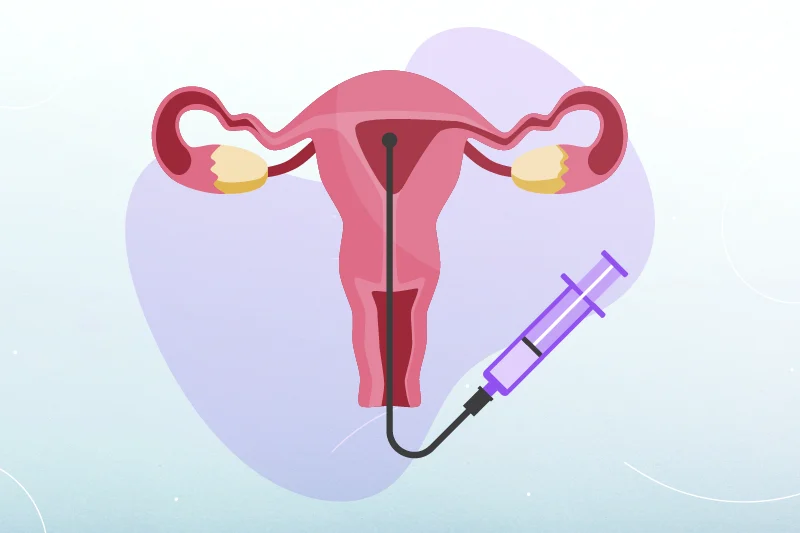
    Illustration of the uterus with a syringe, depicting the intrauterine insemination procedure.

    The Role of Age: How Fertility Tests Differ for Men and Women

    3. Hysterosalpingography (HSG)

    An HSG is a procedure that uses X-rays and a dye to examine the uterus and fallopian tubes. It can detect any blockages or abnormalities that may be preventing pregnancy.

    4. Ovulation Testing

    Ovulation testing involves tracking a woman’s basal body temperature, changes in cervical mucus, and using ovulation predictor kits. These methods can help determine when a woman is ovulating, making it easier to time intercourse.

    The Age Factor for Men

    While age does play a role in male fertility, it is not as significant as it is for women. Men produce sperm continuously throughout their lives, and the quality of their sperm does not decline as drastically as a woman’s egg quality does with age. However, studies have shown that as men age, their sperm count and motility (ability to move) may decrease, making it more challenging to conceive.

    Fertility Tests for Men

    Fertility testing for men focuses primarily on semen analysis, which involves examining a sample of semen for sperm count, motility, and shape. This test can help identify any abnormalities in sperm that may be affecting fertility. Other tests that may be recommended for men include hormone level testing and genetic testing to check for any inherited conditions that may affect fertility.

    The Impact of Age on IVF Success

    In vitro fertilization (IVF) is a common fertility treatment option for both men and women. However, the success rates of IVF can also be affected by age. For women, the chances of a successful pregnancy through IVF decrease significantly after the age of 35. This is because the quality and quantity of eggs decrease with age, making it more challenging to retrieve healthy eggs for the IVF process. For men, studies have shown that IVF success rates may also decline after the age of 40, as sperm quality may decrease with age.

    In summary, age plays a crucial role in fertility for both men and women. Women are more affected by age, as their fertility declines more rapidly with age compared to men. Women are also recommended to undergo various fertility tests to determine any potential issues that may be affecting their fertility. Men, on the other hand, primarily undergo semen analysis to check for any abnormalities in sperm. Regardless of age, it is essential for both men and women to undergo fertility testing if they are struggling to conceive, as early detection and treatment can greatly increase the chances of a successful pregnancy.

  • Beyond the Basics: Lesser-Known Facts About Fertility Testing for Men and Women

    Blog Post Title: Beyond the Basics: Lesser-Known Facts About Fertility Testing for Men and Women

    Summary:

    Fertility testing is an essential step for couples who are trying to conceive. While most people are familiar with the basics of fertility testing, there are some lesser-known facts that are worth exploring. In this blog post, we will discuss some important aspects of fertility testing for both men and women, including the different types of tests available, the importance of timing, and the impact of lifestyle factors on fertility. By understanding these lesser-known facts, couples can be better informed about their fertility and make more informed decisions.

    Types of Fertility Testing:

    When it comes to fertility testing, most people are familiar with the basic tests such as blood tests, semen analysis, and ultrasound. However, there are other types of tests that are less commonly known but can provide valuable information about fertility. These include genetic testing, hysterosalpingography, and laparoscopy. Genetic testing can identify any genetic disorders or chromosomal abnormalities that may affect fertility. Hysterosalpingography is a test that uses X-rays to evaluate the structure of the uterus and fallopian tubes, while laparoscopy is a surgical procedure that allows doctors to examine the reproductive organs for any potential issues.

    Timing is Key:

    Timing is crucial when it comes to fertility testing. For women, the most accurate time to test for fertility is during the first half of the menstrual cycle, around day three to five. This is when hormone levels are at their baseline, providing the most accurate results. For men, semen analysis should be done after a period of abstinence of two to five days to get the most accurate results. Additionally, timing is also essential for genetic testing, as some conditions may only be detectable during certain stages of pregnancy or before conception.

    Impact of Lifestyle Factors:

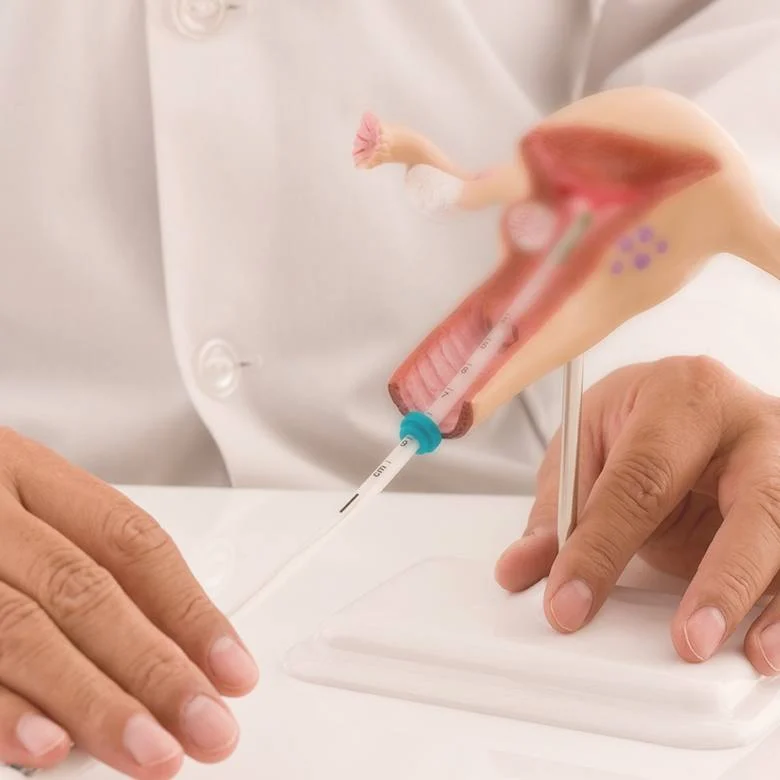
    model of the female reproductive system with a hand demonstrating intrauterine insemination technique

    Beyond the Basics: Lesser-Known Facts About Fertility Testing for Men and Women

    While genetics and underlying health conditions can play a significant role in fertility, lifestyle factors can also have a significant impact. For women, factors such as smoking, excessive alcohol consumption, and being under or overweight can affect fertility. For men, lifestyle factors such as smoking, excessive alcohol consumption, and exposure to environmental toxins can also affect fertility. It is essential for both partners to maintain a healthy lifestyle to improve their chances of conceiving.

    The Role of Age:

    One of the most critical factors in fertility is age, with both men and women experiencing a decline in fertility as they get older. Women are born with a finite number of eggs, and as they age, the quality and quantity of these eggs decrease, making it more challenging to conceive. For men, sperm quality also declines with age, making it more difficult to fertilize an egg. It is crucial for couples to be aware of the impact of age on fertility and plan accordingly.

    The Emotional Aspect of Fertility Testing:

    Fertility testing can be a stressful and emotional experience for couples. It can bring up feelings of disappointment, frustration, and anxiety. It is essential for couples to communicate openly and support each other throughout the process. Seeking professional counseling or joining a support group can also help couples navigate the emotional aspect of fertility testing.

    The Cost of Fertility Testing:

    Fertility testing can be costly, and it is essential for couples to understand the financial implications. While some basic tests may be covered by insurance, others may not be, and the cost can add up quickly. It is crucial for couples to research and understand their insurance coverage, as well as explore other options such as fertility clinics that offer payment plans or discounts.

    In conclusion, fertility testing is a crucial step for couples who are trying to conceive. It is essential to understand the different types of tests available, the importance of timing, and the impact of lifestyle factors on fertility. Age and the emotional aspect of fertility testing should also be considered, as well as the financial implications. By being informed about these lesser-known facts, couples can navigate the process of fertility testing with more knowledge and confidence.

  • The Role of Age in Choosing a Fertility Treatment: IUI vs DI

    As more and more couples are struggling with infertility, the demand for fertility treatments continues to rise. These treatments not only offer hope for those who want to start a family, but they also provide options for same-sex couples and single individuals who want to become parents. However, when it comes to choosing a fertility treatment, age plays a significant role in determining the most suitable option. In this blog post, we will explore the role of age in choosing a fertility treatment, specifically comparing two commonly used methods: Intrauterine Insemination (IUI) and Donor Insemination (DI).

    Age and fertility are closely intertwined, with a woman’s fertility declining as she ages. According to the American Society for Reproductive Medicine, a woman’s fertility starts to decline in her early 30s and significantly decreases after the age of 35. This decline is due to a decrease in the quantity and quality of eggs, making it more challenging to conceive naturally. As a result, many women in their late 30s and 40s turn to fertility treatments to increase their chances of getting pregnant.

    When it comes to IUI and DI, both methods involve the use of assisted reproduction techniques but differ in the source of sperm used. IUI involves placing washed and concentrated sperm directly into the uterus, while DI uses donor sperm to fertilize the egg. Let’s take a closer look at how age affects the success rates of these two methods.

    Intrauterine Insemination (IUI)

    IUI is a popular fertility treatment that is often the first choice for couples who are struggling to conceive. This method is commonly used when there are issues with sperm quality, low sperm count, or unexplained infertility. IUI is also a less invasive and less expensive option compared to other fertility treatments.

    One of the main factors that affect the success of IUI is the age of the woman. As a woman’s age increases, the quality and quantity of her eggs decrease, making it more challenging to conceive through IUI. The success rate of IUI in women under 35 is around 10-20%, but this rate drops to 5-10% in women over 40. This is because the quality of eggs in older women is lower, and there is a higher chance of chromosomal abnormalities, which can lead to miscarriage or birth defects.

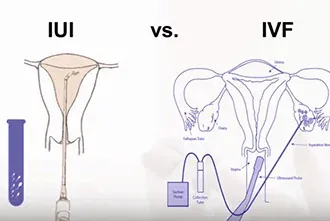
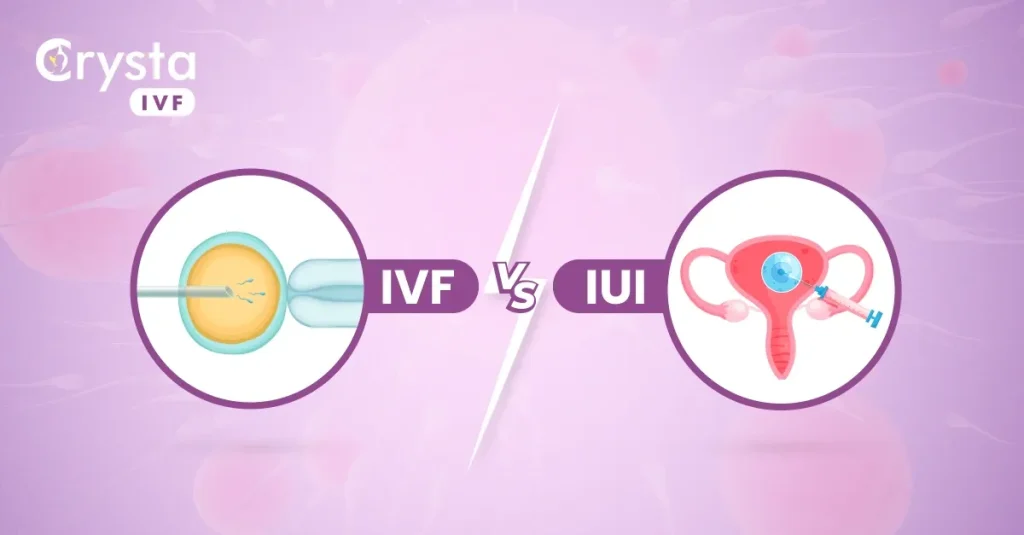
    Comparison of IUI and IVF treatments with diagrams of reproductive anatomy.

    The Role of Age in Choosing a Fertility Treatment: IUI vs DI

    Another factor to consider is the age of the male partner. While IUI can help overcome male infertility issues such as low sperm count, the age of the male partner can also affect the success rate. As men age, their sperm quality and quantity also decline, which can impact the fertilization and overall success of IUI.

    Donor Insemination (DI)

    Donor Insemination, also known as donor sperm, is another commonly used fertility treatment, especially for single women and same-sex couples. This method involves using donor sperm from a sperm bank or known donor to fertilize the woman’s egg. The success rate of DI is higher compared to IUI, with a 20-30% success rate in women under 35.

    Age also plays a significant role in the success of DI, but in a slightly different way. Unlike IUI, where the age of the woman is the main factor, the age of the sperm donor is crucial in DI. Sperm donors are typically young and healthy individuals, and the quality of their sperm is not affected by age. However, the age of the sperm donor can still indirectly affect the success of DI. As women age, the quality of their uterine lining and cervical mucus decreases, making it more difficult for the sperm to reach and fertilize the egg. Therefore, using a younger sperm donor can increase the chances of success in DI.

    Apart from the age of the sperm donor, the age of the woman can also affect the success of DI. As women age, their reproductive system becomes less receptive to pregnancy, and they are more likely to experience complications such as miscarriage. This can also impact the success of DI, making it crucial to consider the age of the woman when choosing this method.

    In conclusion, age plays a significant role in choosing a fertility treatment, and it is essential to consider it carefully when deciding between IUI and DI. While IUI may be a more suitable option for younger women, DI may offer better success rates for women in their late 30s and 40s. Ultimately, it is crucial to consult with a fertility specialist to determine the best treatment option based on age, overall health, and individual circumstances.

    In summary, age and fertility treatment are closely connected, with a woman’s age being a critical factor in the success of both IUI and DI. While IUI may be more suitable for younger women, DI may offer better success rates for women in their late 30s and 40s. It is essential to consult with a fertility specialist to determine the best treatment option based on age, overall health, and individual circumstances.

  • Intrauterine Insemination vs Donor Insemination: A Look at the Success Rates

    Intrauterine insemination (IUI) and donor insemination (DI) are two commonly used fertility treatments for couples struggling with infertility. Both procedures involve inserting sperm into the uterus, but there are some key differences between the two. One of the main differences is the source of the sperm – in IUI, the sperm comes from the male partner, while in DI, it comes from a donor. So, which one has higher success rates? In this blog post, we will take a closer look at the success rates of IUI and DI and see which one may be a better option for couples trying to conceive.

    IUI Success Rates:

    IUI is a relatively simple procedure that involves inserting washed and concentrated sperm into the uterus around the time of ovulation. This procedure is often used for couples with unexplained infertility, mild male factor infertility, or in cases where the female partner has difficulty with cervical mucus. The success rates of IUI vary depending on factors such as age, cause of infertility, and the number of cycles attempted.

    According to the American Society for Reproductive Medicine (ASRM), the success rate for IUI ranges from 8% to 17% per cycle for couples where the female partner is under the age of 35. For couples where the female partner is between the ages of 35 and 40, the success rate drops to 6% to 10% per cycle. The success rates are even lower for couples where the female partner is over the age of 40, at around 2% to 5% per cycle.

    Other factors that can affect the success rates of IUI include the cause of infertility and the number of cycles attempted. For example, couples with unexplained infertility may have higher success rates compared to those with male factor infertility. Additionally, the more cycles a couple attempts, the higher the chances of success.

    Donor Insemination Success Rates:

    DI involves using sperm from a donor to fertilize the female partner’s eggs. This procedure is commonly used for same-sex couples, single women, or couples where the male partner has severe male factor infertility. The success rates of DI are largely dependent on the quality of the sperm used and the age of the female partner.

    According to the ASRM, the success rate for DI ranges from 5% to 20% per cycle. This may seem lower than the success rates of IUI, but it is important to note that DI is often used in more challenging cases of infertility. Additionally, the success rates of DI can be significantly higher if the donor sperm is of good quality and the female partner is under the age of 35.

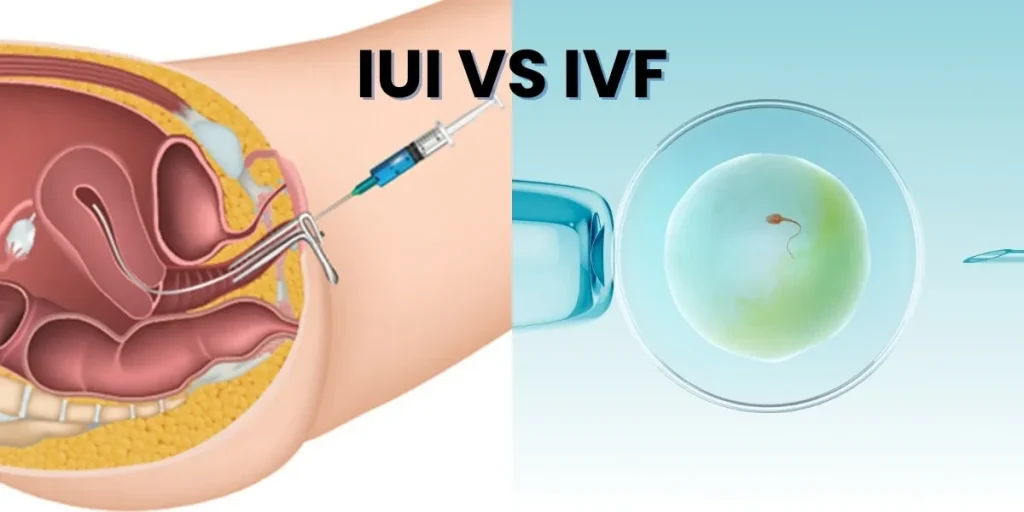
    comparison of IUI and IVF fertility treatments with illustrations of procedures and a petri dish with an egg and sperm

    Intrauterine Insemination vs Donor Insemination: A Look at the Success Rates

    Factors That Affect Success Rates:

    As mentioned earlier, there are several factors that can affect the success rates of IUI and DI. These factors include age, cause of infertility, sperm quality, and the number of cycles attempted. Age is a crucial factor as fertility declines as a woman gets older. This is why the success rates of both IUI and DI are significantly lower for women over the age of 40.

    The cause of infertility is also an important factor to consider. If the cause is due to male factor infertility, the success rates of both IUI and DI may be lower. In such cases, using donor sperm may be a better option as it eliminates the potential issue with sperm quality.

    Sperm quality is another crucial factor that can greatly impact the success rates of both IUI and DI. Using sperm from a donor can increase the chances of success as the sperm is often younger and healthier compared to sperm from the male partner. However, if the male partner has good sperm quality, IUI may be a better option as it allows for the use of his sperm.

    Lastly, the number of cycles attempted also plays a role in the success rates of both procedures. The more cycles a couple attempts, the higher the chances of success. This is why it is important for couples to discuss with their doctor the number of cycles they are willing to attempt and make a decision based on their individual circumstances.

    In conclusion, both IUI and DI are viable options for couples struggling with infertility. The success rates of both procedures vary depending on factors such as age, cause of infertility, sperm quality, and the number of cycles attempted. It is important for couples to discuss these factors with their doctor and make an informed decision about which procedure may be the best for them.

    Summary:

    Intrauterine insemination (IUI) and donor insemination (DI) are two fertility treatments that involve inserting sperm into the uterus. While IUI uses sperm from the male partner, DI uses sperm from a donor. The success rates of both procedures vary depending on factors such as age, cause of infertility, sperm quality, and the number of cycles attempted. Generally, the success rates of IUI are higher, but DI may be a better option for couples with more challenging cases of infertility. It is important for couples to discuss these factors with their doctor and make an informed decision about which procedure may be the best for them.

  • The Impact of Age: IUI vs DI

    The Impact of Age: IUI vs DI

    As more and more people are choosing to start families later in life, the options for assisted reproduction have become increasingly important. Two common methods for individuals or couples struggling with fertility are intrauterine insemination (IUI) and donor insemination (DI). Both procedures involve the introduction of sperm into the reproductive system, but the source of the sperm differs greatly. In this blog post, we will explore the impact of age on the success rates and considerations for both IUI and DI.

    IUI, also known as artificial insemination, involves placing washed and concentrated sperm directly into the uterus during ovulation. This procedure is typically used for couples with mild fertility issues or for individuals using donor sperm. The process is relatively simple and can be done with or without the use of fertility drugs to stimulate ovulation.

    The success rates for IUI are heavily impacted by age, both for the woman and the man providing the sperm. For women under 35, the success rate of IUI can be as high as 20-25%, but this rate decreases significantly for women over the age of 35. For women over 40, the success rate drops to around 5%. This is due to the decline in fertility that naturally occurs as women age, as well as the potential for underlying fertility issues that may be present.

    On the other hand, the age of the sperm donor does not have as significant of an impact on the success of IUI. Sperm quality and quantity can still be affected by age, but it is not as drastic as the decline in fertility seen in women. However, it is important for men to have their sperm checked for any potential issues before undergoing IUI, regardless of age.

    Another factor to consider with IUI is the number of cycles that may be needed for success. As age decreases the chances of success, it may take multiple cycles to achieve a pregnancy, which can be costly and emotionally taxing for couples. This is especially true for women over 35, as the quality of their eggs decreases with age, making it more difficult to achieve a successful pregnancy.

    On the other hand, donor insemination offers a different set of considerations when it comes to age. DI involves using sperm from a donor, either from a sperm bank or from a known donor. This method is often used for same-sex female couples or for individuals with severe male factor infertility.

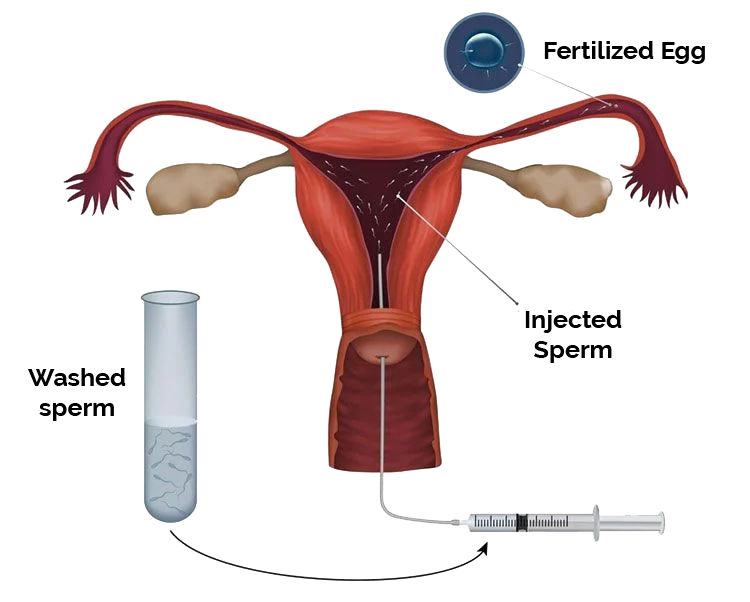
    diagram of the female reproductive system with an IUI syringe and test tube for artificial insemination

    The Impact of Age: IUI vs DI

    Unlike IUI, age does not have a direct impact on the success rates of DI. This is because the quality and quantity of the sperm are not affected by the age of the donor. However, there are other factors to consider when choosing a donor, such as health history, genetic testing, and physical characteristics. These factors can still play a role in the success of DI, but they are not directly linked to age.

    One potential concern with DI is the increased risk of genetic disorders or birth defects. This is because donors are typically younger, and therefore may not have undergone the same genetic testing or health screenings as older donors. However, reputable sperm banks will have strict screening processes in place to minimize this risk.

    Another consideration with DI is the emotional aspect of using a donor. For some couples, the idea of using a donor can be challenging and may require additional counseling or support. This can be especially true for individuals or couples who have always dreamed of having a biological child.

    It is also worth noting that DI can be a more expensive option compared to IUI. This is due to the cost of purchasing donor sperm and any additional fees associated with the process. However, for couples who have exhausted other options and are looking to have a biological child, the cost may be worth it.

    Ultimately, both IUI and DI have their own set of pros and cons when it comes to age and success rates. IUI may have higher success rates for younger women, but it may require multiple cycles to achieve a pregnancy. DI may not be impacted by age, but it can come with additional emotional and financial considerations.

    It is important for individuals or couples to discuss their options with a fertility specialist to determine the best course of action for their specific situation. Age is just one factor to consider, and other factors such as overall health and fertility history should also be taken into account.

    In conclusion, age plays a significant role in the success rates and considerations for both IUI and DI. As fertility declines with age, it is important for individuals or couples to carefully weigh their options and seek guidance from a medical professional to determine the best path towards starting a family.

  • Fertility Nutrition and Age: How Diet Can Support Conception at Any Age

    Blog Post: Fertility Nutrition and Age: How Diet Can Support Conception at Any Age

    When it comes to fertility and age, many women are often told that their chances of conceiving diminish as they get older. While age can certainly play a role in fertility, it is not the only factor. In fact, recent studies have shown that nutrition and diet can have a significant impact on a woman’s fertility, regardless of age. In this blog post, we will explore the connection between fertility, nutrition, and age, and how making simple changes to your diet can support conception at any age.

    The Impact of Age on Fertility

    It is a well-known fact that a woman’s fertility declines as she gets older. This is due to a decrease in the number and quality of eggs in the ovaries. As a woman ages, her ovaries become less responsive to hormones, making it more difficult for her to ovulate and conceive. This decline in fertility usually begins in a woman’s late 30s and early 40s, with a sharp drop in fertility after the age of 35.

    However, it is important to note that age is not the only factor that affects fertility. Other factors such as lifestyle, genetics, and overall health also play a crucial role. This is where nutrition comes into the picture.

    The Role of Nutrition in Fertility

    Nutrition is a key factor in maintaining overall health, and it also plays a significant role in fertility. A well-balanced and nutrient-rich diet can help regulate hormones, improve egg quality, and increase the chances of conception. On the other hand, an unhealthy diet high in processed foods, sugar, and unhealthy fats can have a negative impact on fertility.

    One study found that women who followed a Mediterranean-style diet, which is rich in fruits, vegetables, whole grains, and healthy fats, had a higher chance of conceiving through in-vitro fertilization (IVF) compared to those who followed a Western-style diet. This is because the Mediterranean diet is rich in antioxidants, which can help reduce oxidative stress and improve egg quality.

    Another study showed that women who consumed more plant-based proteins, such as beans and lentils, had a lower risk of ovulatory infertility compared to those who consumed more animal-based proteins. This is because plant-based proteins are rich in fiber, vitamins, and minerals, which can help regulate hormones and improve overall reproductive health.

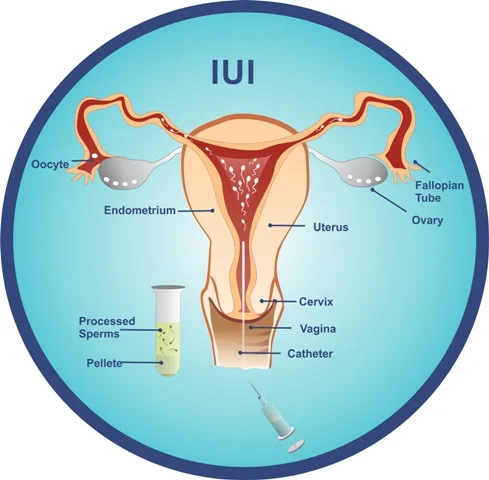
    diagram illustrating intrauterine insemination (IUI) with labeled reproductive anatomy and procedures

    Fertility Nutrition and Age: How Diet Can Support Conception at Any Age

    Fertility Nutrition at Different Ages

    While nutrition is important for fertility at any age, there are certain nutrients and foods that are particularly beneficial for women in different age groups.

    In Your 20s

    Women in their 20s have the highest fertility potential, but it is still important to maintain a healthy diet to support optimal fertility. During this stage, it is important to focus on getting enough folic acid, iron, and omega-3 fatty acids. Folic acid is essential for fetal development and can help prevent birth defects. Iron is important for healthy ovulation, and omega-3 fatty acids can improve egg quality and regulate hormones.

    In Your 30s

    As women enter their 30s, their fertility starts to decline. It is important to continue focusing on a nutrient-rich diet, but with a few adjustments. In addition to folic acid, iron, and omega-3s, women in their 30s should also make sure to get enough vitamin D and calcium. Vitamin D is important for both egg quality and implantation, while calcium is necessary for healthy bones and can also improve ovulation.

    In Your 40s

    By the time women reach their 40s, their fertility has significantly declined. However, that doesn’t mean that nutrition is no longer important. In fact, it becomes even more crucial at this stage. Women in their 40s should focus on getting enough antioxidants, such as vitamin C and E, to help reduce oxidative stress and improve egg quality. They should also make sure to get enough protein to support healthy ovulation and embryo development.

    In summary, while age can certainly play a role in fertility, it is not the only factor. Nutrition and diet also have a significant impact on a woman’s fertility, regardless of age. A well-balanced and nutrient-rich diet can help regulate hormones, improve egg quality, and increase the chances of conception. By making simple changes to your diet and focusing on key nutrients at different stages of life, you can support your fertility at any age.

    SEO Metadata:

  • Intrauterine Insemination vs Low-Tech IVF: A Comparison of Success Rates by Age

    Intrauterine Insemination vs Low-Tech IVF: A Comparison of Success Rates by Age

    When it comes to fertility treatments, there are various options available for couples struggling to conceive. Two common methods that are often recommended are Intrauterine Insemination (IUI) and Low-Tech In Vitro Fertilization (IVF). While both procedures involve placing sperm directly into the uterus, they differ in terms of complexity, cost, and success rates. In this blog post, we will compare the success rates of IUI and Low-Tech IVF based on age, to help couples make an informed decision about which treatment may be best for them.

    Age and Fertility

    Before diving into the details of IUI and Low-Tech IVF, it’s important to understand how age can impact fertility. As women age, their ovarian reserve (number of eggs) decreases, and the quality of their eggs also declines. This makes it more challenging to conceive naturally and increases the need for fertility treatments. According to the American Society for Reproductive Medicine, a woman’s fertility starts to decrease significantly after the age of 35, and by the age of 40, it can be very difficult to conceive with her own eggs.

    Intrauterine Insemination (IUI)

    Intrauterine Insemination, also known as artificial insemination, involves placing washed and concentrated sperm directly into the uterus during the woman’s ovulation period. It is a simple and relatively less invasive procedure compared to other fertility treatments. IUI is often recommended for couples with unexplained infertility, mild endometriosis, or issues with ovulation.

    Success Rates by Age

    The success rates for IUI vary based on age. According to a study published in the Journal of Human Reproductive Sciences, the success rates for IUI are as follows:

    – 10-15% for women under 35
    – 9% for women aged 35-37
    – 5% for women aged 38-39
    – 2% for women aged 40 and above

    It is important to note that these success rates may also be affected by other factors such as the cause of infertility, sperm quality, and the number of cycles undergone.

    Low-Tech IVF

    diagram illustrating intrauterine insemination (IUI) procedure with uterus, sperm, and catheter labeled

    Intrauterine Insemination vs Low-Tech IVF: A Comparison of Success Rates by Age

    Low-Tech IVF, also known as Natural Cycle IVF or Mini IVF, is a simplified version of traditional IVF. It involves stimulating the ovaries to produce one or two high-quality eggs, instead of the usual 10-15 eggs in a conventional IVF cycle. The fertilization and embryo transfer process is the same as traditional IVF.

    Success Rates by Age

    The success rates for Low-Tech IVF are also age-dependent. According to a study published in the European Journal of Obstetrics & Gynecology and Reproductive Biology, the success rates for Low-Tech IVF are as follows:

    – 17% for women under 35
    – 15% for women aged 35-37
    – 12% for women aged 38-39
    – 8% for women aged 40 and above

    These success rates are slightly higher than those of IUI, but it’s important to note that Low-Tech IVF is a more invasive and expensive procedure.

    Which Treatment is Best for You?

    Choosing between IUI and Low-Tech IVF can be challenging, especially when considering the success rates by age. Here are some factors to consider when deciding which treatment may be best for you:

    1. Age: If you are under 35, IUI may be a good option for you as it has higher success rates in this age group. However, if you are over 35 and have been trying to conceive for over a year, Low-Tech IVF may be a better choice.

    2. Cause of Infertility: If you have unexplained infertility or issues with ovulation, IUI may be a suitable option. However, if you have more complex fertility issues such as blocked fallopian tubes or endometriosis, Low-Tech IVF may be more effective.

    3. Cost: IUI is a more cost-effective option compared to Low-Tech IVF. However, if you have been unsuccessful with IUI and decide to pursue Low-Tech IVF, the overall cost may end up being higher in the long run.

    4. Personal Preferences: Some couples may prefer the simplicity and less invasive nature of IUI, while others may prefer the higher success rates of Low-Tech IVF.

    In conclusion, both IUI and Low-Tech IVF are viable options for couples struggling with infertility. The choice between the two should be based on factors such as age, cause of infertility, and personal preferences. It’s important to consult with a fertility specialist to determine which treatment may be best for you.

  • Intrauterine Insemination vs Low-Tech IVF: A Patient’s Perspective

    Blog Post Title: Intrauterine Insemination vs Low-Tech IVF: A Patient’s Perspective

    In the world of fertility treatments, there are various options available for couples struggling to conceive. Two common choices are intrauterine insemination (IUI) and low-tech in vitro fertilization (IVF). As someone who has gone through both procedures, I understand the confusion and frustration that comes with trying to decide which one is right for you. In this blog post, I will share my personal experience and insights to help you understand the differences between IUI and low-tech IVF from a patient’s perspective.

    What is Intrauterine Insemination (IUI)?

    Intrauterine insemination, also known as artificial insemination, is a simple procedure that involves placing sperm directly into the uterus during the woman’s ovulation cycle. The sperm can either be from a partner or a donor and is specially prepared to increase the chances of fertilization. IUI is a popular choice for couples with unexplained infertility or mild male factor infertility.

    My Experience with IUI:

    When my husband and I decided to start trying for a baby, we were hopeful that it would happen naturally. However, after a year of trying without success, our doctor suggested we try IUI. I was a bit apprehensive at first, but the procedure itself was quick and painless. The doctor inserted a catheter through my cervix and injected the prepared sperm directly into my uterus. I experienced some mild cramping afterward, but overall, it was a relatively easy process.

    Success Rates of IUI:

    The success rates of IUI vary depending on factors such as age, overall health, and the cause of infertility. For us, after two failed attempts, we were lucky enough to conceive on our third try. However, the success rates for IUI are not as high as other fertility treatments, with an average success rate of 10-20% per cycle. This is something to keep in mind when considering IUI as an option.

    What is Low-Tech In Vitro Fertilization (IVF)?

    Low-tech IVF, also known as mini-IVF or mild IVF, is a less invasive and less expensive form of traditional IVF. It involves stimulating the ovaries with lower doses of medication to produce fewer but higher quality eggs. The eggs are then retrieved and fertilized in the lab, and the resulting embryos are transferred back into the uterus. This procedure is suitable for couples with certain types of infertility, such as tubal factor or endometriosis, and for those who prefer a less invasive approach than traditional IVF.

    Comparison of IVF and IUI procedures with illustrations of each method.

    Intrauterine Insemination vs Low-Tech IVF: A Patient's Perspective

    My Experience with Low-Tech IVF:

    After our successful pregnancy with IUI, my husband and I decided to try for a second child. However, this time, our doctor recommended low-tech IVF due to my age and previous pregnancy complications. I was nervous about the egg retrieval process, but it turned out to be less painful and less stressful than I expected. The embryo transfer was also quick and easy, similar to the IUI procedure. Unfortunately, our first attempt was unsuccessful, but we were able to conceive on our second try and welcomed our second child into the world.

    Success Rates of Low-Tech IVF:

    The success rates of low-tech IVF are higher than IUI, but still lower than traditional IVF. The average success rate is around 25-30% per cycle. However, since the procedure uses fewer medications and is less invasive, it may be a more appealing option for some couples.

    Factors to Consider When Choosing Between IUI and Low-Tech IVF:

    1. Cost: In general, IUI is a more affordable option compared to low-tech IVF. The cost of medications, monitoring, and procedures can add up, so it’s essential to consider your budget when making a decision.

    2. Age and Fertility Factors: Age and fertility issues play a significant role in the success rates of both IUI and low-tech IVF. It’s crucial to discuss these factors with your doctor to determine which treatment may be more suitable for you.

    3. Personal Preferences: Every couple’s journey towards parenthood is unique, and it’s essential to choose a treatment option that aligns with your personal beliefs and values. For example, some couples may prefer a more natural approach like IUI, while others may opt for a more intensive procedure like low-tech IVF.

    Summary:

    In summary, both IUI and low-tech IVF are viable options for couples struggling with infertility. They have their pros and cons, and the decision ultimately depends on individual circumstances. As a patient who has gone through both procedures, I can say that both have their challenges, but the end result of having a child makes it all worth it. It’s essential to consult with your doctor and consider all factors before deciding which treatment is right for you.

  • The Impact of Age on Fertility Treatments: Intrauterine Insemination vs Low-Tech IVF

    Blog Post: The Impact of Age on Fertility Treatments: Intrauterine Insemination vs Low-Tech IVF

    The journey towards parenthood can be a challenging one for many couples, especially when faced with fertility issues. As women age, their fertility declines, making it more difficult to conceive naturally. In such cases, fertility treatments become a viable option for couples looking to start a family. However, not all fertility treatments are created equal, and age can play a significant role in the success of these treatments. In this blog post, we will explore how age impacts two common fertility treatments: intrauterine insemination (IUI) and low-tech in vitro fertilization (IVF).

    The Biological Clock and Fertility

    Before diving into the impact of age on fertility treatments, it is essential to understand the concept of the biological clock. Women are born with a finite number of eggs, and as they age, the quantity and quality of these eggs decline. This means that the chances of conceiving naturally decrease with age, and the risk of chromosomal abnormalities increases. For women over the age of 35, the chances of getting pregnant each month are around 20%, and this decreases to just 5% for women over the age of 40.

    Impact of Age on Intrauterine Insemination (IUI)

    IUI is a fertility treatment that involves placing sperm directly into a woman’s uterus during ovulation. It is often used for couples with unexplained infertility, mild male factor infertility, or cervical issues. The success rates of IUI vary depending on a woman’s age. For women under the age of 35, the success rate is around 10-20% per cycle. However, for women over 40, the success rate drops to just 1-5% per cycle.

    One of the reasons for the decline in success rates with IUI as women age is due to the quality of their eggs. As a woman gets older, the quality of her eggs decreases, making it more difficult for fertilization to occur. Additionally, older women are more likely to have underlying fertility issues, such as endometriosis or blocked fallopian tubes, which can also impact the success of IUI.

    Impact of Age on Low-Tech IVF

    model of the female reproductive system with a hand demonstrating intrauterine insemination technique

    The Impact of Age on Fertility Treatments: Intrauterine Insemination vs Low-Tech IVF

    Low-tech IVF, also known as mild stimulation IVF or mini-IVF, is a less invasive and less costly form of traditional IVF. It involves using fewer fertility drugs to stimulate the ovaries and retrieve a smaller number of eggs. This method is often recommended for women with low ovarian reserve or for those who have had unsuccessful IUI cycles.

    For women under 35, low-tech IVF has a success rate of around 25-30% per cycle. However, as women age, the success rates decrease significantly. For women over the age of 40, the success rate drops to just 5-10% per cycle. The decline in success rates with low-tech IVF is due to the same factors as IUI, including the quality and quantity of eggs.

    Which Fertility Treatment is Best for Different Age Groups?

    The decision between IUI and low-tech IVF for couples struggling with fertility can be a difficult one, especially when considering the impact of age. For women under 35, both IUI and low-tech IVF have similar success rates, with the added benefit of being less invasive and less costly. For women over 40, the chances of success are significantly higher with low-tech IVF. However, the success rates are still relatively low, and many couples may opt for traditional IVF, which has a higher success rate but is also more invasive and expensive.

    It is crucial to consult with a fertility specialist when deciding on a fertility treatment, as they can assess each individual’s unique situation and recommend the best course of action.

    Conclusion

    Age plays a significant role in the success of fertility treatments, and as women age, their chances of conceiving decreases. IUI and low-tech IVF are two common fertility treatments that can help couples struggling with fertility issues. However, the success rates of these treatments decline with age, and it is essential to consult with a fertility specialist to determine the best course of action.

    In summary, as women age, the success rates of both IUI and low-tech IVF decrease significantly. For women under 35, both treatments have similar success rates, while for women over 40, low-tech IVF may be a more suitable option. Overall, the impact of age on fertility treatments highlights the importance of seeking medical advice and exploring all available options when trying to conceive.