The Role of Age: How Fertility Tests Differ for Men and Women
When it comes to fertility, age plays a crucial role for both men and women. As we age, our reproductive capabilities decline, making it more difficult to conceive and have a healthy pregnancy. However, the impact of age on fertility differs between men and women. In this blog post, we will explore the role of age in fertility and how fertility tests differ for men and women.
The Age Factor for Women
For women, age is the most significant factor in fertility. As a woman ages, her egg supply decreases, and the quality of her eggs also declines. This means that the chances of successful conception and a healthy pregnancy decrease as well. A woman’s peak fertility years are in her 20s, and by the time she reaches her late 30s, her fertility starts to decline rapidly.
One of the main reasons for this decline in fertility is the process of ovulation. As women age, they become more prone to hormonal imbalances that can affect ovulation. This can lead to irregular periods, making it more challenging to track ovulation and time intercourse correctly. Additionally, the risk of genetic abnormalities in eggs also increases with age, making it more difficult to conceive and increasing the chances of pregnancy complications.
Fertility Tests for Women
Due to the significant impact of age on fertility for women, it is essential for them to undergo fertility testing if they are struggling to conceive. There are various fertility tests available for women, and the type of test recommended will depend on the individual’s circumstances. Some common fertility tests for women include:
1. Ovarian Reserve Testing
This test measures the quantity and quality of a woman’s eggs. It involves blood tests to check hormone levels and an ultrasound to count the number of follicles in the ovaries. A lower ovarian reserve indicates a decrease in fertility potential.
2. Hormone Level Testing
Hormone level testing involves blood tests to check for levels of hormones such as estrogen, progesterone, and follicle-stimulating hormone (FSH). These hormones play a crucial role in ovulation and can help identify any hormonal imbalances that may be affecting fertility.
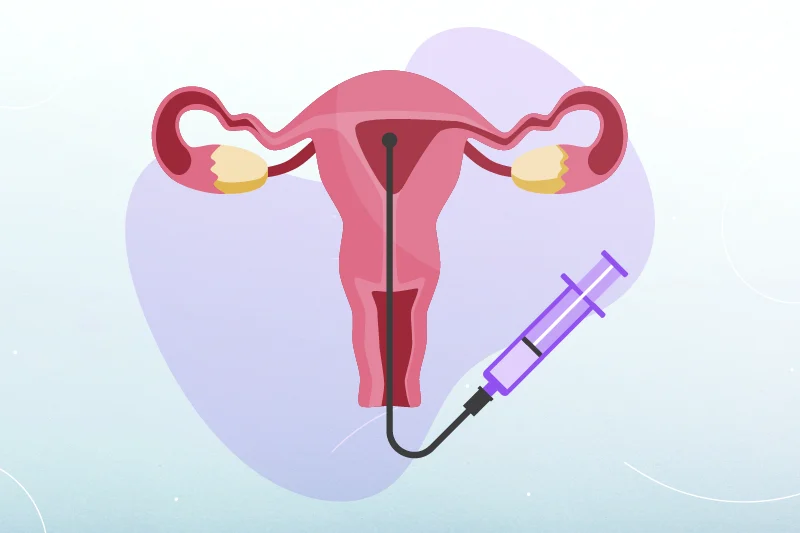
The Role of Age: How Fertility Tests Differ for Men and Women
3. Hysterosalpingography (HSG)
An HSG is a procedure that uses X-rays and a dye to examine the uterus and fallopian tubes. It can detect any blockages or abnormalities that may be preventing pregnancy.
4. Ovulation Testing
Ovulation testing involves tracking a woman’s basal body temperature, changes in cervical mucus, and using ovulation predictor kits. These methods can help determine when a woman is ovulating, making it easier to time intercourse.
The Age Factor for Men
While age does play a role in male fertility, it is not as significant as it is for women. Men produce sperm continuously throughout their lives, and the quality of their sperm does not decline as drastically as a woman’s egg quality does with age. However, studies have shown that as men age, their sperm count and motility (ability to move) may decrease, making it more challenging to conceive.
Fertility Tests for Men
Fertility testing for men focuses primarily on semen analysis, which involves examining a sample of semen for sperm count, motility, and shape. This test can help identify any abnormalities in sperm that may be affecting fertility. Other tests that may be recommended for men include hormone level testing and genetic testing to check for any inherited conditions that may affect fertility.
The Impact of Age on IVF Success
In vitro fertilization (IVF) is a common fertility treatment option for both men and women. However, the success rates of IVF can also be affected by age. For women, the chances of a successful pregnancy through IVF decrease significantly after the age of 35. This is because the quality and quantity of eggs decrease with age, making it more challenging to retrieve healthy eggs for the IVF process. For men, studies have shown that IVF success rates may also decline after the age of 40, as sperm quality may decrease with age.
In summary, age plays a crucial role in fertility for both men and women. Women are more affected by age, as their fertility declines more rapidly with age compared to men. Women are also recommended to undergo various fertility tests to determine any potential issues that may be affecting their fertility. Men, on the other hand, primarily undergo semen analysis to check for any abnormalities in sperm. Regardless of age, it is essential for both men and women to undergo fertility testing if they are struggling to conceive, as early detection and treatment can greatly increase the chances of a successful pregnancy.