Intrauterine Insemination vs Low-Tech IVF: A Comparison of Success Rates by Age
When it comes to fertility treatments, there are various options available for couples struggling to conceive. Two common methods that are often recommended are Intrauterine Insemination (IUI) and Low-Tech In Vitro Fertilization (IVF). While both procedures involve placing sperm directly into the uterus, they differ in terms of complexity, cost, and success rates. In this blog post, we will compare the success rates of IUI and Low-Tech IVF based on age, to help couples make an informed decision about which treatment may be best for them.
Age and Fertility
Before diving into the details of IUI and Low-Tech IVF, it’s important to understand how age can impact fertility. As women age, their ovarian reserve (number of eggs) decreases, and the quality of their eggs also declines. This makes it more challenging to conceive naturally and increases the need for fertility treatments. According to the American Society for Reproductive Medicine, a woman’s fertility starts to decrease significantly after the age of 35, and by the age of 40, it can be very difficult to conceive with her own eggs.
Intrauterine Insemination (IUI)
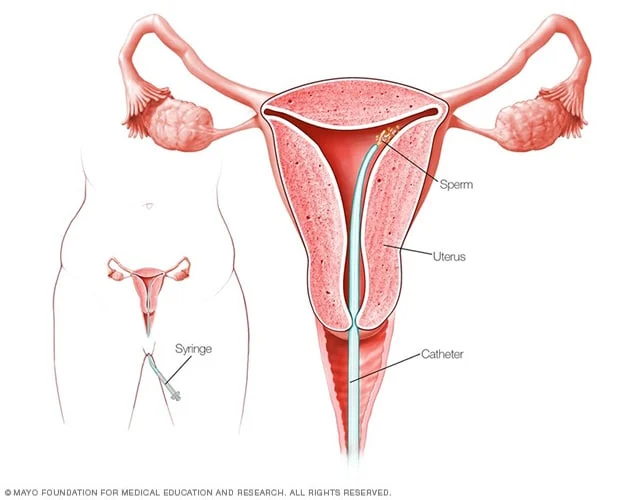
Intrauterine Insemination, also known as artificial insemination, involves placing washed and concentrated sperm directly into the uterus during the woman’s ovulation period. It is a simple and relatively less invasive procedure compared to other fertility treatments. IUI is often recommended for couples with unexplained infertility, mild endometriosis, or issues with ovulation.
Success Rates by Age
The success rates for IUI vary based on age. According to a study published in the Journal of Human Reproductive Sciences, the success rates for IUI are as follows:
– 10-15% for women under 35
– 9% for women aged 35-37
– 5% for women aged 38-39
– 2% for women aged 40 and above
It is important to note that these success rates may also be affected by other factors such as the cause of infertility, sperm quality, and the number of cycles undergone.
Low-Tech IVF
Intrauterine Insemination vs Low-Tech IVF: A Comparison of Success Rates by Age
Low-Tech IVF, also known as Natural Cycle IVF or Mini IVF, is a simplified version of traditional IVF. It involves stimulating the ovaries to produce one or two high-quality eggs, instead of the usual 10-15 eggs in a conventional IVF cycle. The fertilization and embryo transfer process is the same as traditional IVF.
Success Rates by Age
The success rates for Low-Tech IVF are also age-dependent. According to a study published in the European Journal of Obstetrics & Gynecology and Reproductive Biology, the success rates for Low-Tech IVF are as follows:
– 17% for women under 35
– 15% for women aged 35-37
– 12% for women aged 38-39
– 8% for women aged 40 and above
These success rates are slightly higher than those of IUI, but it’s important to note that Low-Tech IVF is a more invasive and expensive procedure.
Which Treatment is Best for You?
Choosing between IUI and Low-Tech IVF can be challenging, especially when considering the success rates by age. Here are some factors to consider when deciding which treatment may be best for you:
1. Age: If you are under 35, IUI may be a good option for you as it has higher success rates in this age group. However, if you are over 35 and have been trying to conceive for over a year, Low-Tech IVF may be a better choice.
2. Cause of Infertility: If you have unexplained infertility or issues with ovulation, IUI may be a suitable option. However, if you have more complex fertility issues such as blocked fallopian tubes or endometriosis, Low-Tech IVF may be more effective.
3. Cost: IUI is a more cost-effective option compared to Low-Tech IVF. However, if you have been unsuccessful with IUI and decide to pursue Low-Tech IVF, the overall cost may end up being higher in the long run.
4. Personal Preferences: Some couples may prefer the simplicity and less invasive nature of IUI, while others may prefer the higher success rates of Low-Tech IVF.
In conclusion, both IUI and Low-Tech IVF are viable options for couples struggling with infertility. The choice between the two should be based on factors such as age, cause of infertility, and personal preferences. It’s important to consult with a fertility specialist to determine which treatment may be best for you.