Tag: Parenthood

  • The Power of Love: Same-Sex Couples and the Journey to Parenthood Through Home Insemination and IVF

    The Power of Love: Same-Sex Couples and the Journey to Parenthood Through Home Insemination and IVF

    For many same-sex couples, the journey to parenthood can be a long and often challenging road. While adoption and surrogacy are common options, many couples also turn to home insemination and in vitro fertilization (IVF) to start their families. These methods, though not without their own obstacles, have become more accessible and popular for same-sex couples in recent years. In this blog post, we will explore the power of love that drives same-sex couples on their journey to parenthood, and how home insemination and IVF have provided a pathway to creating their own families.

    The Struggle for Parenthood

    For decades, same-sex couples have faced numerous legal and cultural barriers when it comes to starting a family. Many countries still do not recognize same-sex partnerships, making adoption and surrogacy difficult or impossible. In the United States, where same-sex marriage is now legal, there are still challenges in the adoption process for same-sex couples, including discrimination from adoption agencies and the high costs associated with private adoptions. For many couples, these hurdles can make the dream of parenthood seem out of reach.

    However, the desire to have a family and raise children is a universal one, and same-sex couples have not let these barriers stop them. In fact, many have found alternative paths to parenthood through home insemination and IVF.

    The Rise of Home Insemination

    Home insemination, also known as at-home insemination, is a method where sperm is manually inserted into the partner’s vagina using a syringe or a menstrual cup. This method was once primarily used by heterosexual couples struggling with infertility, but it has become a popular option for same-sex couples as well.

    One of the main advantages of home insemination is its accessibility and affordability. Unlike other methods, such as intrauterine insemination (IUI) or IVF, it can be done in the comfort of one’s own home without the need for medical intervention. This not only eliminates the high costs associated with medical procedures but also allows same-sex couples to have more control over the timing and frequency of inseminations.

    Another benefit of home insemination is the ability for both partners to be actively involved in the process. In contrast to assisted reproductive techniques where only one partner carries the child, home insemination allows both partners to have a biological connection to the baby. This can greatly enhance the emotional bond and sense of parenthood for both partners.

    However, home insemination also has its challenges. Without the guidance and expertise of a medical professional, there is a higher risk of infection or improper insemination. It also requires a lot of patience and perseverance, as it may take multiple attempts before a successful pregnancy is achieved.
    success rate of IUI in India with a graphic of a uterus and syringe alongside a rising graph

    The Power of Love: Same-Sex Couples and the Journey to Parenthood Through Home Insemination and IVF

    The Role of IVF

    In vitro fertilization (IVF) is another option for same-sex couples looking to start a family. This method involves the fertilization of an egg and sperm in a laboratory, and the resulting embryo is then transferred into the uterus of one partner or a gestational carrier.

    Unlike home insemination, IVF is a more complex and expensive process. It requires a team of medical professionals and involves various steps, including hormone injections, egg retrieval, fertilization, and embryo transfer. However, IVF offers a higher success rate than home insemination, making it a popular choice for same-sex couples who have been struggling to conceive.

    One of the main advantages of IVF is the ability to use donor sperm or donor eggs, which can be crucial for same-sex couples. This allows couples to have a biological connection to their child and also provides options for genetic testing and screening for potential health issues.

    The Emotional Journey

    While home insemination and IVF provide a pathway to parenthood for same-sex couples, the journey is not without its emotional challenges. The process of conceiving a child can be physically and emotionally exhausting, and the added stress of navigating societal and legal barriers can take a toll on couples.

    Furthermore, same-sex couples may also face discrimination and judgment from others throughout their journey. They may have to deal with insensitive comments or questions about their choice to have a family, and may even face obstacles in accessing fertility treatments due to their sexual orientation.

    However, the power of love and the desire to have a family often outweigh these challenges. Same-sex couples are determined and resilient, and they have proven that love knows no bounds when it comes to creating a family.

    In Conclusion

    The journey to parenthood for same-sex couples is not an easy one, but the power of love has driven them to overcome numerous obstacles. Home insemination and IVF have provided a pathway to parenthood, allowing couples to have a biological connection to their child and fulfill their dream of having a family. While there are still many challenges and struggles faced by same-sex couples on this journey, their love and determination continue to pave the way for a more inclusive and accepting society.

    SEO metadata:
  • The Cultural Impact of Home Insemination and IVF for Same-Sex Couples

    Blog Post Title: The Cultural Impact of Home Insemination and IVF for Same-Sex Couples

    In recent years, there has been a significant cultural shift towards greater acceptance and visibility of the LGBTQ+ community. This has also led to advancements in reproductive technologies, specifically home insemination and in vitro fertilization (IVF), which have provided same-sex couples with the opportunity to have children and start families of their own. The cultural impact of these options cannot be underestimated, as they have opened doors for same-sex couples and challenged traditional notions of family and parenthood. In this blog post, we will explore the history and current state of home insemination and IVF for same-sex couples, as well as the social and cultural implications of these reproductive technologies.

    History of Home Insemination and IVF for Same-Sex Couples

    Home insemination, also known as at-home artificial insemination, involves using a syringe or a specially designed kit to insert semen into the vagina or cervix of a woman, with the goal of fertilizing an egg and achieving pregnancy. This method has been used for heterosexual couples struggling with fertility for decades, but it wasn’t until the 1980s that same-sex couples started to explore this option as well.

    In the United States, the first known case of a same-sex couple using home insemination to conceive was in 1986, when a lesbian couple from California successfully used a friend’s donated sperm. This paved the way for other same-sex couples to follow suit and sparked a movement towards reproductive rights for the LGBTQ+ community.

    Around the same time, IVF, which involves retrieving eggs from a woman’s ovaries and fertilizing them with sperm in a laboratory, also emerged as a viable option for same-sex couples. In 1985, the first successful IVF birth resulted from a lesbian couple using a sperm donor and a surrogate mother. This groundbreaking case opened up a new world of possibilities for same-sex couples wanting to have children.

    Current State of Home Insemination and IVF for Same-Sex Couples

    Since the 1980s, home insemination and IVF have become increasingly popular options for same-sex couples looking to conceive. With the rise of online sperm banks and fertility clinics, obtaining donor sperm and finding surrogate mothers has become more accessible and less stigmatized.

    One of the main advantages of home insemination and IVF for same-sex couples is the ability to have a biological connection to their child. This is particularly important for lesbian couples, who can use the sperm of one partner and the egg of the other to create a child genetically related to both parents. In the case of gay male couples, one partner can donate sperm and the other can use a surrogate to carry the pregnancy, allowing both partners to have a biological connection to their child.

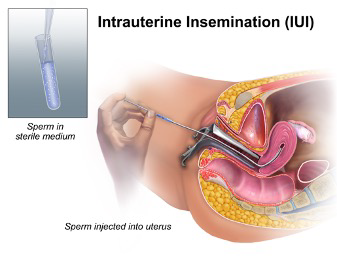
    Illustration of intrauterine insemination (IUI) procedure, showing sperm injection into the uterus.

    The Cultural Impact of Home Insemination and IVF for Same-Sex Couples

    The use of reproductive technologies has also allowed same-sex couples to have more control over the timing of their pregnancies and the number of children they want to have. With IVF, embryos can be created and frozen, giving couples the option to have children at a later time or have siblings from the same batch of embryos.

    Cultural Implications of Home Insemination and IVF for Same-Sex Couples

    The impact of home insemination and IVF for same-sex couples goes beyond just providing them with the opportunity to have children. These options have challenged traditional notions of family and parenthood, and have played a significant role in the fight for LGBTQ+ rights.

    By allowing same-sex couples to have children, these reproductive technologies have helped break down the heteronormative idea that only heterosexual couples can have families. This has led to greater acceptance and understanding of different family structures, as well as the recognition that love and commitment, rather than gender, are the foundations of a family.

    Moreover, home insemination and IVF have given same-sex couples the ability to create their own families on their own terms. They no longer have to rely on adoption or surrogacy laws that may be biased or discriminatory towards same-sex couples. This has empowered them to take control of their reproductive choices and start families without facing societal barriers.

    In addition, the increasing visibility of LGBTQ+ families through home insemination and IVF has helped to break down stereotypes and misconceptions about the community. By showing that same-sex couples can be loving and nurturing parents, these reproductive technologies have challenged the idea that heterosexuality is a requirement for being a good parent.

    Summary

    Home insemination and IVF have had a profound cultural impact on same-sex couples. These reproductive technologies have provided them with the opportunity to have children and start families on their own terms, breaking down traditional notions of family and parenthood. They have also played a significant role in the fight for LGBTQ+ rights and have helped to increase visibility and acceptance of diverse family structures.

    In conclusion, the advancements in home insemination and IVF have had a positive and transformative effect on the lives of same-sex couples. They have opened up new possibilities for starting families and have challenged societal norms, paving the way for a more inclusive and diverse understanding of family and parenthood.

  • The Journey to Parenthood: Same-Sex Couples and Home Insemination vs IVF

    The Journey to Parenthood: Same-Sex Couples and Home Insemination vs IVF

    Parenthood is a journey that many couples dream of, and for same-sex couples, this journey can come with unique challenges. With advancements in technology and the changing legal landscape, same-sex couples now have more options when it comes to starting a family. Two common methods for same-sex couples to conceive are home insemination and in vitro fertilization (IVF). In this blog post, we will explore the differences between these two methods and the factors that couples should consider when choosing the best option for them.

    Home Insemination

    Home insemination is a method where the sperm is inserted into the vagina or cervix at home, without the assistance of a medical professional. This method is often preferred by same-sex couples as it can be done in the comfort and privacy of their own home, without the need for expensive medical procedures. However, home insemination is not a guaranteed method of conception and may require multiple attempts before success. It also carries a higher risk of infection and may not be suitable for couples with certain medical conditions.

    One of the main advantages of home insemination is its affordability. The cost of sperm donation and insemination supplies can range from a few hundred to a few thousand dollars, depending on the method and materials used. This is significantly less expensive than IVF, making it a more accessible option for couples with limited financial resources. Home insemination also allows couples to have more control over the process, as they can choose the timing and frequency of insemination.

    However, there are also some drawbacks to home insemination. The most significant risk is the lack of medical supervision, which can lead to potential health issues for both the pregnant person and the baby. In addition, home insemination may not be as effective as IVF, especially for couples with fertility issues. It also does not offer the same level of genetic testing and screening as IVF, which can be important for some couples.

    IVF

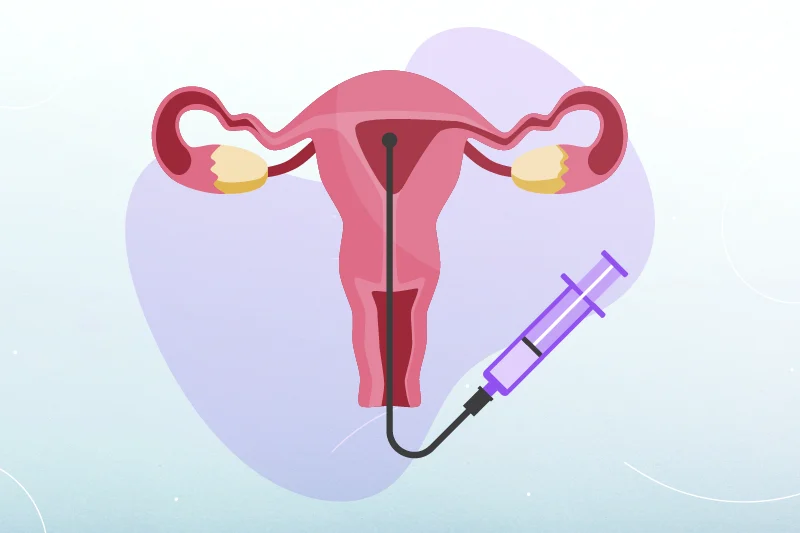
    Illustration of the uterus with a syringe, depicting the intrauterine insemination procedure.

    The Journey to Parenthood: Same-Sex Couples and Home Insemination vs IVF

    In vitro fertilization (IVF) is a medical procedure where the egg and sperm are fertilized in a laboratory setting and then implanted back into the uterus. IVF is a more complex and invasive method of conception, but it also offers a higher success rate compared to home insemination. It is recommended for couples with fertility issues or those who want to have a higher chance of conceiving.

    One of the main advantages of IVF is its higher success rate, with some studies showing a success rate of up to 70%. This is significantly higher than home insemination, making it a more attractive option for couples who have been struggling to conceive. IVF also offers the option for genetic testing and screening, which can be important for couples who want to ensure the health of their future child.

    However, IVF comes with a much higher price tag. The average cost of one IVF cycle can range from $12,000 to $20,000, which can be a significant barrier for many same-sex couples. The procedure also requires multiple visits to a fertility clinic and can be physically and emotionally draining for the couple. In addition, IVF may not be covered by insurance, making it an even more expensive option for those without coverage.

    Factors to Consider

    When deciding between home insemination and IVF, there are several factors that same-sex couples should consider. These include their financial resources, medical history, and personal preferences. Some couples may have a strong desire to have a biological connection to their child, while others may prioritize the health and well-being of the child over genetic ties. It is crucial for couples to have open and honest discussions about their expectations and concerns before making a decision.

    In addition, same-sex couples should also consider the laws and regulations in their state or country regarding parental rights for same-sex parents. In some places, IVF may offer stronger legal protections for non-biological parents compared to home insemination. It is essential to consult with a legal professional to fully understand the legal implications of each method.

    Summary:

    Parenthood is a journey that many same-sex couples aspire to, and with advancements in technology and changing laws, more options are now available for starting a family. Two common methods for same-sex couples to conceive are home insemination and IVF. Home insemination offers a more affordable and private option, while IVF has a higher success rate and the option for genetic testing and screening. Factors that couples should consider when deciding between these methods include their financial resources, medical history, personal preferences, and legal implications. It is essential for couples to have open and honest discussions and seek professional advice before making a decision.

  • Home Insemination vs IVF: Which Option is Right for Your Same-Sex Family?

    Blog Post:

    Starting a family is a dream shared by many individuals, regardless of sexual orientation. However, for same-sex couples, the traditional route of conceiving a child may not be an option. Fortunately, there are alternative methods available, such as home insemination and IVF, that can help same-sex families achieve their dream of parenthood. In this blog post, we will explore the differences between home insemination and IVF and help you determine which option may be the right fit for your same-sex family.

    What is Home Insemination?

    Home insemination, also known as DIY insemination, is a method of conception where sperm is inserted into the vagina or cervix by the intended parent or a known donor, without the assistance of a medical professional. This process can be done at home using a variety of methods, such as a syringe or a cervical cap.

    Pros of Home Insemination:

    1. Cost-effective: Home insemination is a more affordable option compared to IVF, which can cost thousands of dollars.

    2. Privacy: Many same-sex couples prefer the privacy of home insemination rather than going to a fertility clinic.

    3. Control over timing: With home insemination, couples have more control over the timing of the insemination, which can increase the chances of conception.

    Cons of Home Insemination:

    1. Lower success rates: The success rates of home insemination can vary greatly and are generally lower than those of IVF.

    2. Risk of infection: Home insemination is not a sterile procedure, and there is a risk of infection if proper precautions are not taken.

    3. Legal implications: In some countries or states, home insemination may not be legally recognized, and the donor may have legal rights to the child.

    What is IVF?

    IVF, or in vitro fertilization, is a method of assisted reproductive technology (ART) where the egg and sperm are fertilized outside of the body in a laboratory. The resulting embryo is then transferred to the uterus for implantation.

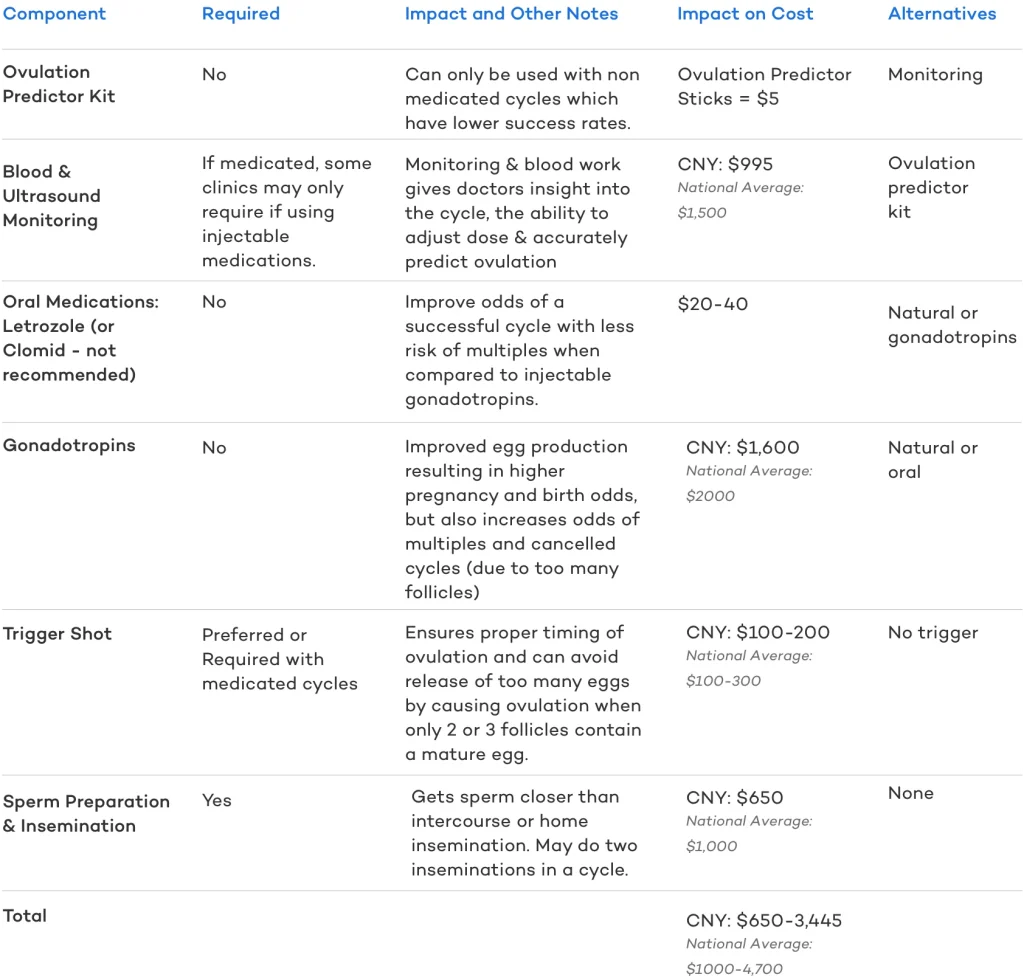
    Cost breakdown for IUI components, including requirements, impacts, and alternatives.

    Home Insemination vs IVF: Which Option is Right for Your Same-Sex Family?

    Pros of IVF:

    1. Higher success rates: IVF has a higher success rate compared to home insemination, making it a more reliable option for conception.

    2. Genetic screening: IVF allows for genetic screening of embryos, which can help prevent the transfer of genetic disorders to the child.

    3. Legal protection: In most countries, IVF is a legally recognized method of conception, and the intended parents have full legal rights to the child.

    Cons of IVF:

    1. Cost: IVF can be a costly procedure, with an average cost of $12,000 per cycle. Additional expenses, such as medication and genetic testing, can further increase the cost.

    2. Invasive: IVF involves a series of medical procedures, including hormone injections and egg retrieval, which can be physically and emotionally taxing.

    3. Lack of privacy: The process of IVF requires multiple appointments and procedures at a fertility clinic, which can be intrusive for some couples.

    Which Option is Right for You?

    When choosing between home insemination and IVF, there is no one-size-fits-all answer. Both methods have their own set of pros and cons, and the best option for your same-sex family will depend on various factors, such as your budget, privacy preferences, and legal considerations.

    If you and your partner have a low budget and want to maintain privacy, home insemination may be the right choice for you. However, if you have a higher budget and are willing to undergo a more invasive process, IVF may be a better option due to its higher success rates and legal protection.

    It is essential to do thorough research and consult with a medical professional before making a decision. They can provide you with personalized guidance and help you determine which option is best suited for your specific circumstances.

    In conclusion, home insemination and IVF are both viable options for same-sex families looking to start a family. Each method has its own set of advantages and disadvantages, and the decision ultimately comes down to personal preferences and individual circumstances. With proper research and guidance, you can make an informed decision and embark on the journey of parenthood with confidence.

    Summary:

    For same-sex couples, starting a family may require alternative methods of conception, such as home insemination and IVF. Home insemination is a more affordable and private option, but it has lower success rates and potential legal implications. On the other hand, IVF has higher success rates and legal protection, but it is costly and invasive. Ultimately, the choice between the two methods depends on individual preferences and circumstances.

  • How to Choose Between Home Insemination and IVF for Your Same-Sex Family

    Blog Post Title: How to Choose Between Home Insemination and IVF for Your Same-Sex Family

    As the LGBTQ+ community continues to gain visibility and acceptance, more and more same-sex couples are considering starting a family. However, the path to parenthood may seem daunting with so many options available. Two popular methods for same-sex couples to conceive are home insemination and IVF (In Vitro Fertilization). Both have their own advantages and disadvantages, so it is important to carefully consider which option is best for your family. In this blog post, we will discuss the key factors to consider when choosing between home insemination and IVF for your same-sex family.

    Home Insemination

    Home insemination involves collecting sperm from a donor, either through a known donor or a sperm bank, and inserting it into the partner’s reproductive tract using a syringe or a special device called an insemination cup. This method can be done at home without the help of a medical professional, making it a more affordable and convenient option for many same-sex couples.

    Advantages of Home Insemination:

    1. Cost-effective: Home insemination is significantly cheaper than IVF. The cost of sperm donation can range from a few hundred to a few thousand dollars, depending on the method and source of donation. This is much more affordable than the average cost of IVF, which can be upwards of $10,000.

    2. Privacy and comfort: Many couples prefer the privacy and comfort of their own home when undergoing the insemination process. This can alleviate some of the stress and anxiety that comes with undergoing medical procedures.

    3. Increased control and involvement: Home insemination allows both partners to be actively involved in the conception process. From selecting the donor to administering the insemination, both partners can feel a sense of ownership and control over the process.

    Disadvantages of Home Insemination:

    1. Limited success rate: The success rate of home insemination varies greatly and is influenced by several factors such as the quality of the sperm, timing of insemination, and reproductive health of the partner. As a result, it may take several attempts before achieving a successful pregnancy.

    2. Lack of medical supervision: Unlike IVF, home insemination does not involve medical supervision. This means that any potential fertility issues or complications may go undetected, making it a riskier option for some couples.

    3. Legal and ethical concerns: Using a known sperm donor for home insemination can raise legal and ethical concerns, especially if the donor is not properly screened for sexually transmitted infections or genetic disorders.

    IVF (In Vitro Fertilization)

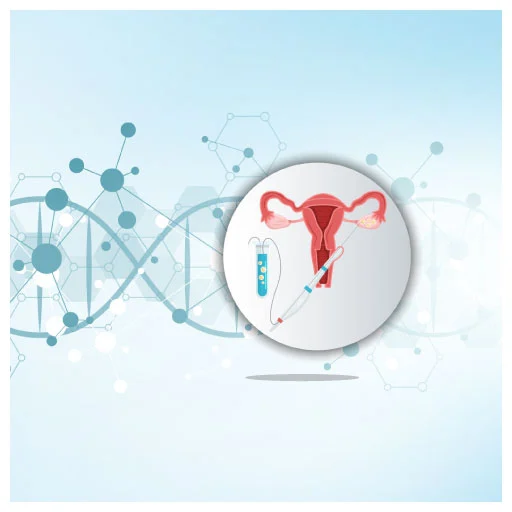
    Illustration of IUI procedure with uterus and syringe against a DNA background.

    How to Choose Between Home Insemination and IVF for Your Same-Sex Family

    IVF is a more complex and invasive procedure that involves retrieving eggs from one partner and fertilizing them with donor sperm in a laboratory. The resulting embryos are then transferred into the uterus of the other partner or a gestational carrier. IVF has a higher success rate compared to home insemination, but it also comes with a higher cost and more involvement from medical professionals.

    Advantages of IVF:

    1. Higher success rate: IVF has a higher success rate compared to home insemination, making it a more reliable option for couples who have been struggling with fertility issues.

    2. Medical supervision: With IVF, medical professionals closely monitor the process, which can help detect any potential issues and increase the chances of a successful pregnancy.

    3. More options for genetic testing: IVF allows for pre-implantation genetic testing, which can help identify any potential genetic disorders or chromosomal abnormalities in the embryos before they are transferred.

    Disadvantages of IVF:

    1. Expensive: IVF is a costly procedure, and the cost can add up even more if multiple rounds are required. Additionally, some insurance plans do not cover the cost of IVF, making it inaccessible for many couples.

    2. Invasive and time-consuming: IVF is a more invasive and time-consuming process compared to home insemination. It involves multiple doctor visits, hormone injections, and egg retrieval procedures, which can be physically and emotionally taxing for the couple.

    3. Potential for multiple pregnancies: IVF has a higher risk of multiple pregnancies, which can lead to complications for both the mother and the babies.

    How to Choose Between Home Insemination and IVF

    When deciding between home insemination and IVF, there are several factors that you and your partner should consider. These include your budget, personal preferences, medical history, and fertility issues, if any. It is also essential to consult with a fertility specialist who can provide you with personalized advice and guidance based on your specific situation.

    If cost is a significant factor, home insemination may be the better option. However, if you have been struggling with fertility issues, IVF may be the more suitable choice. It is also important to consider the risks and benefits of each method and discuss them with your partner to make an informed decision.

    In the end, the choice between home insemination and IVF for your same-sex family is a personal one, and what works for one couple may not work for another. It is important to remember that there is no right or wrong way to start a family, and the most important thing is to choose the option that feels right for you and your partner.

    In summary, choosing between home insemination and IVF for your same-sex family involves weighing the pros and cons of each method and considering factors such as cost, success rate, and personal preferences. Consulting with a fertility specialist can also provide valuable insight and guidance in making this important decision.

  • Navigating the Legalities of Sperm Banks vs Known Donors for Same-Sex Couples

    Navigating the Legalities of Sperm Banks vs Known Donors for Same-Sex Couples

    Same-sex couples have been increasingly turning to alternative methods of parenthood, such as sperm donation, to start a family. While this option provides an opportunity for same-sex couples to have biological children, it also comes with legal complexities that can be daunting to navigate. In particular, there are different legal considerations for using a sperm bank versus using a known donor. In this blog post, we will explore the legalities involved in sperm donation for same-sex couples and provide guidance for choosing the right path for your family.

    Sperm Banks: The Basics

    Sperm banks, also known as cryobanks, are facilities that store and distribute sperm for the purpose of artificial insemination. These banks have strict screening processes for donors, including medical and genetic testing, as well as psychological evaluations. This ensures that the sperm provided is of high quality and free of any potential health risks.

    One of the main benefits of using a sperm bank is the reduced legal risk for same-sex couples. Sperm banks typically have legal contracts in place that protect both the donor and the recipient from any future legal disputes. These contracts outline the rights and responsibilities of both parties, including the donor’s waiver of parental rights and the recipient’s acceptance of sole custody and responsibility for the child.

    However, it’s important to note that laws and regulations around sperm donation vary by state and country. It’s crucial for same-sex couples to research and understand the laws in their specific location before proceeding with sperm donation from a bank.

    Known Donors: The Complexities

    Known donors, on the other hand, refer to individuals who are personally known to the recipients and agree to provide sperm for the purpose of conception. This can be a friend, family member, or someone met through a sperm donation network.

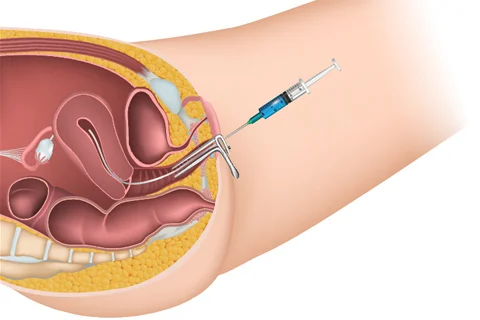
    illustration of intrauterine insemination procedure with a syringe and catheter in the uterus.

    Navigating the Legalities of Sperm Banks vs Known Donors for Same-Sex Couples

    While known donors may seem like a more personal and potentially cost-effective option for same-sex couples, they also come with their own set of legal complexities. Since there is no third-party involvement, there is a higher risk of legal disputes arising in the future. For example, the donor may change their mind about their role in the child’s life or the recipient may not uphold their agreements with the donor.

    It’s crucial for same-sex couples using known donors to have a comprehensive legal contract in place, drafted and reviewed by a lawyer, that outlines the rights and responsibilities of all parties involved. This includes the donor’s waiver of parental rights and the recipient’s acceptance of sole custody and responsibility for the child. It’s also important to consider the laws and regulations in your specific location, as they may differ from those related to sperm banks.

    Navigating the Legalities

    When it comes to choosing between a sperm bank or a known donor, it’s important for same-sex couples to carefully consider their options and consult with a lawyer. Sperm banks may provide a more straightforward and legally secure option, but they can also be costly and limit the involvement of the donor in the child’s life.

    Known donors allow for a more personal connection and potential involvement in the child’s life, but they also come with a higher risk of legal disputes. It’s crucial for same-sex couples to have open and honest communication with the donor, as well as a thorough legal contract in place, to minimize the chances of any future legal issues.

    It’s also important to note that both options come with potential emotional and psychological challenges. It’s important for same-sex couples to seek support and counseling throughout the process to ensure they are emotionally prepared for the journey ahead.

    In conclusion, navigating the legalities of sperm banks vs known donors for same-sex couples can be complex and overwhelming. It’s crucial for couples to do their research, consult with a lawyer, and carefully consider their options before making a decision. Ultimately, the most important factor is creating a safe and loving environment for the child to thrive in, regardless of the method of conception.

    Summary:

    Sperm donation is a popular option for same-sex couples looking to start a family, but it also comes with legal complexities. Sperm banks offer a more secure option with legal contracts in place, but known donors can provide a more personal connection. It’s important for couples to research and understand the laws in their location, as well as consult with a lawyer and carefully consider their options before proceeding. Emotional support and counseling throughout the process is also crucial for a successful journey towards parenthood.

  • The Emotional Impact of Sperm Banks vs Known Donors for Parents and Children

    Sperm banks and known donors are two options available for individuals or couples looking to start a family through donor conception. Both methods involve the use of donated sperm, but they differ in terms of anonymity and involvement of the donor. This decision can have a significant emotional impact on both parents and children, and it is important to consider the pros and cons of each option before making a decision.

    Sperm banks, also known as fertility clinics, are facilities that store and distribute donated sperm to help individuals or couples achieve pregnancy. These donors are anonymous, and their identity is kept confidential. This anonymity can be appealing to some parents as it provides a sense of privacy and eliminates any potential involvement of the donor in the child’s life. However, this can also lead to a lack of information about the donor’s medical history, personality traits, and other important factors that can affect the child’s physical and emotional well-being.

    On the other hand, known donors are individuals who personally know the intended parents and agree to donate their sperm. This can be a close friend or family member, or someone found through online platforms or support groups. Known donors often have a more involved role in the child’s life, and they may be open to maintaining a relationship with the child as they grow up. This can provide a sense of connection and identity for the child, as they have the opportunity to know their biological father.

    One of the most significant emotional impacts of sperm banks vs known donors is the sense of loss and grief experienced by both parents and children. For parents, the inability to conceive a child naturally can be a challenging and emotional journey. The use of donor sperm can often bring up feelings of inadequacy and loss of control, which can be amplified when using anonymous donors. The lack of information about the donor can also lead to uncertainty and a sense of disconnect from the child’s genetic origins.

    Similarly, children conceived through donor sperm may feel a sense of loss and confusion about their identity and biological roots. This can be especially challenging for children born from anonymous donors, as they may have limited information about their genetic background. This can lead to feelings of emptiness and a desire to know more about their donor and their heritage.

    illustration of the IUI process, showing sperm collection, preparation, and insertion into the uterus

    The Emotional Impact of Sperm Banks vs Known Donors for Parents and Children

    In contrast, known donors offer the child the opportunity to have a relationship with their biological father, which can have a positive impact on their emotional well-being. Knowing their donor’s identity and having access to their medical history and other personal information can also help children feel more connected to their genetic origins. However, the involvement of the known donor in the child’s life can also bring about its own set of emotional challenges, such as navigating boundaries and managing expectations.

    Another significant emotional impact of sperm banks vs known donors is the level of trust and communication involved in the process. With sperm banks, the donor is usually a complete stranger, and there is a level of trust placed in the facility to provide high-quality sperm and accurate information about the donor. This lack of personal connection can create feelings of uncertainty and anxiety for parents, as they may worry about the donor’s true intentions and the accuracy of the information provided.

    Known donors, on the other hand, involve a more personal and intimate relationship between the donor and the intended parents. This can lead to a higher level of trust and communication, as both parties are personally invested in the well-being of the child. However, this can also bring about potential conflicts and challenges, such as disagreements about the level of involvement and responsibilities of the donor.

    In conclusion, the emotional impact of sperm banks vs known donors is complex and deeply personal. Both options have their advantages and disadvantages, and it is essential for individuals or couples to carefully consider their priorities and values before making a decision. It is also crucial to seek support and guidance from professionals and support groups to navigate the emotional challenges that may arise during the donor conception process. Ultimately, the most crucial factor is creating a loving and supportive environment for the child, regardless of the method of conception.

    In summary, the decision between sperm banks and known donors can have a significant emotional impact on parents and children. Sperm banks offer anonymity and privacy, but may also lead to a lack of information and a sense of loss. Known donors, on the other hand, provide a personal connection and the opportunity for a relationship with the biological father, but can also bring about emotional challenges and conflicts. It is crucial for individuals or couples to carefully consider their priorities and seek support to navigate the emotional journey of donor conception.

  • Intrauterine Insemination vs In Vitro Fertilization: A Journey to Parenthood

    Blog Post: Intrauterine Insemination vs In Vitro Fertilization: A Journey to Parenthood

    Parenthood is a dream for many couples. However, for some, it may not come as easily as others. Infertility affects about 15% of couples globally, and it can be a challenging and emotional journey. Fortunately, there are advanced medical treatments available that can help couples achieve their dream of parenthood. Two of the most common treatments for infertility are Intrauterine Insemination (IUI) and In Vitro Fertilization (IVF). In this blog post, we will dive deeper into these two methods and compare them to help you make an informed decision on which one is the best for you and your partner.

    Understanding Intrauterine Insemination (IUI)

    Intrauterine Insemination, also known as artificial insemination, is a fertility treatment that involves placing washed and concentrated sperm directly into the woman’s uterus at the time of ovulation. This method aims to increase the chances of the sperm reaching the fallopian tubes and fertilizing the egg. IUI is often recommended for couples with unexplained infertility, mild male factor infertility, or mild endometriosis.

    The IUI process involves monitoring the woman’s ovulation cycle and timing the procedure to coincide with the release of the egg. The male partner’s sperm is collected, washed, and prepared in the lab before being inserted into the uterus through a thin catheter. This procedure is relatively simple, painless, and can be done in a doctor’s office without the need for anesthesia.

    One of the significant advantages of IUI is that it is a less invasive and less expensive option compared to other fertility treatments. It also has a lower risk of multiple pregnancies, making it a safer option for women who are carrying out the procedure. However, the success rates of IUI are relatively low, with only about 10-20% of couples achieving pregnancy after one cycle.

    Understanding In Vitro Fertilization (IVF)

    In Vitro Fertilization, commonly known as IVF, is a more complex and invasive fertility treatment. It involves retrieving eggs from the woman’s ovaries and fertilizing them with sperm in a laboratory dish. The resulting embryos are then transferred into the woman’s uterus, where they have the potential to implant and develop into a pregnancy. IVF is recommended for couples with severe male factor infertility, blocked or damaged fallopian tubes, or unexplained infertility.

    The IVF process begins with ovarian stimulation, where the woman is given hormones to stimulate the ovaries to produce multiple eggs. These eggs are then retrieved through a minor surgical procedure called follicular aspiration. The eggs are then fertilized with the sperm in a laboratory, and the resulting embryos are monitored for a few days before being transferred into the woman’s uterus. The entire process may take a few weeks to complete and may involve multiple cycles for a successful pregnancy.

    The success rates of IVF are generally higher than IUI, with about 30-40% of couples achieving pregnancy after one cycle. However, IVF is a more expensive option and has a higher risk of multiple pregnancies, which can increase the chances of complications during pregnancy and delivery.

    Comparing IUI and IVF

    Illustration of IUI procedure with uterus and syringe against a DNA background.

    Intrauterine Insemination vs In Vitro Fertilization: A Journey to Parenthood

    Both IUI and IVF have their unique advantages and disadvantages, and the choice between the two will depend on various factors such as the cause of infertility, age, medical history, and financial considerations. Here are some key differences between the two methods:

    1. Invasiveness: IUI is a less invasive procedure compared to IVF, which involves surgery and more medications.

    2. Success Rates: IVF has higher success rates compared to IUI, but success rates may vary depending on the individual situation.

    3. Cost: IUI is a more affordable option compared to IVF, which can cost thousands of dollars per cycle.

    4. Risks: Both IUI and IVF carry some risks, but IVF has a higher risk of multiple pregnancies and ovarian hyperstimulation syndrome (OHSS).

    5. Time: IUI can be done in a doctor’s office in a short period, while IVF may take a few weeks to complete.

    Making the Decision

    Deciding between IUI and IVF can be overwhelming, but consulting with a fertility specialist can help you make an informed decision. They will evaluate your medical history, perform necessary tests, and recommend the best treatment option for you and your partner. It is essential to consider factors such as age, cause of infertility, and financial considerations when making the decision.

    Both IUI and IVF can be emotionally and physically demanding, and it is crucial to have a strong support system during the process. It is also essential to take care of your mental and emotional well-being during this journey to parenthood.

    In conclusion, both Intrauterine Insemination and In Vitro Fertilization are effective fertility treatments that can help couples achieve their dream of parenthood. While IUI is a less invasive and more affordable option, IVF has higher success rates. The choice between the two methods will depend on individual factors, and consulting with a fertility specialist is crucial in making the best decision for you and your partner.

    Summary:

    Parenthood is a dream for many couples, but for some, it may not come easily. Infertility affects about 15% of couples globally, and there are advanced medical treatments available, such as Intrauterine Insemination (IUI) and In Vitro Fertilization (IVF). IUI involves placing washed and concentrated sperm into the uterus at the time of ovulation, while IVF involves retrieving eggs from the ovaries and fertilizing them with sperm in a laboratory dish. Both methods have their unique advantages and disadvantages, and the choice between the two will depend on factors such as age, cause of infertility, and financial considerations. Consulting with a fertility specialist is crucial in making an informed decision.

  • Breaking Down the Costs: Intrauterine Insemination vs In Vitro Fertilization

    Blog Title: Breaking Down the Costs: Intrauterine Insemination vs In Vitro Fertilization

    Summary:

    The journey to parenthood can be a challenging and emotional one for many couples. For those struggling with fertility issues, the options of intrauterine insemination (IUI) and in vitro fertilization (IVF) can offer hope of starting or expanding their family. However, along with the emotional and physical toll, these fertility treatments also come with significant financial costs. In this blog post, we will take a closer look at the costs associated with IUI and IVF, and compare the two procedures to help couples make an informed decision about which option is best for their individual situation.

    IUI Cost Breakdown:

    Intrauterine insemination, also known as artificial insemination, is a fertility treatment that involves placing sperm directly into a woman’s uterus, bypassing the cervix and increasing the chances of fertilization. The average cost of one IUI cycle is around $500-$1000, which includes the cost of sperm washing, the procedure itself, and any necessary medications. However, this cost can vary depending on factors such as location, clinic, and additional treatments or tests required. The success rate for IUI ranges from 8-17% per cycle, and multiple cycles may be required to achieve a successful pregnancy.

    IVF Cost Breakdown:

    In vitro fertilization is a more complex and invasive fertility treatment that involves retrieving eggs from a woman’s ovaries and fertilizing them with sperm in a laboratory. The resulting embryos are then transferred into the woman’s uterus, with the goal of achieving pregnancy. The average cost of one IVF cycle is significantly higher than IUI, ranging from $12,000-$15,000. This cost includes the medications, egg retrieval, fertilization, embryo transfer, and monitoring appointments. Additional costs such as anesthesia, genetic testing, and freezing of embryos can add thousands of dollars to the overall cost. The success rate for IVF is higher than IUI, with a range of 30-40% per cycle. However, multiple cycles may still be necessary for a successful pregnancy.

    Comparison of IUI and IVF, illustrating procedures and definitions for each fertility treatment.

    Breaking Down the Costs: Intrauterine Insemination vs In Vitro Fertilization

    Factors Affecting Costs:

    Both IUI and IVF have additional factors that can affect the overall cost of treatment. In the case of IUI, the use of donor sperm can significantly increase the cost, as well as any necessary fertility medications or tests. For IVF, the use of donor eggs or sperm, as well as the need for additional procedures such as intra-cytoplasmic sperm injection (ICSI) or assisted hatching, can also add to the cost. Additionally, some insurance plans may cover a portion of the cost for fertility treatments, so it is important to check with your provider to see what is covered.

    Which Option is Right for You?

    When it comes to deciding between IUI and IVF, there is no one-size-fits-all answer. The decision should be based on several factors, including the cause of infertility, age, and overall health of the couple. For couples with mild fertility issues, IUI may be a more cost-effective and less invasive option. However, for those with more complex fertility issues, IVF may offer a better chance of success. It is important to consult with a fertility specialist to determine the best course of treatment for your individual situation.

    Other Considerations:

    There are other costs associated with both IUI and IVF that couples should also consider. The emotional toll of fertility treatments can be significant, and many couples may require counseling or therapy to cope with the stress and anxiety. Additionally, the time commitment for appointments, procedures, and recovery should also be factored into the overall cost of treatment.

    In conclusion, the costs associated with fertility treatments should not be taken lightly. Both IUI and IVF come with significant financial burdens, and couples should carefully consider their options before making a decision. Consulting with a fertility specialist and discussing all factors, including success rates, additional costs, and personal circumstances, can help couples make an informed decision about which option is right for them.

  • Navigating the World of Fertility Treatments: Intrauterine Insemination vs In Vitro Fertilization

    Navigating the World of Fertility Treatments: Intrauterine Insemination vs In Vitro Fertilization

    For couples struggling with infertility, the journey to parenthood can be a long and emotional one. Fortunately, advancements in fertility treatments have made it possible for many couples to overcome their fertility challenges and successfully conceive. Two commonly used treatments are intrauterine insemination (IUI) and in vitro fertilization (IVF). While both treatments involve artificially assisting with the fertilization process, there are key differences between the two. In this blog post, we will explore the differences between IUI and IVF, and provide information to help you navigate the world of fertility treatments.

    What is Intrauterine Insemination (IUI)?

    Intrauterine insemination, also known as artificial insemination, is a fertility treatment that involves placing sperm directly into a woman’s uterus to increase the chances of fertilization. This procedure is commonly used for couples with mild fertility issues, such as low sperm count or cervical mucus problems. It can also be used for single women or same-sex couples who wish to conceive using donor sperm.

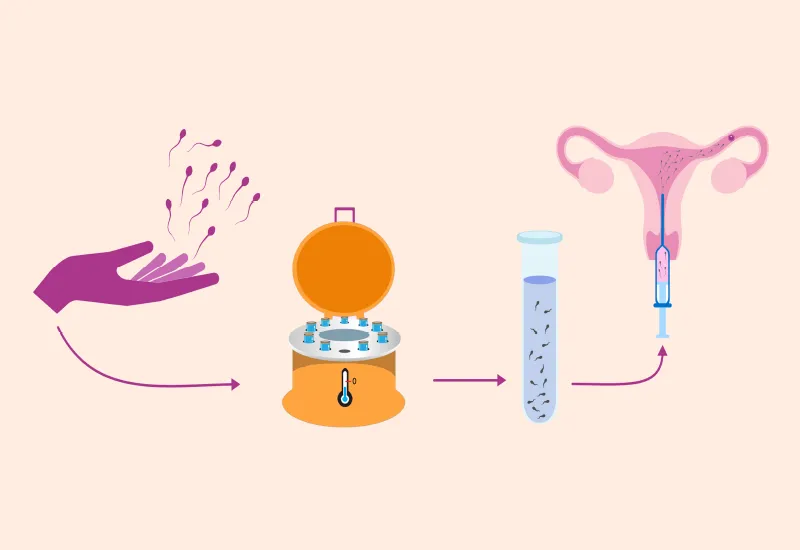
    The IUI process involves several steps. First, the woman’s menstrual cycle is monitored to determine the best time for insemination, usually around the time of ovulation. Then, the male partner or donor provides a semen sample, which is washed and concentrated to increase the number of healthy sperm. The sperm is then inserted into the uterus using a catheter, and the woman may be advised to lie down for a short period to increase the chances of conception.

    What is In Vitro Fertilization (IVF)?

    In vitro fertilization, commonly known as IVF, is a more complex fertility treatment that involves combining eggs and sperm in a laboratory to create embryos, which are then transferred into the woman’s uterus. IVF is typically recommended for couples with more severe fertility issues, such as blocked fallopian tubes, endometriosis, or advanced maternal age.

    Illustration of intrauterine insemination (IUI) procedure with syringe and catheter in the uterus.

    Navigating the World of Fertility Treatments: Intrauterine Insemination vs In Vitro Fertilization

    The IVF process involves several stages. First, the woman’s ovaries are stimulated with hormone injections to produce multiple eggs. These eggs are then retrieved through a minor surgical procedure and combined with sperm in a laboratory to create embryos. The embryos are then monitored for a few days before being transferred into the woman’s uterus. Any remaining embryos may be frozen and used in future cycles.

    Key Differences Between IUI and IVF

    While both IUI and IVF are fertility treatments, they differ in terms of their success rates, cost, and level of invasiveness. IUI is a less invasive and less expensive option compared to IVF, but it also has a lower success rate. According to the American Society for Reproductive Medicine, the success rate for IUI is around 10-20% per cycle, while IVF has a success rate of 40-45% for women under 35. Additionally, IUI can only be used for certain fertility issues, while IVF is more versatile and can be used for a wider range of conditions.

    Another key difference between IUI and IVF is the level of involvement required from the couple. With IUI, the couple only needs to be present for the insemination procedure, while IVF involves a more intensive process of hormone injections, egg retrieval, and embryo transfer. This can be emotionally and physically taxing for both partners, and it is important to carefully consider the level of commitment and support required for each treatment.

    Which Treatment is Right for You?

    Choosing between IUI and IVF can be a difficult decision, and it is important to consult with a fertility specialist to determine the best course of action for your specific situation. Factors such as age, overall health, and the cause of infertility will play a role in determining the most appropriate treatment.

    In general, IUI may be a good option for couples with mild fertility issues and a limited budget, while IVF may be more suitable for couples with more complex fertility issues. However, it is important to keep in mind that every couple’s journey to parenthood is unique, and what works for one couple may not work for another.

    In conclusion, navigating the world of fertility treatments can be overwhelming, but understanding the key differences between IUI and IVF can help you make an informed decision. It is also important to have a strong support system in place, both emotionally and financially, as fertility treatments can be physically and emotionally taxing. Remember to consult with a fertility specialist and discuss all your options before making a decision. With the right treatment and support, many couples have been able to overcome their fertility challenges and achieve their dream of becoming parents.