The Journey to Parenthood: Same-Sex Couples and Home Insemination vs IVF
Parenthood is a journey that many couples dream of, and for same-sex couples, this journey can come with unique challenges. With advancements in technology and the changing legal landscape, same-sex couples now have more options when it comes to starting a family. Two common methods for same-sex couples to conceive are home insemination and in vitro fertilization (IVF). In this blog post, we will explore the differences between these two methods and the factors that couples should consider when choosing the best option for them.
Home Insemination
Home insemination is a method where the sperm is inserted into the vagina or cervix at home, without the assistance of a medical professional. This method is often preferred by same-sex couples as it can be done in the comfort and privacy of their own home, without the need for expensive medical procedures. However, home insemination is not a guaranteed method of conception and may require multiple attempts before success. It also carries a higher risk of infection and may not be suitable for couples with certain medical conditions.
One of the main advantages of home insemination is its affordability. The cost of sperm donation and insemination supplies can range from a few hundred to a few thousand dollars, depending on the method and materials used. This is significantly less expensive than IVF, making it a more accessible option for couples with limited financial resources. Home insemination also allows couples to have more control over the process, as they can choose the timing and frequency of insemination.
However, there are also some drawbacks to home insemination. The most significant risk is the lack of medical supervision, which can lead to potential health issues for both the pregnant person and the baby. In addition, home insemination may not be as effective as IVF, especially for couples with fertility issues. It also does not offer the same level of genetic testing and screening as IVF, which can be important for some couples.
IVF
The Journey to Parenthood: Same-Sex Couples and Home Insemination vs IVF
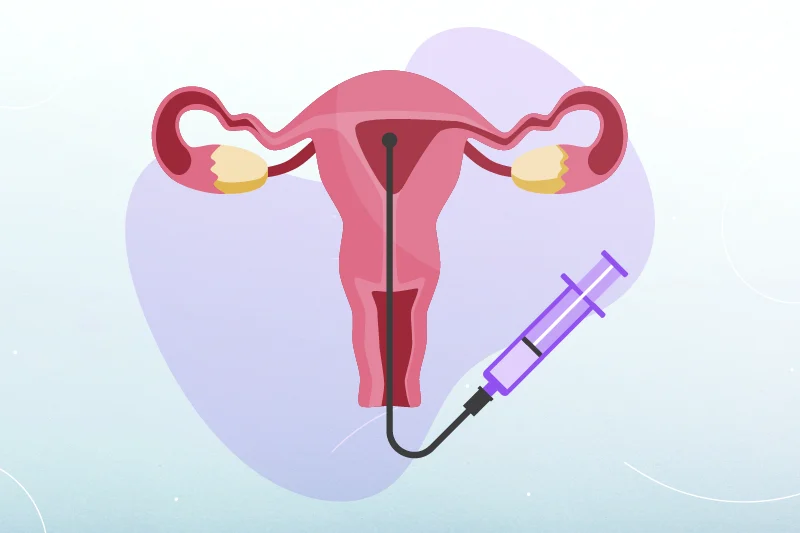
In vitro fertilization (IVF) is a medical procedure where the egg and sperm are fertilized in a laboratory setting and then implanted back into the uterus. IVF is a more complex and invasive method of conception, but it also offers a higher success rate compared to home insemination. It is recommended for couples with fertility issues or those who want to have a higher chance of conceiving.
One of the main advantages of IVF is its higher success rate, with some studies showing a success rate of up to 70%. This is significantly higher than home insemination, making it a more attractive option for couples who have been struggling to conceive. IVF also offers the option for genetic testing and screening, which can be important for couples who want to ensure the health of their future child.
However, IVF comes with a much higher price tag. The average cost of one IVF cycle can range from $12,000 to $20,000, which can be a significant barrier for many same-sex couples. The procedure also requires multiple visits to a fertility clinic and can be physically and emotionally draining for the couple. In addition, IVF may not be covered by insurance, making it an even more expensive option for those without coverage.
Factors to Consider
When deciding between home insemination and IVF, there are several factors that same-sex couples should consider. These include their financial resources, medical history, and personal preferences. Some couples may have a strong desire to have a biological connection to their child, while others may prioritize the health and well-being of the child over genetic ties. It is crucial for couples to have open and honest discussions about their expectations and concerns before making a decision.
In addition, same-sex couples should also consider the laws and regulations in their state or country regarding parental rights for same-sex parents. In some places, IVF may offer stronger legal protections for non-biological parents compared to home insemination. It is essential to consult with a legal professional to fully understand the legal implications of each method.
Summary:
Parenthood is a journey that many same-sex couples aspire to, and with advancements in technology and changing laws, more options are now available for starting a family. Two common methods for same-sex couples to conceive are home insemination and IVF. Home insemination offers a more affordable and private option, while IVF has a higher success rate and the option for genetic testing and screening. Factors that couples should consider when deciding between these methods include their financial resources, medical history, personal preferences, and legal implications. It is essential for couples to have open and honest discussions and seek professional advice before making a decision.