Blog Post:
Starting a family is a dream shared by many individuals, regardless of sexual orientation. However, for same-sex couples, the traditional route of conceiving a child may not be an option. Fortunately, there are alternative methods available, such as home insemination and IVF, that can help same-sex families achieve their dream of parenthood. In this blog post, we will explore the differences between home insemination and IVF and help you determine which option may be the right fit for your same-sex family.
What is Home Insemination?
Home insemination, also known as DIY insemination, is a method of conception where sperm is inserted into the vagina or cervix by the intended parent or a known donor, without the assistance of a medical professional. This process can be done at home using a variety of methods, such as a syringe or a cervical cap.
Pros of Home Insemination:
1. Cost-effective: Home insemination is a more affordable option compared to IVF, which can cost thousands of dollars.
2. Privacy: Many same-sex couples prefer the privacy of home insemination rather than going to a fertility clinic.
3. Control over timing: With home insemination, couples have more control over the timing of the insemination, which can increase the chances of conception.
Cons of Home Insemination:
1. Lower success rates: The success rates of home insemination can vary greatly and are generally lower than those of IVF.
2. Risk of infection: Home insemination is not a sterile procedure, and there is a risk of infection if proper precautions are not taken.
3. Legal implications: In some countries or states, home insemination may not be legally recognized, and the donor may have legal rights to the child.
What is IVF?
IVF, or in vitro fertilization, is a method of assisted reproductive technology (ART) where the egg and sperm are fertilized outside of the body in a laboratory. The resulting embryo is then transferred to the uterus for implantation.
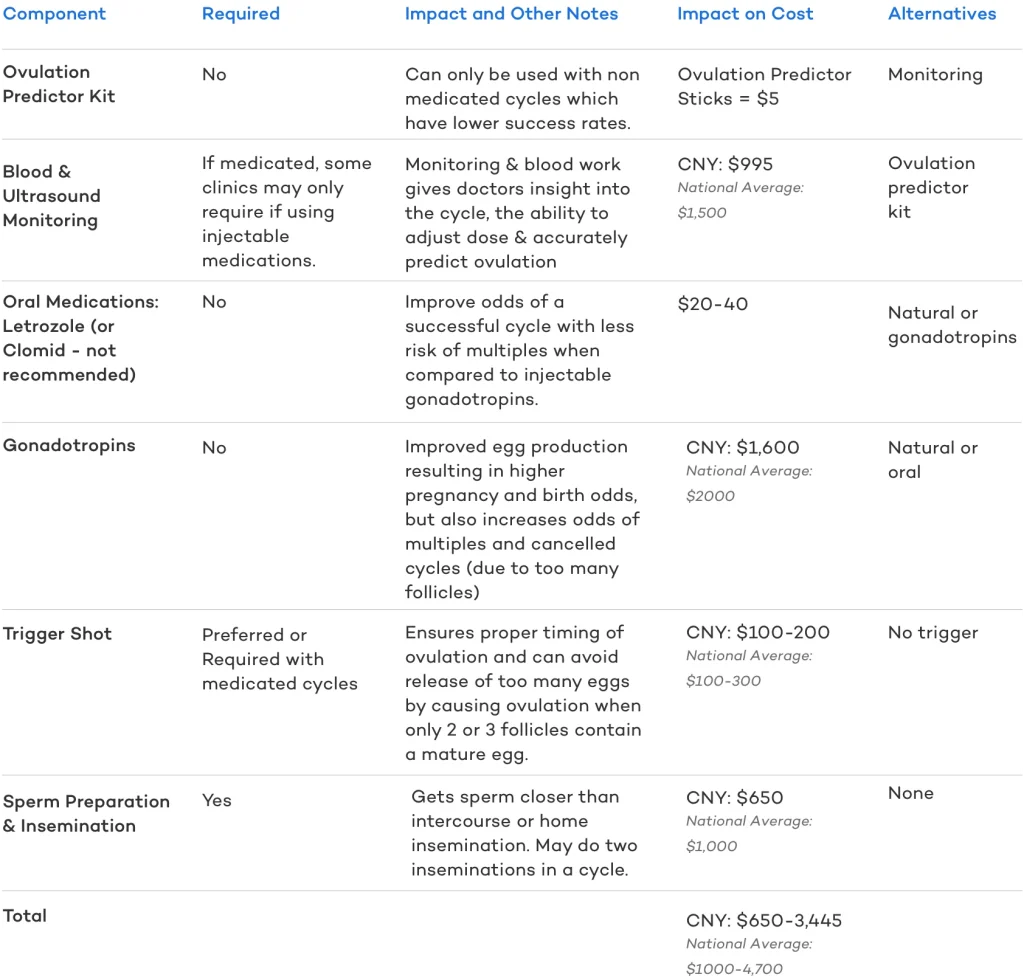
Home Insemination vs IVF: Which Option is Right for Your Same-Sex Family?
Pros of IVF:
1. Higher success rates: IVF has a higher success rate compared to home insemination, making it a more reliable option for conception.
2. Genetic screening: IVF allows for genetic screening of embryos, which can help prevent the transfer of genetic disorders to the child.
3. Legal protection: In most countries, IVF is a legally recognized method of conception, and the intended parents have full legal rights to the child.
Cons of IVF:
1. Cost: IVF can be a costly procedure, with an average cost of $12,000 per cycle. Additional expenses, such as medication and genetic testing, can further increase the cost.
2. Invasive: IVF involves a series of medical procedures, including hormone injections and egg retrieval, which can be physically and emotionally taxing.
3. Lack of privacy: The process of IVF requires multiple appointments and procedures at a fertility clinic, which can be intrusive for some couples.
Which Option is Right for You?
When choosing between home insemination and IVF, there is no one-size-fits-all answer. Both methods have their own set of pros and cons, and the best option for your same-sex family will depend on various factors, such as your budget, privacy preferences, and legal considerations.
If you and your partner have a low budget and want to maintain privacy, home insemination may be the right choice for you. However, if you have a higher budget and are willing to undergo a more invasive process, IVF may be a better option due to its higher success rates and legal protection.
It is essential to do thorough research and consult with a medical professional before making a decision. They can provide you with personalized guidance and help you determine which option is best suited for your specific circumstances.
In conclusion, home insemination and IVF are both viable options for same-sex families looking to start a family. Each method has its own set of advantages and disadvantages, and the decision ultimately comes down to personal preferences and individual circumstances. With proper research and guidance, you can make an informed decision and embark on the journey of parenthood with confidence.
Summary:
For same-sex couples, starting a family may require alternative methods of conception, such as home insemination and IVF. Home insemination is a more affordable and private option, but it has lower success rates and potential legal implications. On the other hand, IVF has higher success rates and legal protection, but it is costly and invasive. Ultimately, the choice between the two methods depends on individual preferences and circumstances.