Tag: emotional toll

  • IUI vs Timed Intercourse: Exploring the Options for Couples with Recurrent Pregnancy Loss

    Blog Post Title: IUI vs Timed Intercourse: Exploring the Options for Couples with Recurrent Pregnancy Loss

    Summary:

    Recurrent pregnancy loss, also known as recurrent miscarriage, is a heartbreaking experience for many couples. It is defined as three or more consecutive pregnancy losses before 20 weeks of gestation. While there can be various underlying causes for this, it can be a difficult journey for couples who are trying to conceive and carry a pregnancy to term.

    One of the options available for couples with recurrent pregnancy loss is intrauterine insemination (IUI) and timed intercourse. These procedures involve timing intercourse with ovulation and using fertility treatments to increase the chances of conception. In this blog post, we will explore the differences between IUI and timed intercourse and discuss which option may be more suitable for couples facing recurrent pregnancy loss.

    IUI, also known as artificial insemination, involves placing washed and concentrated sperm directly into the uterus during ovulation. This procedure can be done with or without fertility drugs, depending on the individual’s fertility needs. On the other hand, timed intercourse involves tracking ovulation and having intercourse during the most fertile days of a woman’s cycle. This can also be combined with fertility treatments such as ovulation induction or hormonal injections to stimulate ovulation.
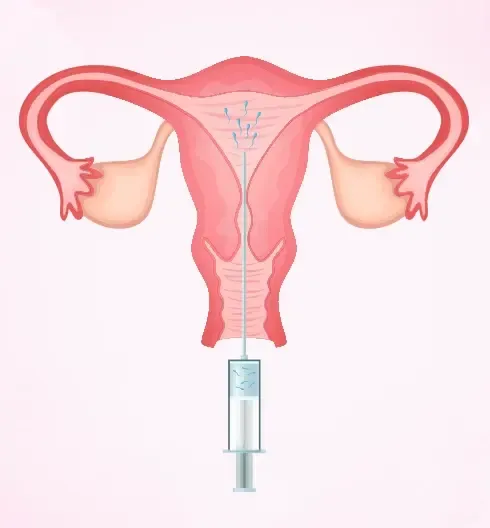
    Illustration of a uterus with a syringe indicating an intrauterine insemination procedure.

    IUI vs Timed Intercourse: Exploring the Options for Couples with Recurrent Pregnancy Loss

    One of the main differences between IUI and timed intercourse is the level of medical intervention involved. IUI requires a medical professional to perform the procedure, while timed intercourse can be done at home. This may make timed intercourse a more convenient and less invasive option for some couples. However, IUI may be a better choice for couples who have difficulty with timed intercourse due to work schedules or other factors.

    Another factor to consider is the success rates of each procedure. According to the American Society for Reproductive Medicine, the success rates of IUI range from 10-20% per cycle, while timed intercourse has a success rate of about 5-10% per cycle. However, these success rates may vary depending on factors such as age, underlying fertility issues, and the use of fertility treatments.

    For couples with recurrent pregnancy loss, it is essential to determine the underlying cause and address it before undergoing IUI or timed intercourse. Some common causes of recurrent pregnancy loss include genetic factors, hormone imbalances, and structural issues with the uterus. By identifying and treating these underlying causes, the chances of a successful pregnancy can significantly increase.

    Another important consideration for couples with recurrent pregnancy loss is the emotional toll of these procedures. Going through fertility treatments and experiencing multiple miscarriages can be emotionally and mentally draining. It is crucial for couples to have support from loved ones and to seek counseling if needed.

    In addition to IUI and timed intercourse, other options are available for couples with recurrent pregnancy loss, such as in vitro fertilization (IVF) and surrogacy. These procedures may be more invasive and expensive but can have higher success rates for couples facing recurrent pregnancy loss. It is essential to discuss all available options with a fertility specialist and make an informed decision based on individual circumstances.

    In conclusion, IUI and timed intercourse are two options available for couples with recurrent pregnancy loss. Both procedures involve timing intercourse with ovulation and using fertility treatments to increase the chances of conception. However, factors such as medical intervention, success rates, underlying causes, and emotional toll should be considered when deciding which option is best for an individual couple. It is crucial for couples to seek support and guidance from a fertility specialist to determine the most suitable option for them.

  • Breaking the Stigma: Discussing Intrauterine Insemination vs Timed Intercourse for Couples Struggling with Infertility

    Blog Post:

    Infertility is a deeply personal and emotional struggle for many couples. For those who are trying to conceive, it can feel like a constant uphill battle filled with disappointment, frustration, and heartache. However, with advancements in reproductive technology, there are now more options available to help couples overcome infertility and start a family. Two of the most commonly discussed treatments are intrauterine insemination (IUI) and timed intercourse. In this blog post, we will break down the stigma surrounding these treatments and discuss their effectiveness, pros and cons, and how they compare to each other.

    Breaking the Stigma: Understanding Infertility

    Before diving into the specifics of IUI and timed intercourse, it’s essential to first understand what infertility is and how it affects couples. Infertility is defined as the inability to conceive a child after one year of trying for couples under 35 years old and six months for couples over 35 years old. Infertility affects approximately 1 in 8 couples, and it can be caused by a variety of factors, including age, medical conditions, hormonal imbalances, and lifestyle choices.

    The emotional toll of infertility is often overlooked and underestimated. For couples struggling to conceive, it can lead to feelings of shame, guilt, and even depression. Many couples also face social stigma and pressure from family and friends, making their journey even more challenging. It’s essential to break the stigma surrounding infertility and create a safe and supportive space for couples to explore their options.

    Intrauterine Insemination (IUI)

    Intrauterine insemination, also known as artificial insemination, is a fertility treatment that involves inserting sperm directly into a woman’s uterus. This procedure is typically used for couples with unexplained infertility, mild male factor infertility, or when the male partner has difficulty ejaculating. The process starts with the male partner providing a sperm sample, which is then washed and prepared in a laboratory to concentrate the healthiest sperm. The prepared sperm is then inserted into the uterus using a thin, flexible catheter.

    Effectiveness of IUI

    The success rate of IUI varies depending on several factors, including the woman’s age, cause of infertility, and the quality of the sperm used. On average, the success rate of IUI is 10-20% per cycle, and most couples will require multiple cycles to achieve pregnancy. However, when combined with fertility drugs, the success rate can increase up to 20-35% per cycle.

    Pros and Cons of IUI

    One of the main advantages of IUI is that it is a less invasive and more affordable option compared to other fertility treatments, such as in vitro fertilization (IVF). It also allows couples to use the male partner’s sperm, making it a more natural process. However, IUI may not be suitable for couples with severe male factor infertility or blocked fallopian tubes. It also does not address underlying fertility issues, such as endometriosis or low ovarian reserve, making it less effective in these cases.

    Timed Intercourse

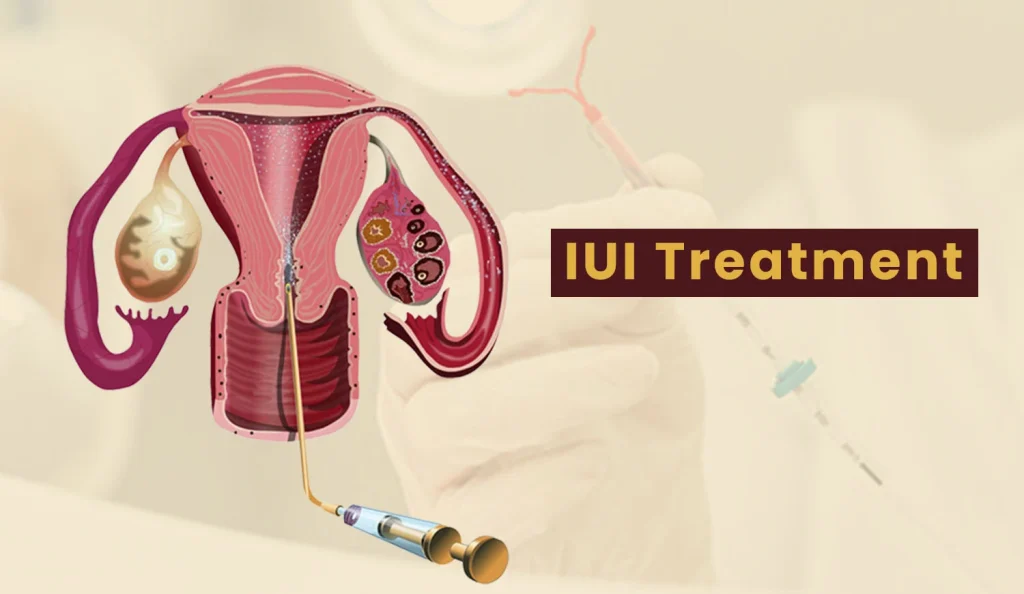
    illustration of the uterus and ovaries with a syringe, labeled "IUI Treatment" in the background

    Breaking the Stigma: Discussing Intrauterine Insemination vs Timed Intercourse for Couples Struggling with Infertility

    Timed intercourse, also known as the “natural” way of conceiving, involves having sex during a woman’s most fertile days to increase the chances of pregnancy. This method requires tracking ovulation through methods such as basal body temperature charting, ovulation predictor kits, and fertility tracking apps. The goal is to have sex during the woman’s fertile window, which is typically 2-3 days before and after ovulation.

    Effectiveness of Timed Intercourse

    The success rate of timed intercourse depends on several factors, including the woman’s age, frequency of intercourse, and the accuracy of tracking ovulation. On average, the chances of pregnancy with timed intercourse are around 15-25% per cycle. However, this method may not be as effective for couples with irregular ovulation or underlying fertility issues.

    Pros and Cons of Timed Intercourse

    One of the significant advantages of timed intercourse is that it is a natural and non-invasive method of conception. It also allows couples to have more control over the process and be more involved in their journey. However, it can be emotionally and physically taxing for couples to have sex on a schedule, especially if they have been trying to conceive for a long time. It also requires precise timing and tracking, which can be challenging and stressful for some couples.

    IUI vs. Timed Intercourse: Which is the Right Choice?

    When it comes to choosing between IUI and timed intercourse, there is no one-size-fits-all answer. Both methods have their advantages and disadvantages, and the right choice will depend on each couple’s unique situation. For couples with unexplained infertility or mild male factor infertility, IUI may be a suitable option. On the other hand, couples who prefer a more natural approach and have regular ovulation may opt for timed intercourse.

    It’s also essential to consider the emotional and financial factors when making a decision. While IUI may be more affordable, it may not be the best choice for couples with underlying fertility issues, which can add to the emotional toll of the process. On the other hand, timed intercourse may require more time, effort, and expense in tracking ovulation, but it may be a more comfortable and less invasive option for some couples.

    Breaking the Stigma: Seeking Support

    Whether couples choose IUI or timed intercourse, it’s crucial to seek support from their healthcare provider, loved ones, and support groups. Infertility can be a lonely and isolating experience, but having a strong support system can make a significant difference in coping with the challenges and finding the right treatment.

    It’s also essential to remember that infertility does not define a person or a couple. There are many alternative paths to parenthood, including adoption and surrogacy, and every journey is unique and valid.

    In summary, breaking the stigma surrounding infertility is crucial in creating a supportive and understanding environment for couples struggling to conceive. Both IUI and timed intercourse are viable options for couples, and the right choice will depend on each couple’s individual needs and circumstances. Seeking support and being open to alternative paths to parenthood can help couples navigate this emotional journey and eventually achieve their dream of starting a family.

  • Fertility Drugs vs. Natural Methods: The Financial Burden

    Blog Post: Fertility Drugs vs. Natural Methods: The Financial Burden

    When it comes to trying to conceive, many couples face challenges and obstacles along the way. For some, it may take months or even years to get pregnant. As a result, many turn to fertility treatments, such as fertility drugs and assisted reproductive technology, to increase their chances of conception. However, these methods can come with a hefty price tag, leaving couples to wonder if the financial burden is worth it. In this blog post, we will explore the costs associated with fertility drugs and natural methods, and weigh the pros and cons of each.

    The Cost of Fertility Drugs

    Fertility drugs, also known as ovulation induction drugs, are often prescribed to women who are having trouble ovulating. These drugs work by stimulating the ovaries to produce more eggs, increasing the chances of conception. The most commonly prescribed fertility drug is clomiphene citrate, also known as Clomid. This drug has been on the market for over 50 years and is relatively affordable, with a cost of around $50 to $100 per cycle.

    However, other fertility drugs, such as gonadotropins, can be much more expensive, with costs ranging from $1,500 to $5,000 per cycle. These drugs are often used for more complex fertility issues and require close monitoring and injections, which can add to the overall cost. Additionally, most insurance plans do not cover the cost of fertility drugs, leaving couples to foot the bill themselves.

    The High Price of Assisted Reproductive Technology

    For couples who have been trying to conceive for an extended period of time without success, assisted reproductive technology (ART) may be the next step. ART includes procedures such as in vitro fertilization (IVF), intracytoplasmic sperm injection (ICSI), and intrauterine insemination (IUI). These procedures involve retrieving eggs, fertilizing them in a lab, and then transferring the embryo back into the uterus.

    The average cost of a single IVF cycle is around $12,000, not including additional expenses such as medications, diagnostic testing, and embryo storage. While some insurance plans may cover a portion of the cost of ART, it is still a significant financial burden for many couples. Furthermore, the success rates of these procedures can vary, with IVF having a success rate of around 30% for women under 35 and decreasing with age.

    model of the female reproductive system with a hand demonstrating intrauterine insemination technique

    Fertility Drugs vs. Natural Methods: The Financial Burden

    The Hidden Costs of Fertility Drugs and ART

    Aside from the direct costs of fertility drugs and ART procedures, there are also hidden costs that couples may not consider. For example, the emotional toll of undergoing fertility treatments can be significant, leading to stress, anxiety, and even depression. This can also result in additional expenses, such as therapy or counseling, to cope with the emotional strain.

    Furthermore, the time and energy spent on fertility treatments can also take a toll on a couple’s relationship. Many couples may have to take time off work for appointments and procedures, which can result in a loss of income. This can also put a strain on the relationship, as the focus shifts from building a family to the financial and emotional burden of fertility treatments.

    The Financial Benefits of Natural Methods

    While fertility drugs and ART may be the go-to options for many couples struggling to conceive, there are also natural methods that can be just as effective. These methods include tracking ovulation through methods such as basal body temperature charting, cervical mucus monitoring, and ovulation predictor kits. By carefully tracking ovulation, couples can time intercourse to increase their chances of conception.

    One of the major benefits of natural methods is the cost savings. These methods require little to no financial investment, aside from purchasing ovulation predictor kits, which can range from $20 to $50. Additionally, natural methods do not come with the emotional and physical side effects that fertility drugs and ART can have.

    Summary:

    In conclusion, the decision to use fertility drugs or natural methods to conceive ultimately comes down to personal preference and individual circumstances. While fertility drugs and ART may offer a higher success rate for some couples, the financial burden and hidden costs can be overwhelming. On the other hand, natural methods may take longer to achieve pregnancy, but they can also be more affordable and have fewer side effects. It is essential for couples to carefully consider all factors, including the financial impact, before deciding on the best approach for them.

  • Intrauterine Insemination vs In Vitro Fertilization: A Cultural Perspective

    Intrauterine Insemination vs In Vitro Fertilization: A Cultural Perspective

    In today’s society, fertility treatments have become increasingly popular as more and more couples struggle with infertility. Two of the most commonly used methods are intrauterine insemination (IUI) and in vitro fertilization (IVF). While both of these procedures have been proven to help couples conceive, they differ in terms of their cultural implications. In this blog post, we will explore the cultural perspectives surrounding IUI and IVF, and how these perspectives may impact a couple’s decision on which method to choose.

    Intrauterine Insemination (IUI)

    IUI, also known as artificial insemination, involves placing washed and concentrated sperm directly into a woman’s uterus during ovulation. This method is often preferred by couples who have been trying to conceive for a shorter period of time and may not have any known fertility issues. IUI is also commonly used by same-sex couples and single women who want to conceive using donor sperm.

    From a cultural perspective, IUI can be seen as a less invasive and more natural option for fertility treatment. This is because it allows for conception to occur within the woman’s body, rather than in a laboratory. In some cultures, there may be a stigma surrounding IVF and the idea of “playing God” by creating life outside of the traditional method of sexual intercourse. IUI, on the other hand, may be seen as a more socially acceptable option.

    However, there are also cultural implications that may make IUI less desirable for certain couples. In some cultures, there may be pressure to have a child biologically related to both partners. This can be a challenge for same-sex couples or couples where one partner has fertility issues. In these cases, IVF may be a more suitable option.

    In Vitro Fertilization (IVF)

    IVF involves retrieving eggs from a woman’s ovaries and fertilizing them with sperm in a laboratory. The resulting embryo is then transferred into the woman’s uterus, with the hopes of implantation and pregnancy. This method is often seen as a more advanced and high-tech option for fertility treatment.

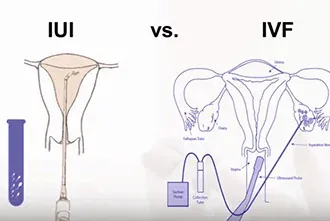
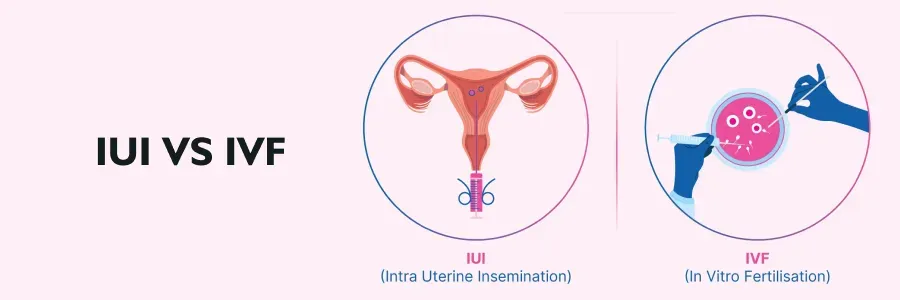
    Comparison of IUI and IVF treatments with diagrams of reproductive anatomy.

    Intrauterine Insemination vs In Vitro Fertilization: A Cultural Perspective

    From a cultural perspective, IVF may be viewed as a more “unnatural” way of conceiving. This is due to the fact that conception occurs outside of the woman’s body, and there is involvement of medical technology and procedures. This may be seen as going against traditional beliefs and practices in some cultures.

    However, IVF also offers a solution for couples who may have more complex fertility issues, such as blocked fallopian tubes or low sperm count. It also allows for genetic testing of embryos, which may be important for couples with a family history of genetic disorders. In this sense, IVF can be seen as a more practical and effective option for couples facing fertility challenges.

    Cultural Factors Influencing the Decision

    Apart from the cultural implications of each method, there are also other factors that may influence a couple’s decision on which treatment to pursue. One of these factors is cost. IVF is typically more expensive than IUI, which may make it a less feasible option for some couples. In addition, insurance coverage for fertility treatments may vary, which can also impact a couple’s decision.

    Another factor to consider is the success rates of each method. IVF has a higher success rate compared to IUI, especially for couples with more complex fertility issues. However, this also means that there is a higher chance of multiple pregnancies with IVF, which may not be desirable for some couples.

    Additionally, the emotional and physical toll of each method may also play a role in a couple’s decision. IVF involves more rigorous medical procedures and a longer treatment timeline, which can be emotionally and physically draining for some couples. On the other hand, IUI may be a less stressful and more accessible option for those who prefer a more natural approach.

    Summary

    In conclusion, the decision between IUI and IVF is a personal and complex one for couples struggling with infertility. While both methods have their own cultural implications, it is important for couples to consider their own beliefs and values, as well as practical factors such as cost and success rates. It is also crucial for couples to seek guidance from a medical professional and to have open and honest discussions with each other to make the best decision for their unique situation.

  • Facing Challenges: Intrauterine Insemination vs In Vitro Fertilization

    Facing Challenges: Intrauterine Insemination vs In Vitro Fertilization

    Starting a family is a dream for many couples, but for some, it may not come as easily as they had hoped. Infertility affects approximately 1 in 8 couples, and many turn to assisted reproductive technologies (ART) to help them conceive. Two of the most common ART procedures are Intrauterine Insemination (IUI) and In Vitro Fertilization (IVF). Both have their own set of benefits and challenges, and it’s important for couples to understand the differences between the two in order to make an informed decision about which treatment is best for them.

    Intrauterine Insemination, also known as artificial insemination, involves placing washed and concentrated sperm directly into the uterus using a thin catheter. This procedure is typically used when there are issues with the sperm, such as low sperm count or motility, or when the male partner has difficulty ejaculating. It can also be used for same-sex female couples or single women who choose to use donor sperm.

    On the other hand, In Vitro Fertilization involves retrieving eggs from the female partner’s ovaries and fertilizing them with sperm in a lab. The resulting embryos are then transferred back into the uterus. This procedure is more complex and is often used when there are issues with the female partner’s fallopian tubes or when other fertility treatments have been unsuccessful.

    One of the main differences between IUI and IVF is the level of intervention needed. IUI is a less invasive procedure, as it does not involve retrieving eggs or manipulating them in a lab. This also means that IUI is less expensive than IVF, making it a more accessible option for some couples. However, IVF has a higher success rate, mainly due to the fact that the fertilization process takes place in a controlled laboratory environment rather than in the body.

    illustration of a uterus with a syringe for intrauterine insemination (IUI) procedure

    Facing Challenges: Intrauterine Insemination vs In Vitro Fertilization

    Another factor to consider is the timing of the procedures. IUI is typically done around the time of ovulation, whereas IVF requires more precise timing and coordination with a woman’s menstrual cycle. This can be challenging for couples who have busy schedules or live in different locations, as they may need to travel to a fertility clinic multiple times during the IVF process.

    One of the biggest challenges couples face when considering IUI or IVF is the emotional toll it can take. Both procedures require a significant amount of time, money, and physical and emotional energy. There may also be feelings of disappointment and frustration if the procedures are unsuccessful. It’s important for couples to have a strong support system and to communicate openly with each other about their feelings and expectations.

    In addition to the challenges of the procedures themselves, there are also ethical considerations that couples must take into account. With IUI, there is the potential for multiple sperm donors to be used, which raises questions about the child’s genetic background and the possibility of half-siblings. With IVF, couples may have to make decisions about what to do with any remaining embryos, which can be a difficult and emotional process.

    Despite the challenges, both IUI and IVF have helped countless couples achieve their dream of starting a family. It’s important for couples to carefully weigh their options and consult with a fertility specialist to determine which procedure is the best fit for their individual circumstances.

    In summary, facing the challenges of infertility can be a difficult and emotional journey for couples. Intrauterine Insemination and In Vitro Fertilization are two common ART procedures that can help couples conceive. While IUI is a less invasive and more affordable option, IVF has a higher success rate. Both procedures have their own set of challenges, and it’s important for couples to carefully consider their options and seek support throughout the process.

  • The Impact of Traditional and Gestational Surrogacy on the Surrogate’s Family

    Traditional and Gestational Surrogacy: The Effects on the Surrogate’s Family

    Surrogacy has become a popular option for couples and individuals who are unable to have a child on their own. There are two main types of surrogacy: traditional and gestational. Traditional surrogacy involves the surrogate using her own eggs to carry the baby, while gestational surrogacy involves the use of the intended parents’ or a donor’s eggs. While surrogacy can bring joy and fulfillment to intended parents, it also has a significant impact on the surrogate’s family. In this blog post, we will explore the effects of traditional and gestational surrogacy on the surrogate’s family and the challenges they may face.

    The Emotional Toll on the Surrogate’s Family

    The decision to become a surrogate is not one that is made lightly. It requires a great deal of selflessness and sacrifice, not only from the surrogate but also from her family. The surrogate’s spouse and children may have mixed emotions about her decision to carry a child for someone else. They may feel proud of her for helping someone in need, but they may also have concerns and fears about the physical and emotional toll that surrogacy can take.

    For the surrogate’s spouse, there may be feelings of jealousy or insecurity as they watch their partner carry a child that is not biologically theirs. They may also worry about the potential risks and complications that could arise during the pregnancy. In addition, the surrogate’s spouse may have to take on more responsibilities at home while she is carrying the baby, which can add strain to the relationship.

    For the surrogate’s children, there may be confusion and questions about the unique situation. They may struggle with understanding why their mother is carrying a baby for someone else, and they may feel left out or jealous of the attention she is giving to the pregnancy. It is essential for the surrogate to have open and honest communication with her children, explaining to them the reasons behind her decision and addressing any concerns they may have.

    The Physical Demands on the Surrogate’s Family

    Surrogacy is a physically demanding process, and it can take a toll on the surrogate’s family. During the pregnancy, the surrogate may experience physical discomfort, mood swings, and other side effects that can impact her daily life and her relationships with her family members. She may also have to attend frequent doctor’s appointments and follow strict guidelines to ensure the health and safety of the baby. This can be challenging for the surrogate’s family, as they may have to adjust their schedules and routines to accommodate her needs.

    In addition, if the surrogate has other children, she may have to explain to them why she cannot participate in certain activities or why she needs to rest more often. This can be difficult for young children to understand and may lead to feelings of resentment or confusion. It is crucial for the surrogate’s family to have a strong support system in place to help them navigate these challenges.

    test tube with sperm in blue liquid, promoting IUI success rate and factors influencing fertility.

    The Impact of Traditional and Gestational Surrogacy on the Surrogate's Family

    The Financial Impact on the Surrogate’s Family

    Becoming a surrogate is a significant commitment, both emotionally and financially. The surrogate’s family may feel the financial strain of her decision, especially if she is unable to work due to the pregnancy or if there are complications that require additional medical expenses. In some cases, the surrogate’s spouse may have to take on extra work or the family may have to make sacrifices to cover the costs associated with surrogacy.

    Furthermore, the financial aspect of surrogacy may also create tension within the surrogate’s family. There may be disagreements about how the compensation should be used or concerns about the surrogate being taken advantage of by the intended parents. Open and honest communication about financial matters is crucial for maintaining a healthy dynamic within the surrogate’s family.

    The Bonding Process and Post-Birth Challenges

    One of the most challenging aspects of surrogacy for the surrogate’s family is the bonding process. During the pregnancy, the surrogate may develop a bond with the baby she is carrying, which can be difficult for her family to witness. They may feel a sense of detachment from the pregnancy and the baby, which can cause feelings of guilt and sadness.

    Once the baby is born, there may be additional challenges for the surrogate’s family. While they may have formed a bond with the baby during the pregnancy, they may struggle with letting go and separating themselves emotionally from the child. This is especially true for the surrogate’s children, who may have developed a strong connection with their mother’s pregnancy. It is essential for the surrogate’s family to have support and guidance during this transition period to help them navigate their emotions and adjust to the new dynamic.

    In Conclusion

    Surrogacy can have a profound impact on the surrogate’s family, both during and after the pregnancy. The emotional toll, physical demands, financial impact, and bonding process can create challenges and strain within the family unit. It is crucial for the surrogate and her family to have open and honest communication, strong support systems, and a deep understanding of the surrogacy process to navigate these challenges successfully.

    In summary, traditional and gestational surrogacy can have a significant impact on the surrogate’s family, from emotional and physical tolls to financial strain and challenges with the bonding process. It is essential for the surrogate and her family to have a strong support system and open communication to navigate these challenges successfully.

  • The Unique Challenges of Single Motherhood vs Traditional Family Planning

    Blog Post:

    Single motherhood and traditional family planning are two very different paths to parenthood. While both have their own sets of challenges, there are some unique challenges that single mothers face that are not experienced by those in traditional families. In this blog post, we will explore the unique challenges of single motherhood versus traditional family planning and how these challenges can impact the lives of single mothers and their children.

    One of the most significant challenges faced by single mothers is the lack of a partner’s support. Traditional family planning involves two parents working together to raise a child, whereas single mothers have to handle everything on their own. This includes financial responsibilities, decision-making, and emotional support for their children. Raising a child as a single mother can be overwhelming and emotionally draining, especially if there is no support system in place.

    Financial stability is another major challenge faced by single mothers. Traditional families often have two incomes to rely on, making it easier to provide for their children. However, single mothers often have to juggle multiple jobs to make ends meet, which can lead to exhaustion and stress. The lack of financial stability can also have a direct impact on the child, as they may not have access to the same resources and opportunities as children from traditional families.

    Another unique challenge of single motherhood is the societal stigma attached to it. Single mothers are often judged and viewed negatively by society, which can lead to feelings of shame and isolation. This stigma can also make it challenging for single mothers to find support and resources that are vital for their well-being and that of their children. It can also affect their children’s self-esteem and their relationships with their peers.

    The emotional toll of single motherhood is another significant challenge. Single mothers not only have to deal with their own emotions but also those of their children. Children of single mothers may struggle with feelings of abandonment, anger, and confusion, which can be difficult for single mothers to navigate. Single mothers also have to manage their own feelings of guilt and loneliness, as they may feel like they are not doing enough for their children.

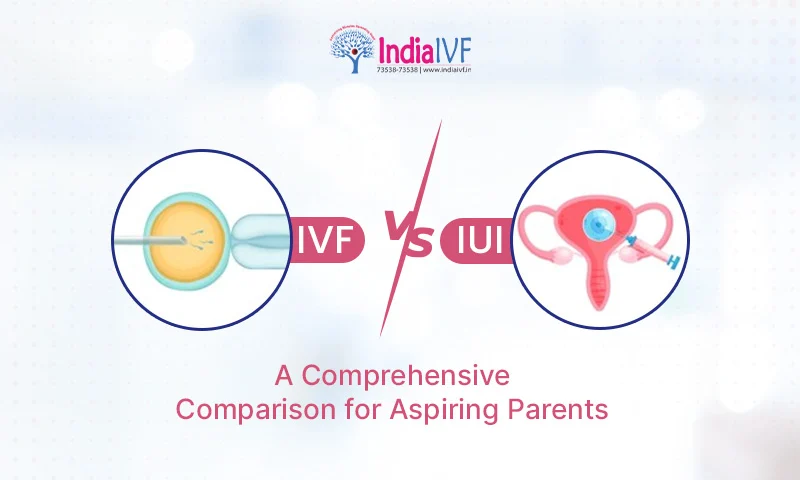
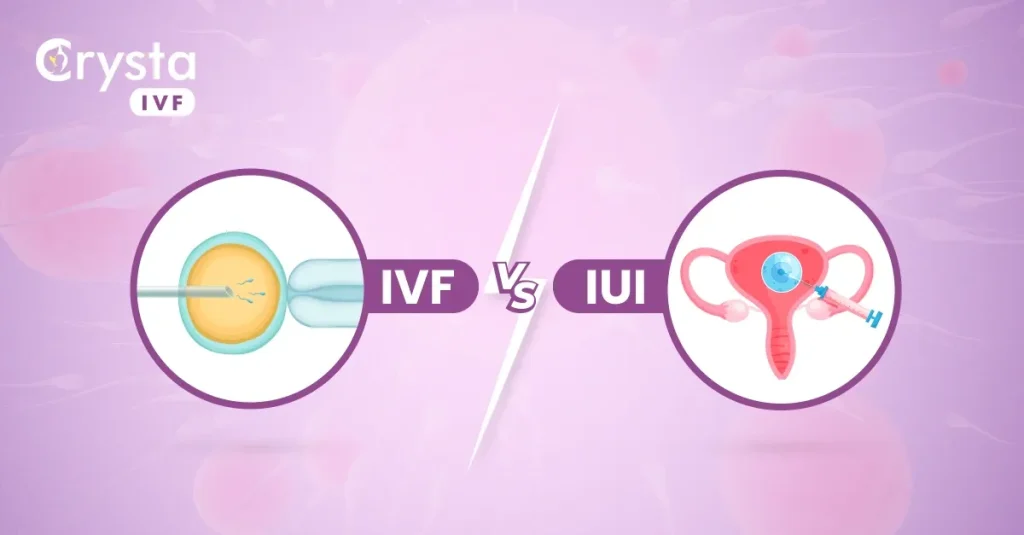
    IVF vs IUI comparison graphic highlighting reproductive methods for aspiring parents.

    The Unique Challenges of Single Motherhood vs Traditional Family Planning

    One of the unique challenges of traditional family planning is the pressure to conform to societal norms. In traditional families, there is an expectation to follow a certain path in life, which often includes getting married and having children. This pressure can make it challenging for couples who may not be ready or willing to have children. It can also lead to couples feeling inadequate or judged if they are unable to conceive or choose not to have children.

    Traditional family planning also comes with the challenge of balancing work and family life. In today’s society, both parents are often working, which can make it challenging to find a balance between work and family responsibilities. This can result in parents feeling burnt out and not spending enough quality time with their children, leading to feelings of guilt and regret.

    One of the most significant challenges faced by traditional families is the impact of divorce or separation. When a traditional family breaks apart, it can have a significant impact on the children involved. They may struggle with feelings of loss and confusion, and the family dynamic may change drastically. This can also be a challenging time for the parents, as they have to navigate co-parenting and adjusting to life as a single parent.

    In conclusion, single motherhood and traditional family planning both come with their own unique challenges. Single mothers face the lack of support and financial stability, as well as societal stigma and emotional toll. On the other hand, traditional families may struggle with the pressure to conform to societal norms, balancing work and family life, and the impact of divorce or separation. It is essential to recognize and understand these challenges to provide support and resources for both single mothers and traditional families.

    Summary:

    Single motherhood and traditional family planning are two different paths to parenthood with their own sets of challenges. While traditional families have the support of two parents, single mothers have to handle everything on their own. Financial stability, societal stigma, emotional toll, pressure to conform, and balancing work and family life are some of the unique challenges faced by single mothers and traditional families. Understanding and recognizing these challenges are crucial to providing support and resources for both single mothers and traditional families.

  • The Emotional Toll of Fertility: How to Cope with DIY Treatments

    Blog Post:

    Fertility struggles can be emotionally draining, leaving couples feeling isolated, hopeless, and overwhelmed. While there are various medical treatments available, they can be costly and not always successful. This has led many couples to turn to DIY treatments, which can also come with their own set of emotional challenges. In this blog post, we will explore the emotional toll of fertility and provide tips on how to cope with DIY treatments.

    The Emotional Impact of Fertility Struggles

    The desire to have a child is a natural and instinctive one for many couples. When faced with fertility struggles, it can be a devastating blow to their dreams of starting a family. The constant disappointment and uncertainty can take a toll on a couple’s mental health and relationship. Many couples may experience feelings of guilt, inadequacy, and shame, as if they are failing at something that should come naturally.

    Moreover, the fertility journey often involves invasive and uncomfortable procedures, which can lead to physical and emotional discomfort. The hormonal treatments and medications can also cause mood swings, making it challenging to cope with daily life and relationships. The emotional impact of fertility struggles can be overwhelming and can affect many aspects of a couple’s life.

    Turning to DIY Treatments

    Due to the high costs and limited success rates of medical treatments, many couples are turning to DIY treatments as an alternative. DIY treatments include at-home insemination, tracking ovulation, and using fertility supplements and herbs. While these treatments may seem more affordable and accessible, they come with their own emotional challenges.

    One of the biggest emotional challenges of DIY treatments is the lack of medical supervision. Without a doctor’s guidance, couples may feel anxious and uncertain about the effectiveness and safety of the treatments. This can lead to increased stress and anxiety, which can further impact their mental health.

    Moreover, DIY treatments may not always be successful, leading to disappointment and feelings of failure. Unlike medical treatments, where a doctor can provide support and guidance, couples may feel alone and without resources when their DIY treatments fail. This can take a toll on their emotional well-being and cause strain on their relationship.

    Coping with DIY Treatments

    While DIY treatments may come with their own set of emotional challenges, there are ways to cope and manage the emotional toll of fertility struggles. Here are some tips to help you navigate the emotional journey of DIY treatments:

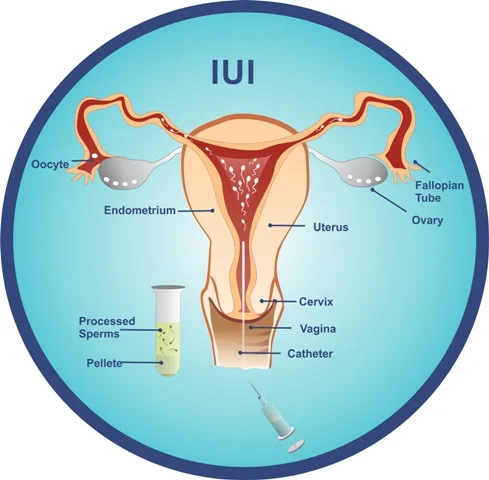
    diagram illustrating intrauterine insemination (IUI) with labeled reproductive anatomy and procedures

    The Emotional Toll of Fertility: How to Cope with DIY Treatments

    1. Seek Support

    One of the most important things you can do when facing fertility struggles is to seek support. This can be from friends and family, a support group, or a therapist. It is essential to have a safe space to share your feelings and concerns without judgment. Talking to others who have gone through similar experiences can also be incredibly helpful in feeling less alone.

    2. Educate Yourself

    With DIY treatments, it is crucial to educate yourself and gather as much information as possible. This can help ease some of the anxiety and uncertainty that comes with these treatments. However, it is essential to be cautious about the information you find online and to consult with a medical professional before trying any DIY treatments.

    3. Practice Self-Care

    The emotional toll of fertility struggles can be exhausting, and it is essential to take care of yourself. Engage in activities that bring you joy and relaxation, such as yoga, meditation, or spending time in nature. Make sure to also prioritize your physical health by getting enough sleep, eating well, and exercising regularly.

    4. Communicate with Your Partner

    Fertility struggles can put a strain on even the strongest of relationships. It is crucial to communicate openly and honestly with your partner about your feelings and concerns. Together, you can support each other through the emotional journey and find ways to cope with the challenges.

    5. Consider Professional Help

    If you find that the emotional toll of fertility struggles is overwhelming and affecting your daily life, it may be beneficial to seek professional help. A therapist or counselor can provide you with tools and techniques to manage your emotions and cope with the stress of fertility struggles.

    Summary:

    Fertility struggles can take a toll on a couple’s emotional well-being, leading to feelings of isolation, hopelessness, and stress. DIY treatments, while more affordable and accessible, can also come with their own set of emotional challenges. To cope with the emotional toll of DIY treatments, it is crucial to seek support, educate yourself, practice self-care, communicate with your partner, and consider professional help if needed.

  • The Truth About IVF: Is it Worth the Cost?

    The Truth About IVF: Is it Worth the Cost?

    In vitro fertilization (IVF) is a medical procedure that has been a source of hope for many couples struggling with infertility. It involves extracting eggs from a woman’s ovaries and fertilizing them with sperm in a laboratory before transferring the resulting embryos into the woman’s uterus. IVF has been around since the late 1970s and has helped many couples achieve their dream of having a child. However, it is not without controversy and a hefty price tag. In this blog post, we will explore the truth about IVF and whether it is truly worth the cost.

    The Cost of IVF

    The most significant aspect of IVF that often gives couples pause is the cost. The average cost of a single IVF cycle in the United States is around $12,000, and many couples end up spending much more due to additional procedures or multiple cycles. The high cost of IVF is due to the numerous medical procedures involved, including hormone injections, egg retrieval, fertilization, and embryo transfer. Insurance coverage for IVF also varies greatly, with many plans not covering the procedure at all. This leaves many couples to foot the entire bill themselves, adding to the financial burden.

    The Emotional Toll of IVF

    Aside from the financial aspect, IVF can also take an emotional toll on couples. The process of fertility treatments can be physically and emotionally exhausting, with frequent doctor’s appointments, hormone injections, and uncertainty about the outcome. For many couples, the constant cycle of hope and disappointment can take a toll on their mental health and strain their relationship. It is essential to consider the emotional impact of IVF before deciding to undergo the procedure.

    The Success Rates of IVF

    One of the most critical factors to consider when deciding if IVF is worth the cost is its success rates. The success rates of IVF vary depending on several factors, including age, underlying medical conditions, and the quality of the embryos. According to the Centers for Disease Control and Prevention (CDC), the success rate of IVF for women under 35 is around 40%, while it drops to 4% for women over 42. This means that for many couples, multiple cycles of IVF may be necessary to achieve a successful pregnancy, significantly increasing the overall cost.

    Comparison of IUI and IVF with illustrations of each procedure.

    The Truth About IVF: Is it Worth the Cost?

    The Potential Risks and Side Effects of IVF

    Like any medical procedure, IVF comes with potential risks and side effects that couples need to consider. Some of the most common side effects include bloating, cramping, and mood swings from hormone injections. More severe risks include ovarian hyperstimulation syndrome, which can cause abdominal pain, nausea, and shortness of breath. Additionally, there is a small risk of multiple pregnancies, which can lead to complications for both the mother and the babies. It is crucial to discuss these risks with a doctor and weigh them against the potential benefits of IVF.

    Alternative Options for Infertility

    While IVF may be the most well-known fertility treatment, it is not the only option for couples struggling with infertility. Other procedures, such as intrauterine insemination (IUI) and fertility drugs, may be less expensive and less invasive alternatives. Additionally, some couples may choose to explore adoption or surrogacy instead of pursuing IVF. It is essential to consider all available options and consult with a fertility specialist to determine the best course of action.

    The Emotional and Financial Rewards of IVF Success

    Despite the high cost and potential risks, IVF has also brought immense joy and happiness to many couples. For those who have struggled with infertility for years, the successful outcome of an IVF cycle can be life-changing. The joy of finally becoming parents and holding their child in their arms often outweighs the financial and emotional toll of the process. For many, the end result of IVF is more than worth the cost.

    So, is IVF worth the cost?

    The truth about IVF is that it is a highly personal decision that each couple must make for themselves. While it can be a costly and emotionally taxing process, it has also brought happiness and fulfillment to many families. The success rates and potential risks must be carefully considered, as well as alternative options for infertility. Ultimately, the decision to undergo IVF should be based on each couple’s personal circumstances and desires.

    In summary, IVF is a medical procedure that can be a source of hope for couples struggling with infertility. However, it comes with a high cost, emotional toll, and potential risks. The success rates and alternative options should be carefully considered before making a decision. Ultimately, the rewards of IVF success may make it worth the cost for some couples, while others may choose alternative paths to parenthood.

  • From Hope to Heartache: Coping with Failed Attempts at Artificial Insemination and IVF

    Blog Post Title: From Hope to Heartache: Coping with Failed Attempts at Artificial Insemination and IVF

    Introduction:
    Infertility is a challenging and emotional journey for many couples. The desire to have a child and start a family is a natural and common one, but for some, it can be a difficult path to navigate. In recent years, advancements in medical technology have provided options for couples struggling with fertility, such as artificial insemination and in vitro fertilization (IVF). While these techniques have helped many couples achieve their dream of parenthood, they do not always result in success. In this blog post, we will explore the emotional rollercoaster of going through failed attempts at artificial insemination and IVF and provide coping strategies for those experiencing this heartache.

    Understanding Artificial Insemination and IVF:
    Artificial insemination involves the placement of sperm directly into a woman’s uterus to increase the chances of fertilization. This is commonly used for couples struggling with male infertility issues. IVF, on the other hand, is a more complex process that involves the retrieval of eggs from a woman’s ovaries, fertilizing them with sperm in a laboratory, and then transferring the embryo(s) into the woman’s uterus. Both of these techniques have a high success rate, but they are not always successful on the first attempt.

    The Emotional Toll of Failed Attempts:
    For couples going through artificial insemination or IVF, each attempt brings a renewed sense of hope and excitement. They eagerly anticipate the positive pregnancy test and the possibility of finally starting a family. However, when the results come back negative, it can be devastating. The emotional toll of failed attempts can be overwhelming, and it is important to acknowledge and address these feelings.

    Feelings of Inadequacy and Self-Blame:
    One of the most common emotions experienced by couples going through failed attempts at artificial insemination or IVF is a feeling of inadequacy. They may start to question their bodies and feel like they are not capable of conceiving a child. This can lead to feelings of guilt and self-blame, even though infertility is often out of their control. It is essential to remind yourself that infertility is a medical condition and not a personal failure.

    Grief and Loss:
    The journey of infertility often involves multiple losses. Each failed attempt brings a sense of loss and grief for the dream of starting a family. This can be compounded by the pressure and expectations from friends and family, which can make the grief even more difficult to cope with. It is essential to allow yourself to grieve and seek support from your partner, friends, or a therapist to process these emotions.

    Financial Burden:
    The emotional toll of failed attempts at artificial insemination and IVF is not the only challenge that couples face. These procedures can also come with a significant financial burden. The cost of fertility treatments can add up quickly, and each failed attempt means more money spent with no guarantee of success. This financial strain can add to the stress and anxiety of the already emotionally taxing journey.

    Comparison of IVF and IUI procedures with illustrations of each method.

    From Hope to Heartache: Coping with Failed Attempts at Artificial Insemination and IVF

    Coping Strategies:
    Going through failed attempts at artificial insemination and IVF can be a challenging and emotionally draining experience. However, there are some coping strategies that can help couples navigate this difficult time.

    1. Seek Support:
    It is crucial to have a support system in place during this journey. Lean on your partner, family, and friends for emotional support. You can also consider joining a support group for couples going through similar experiences. Talking to others who understand what you are going through can be incredibly helpful.

    2. Take Care of Yourself:
    The emotional toll of failed attempts can also take a physical toll on your body. It is essential to prioritize self-care during this time. Make sure to get enough rest, eat well, and engage in activities that bring you joy and relaxation.

    3. Consider Therapy:
    Seeking support from a therapist can be beneficial in coping with the emotional toll of failed attempts. A therapist can provide a safe space for you to process your emotions and develop coping strategies to navigate this challenging time.

    4. Have a Plan B:
    While it is essential to remain hopeful, it is also helpful to have a backup plan. Discuss with your partner other options for starting a family, such as adoption or surrogacy. Having a plan B can provide a sense of control and reduce the feelings of hopelessness.

    5. Take a Break:
    Going through multiple failed attempts can be draining both emotionally and physically. It is okay to take a break and give yourself time to heal before trying again. This break can also give you time to focus on other aspects of your life and recharge.

    Conclusion:
    Going through failed attempts at artificial insemination and IVF can be a difficult and heartbreaking experience for couples struggling with infertility. It is essential to acknowledge and process the emotions that come with these failed attempts and seek support from loved ones and professionals. Remember to take care of yourself and have a backup plan in place. With perseverance and support, you can navigate this journey and find hope and happiness in whatever path to parenthood you choose.

    Summary:
    Infertility is a challenging journey for many couples, and failed attempts at artificial insemination and IVF can be emotionally draining. Techniques like artificial insemination and IVF offer hope for couples struggling with fertility, but they do not always result in success. The emotional toll of failed attempts can lead to feelings of inadequacy, self-blame, grief, and financial strain. Coping strategies such as seeking support, taking care of yourself, considering therapy, having a backup plan, and taking breaks can help couples navigate this difficult time. With perseverance and support, couples can find hope and happiness in whatever path to parenthood they choose.