Breaking Down the Numbers: Comparing Success Rates of At-Home Insemination
In recent years, there has been a rise in the popularity of at-home insemination as an alternative method for achieving pregnancy. This method involves using a donor sperm and performing the insemination process at home, instead of in a clinical setting. While this method may seem more convenient and cost-effective, many people question its success rate compared to traditional clinical insemination. In this blog post, we will break down the numbers and compare the success rates of at-home insemination to other methods of achieving pregnancy.
Understanding At-Home Insemination
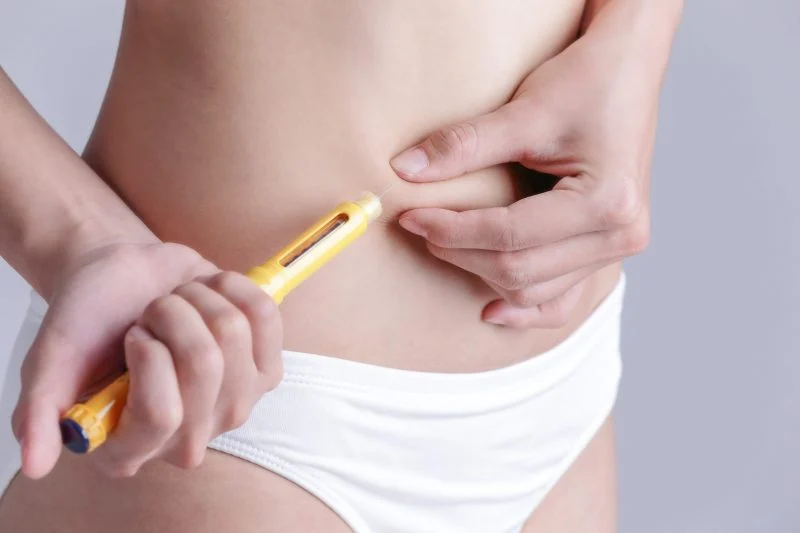
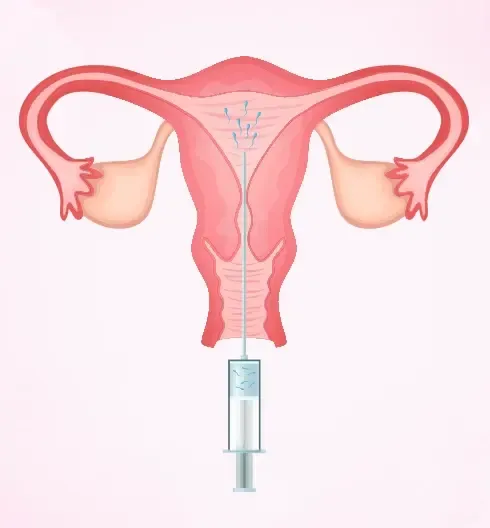
At-home insemination involves the use of a donor sperm, which can be purchased from a sperm bank or obtained from a known donor. The process involves collecting the sperm in a sterile cup, and then using a syringe or cervical cap to insert it into the vagina near the cervix. This method is often used by same-sex female couples, single individuals, or heterosexual couples struggling with male infertility. It can be done at home without the need for medical professionals, making it a more private and affordable option.
Success Rates of At-Home Insemination
The success rates of at-home insemination can vary depending on various factors, including the individual’s age, overall health, and fertility issues. According to a study published in the Journal of Assisted Reproduction and Genetics, at-home insemination has a success rate of around 10-15% per cycle. This means that out of 100 couples attempting at-home insemination, only 10-15 will achieve pregnancy in their first cycle. However, this success rate can increase with multiple attempts and proper timing of ovulation.
Factors Affecting Success Rates
As mentioned earlier, there are several factors that can affect the success rate of at-home insemination. One of the most crucial factors is the age of the individual trying to conceive. Women over the age of 35 may have a lower success rate due to a decline in their fertility. Additionally, underlying health conditions, such as Polycystic Ovarian Syndrome (PCOS) or endometriosis, can also impact the chances of success. It is essential to consult with a doctor before attempting at-home insemination to rule out any potential fertility issues.
Comparison to Clinical Insemination
Breaking Down the Numbers: Comparing Success Rates of At-Home Insemination
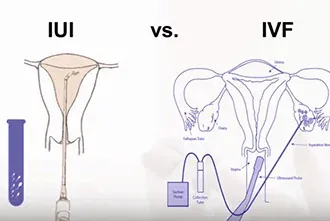
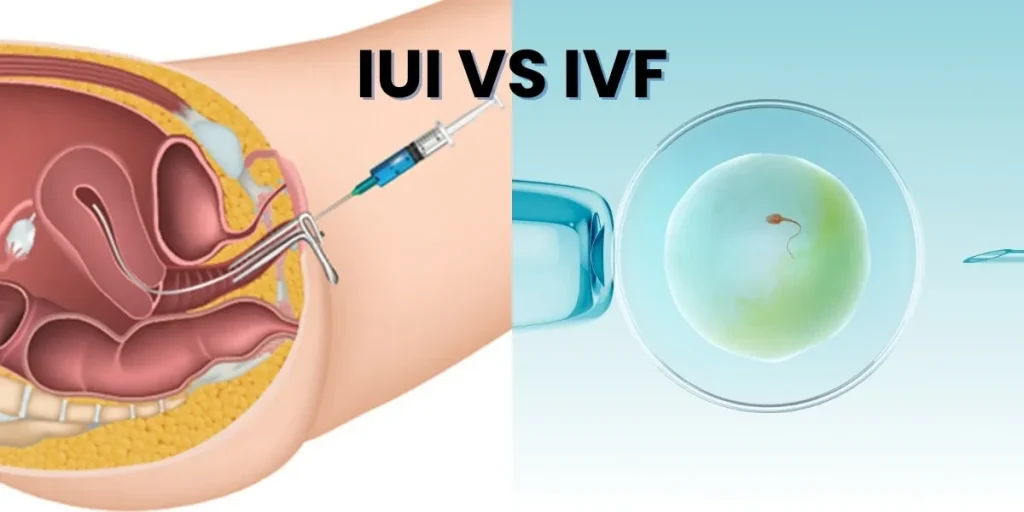
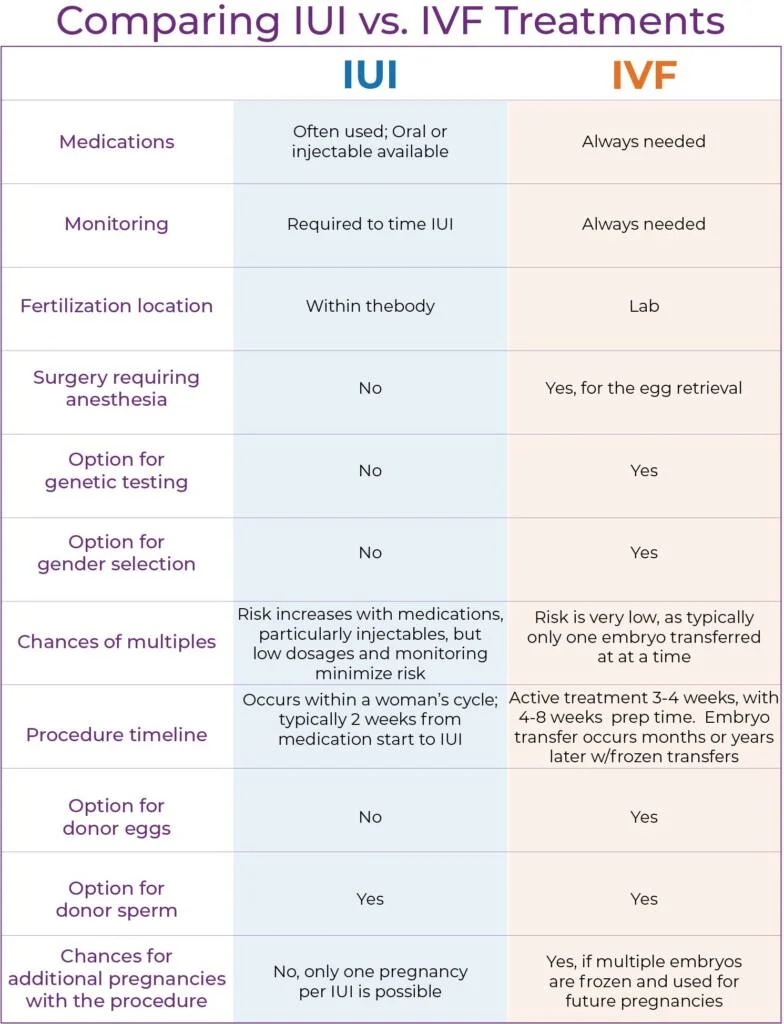
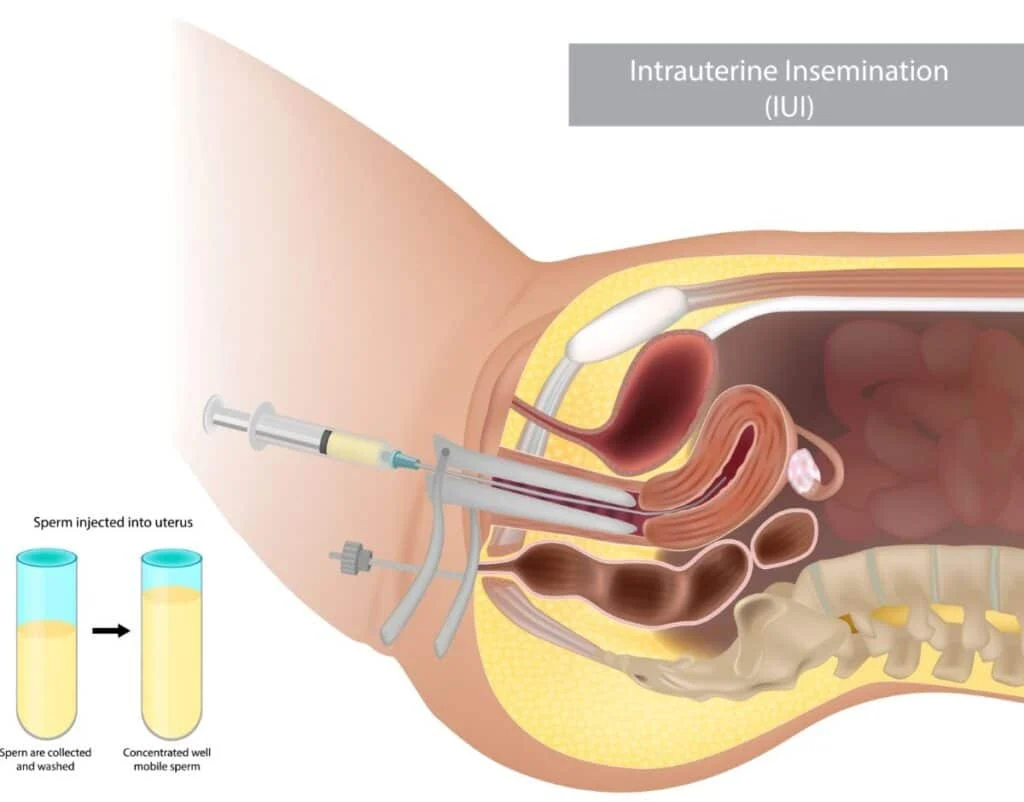
Clinical insemination, also known as intrauterine insemination (IUI), involves the insertion of sperm directly into the uterus. This method is typically done in a doctor’s office and is more expensive compared to at-home insemination. However, clinical insemination has a higher success rate of around 20% per cycle, according to the American Pregnancy Association. This is because the sperm is placed closer to the egg, increasing the chances of fertilization.
Factors Affecting Clinical Insemination Success Rates
Similar to at-home insemination, age and underlying health conditions can also affect the success rate of clinical insemination. However, one significant factor that can impact success is the quality of the sperm being used. Sperm quality can be affected by factors such as smoking, excessive alcohol consumption, and certain medications. It is essential to undergo a thorough evaluation of sperm quality before attempting clinical insemination.
In Vitro Fertilization (IVF) Success Rates
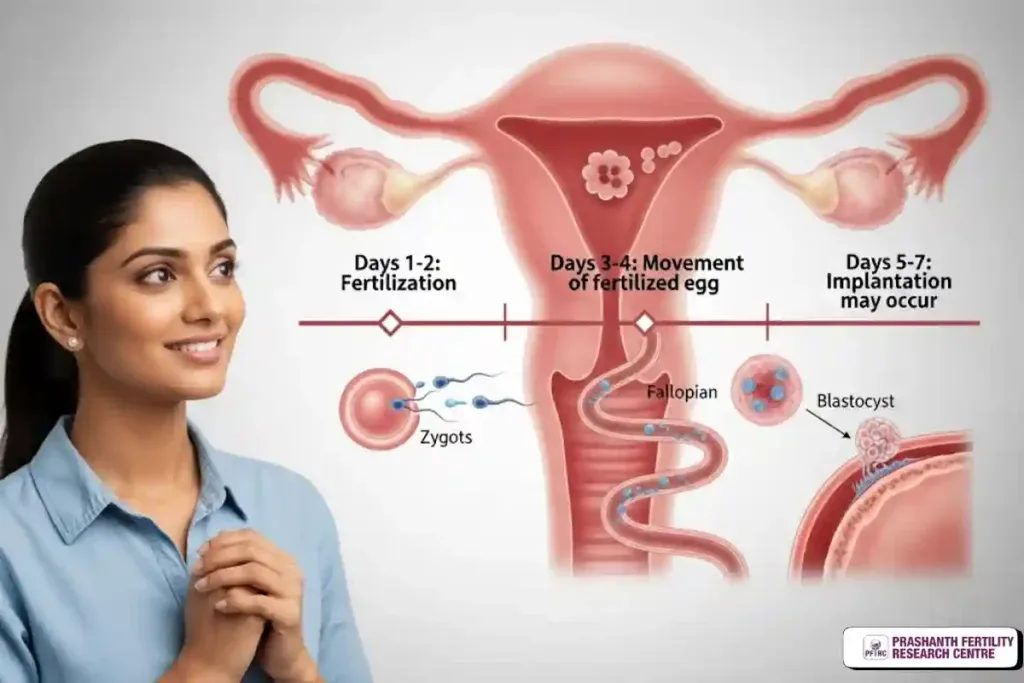
In vitro fertilization (IVF) is another option for individuals struggling with infertility. This method involves retrieving eggs from the ovaries and fertilizing them with sperm in a laboratory. The fertilized eggs are then transferred back into the uterus for implantation. The success rate of IVF varies depending on age, with younger individuals having a higher success rate. According to the Centers for Disease Control and Prevention (CDC), the average success rate for IVF is around 48% for women under 35.
Factors Affecting IVF Success Rates
Age, underlying health conditions, and the quality of sperm and eggs used can all impact the success rate of IVF. Additionally, the number of embryos transferred can also affect success rates. While transferring more embryos can increase the chances of success, it also increases the risk of multiple pregnancies, which can be dangerous for both the mother and the babies.
Conclusion
While at-home insemination may seem like a more convenient and affordable option, its success rate is lower than other methods such as clinical insemination and IVF. However, this does not mean that it is not a viable option for achieving pregnancy. It is essential to consult with a doctor and undergo proper fertility evaluations before attempting at-home insemination. Additionally, being aware of the factors that can affect success rates can help individuals make informed decisions about their fertility journey.
In summary, at-home insemination has a success rate of around 10-15% per cycle, which can vary depending on age, overall health, and underlying fertility issues. Clinical insemination has a higher success rate of around 20% per cycle, while IVF has an average success rate of 48% for women under 35. Factors such as age, underlying health conditions, and sperm and egg quality can all impact the success rates of these methods. Consulting with a doctor and undergoing proper evaluations can help individuals make the best decision for their unique fertility journey.