Intrauterine Insemination (IUI) and Donor Insemination (DI) are two common fertility treatments used to help couples conceive. While they both involve the insertion of sperm into a woman’s reproductive tract, the process and purpose of each are quite different. In this blog post, we will take a closer look at IUI vs DI, including their similarities, differences, and the process involved in each.
IUI, also known as artificial insemination, is a relatively simple and non-invasive procedure that is often used to treat infertility. It involves placing washed and concentrated sperm directly into the uterus, bypassing the cervix and increasing the chances of fertilization. The goal of IUI is to increase the number of sperm that reach the fallopian tubes and ultimately increase the chances of fertilization.
On the other hand, DI is a treatment option for couples who are unable to conceive due to male factor infertility or single women and same-sex female couples who want to have a child. In this process, donor sperm is used instead of the male partner’s sperm. The sperm is typically purchased from a sperm bank and then inserted into the woman’s reproductive tract through IUI or in some cases, through in vitro fertilization (IVF).
The first step in both IUI and DI is to undergo fertility testing to determine the cause of infertility and determine the best treatment plan. If IUI is recommended, the woman may be prescribed fertility medications to stimulate ovulation and increase the chances of conception. In DI, a donor will be chosen based on certain criteria, such as physical characteristics, medical history, and education.
Once the sperm is collected, it is washed and concentrated in a laboratory to remove any non-moving sperm and debris. This process also helps to increase the number of motile sperm, which are the most likely to fertilize an egg. The sperm is then inserted into the woman’s uterus using a thin catheter, which is inserted through the cervix. This process is painless and usually takes only a few minutes.
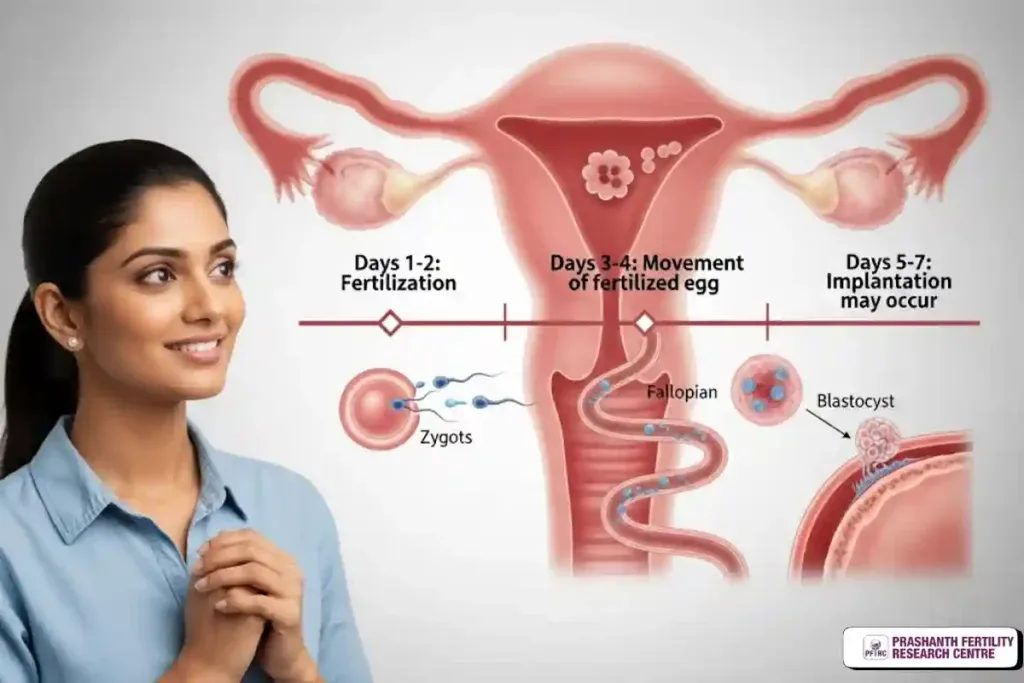
Intrauterine Insemination vs Donor Insemination: A Look at the Process
After the procedure, the woman may be advised to rest for a short period of time before resuming normal activities. She may also be prescribed progesterone supplements to support the uterine lining and increase the chances of implantation. Two weeks after the procedure, a pregnancy test will be taken to determine if the IUI or DI was successful.
While both IUI and DI are relatively simple procedures, there are a few key differences between the two. The most obvious difference is the source of the sperm. In IUI, the sperm comes from the male partner, while in DI it comes from a donor. Additionally, IUI is used to treat infertility, while DI is used for couples with male factor infertility or single women and same-sex female couples.
Another difference is the level of involvement from the male partner. In IUI, the male partner must provide a semen sample, which is then washed and prepared for insertion. In DI, the male partner does not need to be involved in the process, as the sperm is obtained from a donor. This can be beneficial for couples who may have difficulty producing a semen sample or for same-sex female couples.
The success rates of IUI and DI also differ. While the success rates vary depending on individual factors such as age and overall health, IUI has a success rate of about 10-20% per cycle. DI, on the other hand, has a slightly higher success rate of 15-25% per cycle. However, multiple cycles may be needed for both treatments to be successful.
In summary, IUI and DI are two fertility treatments that involve the insertion of sperm into a woman’s reproductive tract. While IUI is used to treat infertility and involves the male partner’s sperm, DI is primarily used for couples with male factor infertility or single women and same-sex female couples and uses donor sperm. The process for both treatments is similar, with slight differences in the source of sperm and the level of involvement from the male partner. Success rates also vary between the two treatments.
In conclusion, IUI and DI offer hope to couples and individuals struggling with infertility. By understanding the process and differences between these fertility treatments, individuals and couples can make an informed decision about which option is best for them.