Technology has had a profound impact on many aspects of our lives, including the way we conceive and have children. In recent years, there has been a rise in alternative methods of conception, such as Intrauterine Insemination (IUI) and Donor Insemination (DI). These techniques have been made possible through advancements in technology and have provided new options for individuals and couples who are struggling with fertility issues. In this blog post, we will discuss the role of technology in these two methods of conception and explore the differences between IUI and DI.
Intrauterine Insemination, also known as artificial insemination, is a fertility treatment that involves placing sperm directly into a woman’s uterus. This procedure is typically performed when a couple is unable to conceive due to issues such as low sperm count, ovulation problems, or unexplained infertility. IUI is a less invasive and less expensive option compared to other fertility treatments, such as in vitro fertilization (IVF).
One of the key technologies involved in IUI is the use of sperm washing. Sperm washing is a process that separates healthy sperm from other components in semen, such as dead sperm, mucus, and bacteria. This ensures that only the most viable sperm is used for insemination, increasing the chances of conception. This technology has greatly improved the success rates of IUI and has made it a more appealing option for couples who are trying to conceive.
Another important technology in IUI is ultrasound imaging. Ultrasound is used to monitor the growth and development of follicles, which are fluid-filled sacs in the ovaries that contain eggs. This allows doctors to determine the best time for insemination, increasing the chances of a successful pregnancy. Ultrasound imaging has also made it possible to detect any abnormalities in the reproductive organs, which can affect fertility.
In contrast, Donor Insemination involves using donated sperm to inseminate a woman. This method is often used by single women or same-sex couples who want to have a child. Donated sperm can come from known or anonymous donors, and it is typically obtained from sperm banks.
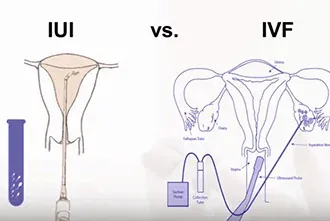
The Role of Technology: IUI vs DI
The use of technology in DI is similar to that of IUI, with the addition of genetic testing. Before being used for insemination, donated sperm is screened for genetic disorders and sexually transmitted infections to ensure the health of the child and the recipient. This technology has greatly reduced the risk of passing on hereditary diseases and has made DI a safer option for individuals and couples.
One of the main differences between IUI and DI is the level of involvement of the male partner. In IUI, the male partner provides the sperm, while in DI, the sperm is obtained from a donor. This can have a significant impact on the emotional and psychological aspects of the conception process. In IUI, the male partner is more directly involved in the creation of the child, while in DI, the sperm donor remains anonymous and may have no involvement in the child’s life. This can lead to different dynamics within the family structure and should be carefully considered by couples when choosing between IUI and DI.
Moreover, the success rates of IUI and DI can also differ due to various factors, including the age and fertility of the recipient, the quality of the sperm, and the timing of the insemination. Generally, success rates for both methods range from 10-20% per cycle, with DI having slightly higher success rates due to the use of donor sperm.
In conclusion, technology has played a significant role in the advancements of fertility treatments, particularly in the methods of IUI and DI. These techniques have provided new options for individuals and couples struggling with infertility, and have greatly improved the chances of conceiving a child. However, it is important to carefully consider the emotional and psychological aspects of these methods, as well as the success rates, before making a decision. Consulting with a fertility specialist can help couples determine which method is best suited for their individual situation.
Summary: Technology has greatly impacted the methods of conception, specifically Intrauterine Insemination (IUI) and Donor Insemination (DI). These methods have been made possible through advancements in technology, such as sperm washing and ultrasound imaging. While both methods have similar technologies involved, the main difference lies in the level of involvement of the male partner and the use of genetic testing in DI. It is important to carefully consider the emotional and psychological aspects, as well as the success rates, before choosing between IUI and DI.