Exploring the Differences: At-Home vs Clinical Insemination Success Rates
Insemination is a popular method of assisted reproductive technology that is used by couples and individuals who are struggling to conceive. It involves the placement of sperm into the reproductive tract in order to increase the chances of fertilization. While traditionally performed in a clinical setting, insemination can also be done at home using a variety of methods. But what are the differences in success rates between at-home and clinical insemination? In this blog post, we will explore the various factors that can affect the success rates of at-home and clinical insemination.
At-Home Insemination Success Rates
At-home insemination, also known as self-insemination, is a method of insemination that can be done by individuals or couples in the comfort of their own home. It typically involves the use of a syringe to insert the sperm into the vagina or the use of a soft cup to keep the sperm near the cervix. This method is often chosen by those who prefer a more intimate and private setting for the insemination process.
One of the main factors that can affect the success rates of at-home insemination is the timing of the procedure. Sperm can survive in the female reproductive tract for up to 5 days, which means that insemination should ideally be done around the time of ovulation. However, it can be difficult to accurately predict ovulation, especially for those with irregular menstrual cycles. This can result in a lower success rate for at-home insemination.
Another factor that can impact the success rates of at-home insemination is the quality of the sperm. While sperm can be purchased from sperm banks, there is a lack of regulation and quality control compared to clinical settings. This means that the sperm used for at-home insemination may not be of the same quality as those used in clinical settings, which can affect the chances of fertilization.
Clinical Insemination Success Rates
Clinical insemination, also known as intrauterine insemination (IUI), is a procedure that is performed in a medical setting, typically a fertility clinic. During this procedure, specially prepared sperm is directly inserted into the uterus using a catheter. This method of insemination is often recommended for couples or individuals who have been trying to conceive for a certain period of time without success, or for those who have fertility issues.
One of the main advantages of clinical insemination is the ability to control and monitor the timing of the procedure. Fertility specialists can perform ultrasounds and blood tests to determine the most optimal time for insemination, increasing the chances of success. In addition, the quality of the sperm used in clinical settings is closely monitored and regulated, ensuring a higher success rate.
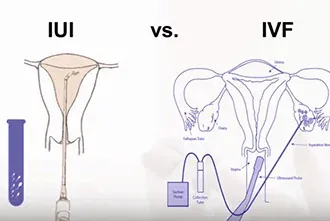
Exploring the Differences: At-Home vs Clinical Insemination Success Rates
Another factor that can contribute to the success rates of clinical insemination is the use of fertility medications. These medications can help stimulate ovulation and increase the chances of fertilization. This is especially beneficial for those who have irregular ovulation or other fertility issues.
Key Differences and Considerations
While both at-home and clinical insemination have their own set of benefits and drawbacks, there are some key differences and considerations to keep in mind when exploring the success rates of each method.
Firstly, it is important to note that success rates for both methods can vary greatly depending on individual factors such as age, overall health, and fertility issues. It is always advisable to consult with a fertility specialist to determine the best course of action for each individual case.
Secondly, at-home insemination may be a more affordable option for those who cannot afford the costs of clinical insemination. However, it is important to keep in mind that the success rates may not be as high as clinical insemination, and multiple attempts may be needed.
Lastly, it is important to consider the psychological and emotional impact of both at-home and clinical insemination. At-home insemination may provide a more intimate and private experience, while clinical insemination may feel more clinical and impersonal. It is important to choose the method that feels most comfortable for the individual or couple.
In conclusion, while both at-home and clinical insemination can be effective methods of assisted reproductive technology, there are several factors that can affect the success rates of each method. It is important to take into consideration individual factors, as well as the quality and timing of the procedure, in order to determine the best course of action for achieving successful conception.
Summary:
Insemination is a popular method of assisted reproductive technology used by couples and individuals struggling to conceive. While traditionally performed in a clinical setting, it can also be done at home. Factors such as timing and sperm quality can affect the success rates of at-home insemination, while clinical insemination offers more control and monitored timing, as well as higher quality sperm. The success rates of both methods can vary greatly depending on individual factors and it is important to consider the psychological and emotional impact as well.