Blog post:
Intrauterine insemination (IUI) and donor insemination (DI) are two common fertility treatments that can help couples or individuals conceive a child. While both procedures involve the insertion of sperm into the uterus, there are significant differences between them. In this blog post, we will discuss the key differences between IUI and DI, what to expect during each procedure, and the potential success rates and risks associated with them.
Intrauterine Insemination (IUI):
IUI, also known as artificial insemination, is a fertility treatment that involves placing washed and concentrated sperm directly into the uterus. Before the procedure, the sperm is prepared in a lab to remove any impurities and increase its concentration, making it more likely to reach and fertilize the egg.
What to Expect:
IUI is a relatively simple and painless procedure that can be done in a doctor’s office. The timing of the procedure is crucial, as it needs to be done around the time of ovulation. Your doctor may recommend using fertility drugs to stimulate ovulation or track your menstrual cycle to determine the best time for the procedure.
During the procedure, a speculum is inserted into the vagina to allow the doctor to access the cervix. A catheter is then used to inject the prepared sperm into the uterus. The entire process takes only a few minutes, and you can resume your daily activities immediately after.
Success Rates and Risks:
The success rates of IUI vary depending on factors such as age, fertility issues, and the quality of the sperm. On average, the success rate for IUI is around 10-20% per cycle. However, this number can increase significantly with multiple attempts.
The risks associated with IUI are minimal but may include cramping, infection, and minor bleeding. In rare cases, there may be a risk of multiple pregnancies if ovulation-stimulating drugs are used.
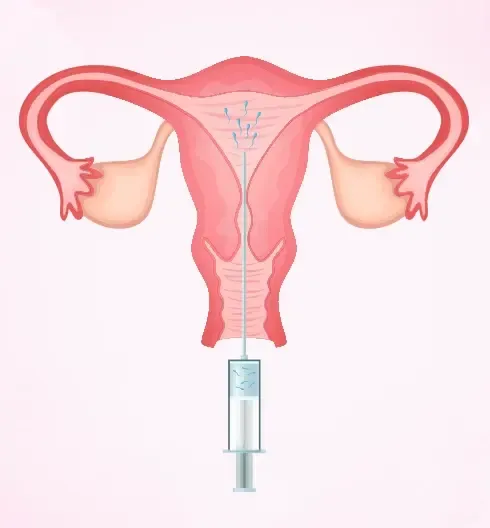
Intrauterine Insemination vs Donor Insemination: What to Expect
Donor Insemination (DI):
Donor insemination involves using donor sperm to fertilize an egg. This procedure is typically used when a male partner has fertility issues or if an individual or couple is unable to conceive naturally. The donor sperm can come from a known or anonymous donor, and it is usually obtained from a sperm bank.
What to Expect:
The process of DI is similar to IUI, except for the source of the sperm. The donor sperm is also prepared and inserted into the uterus using a catheter. However, the timing of the procedure may be different, as it can be done during a natural or stimulated cycle.
The use of donor sperm can be an emotional decision for some individuals or couples and may involve counseling to ensure they are comfortable with the process.
Success Rates and Risks:
The success rates of DI are similar to IUI, with an average of 10-20% per cycle. However, the success rates may vary depending on the quality of the sperm and the age and health of the recipient. As with IUI, multiple attempts may be necessary to achieve pregnancy.
The risks associated with DI are also minimal and may include the same risks as IUI. However, there is an additional risk of the child being genetically related to the donor, which may be a concern for some individuals or couples.
Which Option is Right for You?
Deciding between IUI and DI can be a challenging decision, and it is best to consult with a fertility specialist to determine the best option for your specific situation. Some factors to consider include the cause of infertility, the cost of the procedure, and any ethical or emotional considerations.
In summary, intrauterine insemination and donor insemination are two fertility treatments that involve placing sperm into the uterus to facilitate pregnancy. IUI uses the sperm of the male partner, while DI involves using donor sperm. Both procedures have similar success rates and risks, and the choice between them depends on individual circumstances.
Leave a Reply