Tag: Success Rates

  • Breaking Down the Numbers: Comparing Success Rates of At-Home Insemination

    Breaking Down the Numbers: Comparing Success Rates of At-Home Insemination

    In recent years, there has been a rise in the popularity of at-home insemination as an alternative method for achieving pregnancy. This method involves using a donor sperm and performing the insemination process at home, instead of in a clinical setting. While this method may seem more convenient and cost-effective, many people question its success rate compared to traditional clinical insemination. In this blog post, we will break down the numbers and compare the success rates of at-home insemination to other methods of achieving pregnancy.

    Understanding At-Home Insemination

    At-home insemination involves the use of a donor sperm, which can be purchased from a sperm bank or obtained from a known donor. The process involves collecting the sperm in a sterile cup, and then using a syringe or cervical cap to insert it into the vagina near the cervix. This method is often used by same-sex female couples, single individuals, or heterosexual couples struggling with male infertility. It can be done at home without the need for medical professionals, making it a more private and affordable option.

    Success Rates of At-Home Insemination

    The success rates of at-home insemination can vary depending on various factors, including the individual’s age, overall health, and fertility issues. According to a study published in the Journal of Assisted Reproduction and Genetics, at-home insemination has a success rate of around 10-15% per cycle. This means that out of 100 couples attempting at-home insemination, only 10-15 will achieve pregnancy in their first cycle. However, this success rate can increase with multiple attempts and proper timing of ovulation.

    Factors Affecting Success Rates

    As mentioned earlier, there are several factors that can affect the success rate of at-home insemination. One of the most crucial factors is the age of the individual trying to conceive. Women over the age of 35 may have a lower success rate due to a decline in their fertility. Additionally, underlying health conditions, such as Polycystic Ovarian Syndrome (PCOS) or endometriosis, can also impact the chances of success. It is essential to consult with a doctor before attempting at-home insemination to rule out any potential fertility issues.

    Comparison to Clinical Insemination
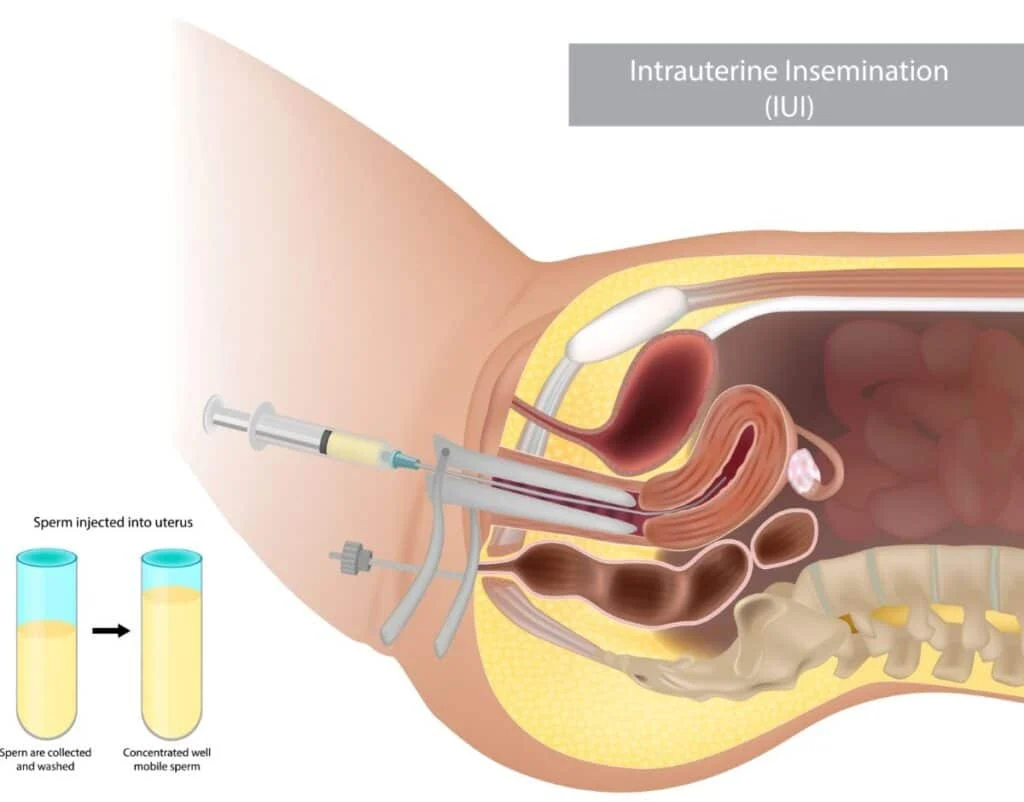
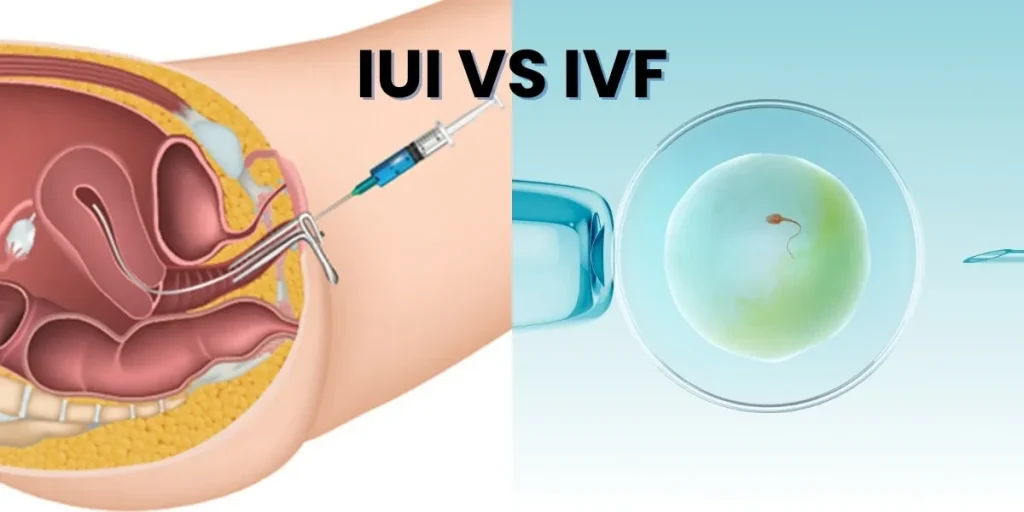
    Diagram illustrating intrauterine insemination (IUI) procedure with sperm injection into the uterus.

    Breaking Down the Numbers: Comparing Success Rates of At-Home Insemination

    Clinical insemination, also known as intrauterine insemination (IUI), involves the insertion of sperm directly into the uterus. This method is typically done in a doctor’s office and is more expensive compared to at-home insemination. However, clinical insemination has a higher success rate of around 20% per cycle, according to the American Pregnancy Association. This is because the sperm is placed closer to the egg, increasing the chances of fertilization.

    Factors Affecting Clinical Insemination Success Rates

    Similar to at-home insemination, age and underlying health conditions can also affect the success rate of clinical insemination. However, one significant factor that can impact success is the quality of the sperm being used. Sperm quality can be affected by factors such as smoking, excessive alcohol consumption, and certain medications. It is essential to undergo a thorough evaluation of sperm quality before attempting clinical insemination.

    In Vitro Fertilization (IVF) Success Rates

    In vitro fertilization (IVF) is another option for individuals struggling with infertility. This method involves retrieving eggs from the ovaries and fertilizing them with sperm in a laboratory. The fertilized eggs are then transferred back into the uterus for implantation. The success rate of IVF varies depending on age, with younger individuals having a higher success rate. According to the Centers for Disease Control and Prevention (CDC), the average success rate for IVF is around 48% for women under 35.

    Factors Affecting IVF Success Rates

    Age, underlying health conditions, and the quality of sperm and eggs used can all impact the success rate of IVF. Additionally, the number of embryos transferred can also affect success rates. While transferring more embryos can increase the chances of success, it also increases the risk of multiple pregnancies, which can be dangerous for both the mother and the babies.

    Conclusion

    While at-home insemination may seem like a more convenient and affordable option, its success rate is lower than other methods such as clinical insemination and IVF. However, this does not mean that it is not a viable option for achieving pregnancy. It is essential to consult with a doctor and undergo proper fertility evaluations before attempting at-home insemination. Additionally, being aware of the factors that can affect success rates can help individuals make informed decisions about their fertility journey.

    In summary, at-home insemination has a success rate of around 10-15% per cycle, which can vary depending on age, overall health, and underlying fertility issues. Clinical insemination has a higher success rate of around 20% per cycle, while IVF has an average success rate of 48% for women under 35. Factors such as age, underlying health conditions, and sperm and egg quality can all impact the success rates of these methods. Consulting with a doctor and undergoing proper evaluations can help individuals make the best decision for their unique fertility journey.
  • Exploring the Differences: At-Home vs Clinical Insemination Success Rates

    Exploring the Differences: At-Home vs Clinical Insemination Success Rates

    Insemination is a popular method of assisted reproductive technology that is used by couples and individuals who are struggling to conceive. It involves the placement of sperm into the reproductive tract in order to increase the chances of fertilization. While traditionally performed in a clinical setting, insemination can also be done at home using a variety of methods. But what are the differences in success rates between at-home and clinical insemination? In this blog post, we will explore the various factors that can affect the success rates of at-home and clinical insemination.

    At-Home Insemination Success Rates

    At-home insemination, also known as self-insemination, is a method of insemination that can be done by individuals or couples in the comfort of their own home. It typically involves the use of a syringe to insert the sperm into the vagina or the use of a soft cup to keep the sperm near the cervix. This method is often chosen by those who prefer a more intimate and private setting for the insemination process.

    One of the main factors that can affect the success rates of at-home insemination is the timing of the procedure. Sperm can survive in the female reproductive tract for up to 5 days, which means that insemination should ideally be done around the time of ovulation. However, it can be difficult to accurately predict ovulation, especially for those with irregular menstrual cycles. This can result in a lower success rate for at-home insemination.

    Another factor that can impact the success rates of at-home insemination is the quality of the sperm. While sperm can be purchased from sperm banks, there is a lack of regulation and quality control compared to clinical settings. This means that the sperm used for at-home insemination may not be of the same quality as those used in clinical settings, which can affect the chances of fertilization.

    Clinical Insemination Success Rates

    Clinical insemination, also known as intrauterine insemination (IUI), is a procedure that is performed in a medical setting, typically a fertility clinic. During this procedure, specially prepared sperm is directly inserted into the uterus using a catheter. This method of insemination is often recommended for couples or individuals who have been trying to conceive for a certain period of time without success, or for those who have fertility issues.

    One of the main advantages of clinical insemination is the ability to control and monitor the timing of the procedure. Fertility specialists can perform ultrasounds and blood tests to determine the most optimal time for insemination, increasing the chances of success. In addition, the quality of the sperm used in clinical settings is closely monitored and regulated, ensuring a higher success rate.

    Comparison of IUI and IVF treatments with diagrams of reproductive anatomy.

    Exploring the Differences: At-Home vs Clinical Insemination Success Rates

    Another factor that can contribute to the success rates of clinical insemination is the use of fertility medications. These medications can help stimulate ovulation and increase the chances of fertilization. This is especially beneficial for those who have irregular ovulation or other fertility issues.

    Key Differences and Considerations

    While both at-home and clinical insemination have their own set of benefits and drawbacks, there are some key differences and considerations to keep in mind when exploring the success rates of each method.

    Firstly, it is important to note that success rates for both methods can vary greatly depending on individual factors such as age, overall health, and fertility issues. It is always advisable to consult with a fertility specialist to determine the best course of action for each individual case.

    Secondly, at-home insemination may be a more affordable option for those who cannot afford the costs of clinical insemination. However, it is important to keep in mind that the success rates may not be as high as clinical insemination, and multiple attempts may be needed.

    Lastly, it is important to consider the psychological and emotional impact of both at-home and clinical insemination. At-home insemination may provide a more intimate and private experience, while clinical insemination may feel more clinical and impersonal. It is important to choose the method that feels most comfortable for the individual or couple.

    In conclusion, while both at-home and clinical insemination can be effective methods of assisted reproductive technology, there are several factors that can affect the success rates of each method. It is important to take into consideration individual factors, as well as the quality and timing of the procedure, in order to determine the best course of action for achieving successful conception.

    Summary:

    Insemination is a popular method of assisted reproductive technology used by couples and individuals struggling to conceive. While traditionally performed in a clinical setting, it can also be done at home. Factors such as timing and sperm quality can affect the success rates of at-home insemination, while clinical insemination offers more control and monitored timing, as well as higher quality sperm. The success rates of both methods can vary greatly depending on individual factors and it is important to consider the psychological and emotional impact as well.

  • Intrauterine Insemination vs Donor Insemination: A Choice for Couples with Infertility

    Infertility is a struggle that many couples face, and the journey to starting a family can be a long and emotional one. For couples who are unable to conceive naturally, there are several fertility treatment options available, including intrauterine insemination (IUI) and donor insemination (DI). Both of these procedures involve the introduction of sperm into the uterus in hopes of fertilizing an egg and achieving pregnancy. However, there are some key differences between IUI and DI that couples should be aware of when considering their options.

    Intrauterine insemination, also known as artificial insemination, is a fertility treatment that involves placing washed and concentrated sperm directly into the uterus using a catheter. This procedure is usually recommended for couples who have unexplained infertility or mild fertility issues, such as low sperm count or cervical mucus problems. It can also be used for same-sex female couples or single women who want to conceive using donor sperm.

    On the other hand, donor insemination is a process where donor sperm is used to fertilize the woman’s egg. This can be done through either IUI or in vitro fertilization (IVF). Donor sperm is typically used when the male partner has severe sperm abnormalities or when a woman does not have a male partner. It can also be used for same-sex male couples or single men who want to have a child.

    There are a few key differences between IUI and DI that couples should consider when making a decision about which treatment option is right for them.

    Firstly, the source of the sperm is different. In IUI, the sperm comes from the male partner, while in DI, the sperm is from an anonymous or known donor. This can be an important factor for couples to consider, as using donor sperm means that the child will not be genetically related to the male partner.

    Secondly, the number of sperm used is different. In IUI, the sperm is washed and concentrated before being inserted into the uterus, which means that a smaller number of sperm is used. In DI, a larger number of sperm is used, as the goal is to fertilize the egg in a lab setting. This can increase the chances of pregnancy, but it also means that there is a higher risk of multiple pregnancies with DI.

    Illustration of the IUI process, showing a syringe and catheter in the reproductive system.

    Intrauterine Insemination vs Donor Insemination: A Choice for Couples with Infertility

    Another important difference between IUI and DI is the level of involvement of the male partner. In IUI, the male partner is an active participant, providing the sperm for the procedure. In DI, the male partner’s involvement is limited to choosing the donor and providing a semen sample for testing and storage. This can be a consideration for couples who want the male partner to have a more active role in the conception process.

    Cost is also a factor to consider when deciding between IUI and DI. IUI is typically less expensive than DI, as it does not involve the added cost of donor sperm and the associated testing and storage fees. However, the cost can vary depending on factors such as the clinic and location.

    When it comes to success rates, both IUI and DI have similar success rates, with an average of 10-20% per cycle. However, the success rates can vary depending on factors such as age, overall health, and the underlying cause of infertility.

    In terms of risks and side effects, both IUI and DI are generally safe procedures. However, there is a slight risk of infection or allergic reaction with IUI, while DI carries a slightly higher risk of multiple pregnancies.

    It’s also important to note that both IUI and DI may not be successful on the first try and may require multiple cycles to achieve pregnancy. This can add to the emotional and financial stress of fertility treatments, and couples should be prepared for this possibility.

    In summary, both IUI and DI are viable treatment options for couples struggling with infertility. The key differences between the two procedures lie in the source of the sperm, the level of involvement of the male partner, and the cost. Couples should carefully consider these factors and consult with a fertility specialist to determine which option is best for their unique situation.

  • Intrauterine Insemination vs Donor Insemination: A Look at the Success Rates

    Intrauterine insemination (IUI) and donor insemination (DI) are two commonly used fertility treatments for couples struggling with infertility. Both procedures involve inserting sperm into the uterus, but there are some key differences between the two. One of the main differences is the source of the sperm – in IUI, the sperm comes from the male partner, while in DI, it comes from a donor. So, which one has higher success rates? In this blog post, we will take a closer look at the success rates of IUI and DI and see which one may be a better option for couples trying to conceive.

    IUI Success Rates:

    IUI is a relatively simple procedure that involves inserting washed and concentrated sperm into the uterus around the time of ovulation. This procedure is often used for couples with unexplained infertility, mild male factor infertility, or in cases where the female partner has difficulty with cervical mucus. The success rates of IUI vary depending on factors such as age, cause of infertility, and the number of cycles attempted.

    According to the American Society for Reproductive Medicine (ASRM), the success rate for IUI ranges from 8% to 17% per cycle for couples where the female partner is under the age of 35. For couples where the female partner is between the ages of 35 and 40, the success rate drops to 6% to 10% per cycle. The success rates are even lower for couples where the female partner is over the age of 40, at around 2% to 5% per cycle.

    Other factors that can affect the success rates of IUI include the cause of infertility and the number of cycles attempted. For example, couples with unexplained infertility may have higher success rates compared to those with male factor infertility. Additionally, the more cycles a couple attempts, the higher the chances of success.

    Donor Insemination Success Rates:

    DI involves using sperm from a donor to fertilize the female partner’s eggs. This procedure is commonly used for same-sex couples, single women, or couples where the male partner has severe male factor infertility. The success rates of DI are largely dependent on the quality of the sperm used and the age of the female partner.

    According to the ASRM, the success rate for DI ranges from 5% to 20% per cycle. This may seem lower than the success rates of IUI, but it is important to note that DI is often used in more challenging cases of infertility. Additionally, the success rates of DI can be significantly higher if the donor sperm is of good quality and the female partner is under the age of 35.

    comparison of IUI and IVF fertility treatments with illustrations of procedures and a petri dish with an egg and sperm

    Intrauterine Insemination vs Donor Insemination: A Look at the Success Rates

    Factors That Affect Success Rates:

    As mentioned earlier, there are several factors that can affect the success rates of IUI and DI. These factors include age, cause of infertility, sperm quality, and the number of cycles attempted. Age is a crucial factor as fertility declines as a woman gets older. This is why the success rates of both IUI and DI are significantly lower for women over the age of 40.

    The cause of infertility is also an important factor to consider. If the cause is due to male factor infertility, the success rates of both IUI and DI may be lower. In such cases, using donor sperm may be a better option as it eliminates the potential issue with sperm quality.

    Sperm quality is another crucial factor that can greatly impact the success rates of both IUI and DI. Using sperm from a donor can increase the chances of success as the sperm is often younger and healthier compared to sperm from the male partner. However, if the male partner has good sperm quality, IUI may be a better option as it allows for the use of his sperm.

    Lastly, the number of cycles attempted also plays a role in the success rates of both procedures. The more cycles a couple attempts, the higher the chances of success. This is why it is important for couples to discuss with their doctor the number of cycles they are willing to attempt and make a decision based on their individual circumstances.

    In conclusion, both IUI and DI are viable options for couples struggling with infertility. The success rates of both procedures vary depending on factors such as age, cause of infertility, sperm quality, and the number of cycles attempted. It is important for couples to discuss these factors with their doctor and make an informed decision about which procedure may be the best for them.

    Summary:

    Intrauterine insemination (IUI) and donor insemination (DI) are two fertility treatments that involve inserting sperm into the uterus. While IUI uses sperm from the male partner, DI uses sperm from a donor. The success rates of both procedures vary depending on factors such as age, cause of infertility, sperm quality, and the number of cycles attempted. Generally, the success rates of IUI are higher, but DI may be a better option for couples with more challenging cases of infertility. It is important for couples to discuss these factors with their doctor and make an informed decision about which procedure may be the best for them.

  • The Impact of Genetics: IUI vs DI

    Blog post: The Impact of Genetics: IUI vs DI

    Genetics play a crucial role in determining a person’s physical and mental characteristics. It is also a significant factor in the process of conception and pregnancy. For couples struggling with infertility, genetics can be a critical aspect to consider when deciding on the best method of assisted reproduction. Two commonly used techniques are intrauterine insemination (IUI) and donor insemination (DI). In this blog post, we will explore the impact of genetics in these two methods and how they differ in terms of success rates, cost, and potential genetic implications.

    IUI, also known as artificial insemination, involves the placement of sperm directly into the uterus during ovulation. This method is often used for couples with male factor infertility, unexplained infertility, or for single women or same-sex couples. With IUI, the sperm used can either be from the male partner or from a sperm donor. This brings us to the first aspect of genetics in IUI – the use of donor sperm.

    When using donor sperm in IUI, a thorough screening process is conducted to ensure the sperm is healthy and free from any genetic disorders or diseases. This is to prevent any potential genetic implications for the child. However, there is still a chance for the child to inherit certain genetic traits from the donor. This is why it is essential for the couple or individual to carefully select a donor with similar physical and mental characteristics as themselves.

    On the other hand, DI involves using donor sperm from a sperm bank or fertility clinic without the need for any fertility treatment. This method is often used by single women or same-sex couples, or for couples with severe male infertility. Unlike IUI, DI does not involve the use of the female partner’s eggs; therefore, the child will not have any genetic connection to the mother. This can be a significant factor for some couples, and it is crucial to carefully consider this before opting for DI.

    One of the main advantages of DI is the elimination of any potential genetic concerns from the male partner. However, there is still a possibility for the child to inherit certain genetic traits from the donor. This is why it is essential for the donor to undergo thorough screening to ensure the health and genetic makeup of the sperm.

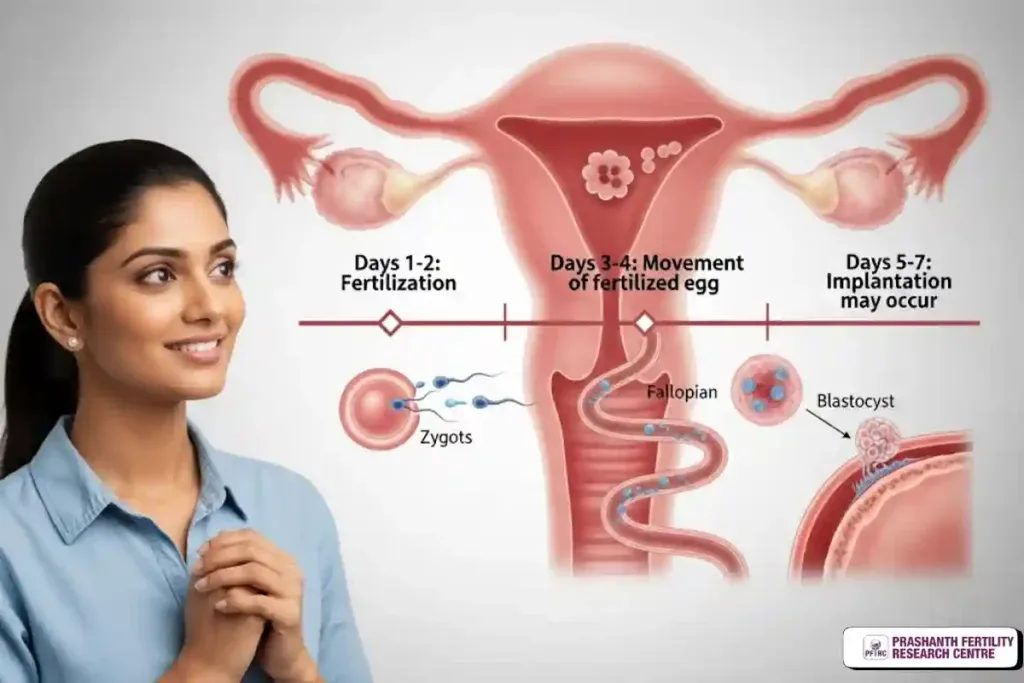
    Illustration showing fertilization and implantation timeline with a woman looking hopeful.

    The Impact of Genetics: IUI vs DI

    When it comes to success rates, IUI has a higher success rate compared to DI. This is because IUI involves placing the sperm directly into the uterus, increasing the chances of fertilization. However, this also depends on various factors such as the age and health of the female partner, the quality of the sperm, and the timing of the procedure.

    The cost of IUI and DI also differs significantly. IUI is a less expensive option compared to DI, as it does not involve the use of donor sperm. However, it is worth noting that the cost of fertility treatment, in general, can be significant, and it is crucial to carefully consider all the factors before making a decision.

    In terms of the impact of genetics on the child, both IUI and DI have potential implications. While the screening process for donor sperm is thorough, there is still a chance for the child to inherit certain genetic traits from the donor. This is why it is essential for the couple or individual to carefully select a donor with similar physical and mental characteristics as themselves. On the other hand, with DI, the child will not have any genetic connection to the mother, which can be a significant factor for some couples.

    In conclusion, the impact of genetics in assisted reproduction is significant, and it is crucial for couples or individuals to carefully consider all aspects before deciding on the best method. With IUI and DI, there are potential genetic implications for the child, and it is essential to undergo thorough screening and carefully select the donor to minimize these risks. Ultimately, the success rates, cost, and genetic implications vary for each individual or couple, and it is essential to consult with a fertility specialist to determine the best option.

    Summary:

    Genetics play a crucial role in the process of conception and pregnancy, making it an important factor to consider for couples struggling with infertility. Two commonly used assisted reproduction techniques are intrauterine insemination (IUI) and donor insemination (DI). With IUI, the sperm used can either be from the male partner or from a donor, while DI involves using donor sperm without the need for fertility treatment. Both methods have potential genetic implications for the child, and it is crucial to carefully consider all aspects before making a decision. IUI has a higher success rate compared to DI, but DI is a less expensive option. Ultimately, it is essential to consult with a fertility specialist to determine the best option for each individual or couple.

  • Intrauterine Insemination vs Donor Insemination: A Look at the Process

    Intrauterine Insemination (IUI) and Donor Insemination (DI) are two common fertility treatments used to help couples conceive. While they both involve the insertion of sperm into a woman’s reproductive tract, the process and purpose of each are quite different. In this blog post, we will take a closer look at IUI vs DI, including their similarities, differences, and the process involved in each.

    IUI, also known as artificial insemination, is a relatively simple and non-invasive procedure that is often used to treat infertility. It involves placing washed and concentrated sperm directly into the uterus, bypassing the cervix and increasing the chances of fertilization. The goal of IUI is to increase the number of sperm that reach the fallopian tubes and ultimately increase the chances of fertilization.

    On the other hand, DI is a treatment option for couples who are unable to conceive due to male factor infertility or single women and same-sex female couples who want to have a child. In this process, donor sperm is used instead of the male partner’s sperm. The sperm is typically purchased from a sperm bank and then inserted into the woman’s reproductive tract through IUI or in some cases, through in vitro fertilization (IVF).

    The first step in both IUI and DI is to undergo fertility testing to determine the cause of infertility and determine the best treatment plan. If IUI is recommended, the woman may be prescribed fertility medications to stimulate ovulation and increase the chances of conception. In DI, a donor will be chosen based on certain criteria, such as physical characteristics, medical history, and education.

    Once the sperm is collected, it is washed and concentrated in a laboratory to remove any non-moving sperm and debris. This process also helps to increase the number of motile sperm, which are the most likely to fertilize an egg. The sperm is then inserted into the woman’s uterus using a thin catheter, which is inserted through the cervix. This process is painless and usually takes only a few minutes.

    Illustration showing fertilization and implantation timeline with a woman looking hopeful.

    Intrauterine Insemination vs Donor Insemination: A Look at the Process

    After the procedure, the woman may be advised to rest for a short period of time before resuming normal activities. She may also be prescribed progesterone supplements to support the uterine lining and increase the chances of implantation. Two weeks after the procedure, a pregnancy test will be taken to determine if the IUI or DI was successful.

    While both IUI and DI are relatively simple procedures, there are a few key differences between the two. The most obvious difference is the source of the sperm. In IUI, the sperm comes from the male partner, while in DI it comes from a donor. Additionally, IUI is used to treat infertility, while DI is used for couples with male factor infertility or single women and same-sex female couples.

    Another difference is the level of involvement from the male partner. In IUI, the male partner must provide a semen sample, which is then washed and prepared for insertion. In DI, the male partner does not need to be involved in the process, as the sperm is obtained from a donor. This can be beneficial for couples who may have difficulty producing a semen sample or for same-sex female couples.

    The success rates of IUI and DI also differ. While the success rates vary depending on individual factors such as age and overall health, IUI has a success rate of about 10-20% per cycle. DI, on the other hand, has a slightly higher success rate of 15-25% per cycle. However, multiple cycles may be needed for both treatments to be successful.

    In summary, IUI and DI are two fertility treatments that involve the insertion of sperm into a woman’s reproductive tract. While IUI is used to treat infertility and involves the male partner’s sperm, DI is primarily used for couples with male factor infertility or single women and same-sex female couples and uses donor sperm. The process for both treatments is similar, with slight differences in the source of sperm and the level of involvement from the male partner. Success rates also vary between the two treatments.

    In conclusion, IUI and DI offer hope to couples and individuals struggling with infertility. By understanding the process and differences between these fertility treatments, individuals and couples can make an informed decision about which option is best for them.

  • The Role of Technology: IUI vs DI

    Technology has had a profound impact on many aspects of our lives, including the way we conceive and have children. In recent years, there has been a rise in alternative methods of conception, such as Intrauterine Insemination (IUI) and Donor Insemination (DI). These techniques have been made possible through advancements in technology and have provided new options for individuals and couples who are struggling with fertility issues. In this blog post, we will discuss the role of technology in these two methods of conception and explore the differences between IUI and DI.

    Intrauterine Insemination, also known as artificial insemination, is a fertility treatment that involves placing sperm directly into a woman’s uterus. This procedure is typically performed when a couple is unable to conceive due to issues such as low sperm count, ovulation problems, or unexplained infertility. IUI is a less invasive and less expensive option compared to other fertility treatments, such as in vitro fertilization (IVF).

    One of the key technologies involved in IUI is the use of sperm washing. Sperm washing is a process that separates healthy sperm from other components in semen, such as dead sperm, mucus, and bacteria. This ensures that only the most viable sperm is used for insemination, increasing the chances of conception. This technology has greatly improved the success rates of IUI and has made it a more appealing option for couples who are trying to conceive.

    Another important technology in IUI is ultrasound imaging. Ultrasound is used to monitor the growth and development of follicles, which are fluid-filled sacs in the ovaries that contain eggs. This allows doctors to determine the best time for insemination, increasing the chances of a successful pregnancy. Ultrasound imaging has also made it possible to detect any abnormalities in the reproductive organs, which can affect fertility.

    In contrast, Donor Insemination involves using donated sperm to inseminate a woman. This method is often used by single women or same-sex couples who want to have a child. Donated sperm can come from known or anonymous donors, and it is typically obtained from sperm banks.

    Comparison of IUI and IVF treatments with diagrams of reproductive anatomy.

    The Role of Technology: IUI vs DI

    The use of technology in DI is similar to that of IUI, with the addition of genetic testing. Before being used for insemination, donated sperm is screened for genetic disorders and sexually transmitted infections to ensure the health of the child and the recipient. This technology has greatly reduced the risk of passing on hereditary diseases and has made DI a safer option for individuals and couples.

    One of the main differences between IUI and DI is the level of involvement of the male partner. In IUI, the male partner provides the sperm, while in DI, the sperm is obtained from a donor. This can have a significant impact on the emotional and psychological aspects of the conception process. In IUI, the male partner is more directly involved in the creation of the child, while in DI, the sperm donor remains anonymous and may have no involvement in the child’s life. This can lead to different dynamics within the family structure and should be carefully considered by couples when choosing between IUI and DI.

    Moreover, the success rates of IUI and DI can also differ due to various factors, including the age and fertility of the recipient, the quality of the sperm, and the timing of the insemination. Generally, success rates for both methods range from 10-20% per cycle, with DI having slightly higher success rates due to the use of donor sperm.

    In conclusion, technology has played a significant role in the advancements of fertility treatments, particularly in the methods of IUI and DI. These techniques have provided new options for individuals and couples struggling with infertility, and have greatly improved the chances of conceiving a child. However, it is important to carefully consider the emotional and psychological aspects of these methods, as well as the success rates, before making a decision. Consulting with a fertility specialist can help couples determine which method is best suited for their individual situation.

    Summary: Technology has greatly impacted the methods of conception, specifically Intrauterine Insemination (IUI) and Donor Insemination (DI). These methods have been made possible through advancements in technology, such as sperm washing and ultrasound imaging. While both methods have similar technologies involved, the main difference lies in the level of involvement of the male partner and the use of genetic testing in DI. It is important to carefully consider the emotional and psychological aspects, as well as the success rates, before choosing between IUI and DI.

  • Intrauterine Insemination vs Donor Insemination: A Global Perspective

    Blog Post:

    The journey to parenthood can be a challenging one, and for many couples facing fertility issues, assisted reproductive technology (ART) may be a viable option. Intrauterine insemination (IUI) and donor insemination (DI) are two common forms of ART that can help couples conceive. However, there are some key differences between the two procedures, and understanding these differences can help couples make an informed decision about which option is best for them. In this blog post, we will explore the similarities and differences between IUI and DI, from a global perspective.

    Intrauterine Insemination (IUI):
    Intrauterine insemination, also known as artificial insemination, is a form of ART that involves placing washed and concentrated sperm directly into a woman’s uterus. This procedure is often used to overcome issues such as low sperm count, erectile dysfunction, or unexplained infertility in the male partner. It can also be used for same-sex couples or single women who are using donor sperm.

    The process of IUI involves the collection of semen from the male partner or a donor. The sperm is then washed and concentrated to remove any impurities. The prepared sperm is then inserted into the woman’s uterus through a thin catheter, which is inserted through the cervix. This procedure is usually painless and takes only a few minutes to complete. It is typically done around the time of ovulation, when the woman’s egg is released from the ovary.

    Donor Insemination (DI):
    Donor insemination, also known as donor sperm insemination, is a form of ART that involves using donated sperm to fertilize a woman’s egg. This procedure is commonly used by couples who are unable to conceive due to male factor infertility, or by single women or same-sex couples who are using donor sperm.

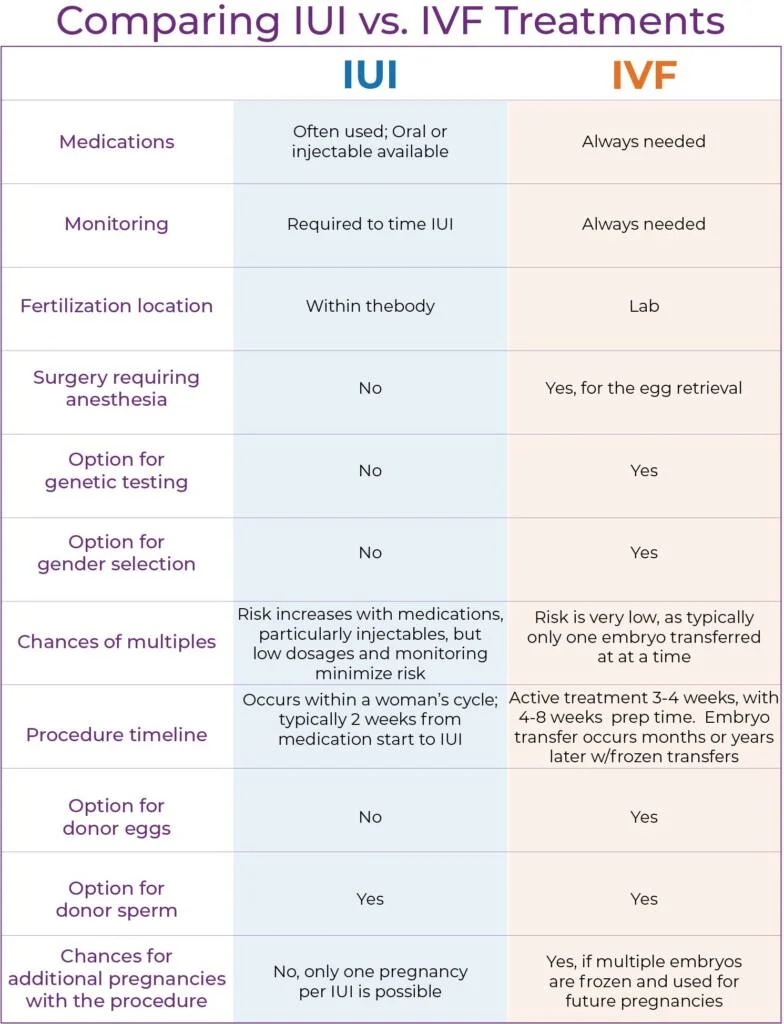
    Comparison chart of IUI and IVF treatments, detailing medications, monitoring, procedures, and success rates.

    Intrauterine Insemination vs Donor Insemination: A Global Perspective

    Donor insemination is a more complex procedure compared to IUI, as it involves finding a suitable sperm donor and undergoing a series of tests and screenings to ensure the donor is healthy and has viable sperm. Once a suitable donor is found, the sperm is then inserted into the woman’s uterus using the same process as IUI.

    Global Perspective:
    The availability and regulations surrounding IUI and DI vary greatly from country to country. In some countries, such as the United Kingdom, both procedures are widely available and regulated by law. In other countries, there may be strict regulations and restrictions on who can access these procedures. For example, in some countries, only married heterosexual couples are allowed to undergo ART treatments, while in others, single women or same-sex couples may be excluded from accessing these procedures.

    In countries where IUI and DI are widely available, the cost can range from a few hundred to several thousand dollars per cycle. This cost can be a significant barrier for many couples who are struggling with infertility. In contrast, countries with strict regulations may have government-funded programs or subsidies to help cover the cost of these procedures, making them more accessible to a wider population.

    Another key factor to consider is the availability and quality of sperm donors. In countries with strict regulations, there may be a limited supply of sperm donors, leading to longer wait times and potentially lower success rates. In contrast, countries with more relaxed regulations may have a larger pool of donors, increasing the chances of finding a suitable match.

    Success Rates:
    The success rates of IUI and DI also vary depending on factors such as age, overall health, and fertility issues. On average, IUI has a success rate of 10-20%, while DI has a success rate of 15-20%. However, these success rates can be significantly higher or lower depending on individual circumstances.

    Summary:
    In summary, IUI and DI are both forms of ART that can help couples and individuals overcome infertility. IUI involves placing washed and concentrated sperm directly into a woman’s uterus, while DI involves using donated sperm to fertilize a woman’s egg. The availability, cost, regulations, and success rates of these procedures vary greatly from country to country, highlighting the importance of considering a global perspective when making decisions about fertility treatments.

  • Intrauterine Insemination vs Donor Insemination: A Comparative Analysis

    Blog Post Title: Intrauterine Insemination vs Donor Insemination: A Comparative Analysis

    In the world of assisted reproductive technology, there are various methods available for couples and individuals who are struggling with fertility issues. Two common methods are intrauterine insemination (IUI) and donor insemination (DI). Both of these techniques involve the introduction of sperm into the female reproductive tract, but they have significant differences in procedure and outcomes. In this blog post, we will delve deeper into the world of IUI and DI, providing a comparative analysis to help individuals make informed decisions about which method is best for them.

    What is Intrauterine Insemination (IUI)?

    Intrauterine insemination, also known as artificial insemination, is a fertility treatment that involves the placement of washed and concentrated sperm directly into the woman’s uterus during ovulation. This procedure is usually recommended for couples who have been trying to conceive for at least a year with no success, or for individuals with fertility issues such as low sperm count, endometriosis, or unexplained infertility.

    The IUI procedure involves the collection of semen from the male partner or a sperm donor. The semen is then washed to remove prostaglandins, which can cause cramping and discomfort when introduced into the uterus. The washed sperm is then placed into a catheter and inserted into the woman’s uterus through the cervix. The procedure is usually painless and takes less than 10 minutes to complete.

    What is Donor Insemination (DI)?

    Donor insemination, also known as artificial insemination with donor sperm, is a fertility treatment that involves the use of donor sperm to fertilize the woman’s egg. This method is commonly used by single women, same-sex couples, or couples with male infertility issues. The process involves the selection of a sperm donor from a sperm bank or through a known donor.

    The sperm donor undergoes extensive medical and genetic screening to ensure that they are healthy and free from any hereditary diseases. The donor sperm is then introduced into the woman’s uterus through the same procedure as IUI.

    Comparative Analysis: IUI vs DI

    Now that we have a basic understanding of IUI and DI, let’s take a closer look at the differences between the two methods.

    1. Procedure and Cost

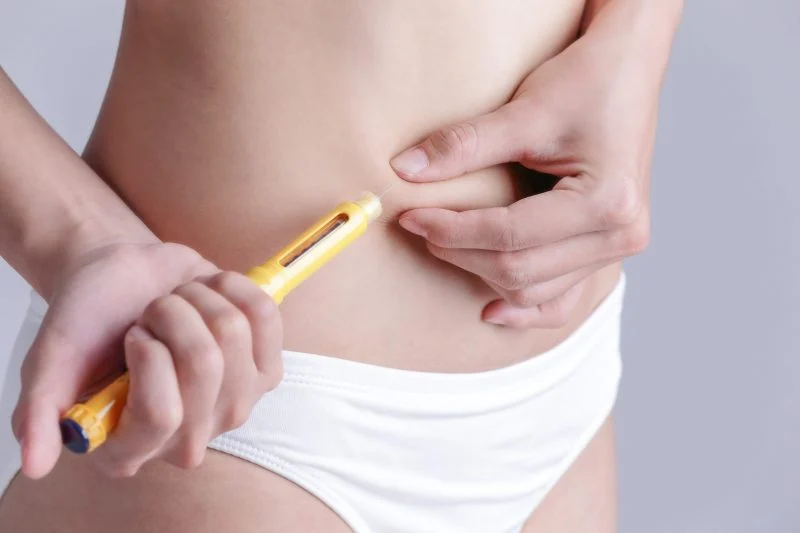
    A person administering an injection into their abdomen with a yellow pen-like device.

    Intrauterine Insemination vs Donor Insemination: A Comparative Analysis

    The procedures for IUI and DI are similar, but the costs involved are quite different. IUI is usually less expensive compared to DI, as it only involves the use of washed sperm from the male partner or a donor. On the other hand, DI requires the purchase of donor sperm, which can be costly, depending on the sperm bank and donor selection.

    2. Success Rates

    The success rates of IUI and DI vary depending on several factors such as age, overall health, and the underlying cause of infertility. Generally, IUI has a success rate of 10-20%, while DI has a success rate of 20-30%. However, these success rates can increase significantly with multiple cycles of treatment.

    3. Control and Privacy

    One of the main differences between IUI and DI is the level of control and privacy involved. With IUI, the couple has control over the selection of the sperm donor, and the procedure is usually done in a clinic setting. On the other hand, DI requires the use of donor sperm, and the identity of the donor is usually unknown to the couple. This can be a concern for some individuals who may prefer to have a known donor or have more control over the selection process.

    4. Legal Implications

    Another important factor to consider when choosing between IUI and DI is the legal implications. With IUI, the legal rights and responsibilities of the sperm donor are usually clear, as they are not considered the father of the child. However, with DI, the laws regarding parental rights can vary depending on the country or state. It is crucial to seek legal advice before proceeding with DI to ensure that all parties involved are aware of their rights and responsibilities.

    5. Emotional Considerations

    Undergoing fertility treatment can be emotionally draining for couples and individuals. With IUI, the couple is usually involved in the process together, and both partners can feel a sense of involvement and connection to the pregnancy. With DI, the non-biological parent may struggle with feelings of not being genetically connected to the child. This can cause emotional strain and should be carefully considered before choosing DI.

    Summary:

    In summary, both IUI and DI are effective fertility treatments that can help individuals and couples achieve their dream of having a child. The choice between the two methods will depend on various factors such as cost, success rates, control, legal implications, and emotional considerations. It is essential to consult with a fertility specialist to determine which method is best for your specific situation.

  • Intrauterine Insemination vs Donor Insemination: What to Expect

    Blog post:

    Intrauterine insemination (IUI) and donor insemination (DI) are two common fertility treatments that can help couples or individuals conceive a child. While both procedures involve the insertion of sperm into the uterus, there are significant differences between them. In this blog post, we will discuss the key differences between IUI and DI, what to expect during each procedure, and the potential success rates and risks associated with them.

    Intrauterine Insemination (IUI):

    IUI, also known as artificial insemination, is a fertility treatment that involves placing washed and concentrated sperm directly into the uterus. Before the procedure, the sperm is prepared in a lab to remove any impurities and increase its concentration, making it more likely to reach and fertilize the egg.

    What to Expect:

    IUI is a relatively simple and painless procedure that can be done in a doctor’s office. The timing of the procedure is crucial, as it needs to be done around the time of ovulation. Your doctor may recommend using fertility drugs to stimulate ovulation or track your menstrual cycle to determine the best time for the procedure.

    During the procedure, a speculum is inserted into the vagina to allow the doctor to access the cervix. A catheter is then used to inject the prepared sperm into the uterus. The entire process takes only a few minutes, and you can resume your daily activities immediately after.

    Success Rates and Risks:

    The success rates of IUI vary depending on factors such as age, fertility issues, and the quality of the sperm. On average, the success rate for IUI is around 10-20% per cycle. However, this number can increase significantly with multiple attempts.

    The risks associated with IUI are minimal but may include cramping, infection, and minor bleeding. In rare cases, there may be a risk of multiple pregnancies if ovulation-stimulating drugs are used.

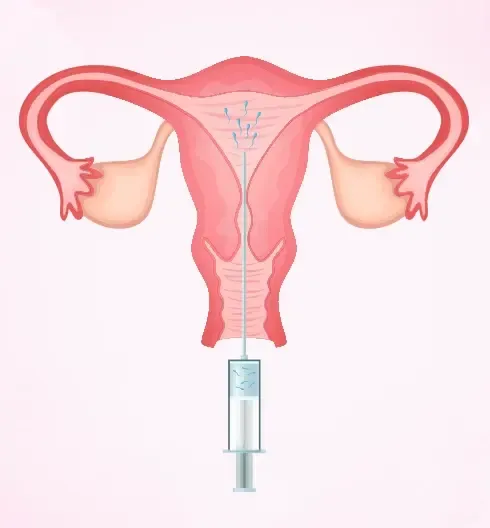
    Illustration of a uterus with a syringe indicating an intrauterine insemination procedure.

    Intrauterine Insemination vs Donor Insemination: What to Expect

    Donor Insemination (DI):

    Donor insemination involves using donor sperm to fertilize an egg. This procedure is typically used when a male partner has fertility issues or if an individual or couple is unable to conceive naturally. The donor sperm can come from a known or anonymous donor, and it is usually obtained from a sperm bank.

    What to Expect:

    The process of DI is similar to IUI, except for the source of the sperm. The donor sperm is also prepared and inserted into the uterus using a catheter. However, the timing of the procedure may be different, as it can be done during a natural or stimulated cycle.

    The use of donor sperm can be an emotional decision for some individuals or couples and may involve counseling to ensure they are comfortable with the process.

    Success Rates and Risks:

    The success rates of DI are similar to IUI, with an average of 10-20% per cycle. However, the success rates may vary depending on the quality of the sperm and the age and health of the recipient. As with IUI, multiple attempts may be necessary to achieve pregnancy.

    The risks associated with DI are also minimal and may include the same risks as IUI. However, there is an additional risk of the child being genetically related to the donor, which may be a concern for some individuals or couples.

    Which Option is Right for You?

    Deciding between IUI and DI can be a challenging decision, and it is best to consult with a fertility specialist to determine the best option for your specific situation. Some factors to consider include the cause of infertility, the cost of the procedure, and any ethical or emotional considerations.

    In summary, intrauterine insemination and donor insemination are two fertility treatments that involve placing sperm into the uterus to facilitate pregnancy. IUI uses the sperm of the male partner, while DI involves using donor sperm. Both procedures have similar success rates and risks, and the choice between them depends on individual circumstances.