Blog Post:
Breaking the Silence: Raising Awareness and Understanding on Natural Conception and Assisted Reproduction
In today’s society, there is a growing awareness and acceptance of different paths to parenthood. While natural conception has been the traditional method of starting a family, advancements in technology and medicine have made assisted reproduction a viable option for those struggling with infertility or other reproductive challenges. However, there is still a stigma surrounding assisted reproduction, and many people may not fully understand the complexities and emotions involved in this journey. In this blog post, we will explore both natural conception and assisted reproduction, breaking the silence and shedding light on this important topic.
Natural Conception:
Natural conception is the process of a woman becoming pregnant through sexual intercourse. This has been the primary method of creating a family for centuries, and it is still the most common way of conceiving. In natural conception, sperm from the male partner fertilizes an egg from the female partner, and the fertilized egg implants in the woman’s uterus, resulting in a pregnancy. While this may seem like a simple and straightforward process, it can actually be quite challenging for some couples.
Infertility affects approximately 1 in 8 couples, and it can be caused by a variety of factors, such as hormonal imbalances, reproductive disorders, or structural issues in the reproductive organs. Additionally, age can also play a significant role in natural conception, as a woman’s fertility declines with age. This can lead to frustration and disappointment for couples who are trying to conceive naturally, as it may take longer than expected or may not happen at all.
Assisted Reproduction:
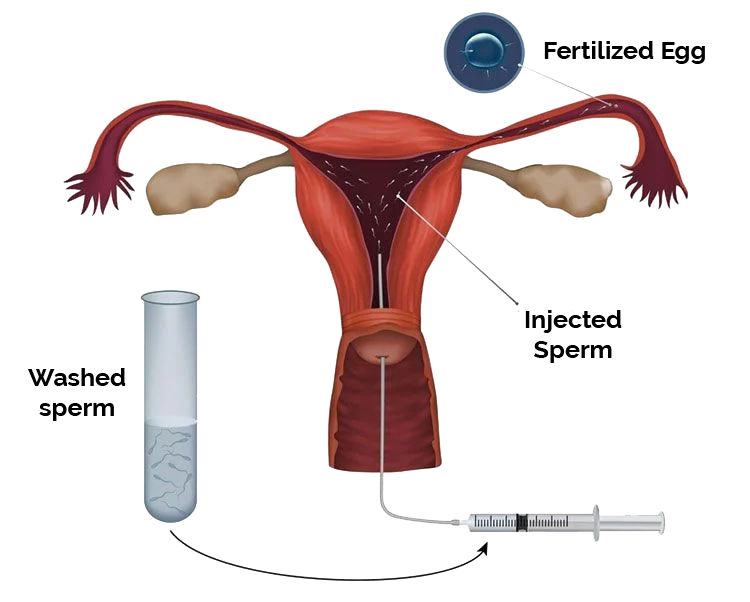
Assisted reproduction, also known as assisted reproductive technology (ART), refers to any fertility treatment that involves the handling of eggs, sperm, or embryos outside of the body. This can include procedures such as in vitro fertilization (IVF), intrauterine insemination (IUI), or donor egg/sperm procedures. ART is often used by couples who are struggling with infertility or those in same-sex relationships, as it provides them with the opportunity to have a biological child.
While assisted reproduction has helped many couples fulfill their dreams of starting a family, it is not without its challenges and complexities. The process can be physically and emotionally taxing, with numerous doctor’s appointments, tests, and procedures. It can also be financially burdensome, as many insurance plans do not cover the cost of these treatments. Additionally, there may be ethical concerns surrounding the use of donor gametes or the potential for multiple pregnancies with ART.
Breaking the Silence:
Despite the increasing prevalence of assisted reproduction, there is still a significant lack of understanding and awareness surrounding this topic. Many people may not fully comprehend the struggles and emotions involved in trying to conceive, both naturally and through assisted reproduction. This can lead to feelings of isolation and shame for those who are going through this journey.
It is crucial to break the silence surrounding natural conception and assisted reproduction and open up the conversation. By educating ourselves and others, we can create a more empathetic and supportive community for those struggling with infertility. This includes understanding the physical and emotional toll that infertility can take on individuals and couples, as well as the various options available for assisted reproduction.
Raising Awareness and Understanding:
One way to raise awareness and understanding about natural conception and assisted reproduction is by sharing personal stories and experiences. By sharing our journeys, we can help break down the stigma and show others that they are not alone in their struggles. It is also essential to educate ourselves on the science and technology behind assisted reproduction, as well as the legal and ethical considerations involved.
Moreover, healthcare providers and insurance companies play a crucial role in raising awareness and understanding of assisted reproduction. By providing comprehensive coverage and support for fertility treatments, they can help ease the financial burden and make it more accessible for couples who need these treatments.
Conclusion:
In conclusion, natural conception and assisted reproduction are both valid and valuable paths to parenthood. While they each have their challenges and complexities, it is important to break the silence and raise awareness and understanding about these topics. By educating ourselves and others, we can create a more inclusive and supportive community for those going through the journey of starting a family, regardless of how they conceive.
Summary:
In this blog post, we explored the topics of natural conception and assisted reproduction. We discussed the challenges and emotions involved in both methods of starting a family, as well as the importance of breaking the silence and raising awareness and understanding about these topics. By sharing personal stories, educating ourselves, and advocating for comprehensive coverage and support, we can create a more empathetic and inclusive community for those struggling with infertility.