Blog Post Title: An Investment in the Future: The Cost-Benefit Analysis of Artificial Insemination and IVF
Introduction:
As technology continues to advance, the field of reproductive medicine has made significant strides in helping individuals and couples struggling with infertility. Artificial insemination and in vitro fertilization (IVF) have become widely used methods for conception, giving hope to those who once thought they may never have a child of their own. However, these procedures come with a high price tag, leaving many to wonder if the cost is worth the potential benefits. In this blog post, we will examine the cost-benefit analysis of artificial insemination and IVF, and why investing in these procedures may be an investment in the future.
The Cost of Artificial Insemination and IVF:
Before delving into the cost-benefit analysis, it is important to understand the expenses associated with artificial insemination and IVF. The average cost of artificial insemination can range from $300 to $1,000 per cycle, with IVF costing significantly more at an average of $12,000 to $15,000 per cycle. These costs cover the medical procedures, medications, and monitoring appointments necessary for successful conception. In addition, there may be additional costs for special procedures, such as genetic testing, and storage fees for frozen embryos. These numbers can be daunting, especially for those who may need multiple cycles to achieve a successful pregnancy.
The Benefits of Artificial Insemination and IVF:
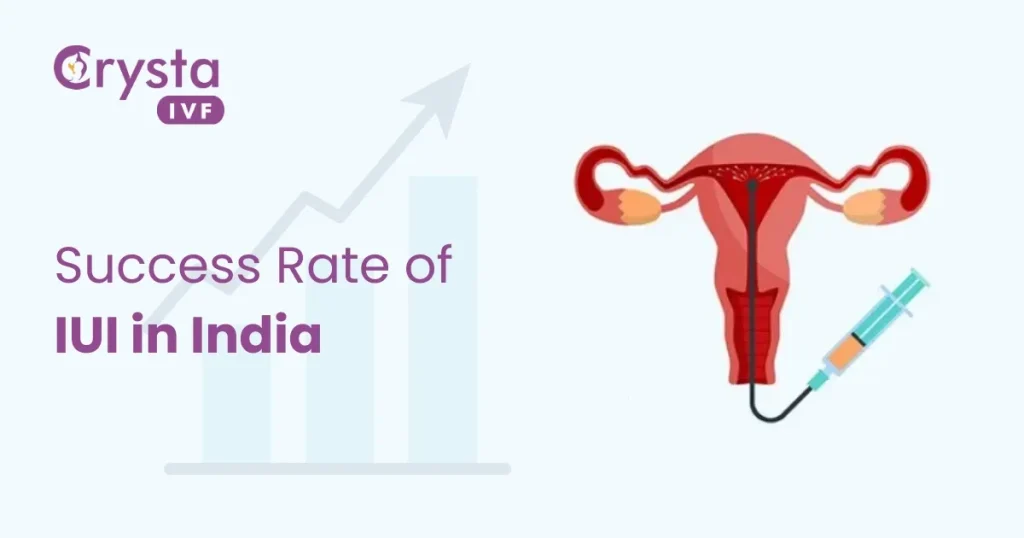
Despite the high costs, there are numerous benefits to artificial insemination and IVF that should be considered in the cost-benefit analysis. For couples struggling with male factor infertility, artificial insemination can be an effective and less invasive option compared to IVF. It involves placing sperm directly into the female partner’s uterus during ovulation, increasing the chances of fertilization. Additionally, artificial insemination can be combined with fertility medications to further increase the chances of success.
IVF, on the other hand, is a more complex and invasive procedure but can offer higher success rates for couples with various infertility issues. It involves retrieving eggs from the female partner and fertilizing them with sperm in a laboratory before transferring the embryos back into the uterus. IVF also allows for genetic testing of embryos, which can help identify any potential genetic abnormalities and increase the chances of a healthy pregnancy and baby. Furthermore, IVF can also be used for same-sex couples and single individuals who may not have the option of conceiving naturally or through artificial insemination.
An Investment in the Future: The Cost-Benefit Analysis of Artificial Insemination and IVF
The Long-Term Benefits:
While the immediate benefits of artificial insemination and IVF are clear, there are also long-term benefits to consider. For couples who have struggled with infertility for years, the emotional and mental toll can be immense. The ability to conceive through these procedures can provide a sense of relief and fulfillment, ultimately improving their overall well-being. Moreover, the option to have a biological child can also benefit the child, as they will have a genetic connection to their parents and potentially their extended family.
In addition, artificial insemination and IVF can also open up opportunities for women to focus on their careers and education before starting a family. With the ability to freeze eggs or embryos, women can delay childbirth and have a better chance of achieving a successful pregnancy later in life. This can lead to financial stability and a better quality of life for both the parents and the child in the long run.
The Cost of Not Investing:
When considering the cost-benefit analysis of artificial insemination and IVF, it is also important to consider the cost of not investing in these procedures. For some, the cost of not having a biological child may be immeasurable. The emotional and mental toll of not being able to have a child can lead to depression, anxiety, and strained relationships. In addition, the cost of alternative options, such as adoption or surrogacy, can also be significant.
Moreover, the cost of not investing in artificial insemination and IVF can also have economic implications. As the population ages, there is a growing need for younger individuals to enter the workforce and contribute to the economy. By not investing in these procedures, there may be a decrease in the number of individuals able to have children and contribute to the workforce, resulting in economic consequences in the long run.
Conclusion:
While the cost of artificial insemination and IVF may seem high, the potential benefits and long-term impacts make it a worthy investment. These procedures offer hope to those struggling with infertility and can have a positive impact on the emotional, mental, and financial well-being of individuals and families. Furthermore, the ability to have a biological child through these procedures can also have positive effects on society as a whole. As technology continues to advance, we can only hope that the costs will become more affordable, making these procedures accessible to more individuals and couples.
In summary, artificial insemination and IVF may come with a high price tag, but the potential benefits and long-term impacts make it a worthy investment in the future.
Leave a Reply