Tag: understanding

  • Breaking the Silence: Speaking Out About Male and Female Infertility Treatments

    Breaking the Silence: Speaking Out About Male and Female Infertility Treatments

    Infertility affects millions of couples worldwide and can be a devastating and isolating experience. While it is often portrayed as a female issue, the truth is that both men and women can face fertility challenges. Despite this, there is still a stigma and silence surrounding male and female infertility, causing many couples to suffer in silence and struggle to find the support and resources they need. In this blog post, we will break the silence and speak out about male and female infertility treatments, shedding light on this often misunderstood and overlooked topic.

    Male Infertility: Breaking the Stigma

    When it comes to infertility, the focus is often on women and their reproductive health. However, male infertility is just as common and can be a contributing factor in up to 50% of infertility cases. Yet, due to societal expectations and norms, men often feel ashamed and embarrassed to speak out about their fertility struggles. This stigma surrounding male infertility can leave men feeling isolated and alone, with little support or understanding from their peers.

    One of the main causes of male infertility is low sperm count or poor sperm quality. This can be caused by a variety of factors, including hormonal imbalances, genetic conditions, and lifestyle choices. Many men may feel shame and guilt about their sperm count, believing that it is a reflection of their masculinity. This can lead to a reluctance to seek help or talk about their fertility issues, perpetuating the silence and stigma surrounding male infertility.

    However, it is crucial for men to break the silence and seek help if they are experiencing fertility challenges. In many cases, male infertility can be treated with lifestyle changes, medication, or assisted reproductive techniques. By speaking out and seeking medical assistance, men can not only improve their chances of conceiving but also break the stigma and encourage others to do the same.

    Female Infertility: A Burden to Bear Alone

    While women are often more open about their fertility struggles, they still face immense pressure and shame surrounding their ability to conceive. Infertility can take a toll on a woman’s mental and emotional well-being, causing feelings of inadequacy, guilt, and despair. Society’s expectations of women as mothers can further compound these feelings, leaving women to bear the burden of infertility alone.

    Furthermore, women often feel like they have failed in their most fundamental role as a woman – to bear children. This can lead to feelings of shame and isolation, as well as a reluctance to seek help or talk about their fertility challenges. As a result, many women suffer in silence, which can have a significant impact on their mental health and relationships.
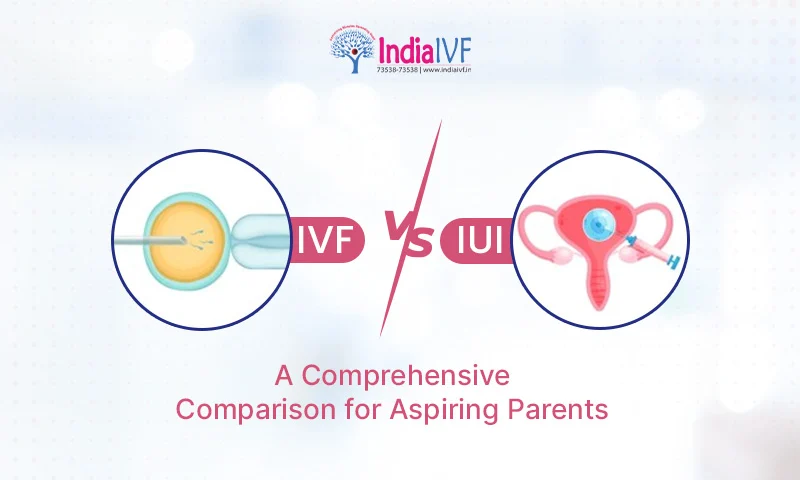
    IVF vs IUI comparison graphic highlighting reproductive methods for aspiring parents.

    Breaking the Silence: Speaking Out About Male and Female Infertility Treatments

    But the reality is that infertility is not a woman’s fault. There are many factors that can contribute to female infertility, including hormonal imbalances, ovulation disorders, and reproductive tract issues. Seeking help from a medical professional and speaking out about their struggles can help women break the silence and receive the support and resources they need to overcome their fertility challenges.

    Breaking the Silence: Male and Female Infertility Treatments

    Fortunately, there are many treatment options available for both male and female infertility. For men, treatments such as hormone therapy, surgery, and assisted reproductive techniques can help improve sperm count and quality. Lifestyle changes, such as quitting smoking and reducing alcohol intake, can also have a positive impact on male fertility.

    For women, fertility treatments include medication, surgery, and assisted reproductive techniques such as in vitro fertilization (IVF) and intrauterine insemination (IUI). These treatments aim to address underlying causes of infertility and help women conceive. Additionally, counseling and support groups can provide emotional support and coping strategies for women and couples going through fertility treatments.

    It is important to note that fertility treatments can be costly and may not always guarantee success. This can add to the stress and pressure that couples face when trying to conceive. However, breaking the silence and seeking help can provide much-needed support and guidance during this difficult time.

    Breaking the Silence: The Importance of Support and Understanding

    The silence surrounding male and female infertility can be incredibly damaging to individuals and couples struggling to conceive. It is essential to break this silence and encourage open and understanding conversations about fertility challenges. By doing so, we can create a more supportive and compassionate environment for those facing infertility and break the stigma and shame surrounding this topic.

    Support groups, online forums, and counseling can provide a safe space for individuals and couples to share their experiences and find comfort in others who understand their struggles. It is also crucial for friends and family to educate themselves about infertility and offer support and understanding to their loved ones going through this difficult journey.

    In conclusion, male and female infertility are common and complex issues that can have a significant impact on individuals and couples. Breaking the silence and speaking out about these challenges can help reduce the stigma and provide much-needed support and resources for those facing fertility struggles. By fostering a more open and understanding environment, we can offer hope and support to those on the journey to parenthood.

  • Empathy and Understanding: The Key Components of Fertility Support Groups

    Empathy and Understanding: The Key Components of Fertility Support Groups

    Fertility struggles can be a difficult and isolating experience for many individuals and couples. The journey towards parenthood can be filled with physical, emotional, and financial challenges, leaving those going through it feeling overwhelmed and alone. This is where fertility support groups can play a crucial role in providing much-needed empathy and understanding to those on the fertility journey.

    Fertility support groups are a safe and supportive space for individuals and couples to share their experiences, emotions, and challenges related to fertility. These groups can be in-person or online and are often facilitated by a trained professional or led by individuals who have gone through fertility struggles themselves. While each support group may have a different focus or approach, there are two key components that are essential to their success – empathy and understanding.

    Empathy refers to the ability to understand and share the feelings of others. In the context of fertility support groups, this means being able to put yourself in the shoes of someone going through similar struggles and truly understanding their emotions, fears, and challenges. Empathy is crucial because it allows individuals to feel seen and heard, which can provide a sense of validation and comfort.

    In fertility support groups, empathy can be expressed through active listening and validation. Active listening involves being fully present and engaged in what the other person is saying, without judgment or distractions. It also involves reflecting back what the person has shared, showing that you have understood and heard them. Validation, on the other hand, involves acknowledging and accepting the emotions and experiences of others. This can be incredibly powerful for those going through fertility struggles, as it can help them feel less alone and more understood.

    Understanding, on the other hand, refers to the ability to comprehend and relate to someone’s experiences and perspectives. In fertility support groups, understanding is essential because it allows individuals to connect with others who are going through similar struggles. It also helps break down feelings of isolation and shame that often come with fertility challenges. When individuals feel understood, they are more likely to open up and share their experiences, which can lead to deeper connections and a sense of belonging.

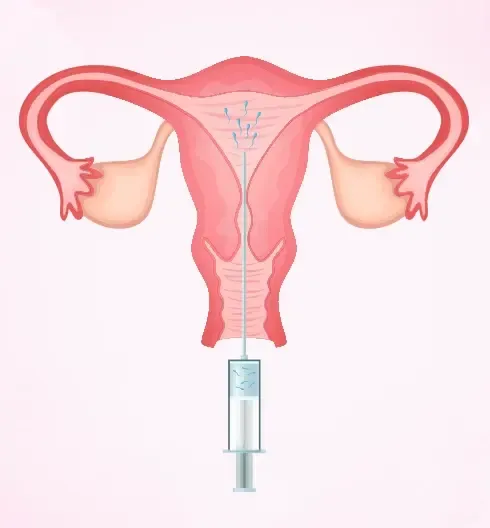
    Illustration of intrauterine insemination (IUI) procedure with syringe and catheter in the uterus.

    Empathy and Understanding: The Key Components of Fertility Support Groups

    One way that understanding is fostered in fertility support groups is through the sharing of personal experiences. When individuals share their stories and struggles, it allows others to see that they are not alone and that their experiences are valid. This can be incredibly comforting and empowering for those going through fertility struggles, as it helps them feel heard and understood. Additionally, understanding can also be fostered through education and information sharing. Support group leaders or professionals may provide valuable information and resources related to fertility, which can help individuals better understand their own experiences and navigate the complexities of fertility treatments.

    Apart from empathy and understanding, there are several other benefits of participating in fertility support groups. These include:

    1. Building a sense of community: Fertility support groups provide a safe and welcoming space for individuals and couples to connect with others who are on a similar journey. This sense of community can provide much-needed support and encouragement, especially during difficult times.

    2. Coping with emotions: Fertility struggles can bring up a wide range of emotions, from grief and sadness to anger and frustration. Support groups can provide a safe outlet for individuals to express and process these emotions, which can be crucial for their overall well-being.

    3. Learning coping strategies: Support groups can also provide individuals with practical coping strategies to help them manage the emotional and physical challenges of fertility treatments. This can include techniques such as mindfulness, relaxation exercises, and self-care practices.

    4. Reducing stigma and shame: Fertility struggles are often surrounded by stigma and shame, which can make individuals feel isolated and misunderstood. Support groups provide a non-judgmental space where individuals can share their experiences without fear of stigma or shame.

    In summary, empathy and understanding are the key components of fertility support groups. These groups provide a safe and supportive space for individuals and couples to share their experiences, emotions, and challenges related to fertility. By fostering empathy and understanding, support groups can help individuals feel seen, heard, and understood, reducing the sense of isolation and shame that often comes with fertility struggles. Additionally, support groups offer a sense of community, coping strategies, and a reduction of stigma and shame, making them a valuable resource for those on the fertility journey.

  • Fertility Support Groups: A Community of Understanding and Encouragement

    Blog Post:

    Fertility can be a difficult and emotional journey for many couples and individuals. The struggles of trying to conceive, the disappointment of failed attempts, and the overwhelming feelings of isolation can take a toll on one’s mental and emotional well-being. This is where fertility support groups come in – a community of understanding and encouragement that can make a significant difference in the fertility journey.

    Fertility support groups are a safe space for individuals and couples to come together, share their experiences, and receive support from others who are going through similar challenges. These groups can provide a sense of belonging, validation, and a non-judgmental environment where people can openly discuss their feelings and concerns.

    One of the most significant benefits of fertility support groups is the opportunity to connect with others who understand and can relate to what you are going through. Often, friends and family may not fully understand the complexities and emotions involved in fertility struggles. In contrast, a support group is made up of individuals who are on a similar journey and can offer empathy and support based on their own experiences.

    Another advantage of joining a fertility support group is the opportunity to learn from others. Each person’s fertility journey is unique, and hearing about different experiences, treatments, and coping strategies can be valuable in navigating one’s own journey. Support group members can also offer practical advice and resources that can be helpful in the fertility process.

    One common misconception about fertility support groups is that they are only for those going through fertility treatments or struggling with infertility. However, these groups welcome anyone who is trying to conceive, regardless of their specific circumstances. This can include individuals and couples who are using assisted reproductive technologies, trying to conceive naturally, or considering adoption. These groups can also be helpful for those who have experienced pregnancy loss or are facing other fertility-related challenges.

    Illustration of a uterus with a syringe indicating an intrauterine insemination procedure.

    Fertility Support Groups: A Community of Understanding and Encouragement

    In addition to providing a sense of community and knowledge-sharing, fertility support groups can also offer emotional support and encouragement. Going through fertility struggles can feel isolating and overwhelming, and having a supportive group can make a significant difference. Members can offer words of encouragement, share success stories, and provide a shoulder to lean on during difficult times. This can be particularly helpful during the ups and downs of fertility treatments, where having a supportive group can provide much-needed emotional stability.

    Fertility support groups can also be a source of hope and positivity. Seeing others who have gone through similar challenges and have successfully conceived can provide motivation and inspiration for those still on their journey. These groups can also offer a safe space to discuss fears and anxieties, and members can offer reassurance and comfort to one another.

    Moreover, fertility support groups can help individuals and couples develop coping strategies and improve their overall well-being. Joining a support group can provide a sense of purpose and a distraction from the fertility journey’s stressors. Members can also learn techniques to manage stress, anxiety, and depression, which are commonly experienced by those going through fertility struggles.

    It is essential to note that fertility support groups are not a substitute for therapy or professional medical advice. They are a complementary resource that can provide a unique type of support during the fertility journey. It is always recommended to seek professional help if one is struggling with their mental health.

    In addition to in-person support groups, there are also online fertility support communities, which can be a great option for those who may not have access to in-person groups or prefer the anonymity of online interactions. These online groups offer the same benefits as in-person support groups, such as a sense of community, knowledge-sharing, emotional support, and encouragement.

    In summary, fertility support groups are a valuable resource for individuals and couples going through fertility struggles. They provide a sense of community, understanding, and encouragement, which can make a significant difference in the fertility journey. These groups offer a safe space to share experiences, learn from others, and receive emotional support. They can also help individuals and couples develop coping strategies and improve their overall well-being. If you are currently on a fertility journey, don’t hesitate to reach out and join a support group – you don’t have to go through it alone.

  • The Importance of a Support System During Fertility Treatment

    Blog Post: The Importance of a Support System During Fertility Treatment

    Fertility treatment can be a challenging and emotional journey for couples who are struggling to conceive. It can be physically and mentally draining, and the support of loved ones can make a significant difference. Having a reliable and understanding support system can help individuals and couples cope with the stress and uncertainty that comes with fertility treatment. In this blog post, we will discuss the importance of a support system during fertility treatment and how it can positively impact the process.

    1. Emotional Support

    Going through fertility treatment can be an emotionally taxing experience. The constant cycle of hope and disappointment can take a toll on one’s mental well-being. Having a support system, whether it’s a partner, family member, or friend, can provide a safe space to express emotions and receive comfort and encouragement. They can be a shoulder to cry on during the difficult moments and a source of strength and positivity during the ups and downs of the treatment.

    2. Practical Support

    Aside from emotional support, a support system can also offer practical help during fertility treatment. This can include accompanying the individual or couple to appointments, helping with household tasks, or taking care of other responsibilities to ease the burden. Fertility treatment often involves numerous appointments, procedures, and medications, and having someone to share the load can make a significant difference.

    3. Understanding

    One of the most challenging aspects of fertility treatment is feeling like no one understands what you are going through. It can be challenging to explain the complexities of the treatment to those who have not experienced it themselves. Having a support system that understands the process and is empathetic can be a great source of comfort. They can provide a listening ear and offer validation and understanding, making the individual or couple feel less alone.

    4. Advocacy

    test tube with sperm in blue liquid, promoting IUI success rate and factors influencing fertility.

    The Importance of a Support System During Fertility Treatment

    Fertility treatment can be overwhelming, and individuals or couples may feel like they are navigating unfamiliar territory. Having a support system that is knowledgeable about the process can be beneficial. They can help ask questions, clarify doubts, and act as advocates for the individual or couple during appointments and procedures. This can help alleviate some of the stress and anxiety associated with fertility treatment.

    5. Keeping a Positive Outlook

    With the many challenges and uncertainties associated with fertility treatment, it can be easy to lose hope and feel discouraged. A support system can play a crucial role in keeping a positive outlook. They can offer words of encouragement, remind the individual or couple of their strength and resilience, and provide a sense of hope and optimism. This positive energy can be a powerful force during fertility treatment and can help individuals and couples stay motivated and focused on their goal.

    6. Sharing the Journey

    Fertility treatment can be a lonely and isolating experience, but having a support system can change that. Sharing the journey with loved ones can make it feel less daunting and overwhelming. It can also bring individuals and couples closer together, strengthening their bond and creating a deeper understanding and appreciation for each other.

    7. Coping with Pregnancy Loss or Failure

    Unfortunately, not all fertility treatments result in a successful pregnancy. Experiencing a pregnancy loss or failure can be devastating, and having a support system during this difficult time is crucial. They can offer comfort and support, and help the individual or couple cope with the loss and heal emotionally.

    In conclusion, having a strong support system during fertility treatment can make a world of difference. It can provide emotional support, practical help, understanding, advocacy, positivity, and companionship. Whether it’s a partner, family member, friend, or support group, having a reliable and caring support system can help individuals and couples navigate the challenges of fertility treatment and increase their chances of success.

    Summary: Fertility treatment can be a challenging and emotional journey, and having a support system can make a significant difference. It can provide emotional and practical support, understanding, advocacy, positivity, and companionship. A support system can also help individuals and couples cope with pregnancy loss or failure. Having a strong support system during fertility treatment can increase the chances of success and make the journey feel less daunting and isolating.

  • Breaking the Silence: Raising Awareness and Understanding on Natural Conception and Assisted Reproduction

    Blog Post:

    Breaking the Silence: Raising Awareness and Understanding on Natural Conception and Assisted Reproduction

    In today’s society, there is a growing awareness and acceptance of different paths to parenthood. While natural conception has been the traditional method of starting a family, advancements in technology and medicine have made assisted reproduction a viable option for those struggling with infertility or other reproductive challenges. However, there is still a stigma surrounding assisted reproduction, and many people may not fully understand the complexities and emotions involved in this journey. In this blog post, we will explore both natural conception and assisted reproduction, breaking the silence and shedding light on this important topic.

    Natural Conception:

    Natural conception is the process of a woman becoming pregnant through sexual intercourse. This has been the primary method of creating a family for centuries, and it is still the most common way of conceiving. In natural conception, sperm from the male partner fertilizes an egg from the female partner, and the fertilized egg implants in the woman’s uterus, resulting in a pregnancy. While this may seem like a simple and straightforward process, it can actually be quite challenging for some couples.

    Infertility affects approximately 1 in 8 couples, and it can be caused by a variety of factors, such as hormonal imbalances, reproductive disorders, or structural issues in the reproductive organs. Additionally, age can also play a significant role in natural conception, as a woman’s fertility declines with age. This can lead to frustration and disappointment for couples who are trying to conceive naturally, as it may take longer than expected or may not happen at all.

    Assisted Reproduction:

    Assisted reproduction, also known as assisted reproductive technology (ART), refers to any fertility treatment that involves the handling of eggs, sperm, or embryos outside of the body. This can include procedures such as in vitro fertilization (IVF), intrauterine insemination (IUI), or donor egg/sperm procedures. ART is often used by couples who are struggling with infertility or those in same-sex relationships, as it provides them with the opportunity to have a biological child.

    While assisted reproduction has helped many couples fulfill their dreams of starting a family, it is not without its challenges and complexities. The process can be physically and emotionally taxing, with numerous doctor’s appointments, tests, and procedures. It can also be financially burdensome, as many insurance plans do not cover the cost of these treatments. Additionally, there may be ethical concerns surrounding the use of donor gametes or the potential for multiple pregnancies with ART.

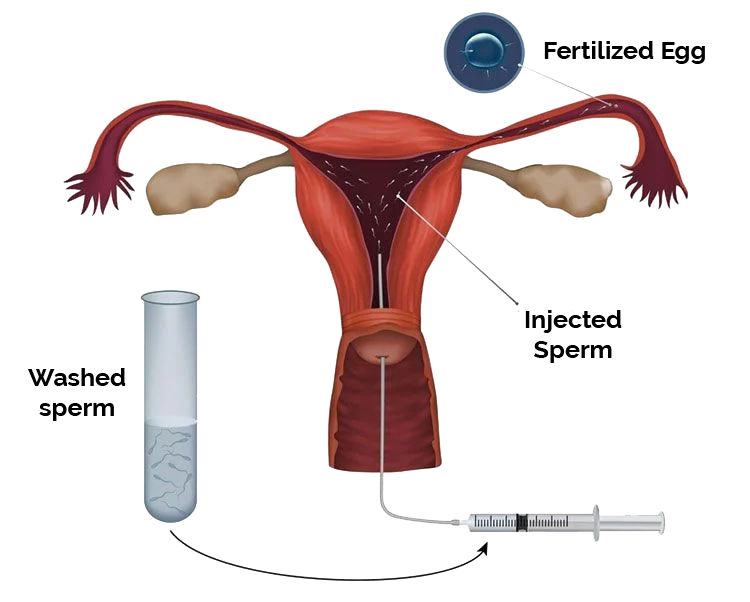
    diagram of the female reproductive system with an IUI syringe and test tube for artificial insemination

    Breaking the Silence: Raising Awareness and Understanding on Natural Conception and Assisted Reproduction

    Breaking the Silence:

    Despite the increasing prevalence of assisted reproduction, there is still a significant lack of understanding and awareness surrounding this topic. Many people may not fully comprehend the struggles and emotions involved in trying to conceive, both naturally and through assisted reproduction. This can lead to feelings of isolation and shame for those who are going through this journey.

    It is crucial to break the silence surrounding natural conception and assisted reproduction and open up the conversation. By educating ourselves and others, we can create a more empathetic and supportive community for those struggling with infertility. This includes understanding the physical and emotional toll that infertility can take on individuals and couples, as well as the various options available for assisted reproduction.

    Raising Awareness and Understanding:

    One way to raise awareness and understanding about natural conception and assisted reproduction is by sharing personal stories and experiences. By sharing our journeys, we can help break down the stigma and show others that they are not alone in their struggles. It is also essential to educate ourselves on the science and technology behind assisted reproduction, as well as the legal and ethical considerations involved.

    Moreover, healthcare providers and insurance companies play a crucial role in raising awareness and understanding of assisted reproduction. By providing comprehensive coverage and support for fertility treatments, they can help ease the financial burden and make it more accessible for couples who need these treatments.

    Conclusion:

    In conclusion, natural conception and assisted reproduction are both valid and valuable paths to parenthood. While they each have their challenges and complexities, it is important to break the silence and raise awareness and understanding about these topics. By educating ourselves and others, we can create a more inclusive and supportive community for those going through the journey of starting a family, regardless of how they conceive.

    Summary:

    In this blog post, we explored the topics of natural conception and assisted reproduction. We discussed the challenges and emotions involved in both methods of starting a family, as well as the importance of breaking the silence and raising awareness and understanding about these topics. By sharing personal stories, educating ourselves, and advocating for comprehensive coverage and support, we can create a more empathetic and inclusive community for those struggling with infertility.