Tag: stigmas

  • Breaking Stigmas: A Look into Artificial Insemination and Natural Conception

    Breaking Stigmas: A Look into Artificial Insemination and Natural Conception

    In today’s society, there are many stigmas surrounding the topic of pregnancy and conception. While some may view pregnancy and childbirth as a natural and effortless process, the truth is that it can be a complicated and emotional journey for many individuals and couples. In recent years, there has been a rise in the use of artificial insemination as a means of conception, often due to factors such as infertility or same-sex couples wanting to start a family. However, this method of conception still carries a stigma and is often misunderstood.

    In this blog post, we will delve into the topic of artificial insemination and compare it to natural conception, shedding light on the process and breaking down stigmas surrounding it.

    What is Artificial Insemination?

    Artificial insemination, also known as intrauterine insemination (IUI), is a fertility treatment that involves placing sperm directly into a woman’s uterus to increase the chances of fertilization. The process of artificial insemination can be done using either a partner’s sperm or donor sperm, depending on the situation.

    IUI is commonly used by couples struggling with male factor infertility, where the male partner has a low sperm count or poor sperm motility. It is also used by same-sex couples and single women who want to start a family.

    The Process of Artificial Insemination

    The process of artificial insemination begins with the woman undergoing ovarian stimulation, where she is given medication to increase the production of eggs. This is followed by monitoring the growth and development of the eggs through ultrasounds and blood tests.

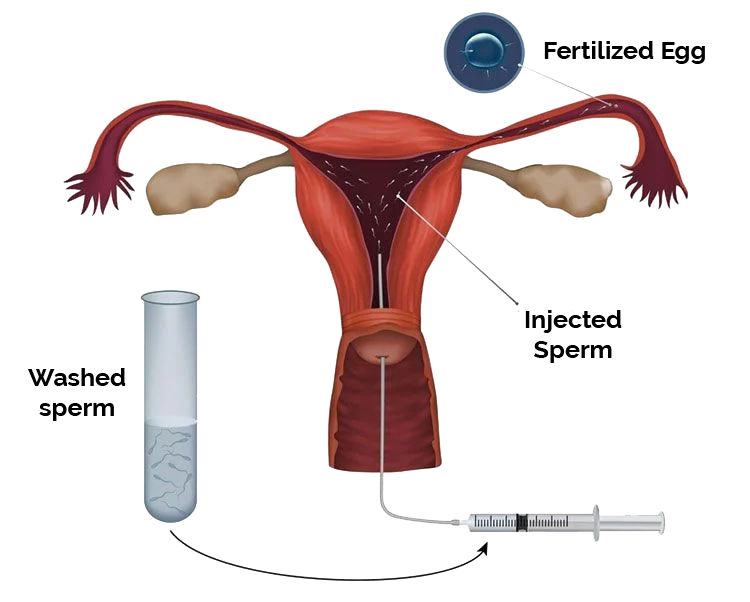
    Once the eggs are mature, the woman receives a trigger shot of human chorionic gonadotropin (hCG), which triggers ovulation. The sperm is then washed and prepared for insemination, where it is placed into the woman’s uterus through a thin catheter.

    After the procedure, the woman may experience mild cramping and spotting. A pregnancy test is usually done after two weeks to determine if the procedure was successful.

    Breaking Stigmas Surrounding Artificial Insemination

    One of the biggest stigmas surrounding artificial insemination is that it is an unnatural way of conceiving. Some may argue that it goes against the natural process of conception, where a sperm fertilizes an egg during sexual intercourse. However, the truth is that artificial insemination is simply a different method of achieving the same result – pregnancy.
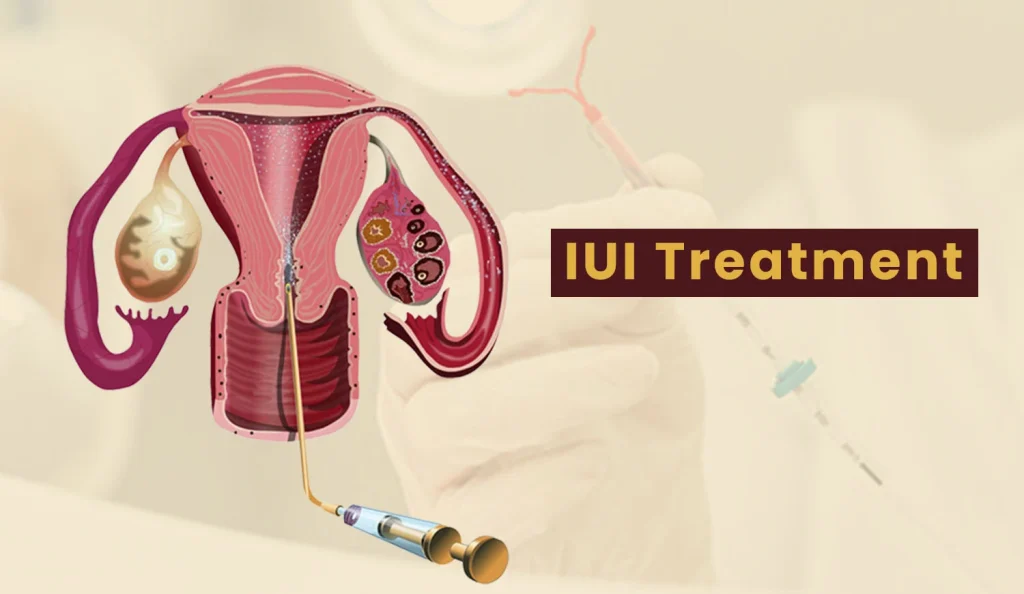
    illustration of the uterus and ovaries with a syringe, labeled "IUI Treatment" in the background

    Breaking Stigmas: A Look into Artificial Insemination and Natural Conception

    Moreover, advancements in technology have made it possible to mimic the process of natural conception, with the sperm being placed directly into the uterus. This method also has a higher success rate compared to natural conception, making it a viable option for couples and individuals struggling with infertility.

    Another stigma surrounding artificial insemination is that it is only used by same-sex couples and single women. This misconception can create a sense of exclusion for heterosexual couples who may also need this method of conception due to fertility issues.

    It is important to break down these stigmas and educate society on the various reasons why individuals and couples may choose artificial insemination as a means of conception. Every person deserves the chance to start a family, regardless of their sexual orientation or relationship status.

    Natural Conception: The Other Side of the Coin

    While artificial insemination has its benefits, it is essential to also acknowledge the beauty and miracle of natural conception. For many couples, trying to conceive naturally can be a challenging and emotional journey. However, the experience of creating a life together through the love and intimacy of sexual intercourse can also be a beautiful and bonding experience.

    Moreover, natural conception has its own set of advantages, including the release of hormones during sexual intercourse that can help with fertility and the creation of a stronger bond between partners.

    It is important to remember that both artificial insemination and natural conception have their own unique journeys and outcomes, and neither should be stigmatized or viewed as superior to the other.

    In Conclusion

    The decision to start a family through artificial insemination or natural conception is a personal and individual one. It is crucial to break down stigmas surrounding artificial insemination and educate society on the process and reasons why individuals and couples may choose this method of conception. At the same time, we must also celebrate the beauty of natural conception and recognize the importance of both methods in the journey of starting a family.

    In the end, all that matters is the love and happiness that comes with the arrival of a new life, regardless of the method of conception.

    Summary:

    Pregnancy and conception can be a complicated and emotional journey for many individuals and couples. Artificial insemination, also known as IUI, is a fertility treatment that involves placing sperm directly into a woman’s uterus to increase the chances of fertilization. This method of conception is often stigmatized and misunderstood. However, it is simply a different way of achieving the same result – pregnancy. Natural conception, on the other hand, is a beautiful and bonding experience between partners, but it also has its own set of challenges. It is essential to break down stigmas surrounding artificial insemination and celebrate both methods of conception as they both contribute to the journey of starting a family.
  • Breaking the Silence: Raising Awareness and Understanding on Natural Conception and Assisted Reproduction

    Blog Post:

    Breaking the Silence: Raising Awareness and Understanding on Natural Conception and Assisted Reproduction

    In today’s society, there is a growing awareness and acceptance of different paths to parenthood. While natural conception has been the traditional method of starting a family, advancements in technology and medicine have made assisted reproduction a viable option for those struggling with infertility or other reproductive challenges. However, there is still a stigma surrounding assisted reproduction, and many people may not fully understand the complexities and emotions involved in this journey. In this blog post, we will explore both natural conception and assisted reproduction, breaking the silence and shedding light on this important topic.

    Natural Conception:

    Natural conception is the process of a woman becoming pregnant through sexual intercourse. This has been the primary method of creating a family for centuries, and it is still the most common way of conceiving. In natural conception, sperm from the male partner fertilizes an egg from the female partner, and the fertilized egg implants in the woman’s uterus, resulting in a pregnancy. While this may seem like a simple and straightforward process, it can actually be quite challenging for some couples.

    Infertility affects approximately 1 in 8 couples, and it can be caused by a variety of factors, such as hormonal imbalances, reproductive disorders, or structural issues in the reproductive organs. Additionally, age can also play a significant role in natural conception, as a woman’s fertility declines with age. This can lead to frustration and disappointment for couples who are trying to conceive naturally, as it may take longer than expected or may not happen at all.

    Assisted Reproduction:

    Assisted reproduction, also known as assisted reproductive technology (ART), refers to any fertility treatment that involves the handling of eggs, sperm, or embryos outside of the body. This can include procedures such as in vitro fertilization (IVF), intrauterine insemination (IUI), or donor egg/sperm procedures. ART is often used by couples who are struggling with infertility or those in same-sex relationships, as it provides them with the opportunity to have a biological child.

    While assisted reproduction has helped many couples fulfill their dreams of starting a family, it is not without its challenges and complexities. The process can be physically and emotionally taxing, with numerous doctor’s appointments, tests, and procedures. It can also be financially burdensome, as many insurance plans do not cover the cost of these treatments. Additionally, there may be ethical concerns surrounding the use of donor gametes or the potential for multiple pregnancies with ART.

    diagram of the female reproductive system with an IUI syringe and test tube for artificial insemination

    Breaking the Silence: Raising Awareness and Understanding on Natural Conception and Assisted Reproduction

    Breaking the Silence:

    Despite the increasing prevalence of assisted reproduction, there is still a significant lack of understanding and awareness surrounding this topic. Many people may not fully comprehend the struggles and emotions involved in trying to conceive, both naturally and through assisted reproduction. This can lead to feelings of isolation and shame for those who are going through this journey.

    It is crucial to break the silence surrounding natural conception and assisted reproduction and open up the conversation. By educating ourselves and others, we can create a more empathetic and supportive community for those struggling with infertility. This includes understanding the physical and emotional toll that infertility can take on individuals and couples, as well as the various options available for assisted reproduction.

    Raising Awareness and Understanding:

    One way to raise awareness and understanding about natural conception and assisted reproduction is by sharing personal stories and experiences. By sharing our journeys, we can help break down the stigma and show others that they are not alone in their struggles. It is also essential to educate ourselves on the science and technology behind assisted reproduction, as well as the legal and ethical considerations involved.

    Moreover, healthcare providers and insurance companies play a crucial role in raising awareness and understanding of assisted reproduction. By providing comprehensive coverage and support for fertility treatments, they can help ease the financial burden and make it more accessible for couples who need these treatments.

    Conclusion:

    In conclusion, natural conception and assisted reproduction are both valid and valuable paths to parenthood. While they each have their challenges and complexities, it is important to break the silence and raise awareness and understanding about these topics. By educating ourselves and others, we can create a more inclusive and supportive community for those going through the journey of starting a family, regardless of how they conceive.

    Summary:

    In this blog post, we explored the topics of natural conception and assisted reproduction. We discussed the challenges and emotions involved in both methods of starting a family, as well as the importance of breaking the silence and raising awareness and understanding about these topics. By sharing personal stories, educating ourselves, and advocating for comprehensive coverage and support, we can create a more empathetic and inclusive community for those struggling with infertility.