Title: A Comprehensive Guide to Fertility Supplements and Medical Treatments
Introduction:
Infertility affects millions of couples worldwide and can be a frustrating and emotional journey. While there are many factors that can contribute to difficulty conceiving, there are also a variety of supplements and medical treatments available to help boost fertility. In this comprehensive guide, we will discuss the most common fertility supplements and medical treatments, their benefits, and potential risks.
Fertility Supplements:
1. Folic Acid:
Folic acid is a B-vitamin that is essential for healthy cell growth and development. It is especially important for women who are trying to conceive, as it can help prevent birth defects in the baby. Studies have shown that taking folic acid before and during pregnancy can significantly reduce the risk of neural tube defects.
2. Coenzyme Q10:
Coenzyme Q10 is an antioxidant that helps protect the eggs from damage. As women age, the quality and quantity of their eggs decline, making it harder to conceive. Coenzyme Q10 can help improve egg quality and increase the chances of pregnancy. It can also help improve sperm quality in men.
3. Omega-3 Fatty Acids:
Omega-3 fatty acids are essential for maintaining overall health, but they are also important for fertility. They help regulate hormones, improve blood flow to the reproductive organs, and can increase cervical mucus, making it easier for sperm to reach the egg. Omega-3 fatty acids have also been shown to improve the success of fertility treatments such as in vitro fertilization (IVF).
4. Vitamin D:
Vitamin D deficiency has been linked to infertility in both men and women. It is important for ovulation and sperm production, and low levels have been associated with an increased risk of miscarriage. Some studies have also shown that women undergoing fertility treatments may have better outcomes when their vitamin D levels are optimal.
5. Zinc:
Zinc is a mineral that is essential for reproductive health. It plays a crucial role in egg development, fertilization, and embryo development. Zinc deficiency has been linked to irregular menstrual cycles, poor egg quality, and low sperm count. Supplementing with zinc can help improve fertility in both men and women.
A Comprehensive Guide to Fertility Supplements and Medical Treatments
Medical Treatments:
1. Intrauterine Insemination (IUI):
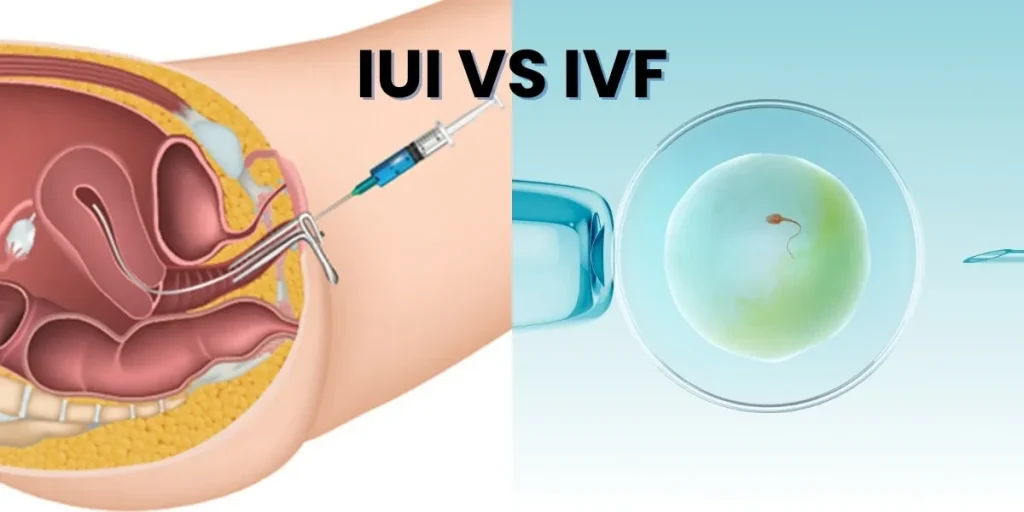
Intrauterine insemination (IUI) is a fertility treatment that involves placing washed and concentrated sperm directly into the uterus. It is often used for couples with unexplained infertility, mild male factor infertility, or cervical issues. The procedure is relatively simple and is usually done in the doctor’s office. IUI can be done with or without fertility drugs to stimulate ovulation.
2. In Vitro Fertilization (IVF):
In vitro fertilization (IVF) is a more involved fertility treatment that involves fertilizing eggs with sperm in a laboratory and then transferring the resulting embryo into the uterus. IVF is often recommended for couples with severe male factor infertility, ovulation disorders, blocked fallopian tubes, or unexplained infertility. It can also be used for women who have had previous fertility problems or are of advanced maternal age.
3. Intracytoplasmic Sperm Injection (ICSI):
Intracytoplasmic sperm injection (ICSI) is a procedure that is used in conjunction with IVF. It involves injecting a single sperm directly into the egg to assist with fertilization. ICSI is often recommended for couples with male factor infertility, such as low sperm count or poor sperm motility.
4. Donor Eggs or Sperm:
For couples who are unable to conceive using their own eggs or sperm, donor eggs or sperm may be an option. Donor eggs can be used with IVF, while donor sperm can be used with IUI, IVF, or ICSI. This option is often recommended for women with diminished ovarian reserve, advanced maternal age, or genetic disorders.
5. Surrogacy:
Surrogacy involves using a gestational carrier to carry a pregnancy on behalf of a woman or couple who is unable to conceive on their own. This option is often recommended for women who are unable to carry a pregnancy due to medical reasons or same-sex male couples.
Conclusion:
Fertility supplements and medical treatments can be beneficial for couples struggling with infertility. However, it is important to consult with a healthcare professional before starting any new supplement or treatment. It is also essential to understand the potential risks and limitations of each option and to manage expectations. With the right combination of supplements and medical treatments, many couples can overcome infertility and achieve their dream of starting a family.
Summary:
Infertility can be a challenging and emotional journey, but there are supplements and medical treatments available to help boost fertility. Folic acid, coenzyme Q10, omega-3 fatty acids, vitamin D, and zinc are all beneficial for fertility. Medical treatments such as IUI, IVF, ICSI, donor eggs or sperm, and surrogacy can also assist with conception. It is essential to consult with a healthcare professional and understand the potential risks and limitations of each option before starting any treatment.