Fertility Supplements vs Medical Treatments: Which is More Natural?
The topic of fertility has always been a sensitive subject for couples who are struggling to conceive. With advancements in modern medicine, there are now various options available for those seeking to enhance their chances of getting pregnant. However, there is often a debate between the use of fertility supplements and medical treatments, as people question which option is more natural and effective. In this blog post, we will delve into the differences between fertility supplements and medical treatments, and ultimately determine which option is more natural.
Fertility Supplements
Fertility supplements are natural products that are marketed as a way to boost fertility and increase the chances of conception. These supplements often contain a combination of vitamins, minerals, herbs, and other natural ingredients that claim to improve reproductive health. Some of the popular fertility supplements include maca root, chasteberry, and CoQ10.
One of the main benefits of fertility supplements is that they are easily accessible and do not require a prescription. They are also generally cheaper compared to medical treatments, making them a more affordable option for couples trying to conceive. Additionally, as they are made from natural ingredients, many people consider them to be a more natural approach to fertility.
However, it is important to note that fertility supplements are not regulated by the Food and Drug Administration (FDA) and therefore, their safety and effectiveness cannot be guaranteed. There is limited research on the efficacy of these supplements, and the results have been mixed. While some studies have shown a positive impact on fertility, others have found no significant difference. It is also worth mentioning that these supplements are not a quick fix and may take several months to show any results.
Medical Treatments
On the other hand, medical treatments for fertility involve the use of assisted reproductive technologies (ART) such as in vitro fertilization (IVF), intrauterine insemination (IUI), and fertility drugs. These treatments are usually recommended for couples who have been trying to conceive for a long time without success or have underlying medical conditions that affect fertility.
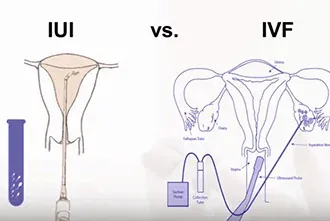
Fertility Supplements vs Medical Treatments: Which is More Natural?
One of the main benefits of medical treatments is that they have a higher success rate compared to fertility supplements. IVF, for example, has a success rate of up to 40% for women under 35, and IUI has a success rate of 10-20% per cycle. These treatments are also closely monitored by medical professionals, ensuring the safety and effectiveness of the procedures.
However, one of the major concerns with medical treatments is that they often involve the use of hormones and other medications that may have side effects. These treatments can also be invasive and emotionally taxing for couples, as they may require multiple procedures and appointments.
Which is More Natural?
When it comes to the question of which option is more natural, it ultimately depends on one’s definition of “natural.” Fertility supplements are made from natural ingredients, but as mentioned earlier, they are not regulated by the FDA and may not be as effective as they claim to be. On the other hand, medical treatments involve the use of medications and procedures, which may not be considered natural by some individuals.
It is also worth noting that both fertility supplements and medical treatments have their own limitations. Fertility supplements may not be suitable for everyone, especially those with underlying medical conditions, and they may take longer to show results. Medical treatments, on the other hand, may not be accessible to everyone due to their high cost and may not be a viable option for those with certain medical conditions.
In conclusion, there is no one-size-fits-all solution when it comes to fertility. Both fertility supplements and medical treatments have their own pros and cons, and the effectiveness of each option may vary from person to person. It is essential to consult with a healthcare professional to determine the best course of action for your individual situation.
Summary:
The topic of fertility is a sensitive one, and many couples question whether fertility supplements or medical treatments are more natural and effective. Fertility supplements are natural products that claim to boost fertility, but they are not regulated by the FDA and may not be as effective as they claim to be. On the other hand, medical treatments involve procedures and medications that may have side effects, but they have a higher success rate. Ultimately, the definition of “natural” is subjective, and it is essential to consult with a healthcare professional to determine the best course of action for your individual situation.