Tag: donor eggs

  • The Role of Age in Male and Female Factor Infertility: How It Affects Treatment

    Blog Post: The Role of Age in Male and Female Factor Infertility: How It Affects Treatment

    Infertility is a common issue faced by many couples around the world. It is defined as the inability to conceive a child after a year of regular and unprotected intercourse. While infertility can be caused by various factors, age plays a significant role in both male and female fertility. As we age, our reproductive system also ages and undergoes changes that can affect our fertility. In this blog post, we will delve into the role of age in male and female factor infertility and how it affects treatment options.

    Female Factor Infertility and Age

    Women are born with a finite number of eggs in their ovaries, and as they age, their egg reserve decreases. This means that as women get older, their chances of getting pregnant decrease, and the risk of infertility increases. In fact, a woman’s fertility starts to decline in her early 30s and significantly decreases after the age of 35. This is because the quality of eggs also decreases with age, making it more difficult for fertilization and implantation to occur.

    Moreover, as women age, they are also at a higher risk of developing medical conditions that can affect their fertility, such as endometriosis, uterine fibroids, and polycystic ovary syndrome (PCOS). These conditions can interfere with the release of eggs and the implantation of fertilized eggs, making it challenging to conceive.

    Treatment Options for Female Factor Infertility Due to Age

    The most common treatment option for female factor infertility due to age is assisted reproductive technology (ART). This includes techniques such as in vitro fertilization (IVF), where eggs are retrieved and fertilized in a laboratory before being implanted into the uterus. However, as women get older, the success rates of ART also decrease due to the quality and quantity of eggs. This means that older women may need multiple rounds of IVF to achieve a successful pregnancy, which can be physically, emotionally, and financially taxing.

    Another treatment option for women with age-related infertility is donor eggs. This involves using eggs from a younger, fertile donor to be fertilized with the partner’s sperm and implanted into the woman’s uterus. While this can increase the chances of pregnancy, it may also come with ethical and emotional considerations for both the woman and her partner.

    Male Factor Infertility and Age

    While women are often solely blamed for infertility, male factor infertility also plays a significant role. As men age, their sperm quality and quantity also decline. This can lead to difficulty in fertilization and increasing the risk of miscarriage. In fact, studies have shown that men over the age of 40 are at a higher risk of fathering children with genetic abnormalities.
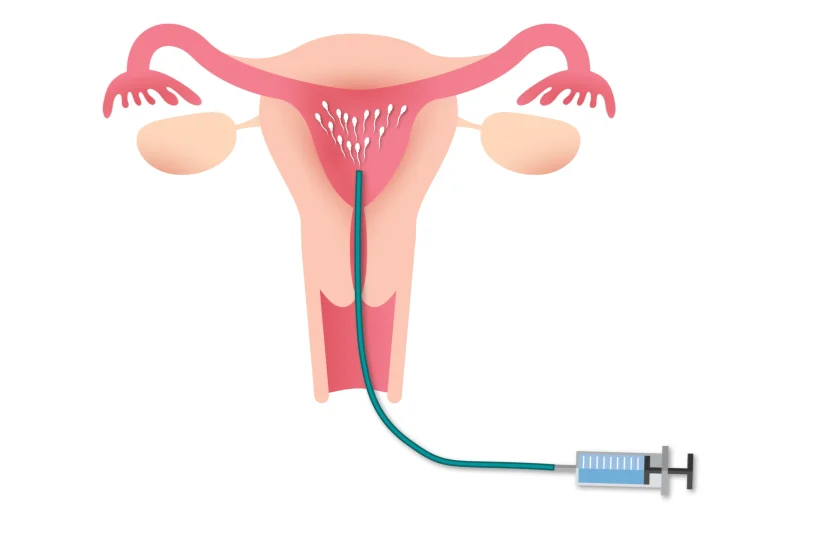
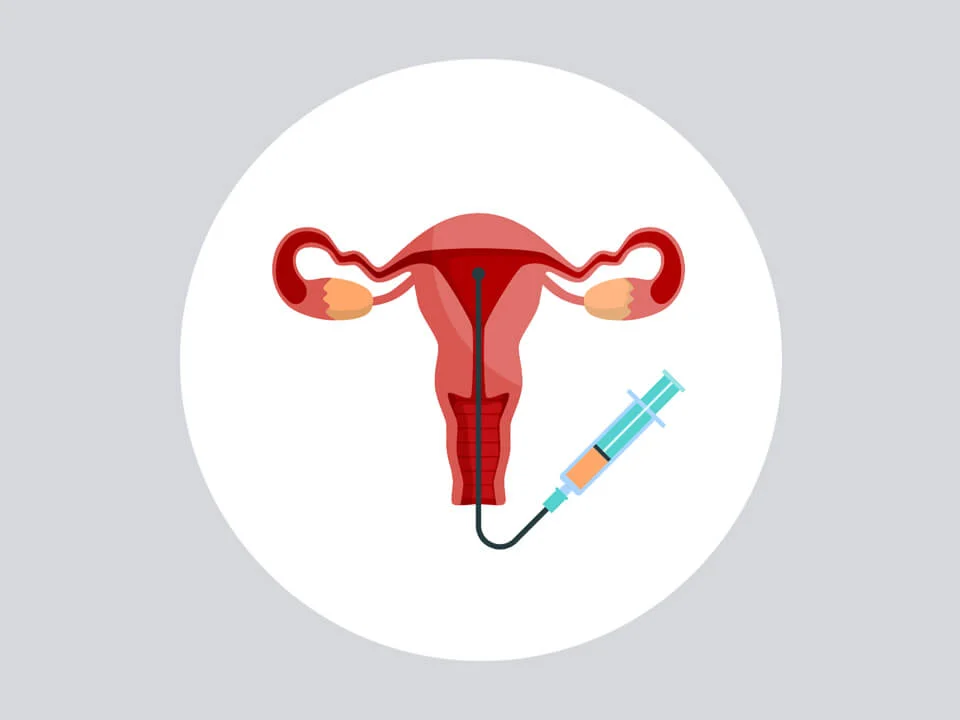
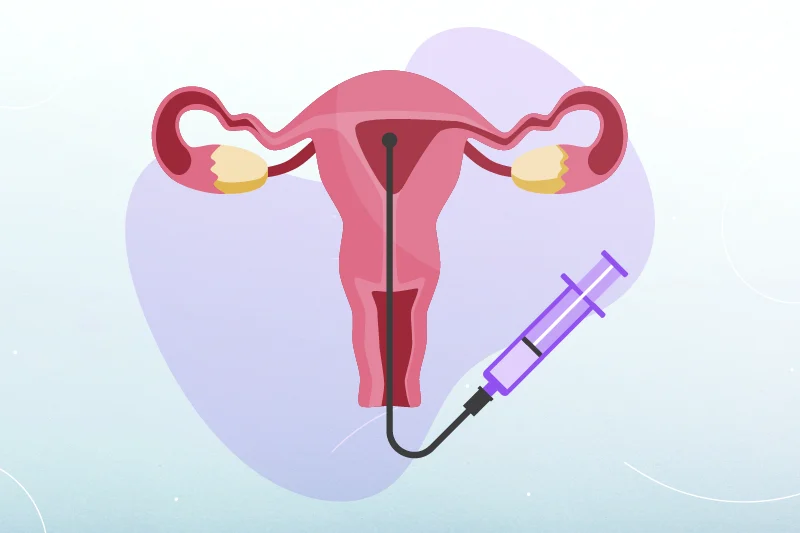
    diagram of a uterus with a syringe for intrauterine insemination procedure

    The Role of Age in Male and Female Factor Infertility: How It Affects Treatment

    Moreover, as men age, they are also at a higher risk of developing medical conditions that can affect their fertility, such as erectile dysfunction, hormonal imbalances, and prostate issues. These conditions can interfere with the production and release of healthy sperm, making it difficult to conceive.

    Treatment Options for Male Factor Infertility Due to Age

    The most common treatment option for male factor infertility is intrauterine insemination (IUI). This involves placing washed and concentrated sperm directly into the woman’s uterus during ovulation. However, as men get older, their sperm quality may not be sufficient for IUI to be successful. In such cases, IVF with intracytoplasmic sperm injection (ICSI) may be recommended. ICSI involves injecting a single sperm directly into an egg to increase the chances of fertilization.

    Another treatment option for male factor infertility is sperm donation. This involves using sperm from a donor to fertilize the woman’s eggs. While this can increase the chances of pregnancy, it may also come with emotional considerations for both the man and his partner.

    The Importance of Seeking Help Early

    As we can see, age plays a significant role in both male and female factor infertility. As we age, our fertility decreases, and the risks of medical conditions that can affect fertility increase. Therefore, it is crucial for couples to seek help early if they are struggling to conceive. This can increase their chances of success and reduce the need for more invasive and costly treatment options.

    Moreover, seeking help early can also help couples address any underlying medical conditions that may be affecting their fertility. This can improve their overall health and well-being, making it easier to conceive and have a healthy pregnancy.

    In conclusion, age is a crucial factor in both male and female factor infertility. As we age, our fertility decreases, and the risks of medical conditions that can affect fertility increase. Therefore, it is essential for couples to seek help early and explore their treatment options to increase their chances of success.

    Summary:

    Infertility is a common issue faced by many couples, and age plays a significant role in both male and female factor infertility. As women age, their egg reserve decreases, and the quality of eggs also declines, making it more difficult to conceive. Treatment options for female factor infertility due to age include assisted reproductive technology and donor eggs. On the other hand, as men age, their sperm quality and quantity also decline, leading to difficulty in fertilization. Treatment options for male factor infertility include intrauterine insemination, IVF with ICSI, and sperm donation. It is crucial for couples to seek help early to increase their chances of success and address any underlying medical conditions that may be affecting their fertility.
  • Exploring the Ethics of Fertility Medications vs Surgical Treatments

    Blog Post:

    In today’s world, couples who struggle with fertility issues have more options than ever before. From fertility medications to surgical treatments, there are various routes for couples to take in their journey to parenthood. However, with these options come ethical considerations that must be carefully examined. In this blog post, we will explore the ethics of fertility medications versus surgical treatments, and the various factors that come into play when making this decision.

    Fertility Medications:

    Fertility medications, also known as fertility drugs, are medications that are used to stimulate ovulation in women or improve sperm production in men. These medications work by regulating hormones in the body that are responsible for fertility. The most common fertility medications include Clomid, Letrozole, and Gonadotropins.

    One of the main ethical concerns surrounding fertility medications is their potential side effects. These drugs can cause multiple births, which can pose a risk to both the mother and the babies. In addition, some fertility medications have been linked to an increased risk of ovarian cancer. This risk may be higher for women who have used these medications for multiple cycles. It is important for couples considering fertility medications to be fully informed of these potential risks and to weigh them against the potential benefits.

    Another ethical consideration is the cost of fertility medications. These drugs can be expensive, and insurance coverage may vary. This can create a financial burden for couples who are already dealing with the emotional and physical toll of fertility treatments. It is important for couples to carefully consider the cost and their financial situation before deciding to pursue fertility medications.

    Surgical Treatments:

    Surgical treatments for fertility issues include procedures such as in vitro fertilization (IVF), intrauterine insemination (IUI), and tubal ligation reversal. These treatments are more invasive than fertility medications and may have a higher success rate. However, they also come with their own set of ethical considerations.

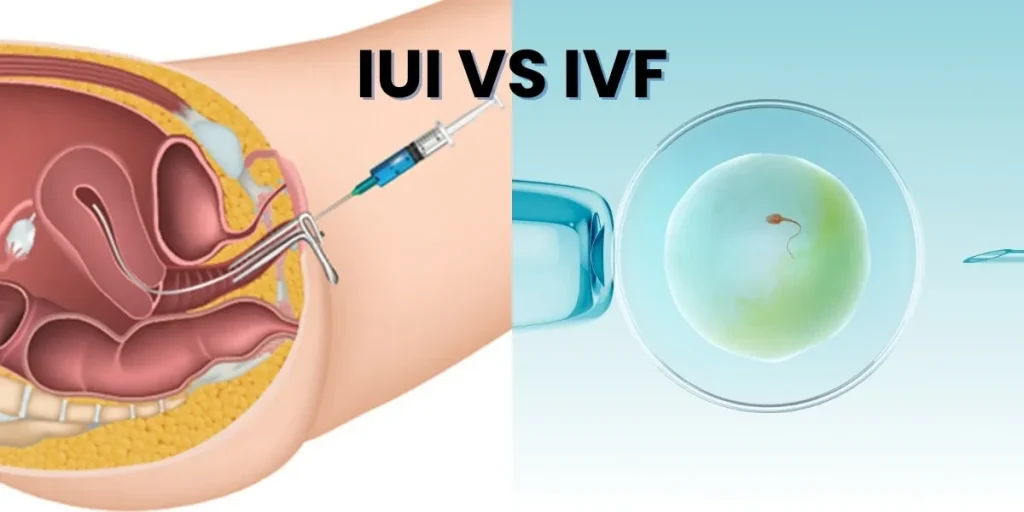
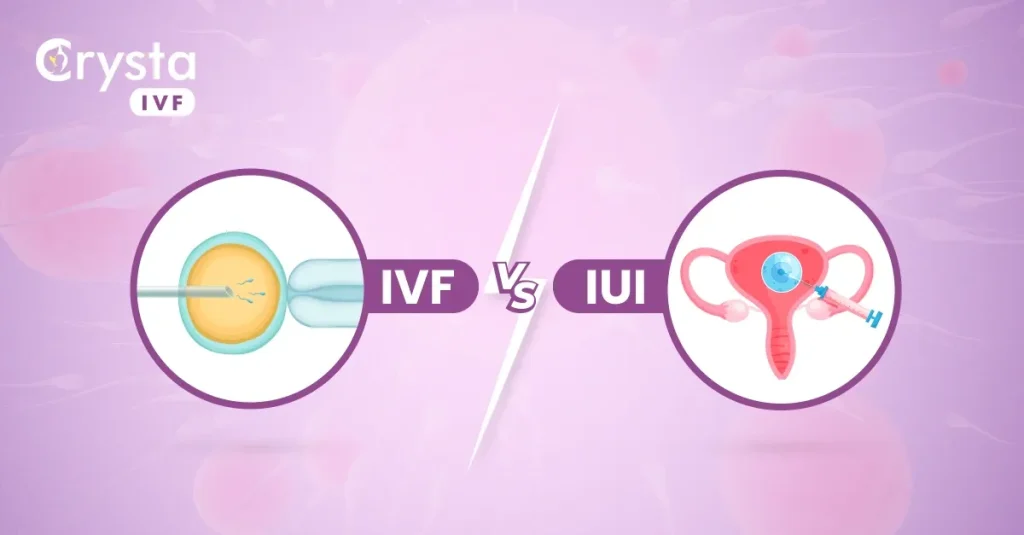
    Comparison of IVF and IUI procedures with illustrations of each method.

    Exploring the Ethics of Fertility Medications vs Surgical Treatments

    One of the main ethical concerns with surgical treatments is the use of donor eggs or sperm. IVF, in particular, involves the use of donor eggs or sperm in some cases. This raises questions about the identity of the child and their genetic makeup. Some couples may also struggle with the idea of not being genetically related to their child. It is important for couples to carefully consider the use of donor eggs or sperm and the potential implications for their family.

    Another ethical concern is the emotional and physical toll that surgical treatments can have on couples. These procedures can be physically and emotionally draining, and they may not always result in a successful pregnancy. This can be a difficult and emotionally challenging journey for couples, and it is important for them to have a strong support system in place.

    Making the Decision:

    The decision between fertility medications and surgical treatments is a highly personal and individual one. It is important for couples to carefully consider all of the ethical implications and potential risks before making a decision. Couples should also consult with their healthcare provider and seek out a second opinion if needed.

    It is also important for couples to have open and honest communication with each other throughout this process. Fertility treatments can be stressful and can put a strain on a relationship, so it is crucial for couples to support each other and make decisions together.

    In addition to ethical considerations, other factors such as age, underlying medical conditions, and the cause of infertility should also be taken into account when making this decision. Each couple’s situation is unique, and what may be the best option for one couple may not be the best for another.

    Summary:

    In conclusion, choosing between fertility medications and surgical treatments is a complex and highly personal decision that requires careful consideration of ethical concerns, potential risks, and individual circumstances. Couples must be fully informed and have open communication with each other to make the best decision for their family. Ultimately, the goal is to achieve a healthy and successful pregnancy, and whichever route couples choose, they should feel confident in their decision and have a strong support system in place.

  • Egg Retrieval vs Egg Sharing: The Role of Genetics

    Blog Post:

    Egg retrieval and egg sharing are two popular options for individuals or couples looking to start a family through assisted reproductive technology (ART). While both methods involve the use of donor eggs, there are significant differences in terms of the role of genetics. In this blog post, we will explore the differences between egg retrieval and egg sharing, and how genetics play a crucial role in these processes.

    Egg Retrieval:

    Egg retrieval, also known as egg donation, involves the use of donor eggs from an anonymous donor. These donors undergo a thorough screening process to ensure they are physically and mentally healthy, and have no genetic or hereditary conditions that could be passed on to the offspring. Egg retrieval is typically used by individuals or couples who are unable to produce viable eggs themselves due to various reasons such as age, medical conditions, or previous surgeries.

    The Role of Genetics in Egg Retrieval:

    In egg retrieval, the donor eggs are fertilized with sperm from the intended father or a sperm donor, and the resulting embryo is implanted into the recipient’s uterus. This means that the genetics of the intended father or sperm donor will be passed on to the child, while the genetics of the egg donor will not be a factor in the child’s genetic makeup.

    The main advantage of egg retrieval is that it allows individuals or couples to have a child that is genetically related to one of the intended parents. This can be a significant consideration for those who want to have a child that shares their genetic traits and characteristics.

    Egg Sharing:

    Egg sharing, also known as shared egg donation, is a process where a woman donates a portion of her eggs to another woman in need, while keeping the remaining eggs for her own future use. This method is typically used by women who are undergoing fertility treatment and have a surplus of eggs, or by women who want to help others in need while still having the option to have their own biological child in the future.

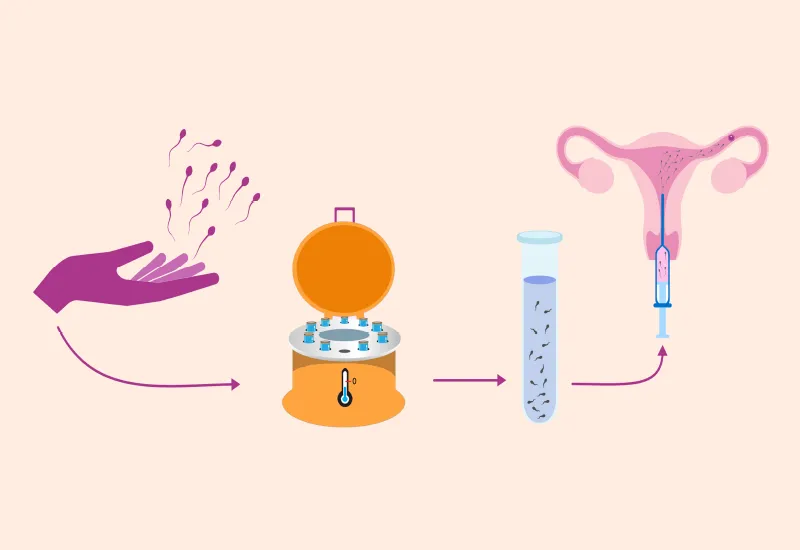
    illustration of the IUI process, showing sperm collection, preparation, and insertion into the uterus

    Egg Retrieval vs Egg Sharing: The Role of Genetics

    The Role of Genetics in Egg Sharing:

    In egg sharing, the eggs from the donor are fertilized with the sperm from the intended father or a sperm donor, and the resulting embryo is implanted into the recipient’s uterus. This means that the child will have genetic material from both the egg donor and the intended father or sperm donor.

    One of the main advantages of egg sharing is that it offers a more cost-effective option for those in need of donor eggs, as the cost of the procedure is shared between the donor and the recipient. Additionally, egg sharing allows for a closer genetic relationship between the child and the intended parent, as compared to traditional egg donation.

    The Importance of Genetics in Egg Retrieval and Egg Sharing:

    While both egg retrieval and egg sharing offer viable options for individuals or couples looking to start a family, it is essential to understand the role of genetics in these processes. In egg retrieval, the child will only have genetic material from the intended father or sperm donor, while in egg sharing, the child will have genetic material from both the egg donor and the intended father or sperm donor.

    Genetics play a crucial role in the physical and mental characteristics of an individual, and it is essential to consider this factor when choosing between egg retrieval and egg sharing. It is important to note that both methods have their advantages and disadvantages, and the decision should be made after a thorough consultation with a medical professional.

    In conclusion, egg retrieval and egg sharing are two popular options for individuals or couples looking to start a family through assisted reproductive technology. While egg retrieval allows for a genetic connection between the child and the intended parent, egg sharing offers a more cost-effective option and a closer genetic relationship between the child and the intended parent. Ultimately, the decision between egg retrieval and egg sharing should be based on individual circumstances, preferences, and medical advice.

    Summary:

    Egg retrieval and egg sharing are two options for individuals or couples looking to start a family through assisted reproductive technology (ART). Egg retrieval involves the use of donor eggs from an anonymous donor, while egg sharing involves the use of a portion of a woman’s eggs for another woman in need. In egg retrieval, the child will have genetic material from the intended father or sperm donor, while in egg sharing, the child will have genetic material from both the egg donor and the intended father or sperm donor. The decision between egg retrieval and egg sharing should be based on individual circumstances, preferences, and medical advice.

  • Egg Retrieval vs Egg Sharing: The Importance of Counseling

    Blog Post Title: Egg Retrieval vs Egg Sharing: The Importance of Counseling

    Word Count: 2011

    Egg retrieval and egg sharing are two options that individuals and couples may consider when pursuing fertility treatments. While both methods involve the use of donor eggs, there are significant differences between the two. One major difference is the process of obtaining the eggs, with egg retrieval involving the use of a donor solely for the intended recipient, and egg sharing involving the splitting of eggs between the intended recipient and another individual or couple.

    While these options may seem straightforward, the decision to pursue either egg retrieval or egg sharing can be emotionally and psychologically complex. This is why the importance of counseling cannot be overstated. In this blog post, we will delve into the differences between egg retrieval and egg sharing, and discuss why counseling is a crucial aspect of the decision-making process for both recipients and donors.

    Egg Retrieval: What It Involves

    Egg retrieval, also known as egg donation, is a process where a donor undergoes a medical procedure to extract her eggs, which are then fertilized with the recipient’s partner’s sperm in a laboratory. The fertilized eggs, now embryos, are then transferred to the recipient’s uterus, where they will hopefully implant and result in a pregnancy.

    This method is commonly used by individuals or couples who are unable to use their own eggs due to fertility issues, same-sex couples, or single individuals who want to have a biological child. The use of a donor allows them to experience pregnancy and childbirth, while also having a genetic connection to their child.

    Egg Sharing: What It Involves

    Egg sharing, on the other hand, involves the division of eggs between the intended recipient and another individual or couple. In this process, the donor undergoes the same medical procedure as in egg retrieval, but the eggs are split between the intended recipient and the egg-sharing partner. Each party receives a portion of the eggs, which are then fertilized with their respective partner’s sperm. This allows both parties to have a chance at pregnancy using the same donor’s eggs.

    Egg sharing is often a preferred option for those who want to reduce the cost of fertility treatments as the expenses are shared between the two parties. It is also a way for individuals or couples to help others while also receiving assistance in their own fertility journey.

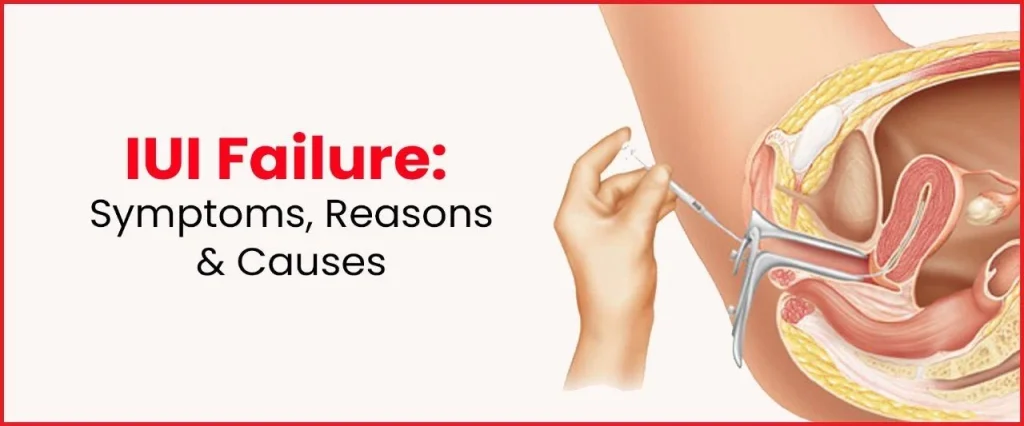
    illustration of IUI procedure with text on symptoms, reasons, and causes of IUI failure

    Egg Retrieval vs Egg Sharing: The Importance of Counseling

    Why Counseling is Essential

    Making the decision to pursue either egg retrieval or egg sharing can be a daunting and overwhelming experience. Recipients may feel a sense of loss and grief over not being able to use their own eggs, while donors may experience feelings of uncertainty and altruistic guilt. This is where counseling plays a crucial role in the process.

    Counseling provides a safe and supportive space for individuals and couples to discuss their thoughts, feelings, and concerns about the decision to pursue egg retrieval or egg sharing. It can help them navigate the complexities of the process, address any underlying emotional issues, and make an informed decision that is best for them.

    For Recipients:

    Counseling can help recipients come to terms with the fact that they will not be able to use their own eggs and explore any feelings of grief or loss. It can also help them understand the implications of using donor eggs and how to navigate potential challenges, such as disclosing the use of donor eggs to their child in the future. Additionally, counseling can help recipients manage their expectations and prepare them for the emotional rollercoaster that comes with fertility treatments.

    For Donors:

    Counseling is equally important for egg donors, as it can help them understand the implications of their decision and address any concerns they may have. Donors may experience feelings of guilt or anxiety about the outcome of their donation and how it may impact their own future fertility. Counseling can also help donors establish boundaries and understand their rights and responsibilities in the process.

    In both cases, counseling can also educate individuals and couples about the legal and ethical aspects of egg retrieval and egg sharing, as well as provide support in dealing with the physical demands and potential side effects of the medical procedures.

    Conclusion

    Egg retrieval and egg sharing are two options that can bring hope and fulfill the dreams of individuals and couples who want to have a child. However, the decision to pursue either method should not be taken lightly. Counseling is a crucial aspect of the process that can help individuals and couples navigate the complex emotions, challenges, and implications of using donor eggs. It is important to seek professional counseling before making any decisions to ensure that both the recipient and donor are emotionally prepared for the journey ahead.

    In summary, egg retrieval and egg sharing are two methods of using donor eggs in fertility treatments. While egg retrieval involves the use of a donor solely for the intended recipient, egg sharing involves splitting the eggs between the intended recipient and another individual or couple. Both methods come with emotional and psychological complexities, making counseling an essential aspect of the decision-making process for both recipients and donors. Seeking professional counseling can help individuals and couples navigate the challenges, manage their expectations, and make informed decisions that are best for them.

  • Finding Support: Egg Retrieval vs Egg Sharing

    Finding Support: Egg Retrieval vs Egg Sharing

    Deciding to pursue fertility treatment can be an overwhelming and emotional journey. For many individuals and couples, the path to parenthood is not a straightforward one, and they may require the assistance of an egg donor to achieve their dream of having a child. Two common options for obtaining donor eggs are egg retrieval and egg sharing. While both methods involve using donor eggs, they have significant differences, including the level of support and involvement required from the intended parent(s). In this blog post, we will explore the differences between egg retrieval and egg sharing and discuss the importance of finding support during this process.

    What is Egg Retrieval?

    Egg retrieval, also known as traditional egg donation, involves using eggs from an anonymous donor to create an embryo through in vitro fertilization (IVF). The intended parent(s) have no genetic connection to the donor, and the donor is compensated for their time and effort in providing the eggs. This method can be a suitable option for individuals or couples who are unable to produce healthy eggs due to various reasons such as advanced age, genetic disorders, or medical conditions. Egg retrieval offers a higher level of anonymity for both the donor and intended parent(s) and requires little to no involvement from the intended parent(s) in the donor selection process.

    What is Egg Sharing?

    Egg sharing, also known as known as a shared egg donor cycle, involves using eggs from a known or designated donor, such as a family member or friend, to create an embryo through IVF. In this method, the donor is usually not compensated, and the intended parent(s) have a closer connection to the donor as they know their identity. Egg sharing is often chosen by individuals or couples who have a family member or friend willing to donate their eggs, as it can be a more affordable option than traditional egg donation. This method also allows for a more personal and involved approach, as the intended parent(s) have a say in the donor selection process and can have a closer relationship with the donor, which may continue after the child is born.

    Support During Egg Retrieval and Egg Sharing

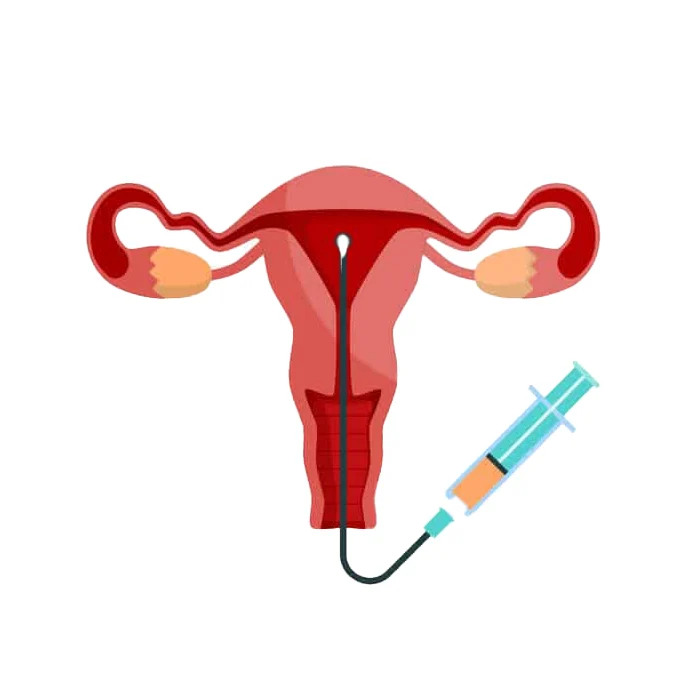
    Illustration of a uterus with a syringe, representing intrauterine insemination (IUI) procedure.

    Finding Support: Egg Retrieval vs Egg Sharing

    One of the most critical aspects of fertility treatment is finding support during the process. Both egg retrieval and egg sharing can be emotionally and physically taxing, and having a strong support system can make a significant difference in the experience. However, the type of support needed may differ depending on the method chosen.

    Egg retrieval may require more emotional support as the intended parent(s) have no genetic connection to the donor, and the process can feel more impersonal. In contrast, egg sharing may require more practical support as the intended parent(s) have a more personal relationship with the donor and may need assistance with coordinating appointments and procedures.

    In both methods, it is essential to have a fertility specialist who can provide medical support and guidance throughout the process. Additionally, joining support groups or seeking therapy can be beneficial for individuals or couples going through fertility treatment. These resources can provide a safe space to share experiences and emotions with others who understand the journey.

    Making the Decision

    When deciding between egg retrieval and egg sharing, it is crucial to consider personal preferences, financial situation, and the level of support needed. Both methods have their advantages and disadvantages, and the decision ultimately depends on what is best for the intended parent(s) and their unique situation. It is vital to have open and honest communication with a fertility specialist and any potential donor to ensure all parties are comfortable with the chosen method.

    In conclusion, egg retrieval and egg sharing are two options for obtaining donor eggs, each with its own set of benefits and considerations. Regardless of which method is chosen, finding support is crucial for a positive and successful fertility treatment experience. Fertility treatment can be a challenging journey, and having a strong support system can make all the difference. For individuals and couples pursuing parenthood through donor eggs, finding the right support can help ease some of the emotional and physical burdens and make the process more manageable.

    Summary:

    Egg retrieval and egg sharing are two options for obtaining donor eggs, with significant differences in the level of support and involvement required from the intended parent(s). Egg retrieval involves using eggs from an anonymous donor, while egg sharing involves using eggs from a known or designated donor. Both methods have their advantages and disadvantages, and the decision ultimately depends on personal preferences and the level of support needed. Having a strong support system, including a fertility specialist, support groups, and therapy, is crucial for a positive and successful fertility treatment experience.

  • Egg Retrieval vs Egg Sharing: Which is Right for You?

    Egg retrieval and egg sharing are two methods of obtaining eggs for fertility treatments. Both options have their own unique benefits and considerations, and choosing between them can be a difficult decision. In this blog post, we will discuss the differences between egg retrieval and egg sharing, the pros and cons of each method, and help you determine which option may be right for you.

    Egg Retrieval:
    Egg retrieval, also known as egg harvesting, involves the process of retrieving eggs from a woman’s ovaries through a minor surgical procedure. The eggs are then used for in vitro fertilization (IVF) or other fertility treatments. This method is typically used when a woman is able to produce a sufficient number of eggs for her own fertility treatments.

    Pros:
    One of the main benefits of egg retrieval is that the eggs are solely for the use of the woman undergoing the procedure. This means that there is no risk of sharing eggs with another recipient, and the chances of success are not affected by another person’s fertility issues.

    Another advantage of egg retrieval is that it allows for the use of donor sperm, which can be helpful for single women or same-sex couples. It also gives the woman control over the timing of the procedure and allows her to choose when she is ready to start a family.

    Cons:
    The main downside of egg retrieval is the cost. It can be an expensive process, as it involves hormone injections, monitoring, and the surgical procedure itself. Additionally, there is a risk of side effects from the hormone injections, such as bloating, mood swings, and discomfort.

    Another consideration is the possibility of multiple pregnancies. With IVF, multiple embryos may be implanted to increase the chances of success, which can result in multiple pregnancies and increase the risk of complications for both the mother and babies.

    Egg Sharing:
    Egg sharing, also known as egg donation, involves a woman donating some of her eggs to another recipient who is unable to produce their own. This method is typically used when a woman is producing a higher number of eggs than needed for her own fertility treatment.

    Pros:
    The main benefit of egg sharing is the cost savings. By donating some of her eggs, the woman undergoing the procedure can receive a discount or even free fertility treatment. This can be a helpful option for those who may not be able to afford the high cost of fertility treatments.

    illustration of a uterus with a syringe for intrauterine insemination (IUI) procedure

    Egg Retrieval vs Egg Sharing: Which is Right for You?

    Egg sharing also gives women the opportunity to help others who are struggling with fertility issues. It can be a rewarding and fulfilling experience for those who choose to donate their eggs.

    Cons:
    One of the main concerns with egg sharing is the lack of control over the use of the donated eggs. The recipient may choose to use the eggs for multiple pregnancies, which can increase the risk of complications for the donor and the recipient.

    There is also the potential for emotional and psychological challenges for the donor. The process of egg retrieval and donation can be physically and emotionally taxing, and some women may struggle with feelings of attachment to the donated eggs.

    Which option is right for you?
    There is no one-size-fits-all answer to this question, as it ultimately depends on individual circumstances and preferences. However, there are a few factors to consider when making this decision.

    First, it is important to assess your own fertility and determine if you are able to produce enough eggs for your own fertility treatment. If you are struggling with fertility issues, egg retrieval may be the best option for you.

    Second, consider the financial aspect. If cost is a major concern, egg sharing may be a more viable option for you.

    Lastly, think about your personal values and beliefs. Some women may feel uncomfortable with the idea of sharing their eggs, while others may find it to be a rewarding experience. It is important to carefully consider your own feelings and make a decision that aligns with your beliefs.

    In conclusion, both egg retrieval and egg sharing have their own advantages and disadvantages. It is important to weigh these factors and consider your own circumstances before making a decision. Consulting with a fertility specialist can also be helpful in determining the best option for you.

    Summary:
    Egg retrieval and egg sharing are two methods of obtaining eggs for fertility treatments. Egg retrieval involves retrieving eggs from a woman’s ovaries for her own fertility treatment, while egg sharing involves donating eggs to another recipient. Egg retrieval allows for control and use of donor sperm, but can be costly and may result in multiple pregnancies. Egg sharing offers cost savings and the opportunity to help others, but the donor may have less control over the use of their eggs. The decision between the two options depends on individual circumstances, including fertility, finances, and personal values.

  • A Comprehensive Guide to Fertility Supplements and Medical Treatments

    Title: A Comprehensive Guide to Fertility Supplements and Medical Treatments

    Introduction:
    Infertility affects millions of couples worldwide and can be a frustrating and emotional journey. While there are many factors that can contribute to difficulty conceiving, there are also a variety of supplements and medical treatments available to help boost fertility. In this comprehensive guide, we will discuss the most common fertility supplements and medical treatments, their benefits, and potential risks.

    Fertility Supplements:

    1. Folic Acid:
    Folic acid is a B-vitamin that is essential for healthy cell growth and development. It is especially important for women who are trying to conceive, as it can help prevent birth defects in the baby. Studies have shown that taking folic acid before and during pregnancy can significantly reduce the risk of neural tube defects.

    2. Coenzyme Q10:
    Coenzyme Q10 is an antioxidant that helps protect the eggs from damage. As women age, the quality and quantity of their eggs decline, making it harder to conceive. Coenzyme Q10 can help improve egg quality and increase the chances of pregnancy. It can also help improve sperm quality in men.

    3. Omega-3 Fatty Acids:
    Omega-3 fatty acids are essential for maintaining overall health, but they are also important for fertility. They help regulate hormones, improve blood flow to the reproductive organs, and can increase cervical mucus, making it easier for sperm to reach the egg. Omega-3 fatty acids have also been shown to improve the success of fertility treatments such as in vitro fertilization (IVF).

    4. Vitamin D:
    Vitamin D deficiency has been linked to infertility in both men and women. It is important for ovulation and sperm production, and low levels have been associated with an increased risk of miscarriage. Some studies have also shown that women undergoing fertility treatments may have better outcomes when their vitamin D levels are optimal.

    5. Zinc:
    Zinc is a mineral that is essential for reproductive health. It plays a crucial role in egg development, fertilization, and embryo development. Zinc deficiency has been linked to irregular menstrual cycles, poor egg quality, and low sperm count. Supplementing with zinc can help improve fertility in both men and women.

    comparison of IUI and IVF fertility treatments with illustrations of procedures and a petri dish with an egg and sperm

    A Comprehensive Guide to Fertility Supplements and Medical Treatments

    Medical Treatments:

    1. Intrauterine Insemination (IUI):
    Intrauterine insemination (IUI) is a fertility treatment that involves placing washed and concentrated sperm directly into the uterus. It is often used for couples with unexplained infertility, mild male factor infertility, or cervical issues. The procedure is relatively simple and is usually done in the doctor’s office. IUI can be done with or without fertility drugs to stimulate ovulation.

    2. In Vitro Fertilization (IVF):
    In vitro fertilization (IVF) is a more involved fertility treatment that involves fertilizing eggs with sperm in a laboratory and then transferring the resulting embryo into the uterus. IVF is often recommended for couples with severe male factor infertility, ovulation disorders, blocked fallopian tubes, or unexplained infertility. It can also be used for women who have had previous fertility problems or are of advanced maternal age.

    3. Intracytoplasmic Sperm Injection (ICSI):
    Intracytoplasmic sperm injection (ICSI) is a procedure that is used in conjunction with IVF. It involves injecting a single sperm directly into the egg to assist with fertilization. ICSI is often recommended for couples with male factor infertility, such as low sperm count or poor sperm motility.

    4. Donor Eggs or Sperm:
    For couples who are unable to conceive using their own eggs or sperm, donor eggs or sperm may be an option. Donor eggs can be used with IVF, while donor sperm can be used with IUI, IVF, or ICSI. This option is often recommended for women with diminished ovarian reserve, advanced maternal age, or genetic disorders.

    5. Surrogacy:
    Surrogacy involves using a gestational carrier to carry a pregnancy on behalf of a woman or couple who is unable to conceive on their own. This option is often recommended for women who are unable to carry a pregnancy due to medical reasons or same-sex male couples.

    Conclusion:
    Fertility supplements and medical treatments can be beneficial for couples struggling with infertility. However, it is important to consult with a healthcare professional before starting any new supplement or treatment. It is also essential to understand the potential risks and limitations of each option and to manage expectations. With the right combination of supplements and medical treatments, many couples can overcome infertility and achieve their dream of starting a family.

    Summary:
    Infertility can be a challenging and emotional journey, but there are supplements and medical treatments available to help boost fertility. Folic acid, coenzyme Q10, omega-3 fatty acids, vitamin D, and zinc are all beneficial for fertility. Medical treatments such as IUI, IVF, ICSI, donor eggs or sperm, and surrogacy can also assist with conception. It is essential to consult with a healthcare professional and understand the potential risks and limitations of each option before starting any treatment.

  • The Differences in Process: Artificial Insemination vs Natural Conception

    Blog Post Title: The Differences in Process: Artificial Insemination vs Natural Conception

    Summary:

    The process of conceiving a child can happen in two ways: through natural conception or artificial insemination. While both methods ultimately result in the same outcome, there are significant differences in the process and factors to consider when choosing which option is right for you. In this blog post, we will explore the differences between artificial insemination and natural conception, including the steps involved, success rates, risks, and cost.

    Artificial Insemination:

    Artificial insemination involves the intervention of a medical professional to help facilitate the fertilization of an egg by sperm. This can be done using either intrauterine insemination (IUI) or in vitro fertilization (IVF).

    IUI is a procedure where sperm is collected, washed, and then inserted into the uterus during the woman’s ovulation period. This method is commonly used for couples with male fertility issues, single women, or same-sex couples. The success rates for IUI can range from 10-20% per cycle, with multiple cycles often needed to achieve pregnancy.

    On the other hand, IVF involves retrieving eggs from the woman’s ovaries and fertilizing them with sperm in a laboratory. The resulting embryos are then transferred into the woman’s uterus. IVF has a higher success rate, ranging from 30-40% per cycle, but it is a more invasive and costly procedure.

    Natural Conception:

    Natural conception, also known as sexual intercourse, is the traditional and most common way of getting pregnant. This method involves the natural process of a sperm fertilizing an egg during ovulation. While it may seem like a simple process, there are many factors that can affect a couple’s chances of conceiving naturally, such as age, health, and timing.

    The success rate of natural conception can vary greatly depending on these factors. For couples under 35, the chances of getting pregnant each month are about 20%. However, this rate decreases with age, with only a 5% chance for women over 40 to conceive naturally.

    illustration of a uterus with a syringe for intrauterine insemination (IUI) procedure

    The Differences in Process: Artificial Insemination vs Natural Conception

    Differences in Process:

    The most significant difference between artificial insemination and natural conception is the level of intervention and control. With artificial insemination, the sperm is inserted directly into the uterus, bypassing any potential barriers that may prevent fertilization. This method also allows for the use of donor sperm or eggs, giving individuals or couples with fertility issues a chance to conceive.

    In contrast, natural conception relies on the natural process of fertilization. This means that there is no guarantee that sperm will reach the egg, and external factors such as sperm count and quality can greatly affect the chances of fertilization. Additionally, natural conception does not involve any intervention from a medical professional, making it a less invasive and more private option.

    Risks and Considerations:

    As with any medical procedure, there are potential risks associated with artificial insemination. These can include multiple pregnancies, infection, and discomfort during the procedure. There is also the emotional aspect of using donor sperm or eggs, which may require counseling for some individuals or couples.

    Natural conception, while generally considered safe, also has its own risks and considerations. These include potential complications during pregnancy and childbirth, as well as the possibility of genetic or hereditary conditions being passed on to the child.

    Cost:

    The cost of artificial insemination varies depending on the method used and the number of cycles needed. For IUI, the average cost ranges from $300 to $1000 per cycle, while IVF can cost anywhere from $10,000 to $15,000 per cycle. These costs may increase if additional procedures or treatments are needed.

    Natural conception, on the other hand, does not have any additional costs associated with it. However, there may be indirect costs such as prenatal care and childcare expenses once the baby is born.

    In conclusion, the process of conceiving a child can happen in two ways: through artificial insemination or natural conception. While both methods have their own unique processes, risks, and considerations, the most important thing to consider is what is best for you and your partner. Consulting with a medical professional and discussing your options can help you make an informed decision on which method is right for you.

  • Exploring the Ethics: Intrauterine Insemination vs In Vitro Fertilization

    Blog Post Title: Exploring the Ethics: Intrauterine Insemination vs In Vitro Fertilization

    Introduction:
    In today’s world, there are many different options available for couples who are struggling with infertility. Two common methods are Intrauterine Insemination (IUI) and In Vitro Fertilization (IVF). Both of these procedures involve assisted reproductive technology and have been successful in helping couples conceive. However, along with the medical and scientific advancements, there are also ethical considerations that come into play when it comes to these methods of conception. In this blog post, we will explore the ethics behind IUI and IVF, and how they differ from each other.

    Definition and Process of IUI:
    Intrauterine Insemination, also known as artificial insemination, involves placing washed sperm directly into a woman’s uterus during her ovulation period. This process is typically used when a couple is having difficulty conceiving due to issues with sperm quality or quantity. The sperm is collected from the male partner or a donor, washed and prepared before being inserted into the uterus. This procedure is relatively simple and can be done in a doctor’s office without the need for anesthesia.

    Definition and Process of IVF:
    In Vitro Fertilization, on the other hand, is a more complex procedure that involves fertilizing an egg with sperm in a laboratory setting. The process starts with the female partner undergoing hormonal injections to stimulate the ovaries to produce multiple eggs. Once the eggs are mature, they are retrieved from the ovaries and combined with sperm in a petri dish. After fertilization, the embryo is then transferred back into the woman’s uterus, where it can hopefully implant and result in a pregnancy. IVF is often used when there are issues with the woman’s fallopian tubes, or when other fertility treatments have not been successful.

    The Ethical Considerations of IUI:
    One of the main ethical concerns with IUI is the potential for multiple pregnancies. Since the procedure involves placing washed sperm directly into the uterus, there is a higher chance of multiple eggs being fertilized and resulting in a multiple pregnancy. While some couples may see this as a blessing, it can also lead to high-risk pregnancies and complications for both the mother and the babies. Additionally, there is the issue of donor sperm and the ethical implications that come with choosing a donor. Some may argue that using donor sperm goes against traditional views of conception and raises questions about the child’s identity and genetic heritage.

    Illustration of the uterus with a syringe, depicting the intrauterine insemination procedure.

    Exploring the Ethics: Intrauterine Insemination vs In Vitro Fertilization

    The Ethical Considerations of IVF:
    IVF also raises ethical concerns, particularly with the use of donor eggs or sperm. In this case, the child may not have a genetic connection to one or both of their parents, which can raise questions about identity and family dynamics. There are also concerns about the potential for unused embryos, as not all embryos that are created during the IVF process are transferred back into the uterus. Some may be discarded, while others may be kept frozen for future use. This raises ethical questions about the value and status of these embryos and what should be done with them.

    Another ethical consideration with IVF is the cost. This procedure can be expensive, and not all couples can afford it. This creates a divide between those who have the financial means to pursue IVF and those who do not, which can lead to feelings of injustice and inequality.

    The Role of Religion:
    Religion also plays a significant role in the ethical considerations of both IUI and IVF. Some religious beliefs view these methods of assisted reproduction as interfering with the natural process of conception and therefore, go against their beliefs. This can create a moral dilemma for couples who are struggling with infertility and are seeking treatment. They may feel conflicted between their desire to have a child and their religious beliefs.

    The Importance of Informed Consent:
    One crucial factor that applies to both IUI and IVF is the importance of informed consent. Both procedures involve complex medical and ethical considerations, and it is crucial for couples to fully understand the risks, benefits, and potential outcomes before making a decision. It is the responsibility of the medical professionals to provide thorough and accurate information and for the couple to ask questions and make an informed decision based on their values and beliefs.

    Conclusion:
    In conclusion, both IUI and IVF are effective methods of assisted reproduction, but they come with their own set of ethical considerations. Whether it is the potential for multiple pregnancies, the use of donor sperm or eggs, the cost, or religious beliefs, couples must carefully consider these factors before deciding on a course of action. It is also essential for medical professionals to follow ethical guidelines and provide informed consent to ensure that couples are fully aware of the implications of these procedures.

    Summary:
    Intrauterine Insemination (IUI) and In Vitro Fertilization (IVF) are two common methods of assisted reproduction that have helped many couples conceive. However, along with the medical and scientific advancements, there are also ethical considerations that come into play when it comes to these methods of conception. Some of the ethical concerns include the potential for multiple pregnancies, the use of donor sperm or eggs, the cost, and religious beliefs. Both procedures also require informed consent to ensure that couples are fully aware of the implications and can make an informed decision based on their values and beliefs.