Tag: side effects

  • Fertility Medications: Understanding the Risks and Side Effects

    Blog Post Title: Fertility Medications: Understanding the Risks and Side Effects

    Fertility medications are commonly used to help couples overcome infertility and conceive a child. These medications work by stimulating the production of hormones that regulate the reproductive system. While they can be highly effective, like any medication, they also come with risks and potential side effects that should be carefully considered. In this blog post, we will explore the various fertility medications available, their benefits and potential risks, and what to expect when using them.

    Types of Fertility Medications

    There are several types of fertility medications, and the specific type recommended by your doctor will depend on the underlying cause of your infertility. The most commonly prescribed fertility medications include:

    1. Clomiphene citrate (Clomid): This medication is taken orally and is typically the first-line treatment for women with ovulation problems. It works by stimulating the release of follicle-stimulating hormone (FSH) and luteinizing hormone (LH), which are essential for ovulation.

    2. Gonadotropins: These are injectable medications that contain FSH and LH hormones. They are often used in women who do not respond to Clomid or have more severe infertility issues.

    3. Metformin: This medication is commonly used to treat polycystic ovary syndrome (PCOS), a condition that affects ovulation. It helps regulate insulin levels and can improve ovulation in women with PCOS.

    4. Letrozole: Originally used to treat breast cancer, this medication is now also used to stimulate ovulation in women with PCOS. It works by blocking estrogen production, which can lead to increased production of FSH and LH.

    5. Bromocriptine: This medication is used to treat hyperprolactinemia, a condition in which the body produces too much prolactin hormone. Elevated levels of prolactin can interfere with ovulation in women.

    6. Human chorionic gonadotropin (hCG): This medication is often used in conjunction with other fertility medications to trigger ovulation.

    Possible Risks and Side Effects

    Like any medication, fertility medications come with potential risks and side effects that should be carefully considered before use. Some of the most common risks and side effects include:

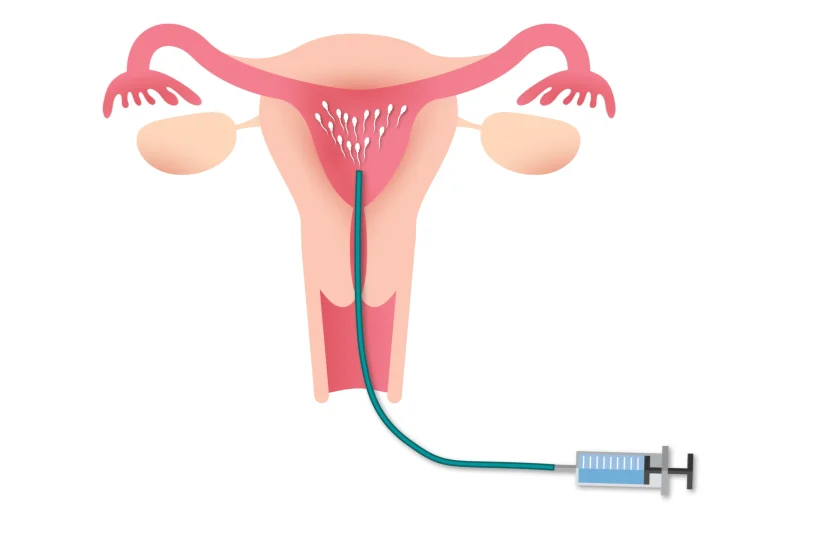
    Illustration of IUI procedure with uterus and syringe against a DNA background.

    Fertility Medications: Understanding the Risks and Side Effects

    1. Multiple pregnancies: Fertility medications can increase the chances of conceiving twins, triplets, or more. While this may seem like a desirable outcome for some couples struggling with infertility, multiple pregnancies come with a higher risk of complications for both the mother and babies.

    2. Ovarian hyperstimulation syndrome (OHSS): This is a potentially life-threatening condition that can occur when the ovaries are overstimulated and produce too many eggs. Symptoms of OHSS include abdominal pain, bloating, and nausea.

    3. Ovarian cysts: Fertility medications can increase the risk of developing ovarian cysts, which are fluid-filled sacs that can form on the ovaries. Most cysts are harmless and resolve on their own, but in some cases, they may need to be surgically removed.

    4. Mood swings: Hormonal changes caused by fertility medications can lead to mood swings, irritability, and anxiety in some women.

    5. Hot flashes: Some fertility medications can cause hot flashes, similar to those experienced during menopause.

    6. Nausea and vomiting: Nausea and vomiting are common side effects of fertility medications, especially those taken orally.

    7. Headaches: Changes in hormone levels can also trigger headaches in some women.

    8. Breast tenderness: Fertility medications can cause breast tenderness, which may be uncomfortable for some women.

    What to Expect When Using Fertility Medications

    If you and your partner have decided to use fertility medications, it’s essential to know what to expect during the treatment process. The first step will be a thorough evaluation by a fertility specialist to determine the underlying cause of your infertility. Once the cause has been identified, your doctor will recommend the most appropriate fertility medication for you.

    Fertility medications are usually taken for several weeks, and your doctor will monitor your progress through regular blood tests and ultrasounds. If you are taking injectable medications, your doctor may teach you how to administer them at home. It’s crucial to follow your doctor’s instructions carefully and attend all scheduled appointments to ensure the best possible outcome.

    Once you have completed the treatment cycle, your doctor will determine if ovulation has occurred. If it has, you and your partner will be advised on the best time to try to conceive. If pregnancy does not occur, your doctor may recommend further treatment or alternative options.

    In summary, fertility medications can be effective in helping couples overcome infertility and achieve their dream of starting a family. However, like any medication, they come with potential risks and side effects that should be carefully considered. It’s essential to work closely with a fertility specialist and follow all instructions to increase the chances of success and minimize any potential risks.

  • Side Effects Showdown: Fertility Medications vs Supplements

    Side Effects Showdown: Fertility Medications vs Supplements

    For couples struggling with fertility issues, the journey towards parenthood can be a challenging and emotional one. In an effort to increase their chances of conceiving, many couples turn to fertility medications and supplements. However, these treatments often come with a long list of potential side effects. In this blog post, we will explore the side effects of fertility medications and supplements, and compare the two to help couples make informed decisions about their fertility journey.

    Fertility Medications: The Good, the Bad, and the Ugly

    Fertility medications, also known as assisted reproductive technology (ART), are commonly prescribed to women who are having difficulty conceiving. These medications work by stimulating the ovaries to produce more eggs, increasing the chances of fertilization. While these medications have helped many couples achieve their dream of starting a family, they also come with a range of side effects.

    The most common side effects of fertility medications include bloating, headaches, breast tenderness, and mood swings. These side effects are caused by the hormones in the medication, which can disrupt the body’s natural balance. In some cases, these side effects can be severe and may require medical attention. For example, ovarian hyperstimulation syndrome (OHSS) is a potential side effect of fertility medications that can cause abdominal pain, nausea, and vomiting. This condition can be life-threatening and may require hospitalization.

    In addition to physical side effects, fertility medications can also have a significant impact on a woman’s emotional well-being. The rollercoaster of emotions that comes with trying to conceive, coupled with the hormonal changes caused by these medications, can take a toll on mental health. Many women report feeling anxious, depressed, and overwhelmed while taking fertility medications.

    Supplements: A Natural Alternative?

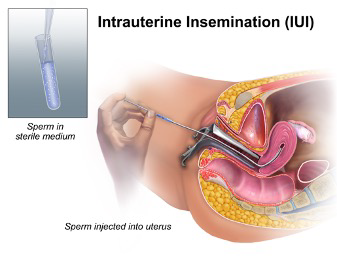
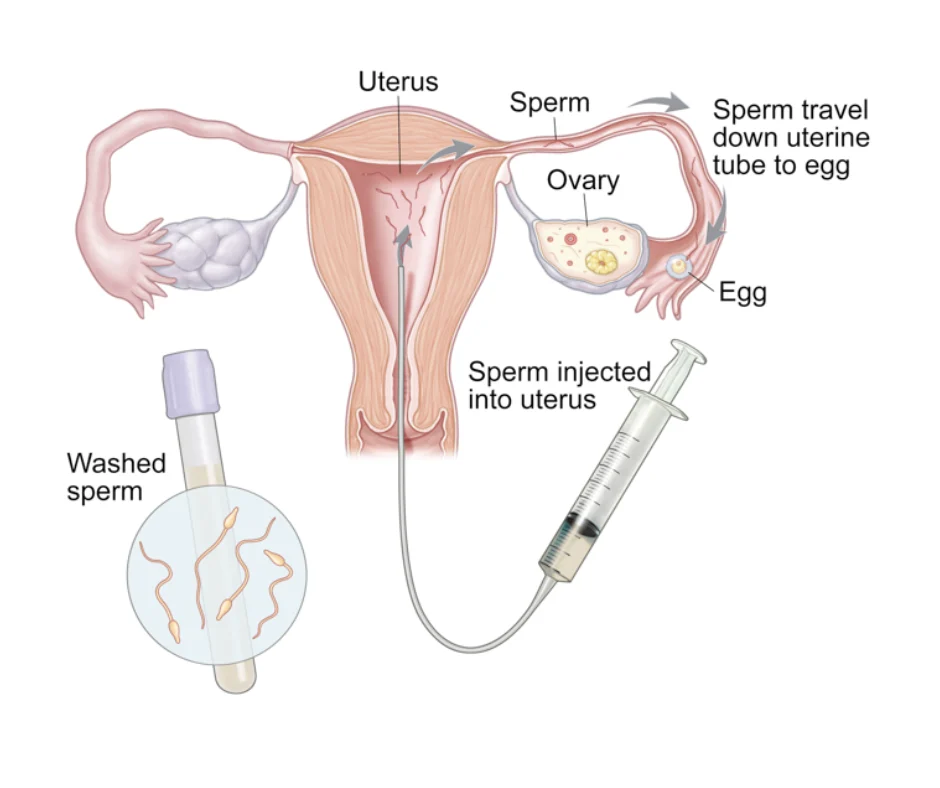
    diagram illustrating intrauterine insemination process, showing sperm injection into the uterus and egg fertilization pathway

    Side Effects Showdown: Fertility Medications vs Supplements

    As an alternative to fertility medications, many couples turn to supplements to help boost their fertility. Supplements such as CoQ10, folic acid, and vitamin D are believed to improve overall reproductive health and increase the chances of conception. While these supplements are generally considered safe, they can also have side effects.

    The most common side effects of supplements include nausea, diarrhea, and upset stomach. This is because some supplements may be difficult for the body to absorb, leading to gastrointestinal discomfort. In some cases, supplements may also interact with other medications, causing harmful side effects. It is essential to consult with a healthcare provider before starting any supplements, especially if you are taking other medications.

    Another factor to consider when taking supplements is the lack of regulation in the supplement industry. Unlike medications, supplements are not closely monitored by the FDA, meaning that the quality and effectiveness of these products can vary greatly. This can make it challenging to determine which supplements are safe and effective, leading to potential risks and side effects.

    The Importance of Informed Decision-Making

    When it comes to fertility treatments, there is no one-size-fits-all solution. Each couple’s journey is unique, and what works for one may not work for another. It is essential to consult with a healthcare provider before starting any fertility medications or supplements. They can assess your specific situation and recommend the best course of treatment for you.

    It is also crucial to understand the potential risks and side effects of any treatment or supplement before starting. This allows you to make an informed decision and prepare for any potential side effects that may arise. It is also essential to have a support system in place, whether it be your partner, family, or friends, to help you through the emotional and physical challenges that may come with fertility treatments.

    In conclusion, both fertility medications and supplements can have side effects that can impact a couple’s fertility journey. While medications may have more severe side effects, supplements also come with potential risks and lack regulation. Ultimately, the decision of whether to pursue fertility medications or supplements should be made with the guidance of a healthcare provider and a thorough understanding of the potential side effects. Remember, every couple’s journey is unique, and there is no shame in seeking help to achieve your dream of starting a family.

    SEO Metadata:

  • Common Side Effects: Intrauterine Insemination vs Low-Tech IVF

    Blog Post Title: Common Side Effects: Intrauterine Insemination vs Low-Tech IVF

    In the world of fertility treatments, there are countless options available to couples struggling to conceive. Among these options, two popular methods have emerged as effective options for those looking to start a family: Intrauterine Insemination (IUI) and Low-Tech In Vitro Fertilization (IVF). Both of these methods have been proven to increase the chances of pregnancy, but they also come with their own set of side effects. In this blog post, we will explore the common side effects of IUI and Low-Tech IVF, and discuss which method may be better suited for you.

    What is Intrauterine Insemination (IUI)?
    Intrauterine Insemination is a fertility treatment that involves placing sperm directly into the uterus to increase the chances of fertilization. This procedure is often used for couples who have been trying to conceive for a year or more without success, as well as for individuals with certain medical conditions such as low sperm count or cervical factor infertility. IUI is a less invasive and less expensive option compared to IVF, making it a popular choice for many couples.

    Common Side Effects of IUI:
    1. Cramping and Spotting: During an IUI procedure, a catheter is inserted into the uterus, which can cause some discomfort and cramping. Some women may also experience light spotting or bleeding after the procedure.

    2. Ovarian Hyperstimulation Syndrome (OHSS): In rare cases, the use of fertility drugs to stimulate ovulation for IUI can lead to OHSS. This condition causes the ovaries to become swollen and painful, and can also result in bloating, nausea, and weight gain.

    3. Multiple Pregnancy: One of the most common side effects of IUI is the possibility of a multiple pregnancy. Since IUI involves placing several sperm into the uterus, there is a higher chance of more than one egg being fertilized, resulting in twins, triplets, or even more.

    Illustration of intrauterine insemination (IUI) procedure with syringe and catheter in the uterus.

    Common Side Effects: Intrauterine Insemination vs Low-Tech IVF

    What is Low-Tech In Vitro Fertilization (IVF)?
    Low-Tech IVF, also known as natural cycle IVF, is a form of fertility treatment that involves retrieving a woman’s naturally occurring egg and fertilizing it in a laboratory. This method is different from traditional IVF, which involves stimulating the ovaries with fertility drugs to produce multiple eggs. Low-Tech IVF is a less invasive option, making it a popular choice for those who may not be able to undergo traditional IVF.

    Common Side Effects of Low-Tech IVF:
    1. Ovarian Hyperstimulation Syndrome (OHSS): Just like with IUI, there is a risk of OHSS with Low-Tech IVF. This is because the ovaries are still stimulated to produce an egg, although in a lower dosage compared to traditional IVF.

    2. Mild Discomfort: During the egg retrieval process, a needle is used to collect the egg from the ovary. This can cause some mild discomfort and cramping, similar to IUI.

    3. Emotional Distress: IVF can be a stressful and emotional journey for many couples. The process of injections, monitoring, and waiting for results can take a toll on a person’s mental health and well-being.

    So, Which Method is Better for You?
    Both IUI and Low-Tech IVF have their own set of side effects, and the decision on which method to choose ultimately depends on the individual’s specific needs and circumstances. For couples with unexplained infertility, IUI may be a good starting point as it is less invasive and less expensive compared to IVF. However, for those with more complex fertility issues, IVF may be a more effective option.

    It is important to consult with a fertility specialist to determine the best course of treatment for your specific situation. They will be able to assess your medical history and provide you with the necessary information to make an informed decision.

    In conclusion, both IUI and Low-Tech IVF have been proven to increase the chances of pregnancy, but they also come with their own set of side effects. It is important to be aware of these potential side effects and discuss them with your doctor before undergoing any fertility treatment. With the right information and guidance, you can make the best decision for you and your family.

  • Intrauterine Insemination vs Low-Tech IVF: Which is Right for You?

    Intrauterine Insemination (IUI) and Low-Tech IVF are two popular fertility treatments that have helped many couples conceive. While both procedures involve the use of assisted reproductive technology, they have significant differences that can make one more suitable than the other depending on an individual’s specific needs and circumstances. In this blog post, we will delve into the details of IUI and Low-Tech IVF, comparing their costs, success rates, and other factors to help you determine which one may be the right option for you.

    IUI, also known as artificial insemination, is a relatively simple and less invasive procedure that involves placing washed and concentrated sperm directly into a woman’s uterus during her ovulation period. This is done to increase the chances of sperm reaching the egg and fertilizing it. On the other hand, Low-Tech IVF, also known as natural cycle IVF, is a more complex procedure that involves stimulating the ovaries to produce multiple eggs, which are then retrieved and fertilized in a laboratory before being transferred back into the uterus.

    One of the main factors that couples consider when deciding between IUI and Low-Tech IVF is the cost. IUI is generally more affordable than Low-Tech IVF, as it does not involve the use of expensive fertility drugs and laboratory procedures. However, IUI may not be covered by insurance, and the cost can add up if multiple cycles are needed. On the other hand, Low-Tech IVF can be significantly more expensive, but may be covered by insurance in some cases.

    Another crucial factor to consider is success rates. The success rates for IUI can vary depending on factors such as the woman’s age, the quality of the sperm used, and the overall health of the couple. On average, IUI has a success rate of 10-20% per cycle. Low-Tech IVF, on the other hand, has a higher success rate of 15-25% per cycle. However, this success rate can also be affected by various factors, and it may take several cycles to achieve a successful pregnancy.

    When it comes to the procedures themselves, IUI is a less invasive and less time-consuming option. The procedure can be completed in a matter of minutes and does not require any anesthesia. Low-Tech IVF, on the other hand, involves multiple steps, including taking fertility drugs to stimulate the ovaries, egg retrieval, fertilization, and embryo transfer. This process can take several weeks and may require the use of anesthesia during egg retrieval.

    diagram of a uterus with a syringe for intrauterine insemination procedure

    Intrauterine Insemination vs Low-Tech IVF: Which is Right for You?

    It is also essential to consider the potential risks and side effects of both procedures. IUI is a relatively safe procedure, and the most common side effects include mild cramping, spotting, and a small risk of infection. Low-Tech IVF, on the other hand, has a higher risk of complications due to the use of fertility drugs and the invasive nature of the procedure. These complications can include ovarian hyperstimulation syndrome, multiple pregnancies, and a higher risk of ectopic pregnancy.

    It is also worth noting that IUI and Low-Tech IVF may be suitable for different types of infertility. IUI is typically recommended for couples with unexplained infertility, mild male factor infertility, or cervical issues. Low-Tech IVF is often recommended for women with blocked or damaged fallopian tubes, severe male factor infertility, or advanced maternal age.

    In conclusion, both IUI and Low-Tech IVF are effective fertility treatments that have helped many couples achieve their dream of having a baby. While IUI is less invasive and more affordable, Low-Tech IVF has a higher success rate. Ultimately, the right choice will depend on your individual needs, preferences, and medical history. It is essential to consult with a fertility specialist to determine which option is best for you.

    Summary:

    Intrauterine Insemination (IUI) and Low-Tech IVF are two popular fertility treatments that can help couples conceive. While IUI is a less invasive and more affordable option, Low-Tech IVF has a higher success rate. The choice between the two procedures will depend on factors such as cost, success rates, and individual circumstances. It is essential to consult with a fertility specialist to determine which option is best for you.

  • Intrauterine Insemination vs Low-Tech IVF: Which is More Effective?

    Intrauterine insemination (IUI) and low-tech in vitro fertilization (IVF) are two common fertility treatments that can help couples struggling with infertility to conceive. While both procedures involve placing sperm into the female reproductive tract to increase the chances of fertilization, there are key differences between the two. In this blog post, we will compare and contrast IUI and low-tech IVF to determine which one is more effective in helping couples achieve a successful pregnancy.

    IUI, also known as artificial insemination, is a relatively simple and non-invasive procedure that involves placing washed and concentrated sperm directly into the uterus. This method is often used for couples with unexplained infertility, mild male factor infertility, or when the female partner has ovulation issues. On the other hand, low-tech IVF, also known as natural cycle IVF, is a less intensive form of traditional IVF that involves retrieving a woman’s egg during her natural cycle without the use of fertility drugs.

    One of the main differences between IUI and low-tech IVF is the level of medical intervention involved. IUI requires minimal preparation and can be performed in a doctor’s office without the need for anesthesia. On the other hand, low-tech IVF involves more medical procedures, such as egg retrieval and embryo transfer, and may require the use of fertility medications to stimulate the ovaries.

    Another difference between the two procedures is the success rates. According to the American Pregnancy Association, the success rate for IUI is around 10-20% per cycle, while the success rate for low-tech IVF is slightly higher at 15-25% per cycle. However, it is important to note that success rates can vary depending on individual factors such as age, underlying medical conditions, and the quality of sperm and eggs.

    Cost is also a factor to consider when comparing IUI and low-tech IVF. IUI is generally less expensive than low-tech IVF, as it involves fewer medications and procedures. However, the success rates for low-tech IVF are slightly higher, which may make it a more cost-effective option in the long run.

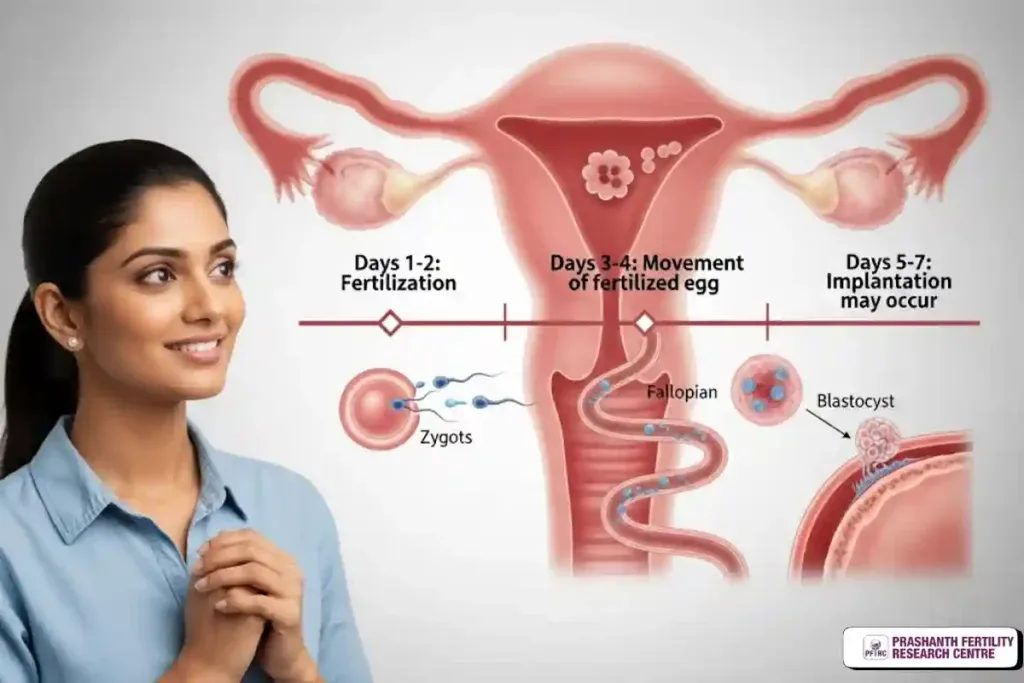
    Illustration showing fertilization and implantation timeline with a woman looking hopeful.

    Intrauterine Insemination vs Low-Tech IVF: Which is More Effective?

    In terms of side effects, both IUI and low-tech IVF are relatively safe procedures with low risks of complications. However, some women may experience mild cramping or spotting after IUI, while low-tech IVF may carry a slightly higher risk of ovarian hyperstimulation syndrome (OHSS) if fertility medications are used.

    When deciding between IUI and low-tech IVF, it is important to consider your individual needs and preferences. IUI may be a more suitable option for couples with mild fertility issues, while low-tech IVF may be a better choice for those with more complex fertility problems. Consulting with a fertility specialist can help determine which treatment option is best for you.

    In conclusion, both IUI and low-tech IVF are effective fertility treatments that can help couples achieve their dream of having a baby. While IUI is a simpler and less expensive procedure, low-tech IVF may offer a slightly higher success rate. Ultimately, the best option for each individual couple will depend on their unique circumstances and should be decided in consultation with a fertility specialist.

    Summary:

    Intrauterine insemination (IUI) and low-tech in vitro fertilization (IVF) are two common fertility treatments used to help couples conceive. IUI is a simple and non-invasive procedure that involves placing sperm directly into the uterus, while low-tech IVF involves retrieving a woman’s egg during her natural cycle without the use of fertility drugs. Low-tech IVF has a slightly higher success rate and may be more cost-effective in the long run, but the best option for each couple will depend on their individual needs and should be decided in consultation with a fertility specialist.

  • Choosing the Right Fertility Treatment: Intrauterine Insemination vs Low-Tech IVF

    Summary:

    Making the decision to seek fertility treatment can be a difficult and emotional journey for many couples. With so many options available, it can be overwhelming to decide which treatment is best for you. In this blog post, we will discuss two popular options for fertility treatment: intrauterine insemination (IUI) and low-tech in vitro fertilization (IVF). Both of these treatments are considered less invasive and less expensive compared to traditional IVF, making them more accessible to many couples. However, they have their own unique differences and it is important to understand the pros and cons of each before making a decision.

    Firstly, let’s define the two treatments. Intrauterine insemination (IUI) is a procedure where sperm is directly inserted into the uterus to increase the chances of fertilization. This is typically done around the time of ovulation, and the goal is to increase the number of sperm reaching the egg. On the other hand, low-tech IVF is a type of in vitro fertilization that involves minimal or no stimulation of the ovaries with fertility drugs. This means that fewer eggs are retrieved, but the process is less invasive and less expensive compared to traditional IVF.

    When it comes to the success rates, studies have shown that low-tech IVF has higher success rates compared to IUI. This is because with low-tech IVF, the eggs are fertilized outside of the body, allowing for better selection of the healthiest embryos to be transferred back into the uterus. However, the success rates for both treatments vary depending on factors such as age, fertility diagnosis, and sperm quality.

    Illustration of intrauterine insemination (IUI) procedure, showing sperm injection into the uterus.

    Choosing the Right Fertility Treatment: Intrauterine Insemination vs Low-Tech IVF

    One of the main advantages of IUI is that it is a less invasive procedure compared to IVF. The process is simple and can be done in a doctor’s office without the need for anesthesia. This also means that the recovery time is shorter, and there is less risk of complications. Additionally, IUI is a more affordable option compared to IVF, making it a more accessible choice for couples who may not have the financial means for traditional IVF.

    On the other hand, low-tech IVF has its own advantages. As mentioned earlier, it has higher success rates compared to IUI. This is because the eggs are fertilized outside of the body, allowing for better selection of the healthiest embryos to be transferred back into the uterus. This results in a higher chance of pregnancy. Additionally, low-tech IVF can also be combined with other fertility treatments such as intracytoplasmic sperm injection (ICSI) to further increase the chances of success.

    When it comes to the side effects, both IUI and low-tech IVF have minimal side effects. However, with IUI, there is a risk of ovarian hyperstimulation syndrome (OHSS) if fertility drugs are used to stimulate ovulation. This is a rare but potentially serious condition that can cause swelling and discomfort in the ovaries. With low-tech IVF, the risk of OHSS is lower because fewer fertility drugs are used.

    Another factor to consider is the emotional and psychological impact of each treatment. Both IUI and low-tech IVF can be emotionally taxing for couples, as they involve a lot of waiting and uncertainty. However, with IUI, the process is relatively quick and less invasive, which may be less emotionally taxing for some couples. On the other hand, low-tech IVF involves more steps and procedures, which may be more stressful for some couples.

    In conclusion, both IUI and low-tech IVF are viable options for couples seeking fertility treatment. IUI is a less invasive and more affordable option, but it has lower success rates compared to low-tech IVF. On the other hand, low-tech IVF has higher success rates, but it involves more steps and procedures. Ultimately, the best treatment option will depend on individual factors such as age, fertility diagnosis, and financial situation. It is important to consult with a fertility specialist to determine the best course of action for you and your partner.

  • Intrauterine Insemination vs Intracervical Insemination: A Comparison of Side Effects

    Intrauterine Insemination vs Intracervical Insemination: A Comparison of Side Effects

    Intrauterine insemination (IUI) and intracervical insemination (ICI) are two commonly used fertility treatments that involve the direct placement of sperm into the reproductive tract of a woman. While both methods have been proven effective in helping couples conceive, they differ in terms of the side effects they may cause. In this blog post, we will compare the side effects of IUI and ICI to help you understand which option may be best for you.

    What is Intrauterine Insemination (IUI)?

    Intrauterine insemination, also known as artificial insemination, is a fertility treatment where sperm is placed directly into the uterus using a catheter. This method is often used for couples with unexplained infertility or when there are issues with sperm quality or quantity. It can also be used for same-sex couples or single women using donor sperm.

    Side Effects of IUI

    1. Cramping and Spotting: One of the most common side effects of IUI is mild cramping and spotting. This is caused by the insertion of the catheter into the cervix and uterus, which can irritate the lining of the uterus. The cramping and spotting usually subside within a few hours.

    2. Infection: In rare cases, IUI can lead to an infection in the reproductive tract. This can be caused by bacteria introduced during the procedure or from an existing infection in the cervix or uterus. Signs of infection include fever, pelvic pain, and foul-smelling discharge. If you experience any of these symptoms, it is important to seek medical attention.

    3. Multiple Births: While not a direct side effect of IUI, there is a higher chance of multiple births with this method. This is because multiple eggs may be released during ovulation, which can result in multiple fertilized eggs and a higher chance of twins or triplets. Multiple pregnancies can increase the risk of complications for both the mother and babies.

    What is Intracervical Insemination (ICI)?

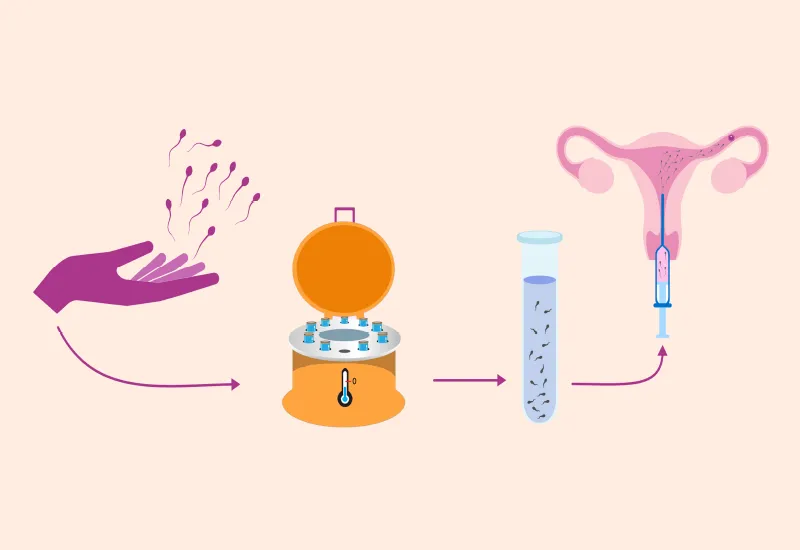
    illustration of the IUI process, showing sperm collection, preparation, and insertion into the uterus

    Intrauterine Insemination vs Intracervical Insemination: A Comparison of Side Effects

    Intracervical insemination, also known as cervical insemination, is a fertility treatment where sperm is placed in the cervix using a syringe or soft catheter. This method is often used for couples with mild fertility issues or for at-home insemination using donor sperm.

    Side Effects of ICI

    1. Mild Discomfort: The insertion of the catheter into the cervix may cause mild discomfort for some women. This discomfort is usually temporary and can be relieved with over-the-counter pain medication.

    2. Infection: As with IUI, there is a risk of infection with ICI. This can be caused by bacteria introduced during the procedure or from an existing infection in the cervix. It is important to follow proper hygiene practices and use sterile equipment to reduce the risk of infection.

    3. Allergic Reaction: Some women may experience an allergic reaction to the sperm or the lubricant used during the procedure. This can cause itching, redness, and swelling in the vaginal area. If you have a known allergy to any of these substances, it is important to inform your doctor before the procedure.

    Comparing the Side Effects

    Overall, both IUI and ICI have similar side effects, with cramping and infection being the most common. However, IUI has a higher risk of infection and multiple births, while ICI may cause mild discomfort and a potential allergic reaction. It is important to discuss these potential side effects with your doctor and choose the method that is best for your specific situation.

    Summary

    Intrauterine insemination (IUI) and intracervical insemination (ICI) are two fertility treatments that involve the direct placement of sperm into the reproductive tract of a woman. While both methods have been proven effective, they differ in terms of the side effects they may cause. IUI has a higher risk of infection and multiple births, while ICI may cause mild discomfort and a potential allergic reaction. It is important to discuss these potential side effects with your doctor and choose the method that is best for your specific situation.

  • Exploring the Pros and Cons: Intrauterine Insemination vs Intracervical Insemination

    Exploring the Pros and Cons: Intrauterine Insemination vs Intracervical Insemination

    Intrauterine insemination (IUI) and Intracervical insemination (ICI) are two commonly used fertility treatments for couples struggling with infertility. Both procedures involve placing washed and concentrated sperm directly into the woman’s reproductive tract in order to increase the chances of fertilization. However, these two methods differ in terms of the location where the sperm is placed, the complexity of the procedure, and success rates. In this blog post, we will explore the pros and cons of IUI and ICI to help you understand which option may be best for you.

    Intrauterine Insemination (IUI)

    IUI is a procedure in which the sperm is placed directly into the uterus using a thin catheter. This procedure is usually done in a fertility clinic or doctor’s office and is often combined with fertility medications to increase the chances of success. The sperm used in IUI can either be from a partner or a donor.

    Pros:

    1. Higher Success Rates: One of the main advantages of IUI is its higher success rates compared to other forms of artificial insemination. According to the American Pregnancy Association, the success rate for IUI is 20% per cycle, which increases to 80% after six cycles.

    2. Controlled and Monitored Procedure: IUI is a more controlled and monitored procedure compared to natural conception or ICI. The sperm is washed and concentrated before being placed in the uterus, which reduces the chances of infection and increases the chances of fertilization.

    3. Can Be Combined with Fertility Medications: IUI can be combined with fertility medications such as Clomid or injectable hormones to stimulate ovulation. This increases the chances of success for couples struggling with ovulation issues.

    4. Fewer Side Effects: IUI has fewer side effects compared to other fertility treatments. The only discomfort may be mild cramping during the procedure, and some women may experience light bleeding afterwards.

    Cons:

    1. Requires Multiple Visits: IUI requires multiple visits to the fertility clinic or doctor’s office. This may be inconvenient for some couples, especially if they live far from the clinic.

    2. Higher Cost: IUI can be more expensive compared to natural conception or ICI. The cost of the procedure and fertility medications can add up quickly, especially if multiple cycles are needed.

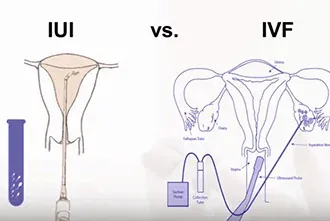
    Comparison of IUI and IVF treatments with diagrams of reproductive anatomy.

    Exploring the Pros and Cons: Intrauterine Insemination vs Intracervical Insemination

    3. Increased Risk of Multiple Pregnancies: The use of fertility medications with IUI can increase the risk of multiple pregnancies, which may lead to complications during pregnancy and delivery.

    Intracervical Insemination (ICI)

    ICI is a procedure in which the sperm is placed in the cervix using a syringe or a cervical cap. This procedure can be done at home, with the sperm being either from a partner or a donor. Unlike IUI, ICI does not involve washing or concentrating the sperm.

    Pros:

    1. Less Invasive: ICI is a less invasive procedure compared to IUI. It can be done at home without the need for a fertility clinic or doctor’s office.

    2. More Affordable: ICI is a more affordable option compared to IUI. Since it can be done at home, couples can save money on the cost of the procedure and fertility medications.

    3. No Risk of Multiple Pregnancies: Unlike IUI, there is no risk of multiple pregnancies with ICI since fertility medications are not used. This may be a preferred option for couples who do not want the risk of carrying multiples.

    Cons:

    1. Lower Success Rates: The success rates for ICI are lower compared to IUI. According to the American Pregnancy Association, the success rate for ICI is 10% per cycle, which increases to 60% after six cycles.

    2. Difficult to Time Ovulation: Timing ovulation correctly is crucial for the success of ICI. This may be challenging for some couples, especially those who have irregular menstrual cycles.

    3. Increased Risk of Infection: Since the sperm is not washed or concentrated before being placed in the cervix, there is a higher risk of infection compared to IUI.

    Summary:

    Intrauterine insemination (IUI) and Intracervical insemination (ICI) are two commonly used fertility treatments for couples struggling with infertility. IUI involves placing washed and concentrated sperm directly into the uterus, while ICI involves placing sperm in the cervix without washing or concentrating them. IUI has higher success rates and is a more controlled and monitored procedure, but it can be more expensive and carries the risk of multiple pregnancies. On the other hand, ICI is a less invasive and more affordable option, but it has lower success rates and carries the risk of infection. The choice between IUI and ICI ultimately depends on the individual needs and preferences of the couple.

  • Fertility Medications: Understanding the Options for Male and Female Factor Infertility

    Blog Post:

    Fertility Medications: Understanding the Options for Male and Female Factor Infertility

    Infertility affects millions of couples worldwide, with approximately 1 in 8 couples struggling to conceive. While infertility can be caused by a variety of factors, one of the most common causes is male and female factor infertility. In these cases, fertility medications can be a helpful tool in helping couples achieve their dream of parenthood. In this blog post, we will dive into the different types of fertility medications available for both men and women, their uses, and potential side effects.

    Fertility Medications for Women

    1. Clomiphene Citrate (Clomid)

    Clomiphene Citrate, commonly known as Clomid, is a medication used to treat ovulation disorders in women. It works by stimulating the ovaries to release an egg, increasing the chances of conception. This medication is taken orally and is usually the first line of treatment for women with ovulation issues. It is also often used in combination with other fertility treatments such as intrauterine insemination (IUI) or in vitro fertilization (IVF).

    2. Gonadotropins

    Gonadotropins are injectable medications that contain follicle-stimulating hormone (FSH) and luteinizing hormone (LH). These hormones play a crucial role in the development of eggs in the ovaries. Gonadotropins are often used in women who do not respond well to Clomid or have other fertility issues such as polycystic ovary syndrome (PCOS). These medications require close monitoring and can increase the risk of multiple pregnancies.

    3. Metformin

    Metformin is a medication commonly used to treat type 2 diabetes, but it can also be beneficial for women with PCOS. PCOS is a condition that affects a woman’s hormone levels, leading to irregular periods and ovulation issues. Metformin can help regulate hormone levels and improve ovulation in women with PCOS, increasing their chances of conception.

    4. Letrozole

    Letrozole is another medication used to treat ovulation disorders in women. It works by inhibiting estrogen production, leading to an increase in FSH and LH levels, which can help stimulate ovulation. This medication is often used in women who do not respond well to Clomid or have other fertility issues.

    Fertility Medications for Men

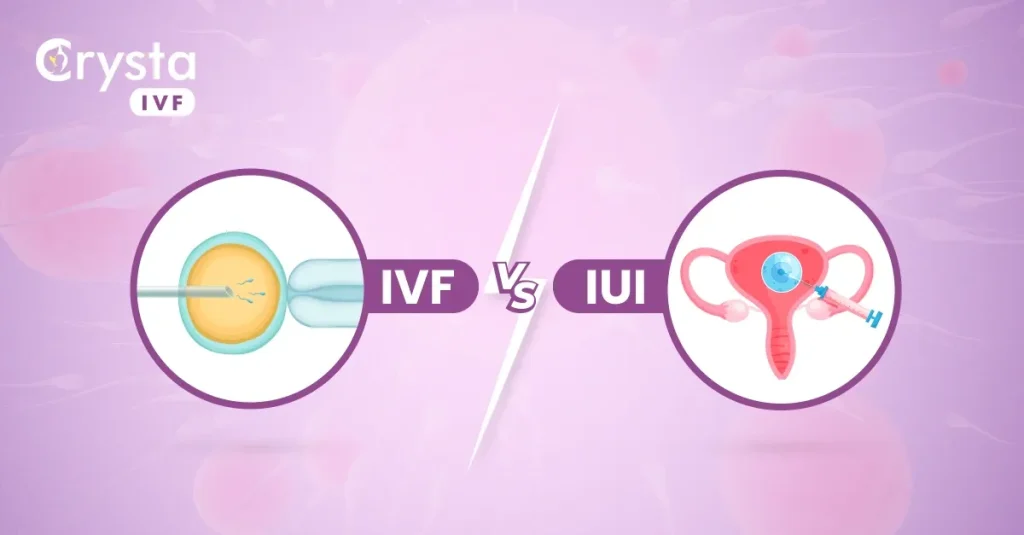
    Comparison of IVF and IUI procedures with illustrations of each method.

    Fertility Medications: Understanding the Options for Male and Female Factor Infertility

    1. Human Chorionic Gonadotropin (HCG)

    Human Chorionic Gonadotropin (HCG) is a hormone that is naturally produced in the body. In men, it can help stimulate the testicles to produce testosterone and increase sperm production. HCG is often used in combination with other medications to treat male factor infertility.

    2. Clomiphene Citrate (Clomid)

    While Clomid is primarily used in women, it can also be beneficial for men with low testosterone levels and sperm count. By stimulating the production of testosterone, it can help improve sperm count and motility, increasing the chances of conception.

    3. Anastrozole

    Anastrozole is a medication used to treat breast cancer, but it can also be helpful in treating male factor infertility. It works by inhibiting estrogen production, leading to an increase in testosterone levels, which can improve sperm production.

    4. Bromocriptine

    Bromocriptine is a medication used to treat high levels of prolactin in the body. High levels of prolactin can interfere with the production of testosterone, leading to male factor infertility. By lowering prolactin levels, Bromocriptine can help improve sperm production and increase the chances of conception.

    Side Effects of Fertility Medications

    As with any medication, fertility medications can have potential side effects. Some common side effects of fertility medications for women include hot flashes, mood swings, bloating, and headaches. In some cases, these medications can also increase the risk of multiple pregnancies. For men, side effects may include acne, breast enlargement, and mood changes.

    It is essential to discuss potential side effects with your doctor and monitor your body’s response to the medication closely. If you experience severe side effects, it is essential to contact your doctor immediately.

    In conclusion, fertility medications can be a valuable tool in helping couples struggling with male and female factor infertility to achieve their dream of parenthood. From stimulating ovulation in women to increasing sperm production in men, these medications have been proven to be effective in helping couples conceive. However, it is crucial to work closely with a fertility specialist and monitor your body’s response to these medications to achieve the best possible outcome.

    Summary:

    Infertility affects millions of couples worldwide, and one of the most common causes is male and female factor infertility. In these cases, fertility medications can be a helpful tool in helping couples achieve their dream of parenthood. For women, medications like Clomid, Gonadotropins, Metformin, and Letrozole can help stimulate ovulation. In men, HCG, Clomid, Anastrozole, and Bromocriptine can improve sperm production. It is essential to discuss potential side effects with a fertility specialist and closely monitor the body’s response to these medications.

  • Alternative Medicine for Male and Female Factor Infertility: Examining the Benefits and Risks

    Blog Post Title: Alternative Medicine for Male and Female Factor Infertility: Examining the Benefits and Risks

    Infertility is a common issue that affects millions of couples worldwide. While there are various medical treatments available, alternative medicine has gained popularity as a potential solution for both male and female factor infertility. Alternative medicine encompasses a wide range of practices and treatments, including herbal remedies, acupuncture, and mind-body techniques. In this blog post, we will explore the benefits and risks of alternative medicine for male and female factor infertility.

    Benefits of Alternative Medicine for Infertility

    1. Natural and Non-Invasive Approach

    One of the main benefits of alternative medicine is that it takes a natural and non-invasive approach to treating infertility. Many medical treatments for infertility involve invasive procedures and medications, which can be daunting and overwhelming for couples. Alternative medicine, on the other hand, focuses on using natural remedies and techniques to stimulate the body’s natural healing abilities.

    2. Improved Overall Health

    Alternative medicine approaches infertility by looking at the whole person, not just the symptoms. This means that the treatment not only addresses infertility but also aims to improve overall health and well-being. For instance, herbal remedies and acupuncture can help regulate hormone levels, reduce stress, and improve the function of the reproductive organs. By addressing underlying health issues, alternative medicine can improve the chances of conceiving naturally.

    3. Personalized Treatment Plans

    Alternative medicine for infertility takes a personalized approach to each individual’s needs. Unlike traditional medical treatments, which often follow a one-size-fits-all approach, alternative medicine practitioners take the time to understand the unique factors contributing to a couple’s infertility. This allows for a more tailored treatment plan that can address specific issues and increase the chances of success.

    4. Lower Cost

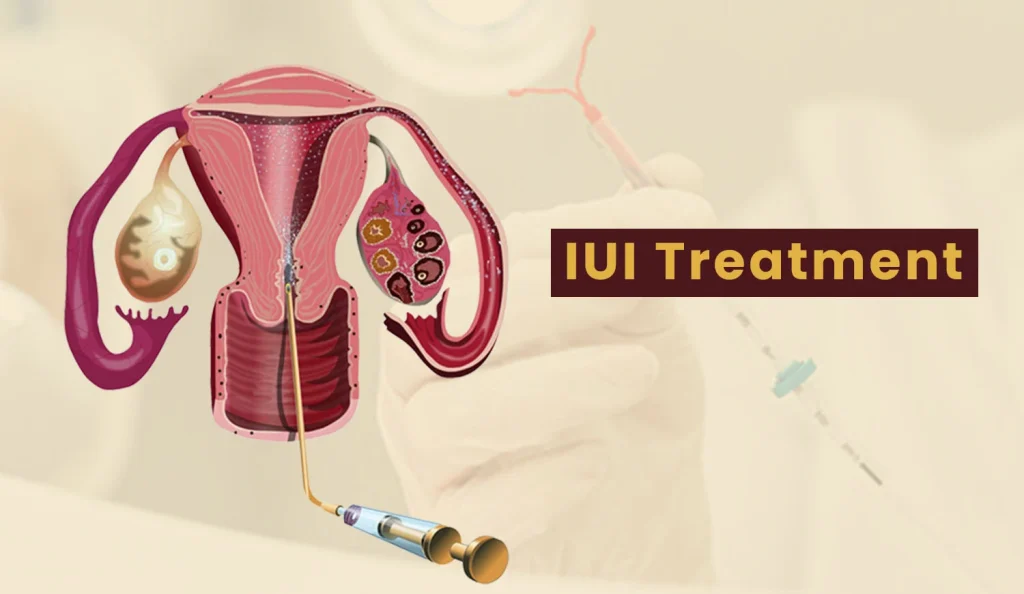
    illustration of the uterus and ovaries with a syringe, labeled "IUI Treatment" in the background

    Alternative Medicine for Male and Female Factor Infertility: Examining the Benefits and Risks

    Infertility treatments can be incredibly expensive, and for many couples, the cost is a significant barrier to seeking medical help. Alternative medicine, however, can be a more affordable option. Herbal remedies, for example, can be purchased at a fraction of the cost of prescription medications. Additionally, many alternative medicine practices, such as acupuncture, can be covered by insurance, making it a more accessible option for couples struggling with infertility.

    Risks of Alternative Medicine for Infertility

    1. Lack of Scientific Evidence

    One of the main concerns with alternative medicine is the lack of scientific evidence to support its effectiveness. While some studies have shown promising results, there is still a lack of large-scale, well-designed studies to prove the efficacy of alternative medicine for infertility. This can make it difficult for couples to determine which alternative treatments may be beneficial and which ones are not worth pursuing.

    2. Interactions with Medications

    If you are currently undergoing medical treatments for infertility, it is essential to consult with your doctor before trying alternative medicine. Certain herbs and supplements may interact with medications, leading to potential side effects or reducing the effectiveness of the prescribed treatment. It is crucial to inform your doctor of any alternative treatments you are considering to avoid any potential complications.

    3. Delaying Effective Treatment

    While alternative medicine can be beneficial for some couples, it is essential to recognize that it may not be the right solution for everyone. If alternative medicine is pursued without success, it may delay seeking more effective medical treatments, which could ultimately reduce the chances of conceiving. It is crucial to consult with a medical professional and explore all options before committing to alternative medicine as a primary treatment for infertility.

    4. Potential Side Effects

    Just like any treatment, there is always the risk of side effects with alternative medicine. While herbal remedies and acupuncture are generally safe, some individuals may experience adverse reactions, such as allergic reactions or interactions with other medications. It is essential to research and consult with a healthcare professional before trying any alternative medicine treatments to minimize the risk of side effects.

    In summary, alternative medicine for male and female factor infertility can offer several benefits, such as a natural and non-invasive approach, improved overall health, personalized treatment plans, and lower costs. However, it is essential to consider the potential risks, including the lack of scientific evidence, interactions with medications, delaying effective treatment, and potential side effects. It is crucial to consult with a healthcare professional and thoroughly research any alternative medicine treatments before pursuing them to increase the chances of success.