Tag: potential risks

  • The Role of Technology: Intrauterine Insemination vs Low-Tech IVF

    The Role of Technology: Intrauterine Insemination vs Low-Tech IVF

    In today’s world, technology plays a significant role in almost every aspect of our lives. This is especially true in the field of medicine and reproductive health. When it comes to fertility treatments, there are various options available, including intrauterine insemination (IUI) and in vitro fertilization (IVF). Both these procedures utilize technology to help individuals or couples achieve their dream of having a child. However, there are differences between IUI and low-tech IVF in terms of technology used, success rates, and cost. In this blog post, we will explore the role of technology in these two fertility treatments and compare their effectiveness, costs, and potential risks.

    Technology in Intrauterine Insemination (IUI)

    IUI is a fertility treatment that involves placing washed and concentrated sperm directly into a woman’s uterus during ovulation. This procedure is often used as a first-line treatment for couples who are struggling with unexplained infertility, mild endometriosis, or low sperm count.

    The technology used in IUI is relatively simple compared to other fertility treatments. It mainly involves the use of a catheter to inject the sperm into the uterus. However, advancements in technology have made the process more efficient and accurate. For instance, sperm washing techniques have improved, resulting in higher sperm concentration and better quality. Additionally, ultrasound technology is used to track ovulation and ensure the sperm is placed at the right time and location.

    One of the main advantages of IUI is that it is a minimally invasive and low-cost procedure. It does not require any specialized equipment, making it more accessible to a wider range of individuals and couples. However, the success rates of IUI are relatively low, ranging from 10-20% per cycle, depending on factors such as age and fertility issues.

    Technology in Low-Tech IVF

    Low-tech IVF, also known as natural cycle IVF, is a form of IVF that uses minimal or no fertility drugs to stimulate the ovaries. Instead, it relies on the natural cycle of the woman’s body to produce a single egg. This egg is then fertilized with sperm in a laboratory and transferred back into the uterus.
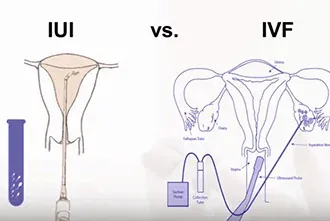
    Comparison of IUI and IVF treatments with diagrams of reproductive anatomy.

    The Role of Technology: Intrauterine Insemination vs Low-Tech IVF

    Compared to traditional IVF, which involves multiple hormone injections to stimulate the ovaries and produce multiple eggs, low-tech IVF is less invasive and has a lower risk of side effects. Additionally, it is more affordable since it does not require expensive fertility drugs. The technology used in low-tech IVF is similar to traditional IVF, including the use of ultrasound-guided egg retrieval and laboratory techniques to fertilize and culture the eggs. However, the cost of low-tech IVF is significantly lower than traditional IVF, making it a more cost-effective option for some individuals and couples.

    Comparing Success Rates and Risks

    When it comes to success rates, traditional IVF has the highest chances of pregnancy, with an average success rate of 40%. On the other hand, low-tech IVF has a success rate of around 15-20%, which is lower compared to traditional IVF but still higher than IUI. This is because low-tech IVF produces fewer eggs, making it less likely for multiple embryos to be transferred.

    In terms of potential risks, both IUI and low-tech IVF have minimal risks associated with the procedures themselves. However, the use of fertility drugs in traditional IVF can increase the chances of side effects such as ovarian hyperstimulation syndrome (OHSS). Additionally, multiple pregnancies are more common with traditional IVF, which can increase the risk of complications for both the mother and babies.

    Cost Comparison

    The cost of fertility treatments can be a significant barrier for many individuals and couples. IUI is the most affordable option, with a cost ranging from $300-$1000 per cycle, depending on factors such as the clinic and location. Low-tech IVF is slightly more expensive, with a cost ranging from $3000-$5000 per cycle. Traditional IVF is the most expensive option, with a cost of around $12,000-$15,000 per cycle.

    Summary:

    Intrauterine insemination (IUI) and low-tech IVF are two fertility treatments that utilize technology to help individuals and couples conceive. IUI uses a simple catheter to place sperm into the uterus, while low-tech IVF relies on the natural cycle of the woman’s body to produce a single egg. Both procedures have a lower cost compared to traditional IVF, but also have lower success rates. Traditional IVF has the highest success rates but also comes with a higher cost and potential risks associated with fertility drugs. Ultimately, the choice between these two treatments will depend on individual circumstances, preferences, and medical advice.
  • Intrauterine Insemination vs Timed Intercourse: Understanding the Potential Risks and Side Effects

    Blog Post:

    Intrauterine insemination (IUI) and timed intercourse (TI) are two common fertility treatments used by couples struggling to conceive. Both methods aim to increase the chances of fertilization by ensuring that sperm is present in the uterus during ovulation. However, there are some key differences between the two procedures, including the potential risks and side effects. In this blog post, we will explore the differences between IUI and TI and discuss the potential risks and side effects associated with each.

    What is Intrauterine Insemination (IUI)?

    IUI is a fertility treatment that involves placing washed and concentrated sperm directly into the uterus using a thin catheter. This procedure is typically performed around the time of ovulation, which is determined through tracking ovulation with ultrasound or ovulation predictor kits.

    What is Timed Intercourse (TI)?

    TI, also known as “natural cycle timed intercourse,” involves having timed sexual intercourse during the woman’s fertile window. This is typically determined by tracking ovulation with ultrasound or ovulation predictor kits.

    Differences between IUI and TI:

    1. Medical Intervention: The most significant difference between IUI and TI is the level of medical intervention. IUI involves a medical procedure where the sperm is placed directly into the uterus, while TI relies on natural conception through timed intercourse.

    2. Timing: IUI must be performed around the time of ovulation, which is determined through ultrasounds and ovulation predictor kits. On the other hand, TI involves timed intercourse during the fertile window, which may vary from month to month.

    3. Sperm Preparation: For IUI, sperm is washed and concentrated before being placed into the uterus, increasing the chances of fertilization. In TI, sperm is not prepared and relies solely on natural conception.

    Potential Risks and Side Effects of IUI:

    1. Multiple Pregnancies: One of the most significant risks of IUI is the potential for multiple pregnancies. Since multiple eggs may be released during ovulation, there is a higher chance of conceiving twins or triplets with IUI.

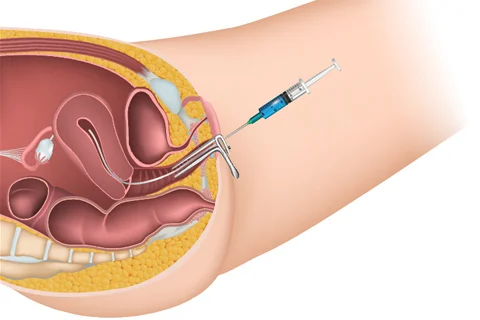
    illustration of intrauterine insemination procedure with a syringe and catheter in the uterus.

    Intrauterine Insemination vs Timed Intercourse: Understanding the Potential Risks and Side Effects

    2. Infection: As with any medical procedure, there is a risk of infection with IUI. The use of a catheter to place the sperm into the uterus can introduce bacteria into the reproductive tract, leading to infection.

    3. Ovarian Hyperstimulation Syndrome (OHSS): OHSS is a rare but potentially severe side effect of IUI. It occurs when the body produces too many eggs in response to fertility medications, leading to enlarged ovaries and fluid buildup in the abdomen.

    4. Cramping and Spotting: Some women may experience mild cramping or spotting after IUI, which is a common side effect of the procedure. However, if these symptoms are severe or persistent, it is essential to consult a doctor.

    Potential Risks and Side Effects of TI:

    1. Lower Success Rates: Since TI relies on natural conception, the chances of getting pregnant are lower compared to IUI. This is because the sperm must travel through the cervix, uterus, and fallopian tubes to reach the egg, which can be challenging for some sperm.

    2. Stress and Pressure: The pressure to have timed intercourse during the fertile window can add stress to the already emotional journey of trying to conceive. This may lead to feelings of disappointment if conception does not occur.

    3. Ovulation Disorders: While TI is a less invasive option compared to IUI, it may not be suitable for women with ovulation disorders. If a woman is not ovulating regularly, timed intercourse may not be effective in achieving pregnancy.

    4. Sexual Dysfunction: For some couples, the pressure of timed intercourse may lead to sexual dysfunction, making it challenging to engage in sexual intercourse during the fertile window.

    Summary:

    In summary, both IUI and TI are fertility treatments that aim to increase the chances of conception by ensuring sperm is present in the uterus during ovulation. However, there are some key differences between the two procedures, including the level of medical intervention and the potential risks and side effects.

    IUI involves a medical procedure where sperm is placed directly into the uterus, increasing the chances of fertilization. However, it also carries a higher risk of multiple pregnancies, infection, and OHSS. On the other hand, TI relies on natural conception through timed sexual intercourse, but it may not be suitable for women with ovulation disorders and can add stress and pressure to the process.

    Ultimately, the choice between IUI and TI depends on individual circumstances and should be discussed with a doctor. Both treatments have the potential to help couples achieve their dream of having a child, but it is essential to understand the potential risks and side effects before making a decision.

  • The Hidden Dangers of DIY Fertility Treatments

    Blog Post: The Hidden Dangers of DIY Fertility Treatments

    In recent years, there has been a growing trend of do-it-yourself (DIY) fertility treatments, where individuals and couples attempt to conceive through various methods without the guidance of a medical professional. With the rising cost of fertility treatments and the increasing accessibility of information online, many people are turning to DIY methods in hopes of achieving their dream of starting a family. While the intentions may be pure, the reality is that DIY fertility treatments come with hidden dangers that can have serious consequences for both the individual and their future child. In this blog post, we will explore the potential dangers of DIY fertility treatments and why seeking professional medical help is crucial for a safe and successful conception.

    Misinformation and Lack of Regulation

    One of the biggest risks of DIY fertility treatments is the abundance of misinformation and the lack of regulation. With the internet providing a plethora of information on different methods and techniques, it can be difficult to determine what is safe and effective. Many individuals may turn to unproven methods or unregulated supplements and medications, unaware of the potential risks and side effects. Without proper medical oversight, DIY fertility treatments can do more harm than good, and the lack of regulation means that there is no guarantee of the safety or effectiveness of these methods.

    Health Risks

    DIY fertility treatments can also pose serious health risks to individuals. Some methods, such as taking unregulated supplements or hormones, can lead to negative side effects such as hormonal imbalances, liver damage, and even cancer. Additionally, DIY procedures such as at-home inseminations or self-administered injections can lead to infections or other complications if not done correctly. Without proper medical guidance, individuals may not be aware of potential health risks and may not have the necessary support if complications arise.

    Unsuccessful Conception

    While the desire to conceive may be strong, the reality is that DIY fertility treatments may not be successful. This can lead to a cycle of disappointment and frustration for individuals and couples, causing emotional distress and strain on relationships. Seeking professional help can increase the chances of successful conception and reduce the emotional toll of failed attempts.

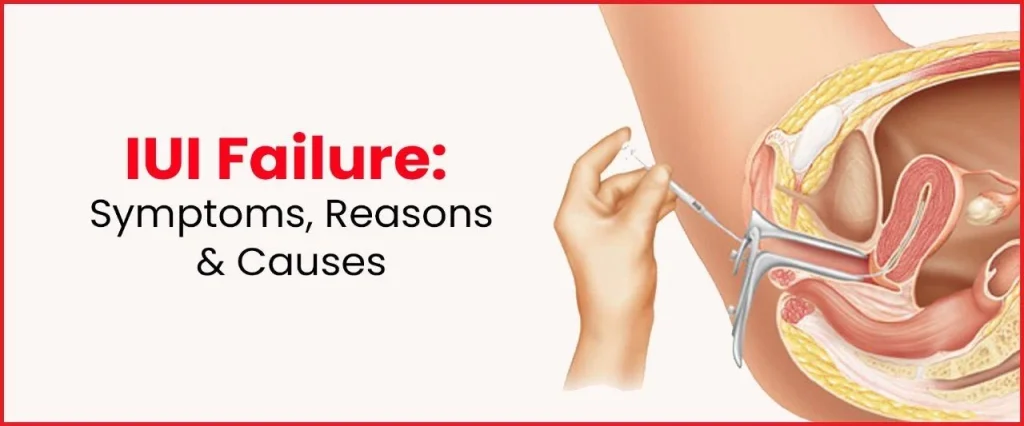
    illustration of IUI procedure with text on symptoms, reasons, and causes of IUI failure

    The Hidden Dangers of DIY Fertility Treatments

    Potential Legal Issues

    In some cases, DIY fertility treatments can also lead to potential legal issues. For example, if a sperm donor is used without proper legal contracts and agreements, the donor may have legal rights to the child, causing complications in the future. Additionally, DIY fertility treatments may not adhere to legal guidelines and regulations, putting individuals at risk of facing legal consequences.

    Risk of Multiple Pregnancies

    Some DIY fertility treatments, such as the use of fertility medications, can increase the chances of multiple pregnancies. While some individuals may see this as a positive outcome, it can lead to serious health risks for both the mother and the babies. Multiple pregnancies are considered high-risk pregnancies, and without proper medical care, the mother and babies may face complications during and after birth.

    The Importance of Seeking Professional Help

    Despite the allure of DIY fertility treatments, it is crucial to seek professional help when trying to conceive. Fertility specialists have the knowledge, expertise, and resources to help individuals and couples achieve their dream of starting a family safely. They can provide proper medical guidance and support, monitor the progress of treatments, and address any potential risks or complications. Seeking professional help also ensures that individuals have access to regulated and proven methods, increasing the chances of successful conception.

    In conclusion, while the idea of DIY fertility treatments may seem appealing, the hidden dangers and potential risks make it a risky and unreliable option. The lack of regulation, potential health risks, unsuccessful conception, and legal issues are all factors that individuals should consider before attempting any DIY methods. Seeking professional medical help is the safest and most effective way to achieve a successful and healthy pregnancy. It is crucial to prioritize the health and well-being of both the individual and the future child when it comes to fertility treatments.

    Summary:

    DIY fertility treatments have become a popular trend, but they come with hidden dangers and potential risks. The abundance of misinformation and lack of regulation can lead individuals to attempt unsafe or unproven methods. DIY treatments can also pose health risks, cause unsuccessful conception, and even lead to legal issues. It is crucial to seek professional help when trying to conceive to ensure the health and well-being of both the individual and potential child.