Summary:
When a couple is trying to conceive, they often face the decision between intrauterine insemination (IUI) and timed intercourse. Both methods involve the use of assisted reproductive technology, but they differ in terms of how and when sperm is introduced into the reproductive system. In this blog post, we will discuss the importance of communication between couples when making this decision, as well as the benefits and drawbacks of each method.
Communication is key when it comes to making any important decision, and this is especially true for couples trying to conceive. The decision between IUI and timed intercourse should be a joint one, with both partners openly discussing their thoughts, concerns, and preferences. This will not only help to ensure that both partners are on the same page, but it can also strengthen the bond between them during what can be a stressful and emotionally charged time.
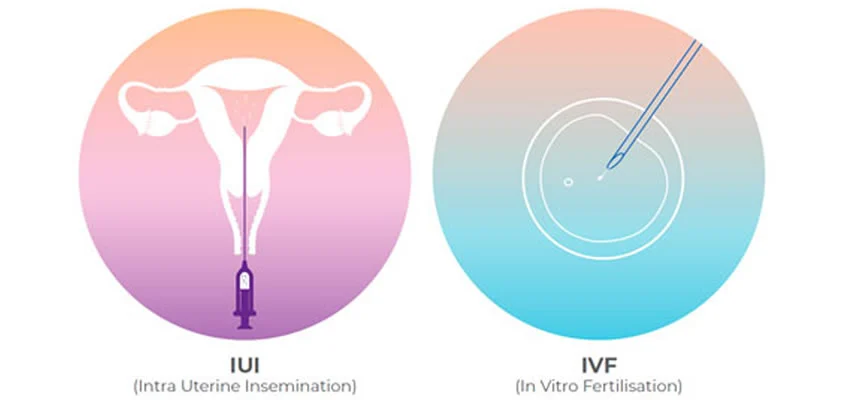
Intrauterine insemination (IUI) involves the placement of sperm directly into the uterus, bypassing the cervix and increasing the chances of fertilization. This can be done with the partner’s sperm or with donor sperm. The process is typically done around the time of ovulation, and can be done with or without the use of fertility drugs. Some of the benefits of IUI include its relatively low cost, the fact that it is minimally invasive, and its effectiveness in cases of male factor infertility. However, it does have some drawbacks, such as the need for multiple cycles, the possibility of multiple pregnancies, and the potential for discomfort during the procedure.
On the other hand, timed intercourse involves having sex during the woman’s fertile window, which is typically around the time of ovulation. This method does not involve any medical procedures and can be done at home. Some of the benefits of timed intercourse include its simplicity, the intimacy it can bring to the couple, and the lack of potential side effects. However, it may not be as effective in cases of male factor infertility, and it can be emotionally taxing for couples who have been trying to conceive for a long time.
It is important for couples to understand the success rates and potential risks of both IUI and timed intercourse before making a decision. They should also consider their personal preferences and lifestyle factors, as well as any underlying fertility issues that may be present. This is where open and honest communication between partners becomes crucial, as it can help to alleviate any fears or concerns and ensure that the chosen method is the best one for both individuals.
In addition to the decision-making process, communication is also vital during the actual treatment. Both IUI and timed intercourse require careful timing and adherence to a strict schedule, which can be stressful and overwhelming for couples. By communicating effectively and supporting each other throughout the process, couples can reduce their stress levels and increase their chances of success.
It is also important for couples to communicate with their healthcare provider throughout the treatment. This includes discussing any potential side effects or complications, as well as keeping track of any changes in the body or menstrual cycle. Regular check-ins with the doctor can help to identify any issues or adjust the treatment plan if needed.
In conclusion, the decision between intrauterine insemination and timed intercourse for couples trying to conceive is not a simple one. It involves careful consideration of various factors and open communication between partners and their healthcare provider. By working together and supporting each other throughout the process, couples can increase their chances of success and navigate the emotional and physical challenges of fertility treatments.