Blog Post: The Impact of Lifestyle: Intrauterine Insemination vs In Vitro Fertilization
In today’s world, many couples face challenges when trying to conceive a child. The rise in infertility rates has led to advancements in assisted reproductive technologies (ART) such as intrauterine insemination (IUI) and in vitro fertilization (IVF). These procedures have become popular options for couples struggling with fertility issues, but they have distinct differences that can greatly impact a person’s lifestyle. In this blog post, we will explore the impact of lifestyle on couples considering IUI and IVF as fertility treatment options.
Understanding Intrauterine Insemination (IUI)
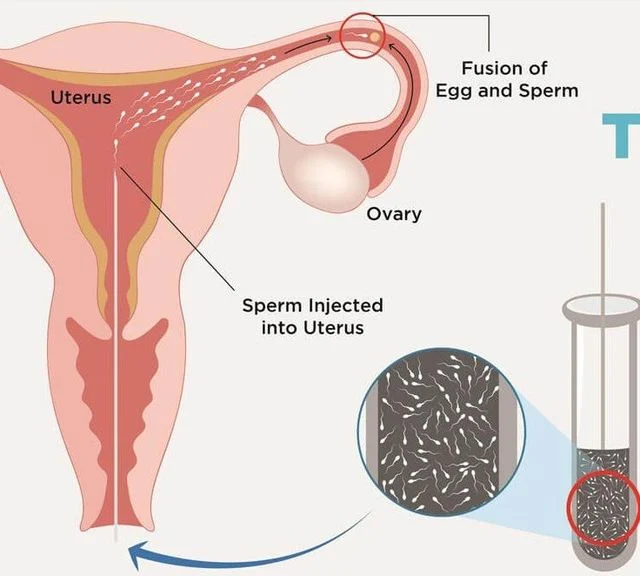
IUI is a form of fertility treatment where sperm is placed directly into a woman’s uterus during ovulation. This procedure is commonly used for couples with unexplained infertility, mild male factor infertility, or in cases where the woman has issues with ovulation. One of the main advantages of IUI is that it is a less invasive and less expensive option compared to IVF. It also allows for the use of the male partner’s sperm, which can be a more natural and intimate experience for couples.
The Impact of Lifestyle on IUI
One of the key factors that can affect the success of IUI is a person’s lifestyle. For example, being overweight or underweight can impact the body’s hormone levels, making it more difficult to conceive. Similarly, smoking, excessive alcohol consumption, and drug use can also decrease fertility and reduce the chances of IUI success. It is essential for couples considering IUI to adopt a healthy lifestyle, including a balanced diet and regular exercise, to increase their chances of success.
The Emotional Impact of IUI
IUI can be an emotional rollercoaster for couples. The process of trying to conceive can be stressful, and the uncertainty of whether the treatment will be successful can take a toll on a person’s mental well-being. It is important for couples to have a strong support system and to communicate openly with each other throughout the process. Seeking counseling or joining a support group can also be beneficial for couples going through IUI.
Understanding In Vitro Fertilization (IVF)
The Impact of Lifestyle: Intrauterine Insemination vs In Vitro Fertilization
IVF is a more complex fertility treatment that involves retrieving eggs from the woman’s ovaries and fertilizing them with sperm in a laboratory. The resulting embryos are then transferred to the woman’s uterus for implantation. This procedure is typically recommended for couples with more severe fertility issues, such as blocked fallopian tubes, advanced maternal age, or severe male factor infertility.
The Impact of Lifestyle on IVF
Unlike IUI, lifestyle factors have less of an impact on the success of IVF. However, maintaining a healthy lifestyle is still essential for improving the chances of a successful pregnancy. A balanced diet, regular exercise, and avoiding harmful substances can contribute to a more favorable outcome. Additionally, managing stress levels and having a positive mindset can also play a crucial role in the success of IVF.
The Emotional Impact of IVF
IVF can be a physically and emotionally taxing experience for couples. The process involves numerous appointments, medications, and procedures, which can be overwhelming and stressful. The financial burden of IVF can also add to the emotional toll on couples. It is crucial for couples to communicate openly with each other and seek support from friends, family, or a therapist to cope with the emotional impact of IVF.
Comparing IUI and IVF
When it comes to the impact of lifestyle, IUI and IVF have their differences. IUI is a less invasive and less expensive option, but lifestyle factors can significantly affect its success. On the other hand, IVF is a more complex and costly procedure, but lifestyle factors have less impact on its success. Ultimately, the decision between IUI and IVF will depend on a couple’s specific fertility issues, their budget, and their lifestyle.
In conclusion, lifestyle plays a crucial role in the success of both IUI and IVF. It is essential for couples to adopt a healthy lifestyle and manage their emotional well-being throughout the process of trying to conceive. Seeking support from loved ones and healthcare professionals can make a significant difference in the journey towards parenthood. It is also important to remember that every person’s fertility journey is unique, and what works for one couple may not work for another.
Summary:
Infertility can be a challenging issue for many couples, leading them to consider assisted reproductive technologies such as intrauterine insemination (IUI) and in vitro fertilization (IVF). These procedures have different impacts on a person’s lifestyle, with IUI being less invasive and expensive but susceptible to lifestyle factors, and IVF being more costly but less affected by lifestyle. It is crucial for couples to maintain a healthy lifestyle and seek support throughout their fertility journey.