Summary:
Infertility is a common issue that many couples face when trying to conceive. Fortunately, there are fertility treatments available such as intrauterine insemination (IUI) and in vitro fertilization (IVF) that can help increase the chances of pregnancy. In this blog post, we will explore and compare the success rates of these two popular fertility treatments.
Intrauterine Insemination (IUI):
Intrauterine insemination, also known as artificial insemination, is a relatively simple and less invasive procedure compared to IVF. It involves placing washed and concentrated sperm directly into the woman’s uterus during her ovulation period. This procedure is often recommended for couples with unexplained infertility, mild male factor infertility, or cervical issues.
The success rates of IUI vary depending on several factors such as the age of the woman, the quality of the sperm, and the cause of infertility. On average, the success rate of IUI is 10-20% per cycle. However, with the use of fertility drugs to stimulate ovulation, the success rate can increase up to 25%.
In Vitro Fertilization (IVF):
In vitro fertilization, on the other hand, is a more complex and invasive procedure. It involves removing eggs from the woman’s ovaries and fertilizing them with sperm in a laboratory. The resulting embryos are then transferred back into the woman’s uterus, with the hope of implantation and pregnancy. IVF is often recommended for couples with severe male factor infertility, blocked fallopian tubes, or advanced maternal age.
The success rates of IVF are generally higher than IUI, with an average success rate of 30-40% per cycle. However, the success rates can vary greatly depending on the woman’s age, the cause of infertility, and the number of embryos transferred. For women under 35, the success rate can be as high as 50%, while for women over 40, the success rate drops to 20%.
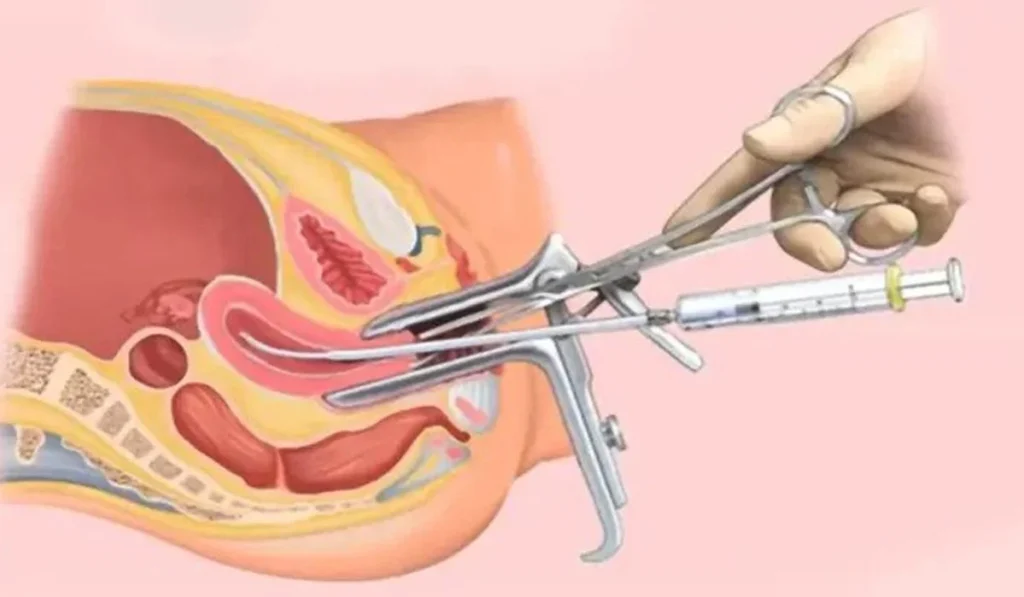
Exploring the Success Rates: Intrauterine Insemination vs In Vitro Fertilization
Factors Affecting Success Rates:
There are several factors that can affect the success rates of both IUI and IVF. These include age, cause of infertility, ovarian reserve, and lifestyle factors such as smoking and weight. Age is a significant factor as fertility declines with age, and the chances of pregnancy decrease after the age of 35. The cause of infertility also plays a role, as certain conditions such as endometriosis or male factor infertility may decrease the chances of success for both IUI and IVF.
Ovarian reserve, which refers to the quality and quantity of a woman’s eggs, also affects the success rates of both procedures. As women age, their ovarian reserve decreases, making it more challenging to conceive. Lifestyle factors such as smoking and being overweight can also impact the success rates of both IUI and IVF. Quitting smoking and maintaining a healthy weight can improve the chances of success for both procedures.
Cost and Emotional Impact:
Aside from success rates, cost and emotional impact are also important factors to consider when comparing IUI and IVF. IUI is generally more affordable than IVF, with an average cost of $500-$1000 per cycle, while IVF can cost anywhere from $12,000 to $15,000 per cycle. However, since IUI has a lower success rate, couples may end up spending more money in the long run if multiple cycles are needed.
The emotional impact of fertility treatments should also be taken into consideration. Both IUI and IVF can be emotionally taxing for couples, as they go through the ups and downs of the treatment process. However, IVF may have a higher emotional toll due to the more invasive and time-consuming nature of the procedure.
Conclusion:
In conclusion, both IUI and IVF are effective fertility treatments that can help couples achieve their dream of having a baby. The success rates of these procedures may vary depending on several factors, and it is essential to consult with a fertility specialist to determine the best treatment option for each individual case. While IVF may have higher success rates, it is also more expensive and emotionally taxing. Ultimately, the decision between IUI and IVF should be based on the couple’s specific needs and circumstances.