Tag: assisted reproductive technologies

  • Natural vs Medicinal Approaches to Fertility: Finding the Right Balance

    Natural vs Medicinal Approaches to Fertility: Finding the Right Balance

    Fertility is a topic that has gained more attention in recent years as more couples struggle with infertility issues. With the increasing availability of fertility treatments and medications, many people are turning to modern medicine for help in conceiving a child. However, there is a growing interest in natural approaches to fertility, which involves using natural methods and lifestyle changes to increase the chances of conception. In this blog post, we will explore the differences between natural and medicinal approaches to fertility and how finding the right balance between the two can lead to successful and healthy pregnancies.

    Natural Approaches to Fertility

    Natural approaches to fertility focus on using natural methods to optimize the body’s reproductive health. This can include changes in diet, exercise, stress management techniques, and the use of herbal supplements. These methods aim to support the body’s natural functions and promote overall well-being, rather than targeting a specific fertility issue.

    Diet plays a crucial role in natural fertility. A diet that is rich in whole, unprocessed foods, and low in sugar and unhealthy fats can improve hormone balance, boost egg and sperm health, and increase chances of conception. Certain foods, such as leafy greens, avocados, and nuts, are known to support fertility due to their high nutrient content.

    Regular exercise is also beneficial for fertility, as it helps regulate hormone levels, maintain a healthy weight, and reduce stress. Stress is a known contributor to infertility, and incorporating stress management techniques such as yoga, meditation, or acupuncture can help improve fertility outcomes.

    Another aspect of natural fertility is the use of herbal supplements. Herbs such as maca, chasteberry, and red raspberry leaf have been traditionally used to support reproductive health and boost fertility. However, it is essential to consult with a healthcare provider before incorporating any herbal supplements into your routine, as they may interact with other medications or have adverse effects on certain health conditions.

    Medicinal Approaches to Fertility

    Medicinal approaches to fertility involve using medications and assisted reproductive technologies (ART) to overcome fertility challenges. Medications such as Clomid and Letrozole are commonly used to stimulate ovulation in women with irregular menstrual cycles. ART, on the other hand, includes procedures like intrauterine insemination (IUI) and in vitro fertilization (IVF) to help couples conceive.

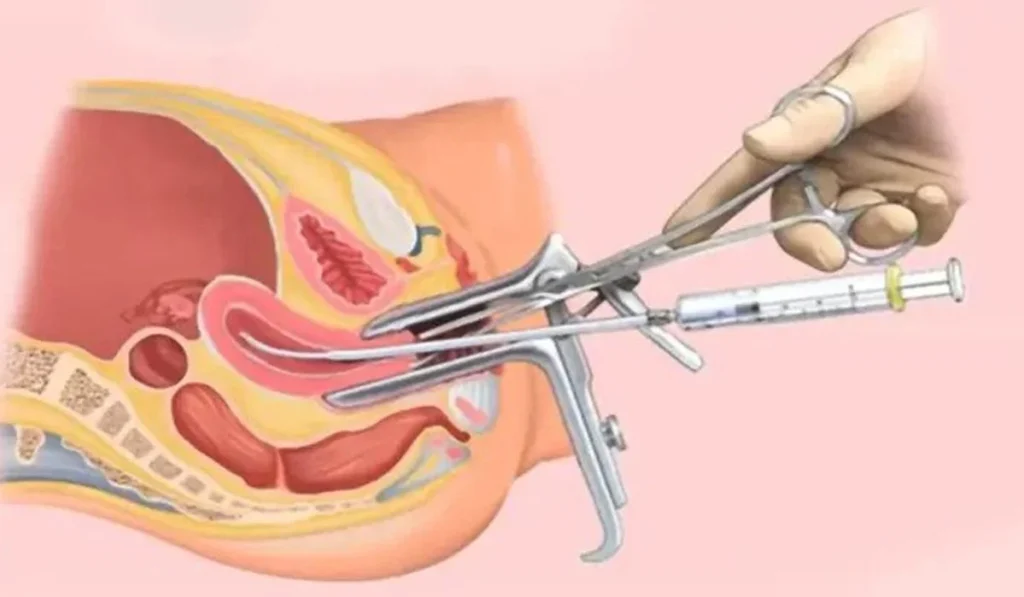
    Illustration of the IUI process, showing a syringe and catheter in the reproductive system.

    Natural vs Medicinal Approaches to Fertility: Finding the Right Balance

    Medications and ART can be effective in treating specific fertility issues, such as hormonal imbalances, blocked fallopian tubes, or low sperm count. However, they also come with potential side effects and risks, and they can be costly. Additionally, many couples may find the process emotionally and physically draining.

    Finding the Right Balance

    The decision between natural and medicinal approaches to fertility should not be a black and white one. Both approaches have their benefits and limitations, and it is essential to find the right balance to achieve the best possible outcome.

    For couples struggling with fertility, it is crucial to consult with a healthcare provider who specializes in fertility. They can assess your specific situation and recommend the best approach for you. In some cases, a combination of natural and medicinal approaches may be recommended.

    One example of this is using natural methods to prepare the body for an ART procedure. Studies have shown that incorporating lifestyle changes, such as diet and exercise, can improve the success rates of IVF. Additionally, some herbal supplements may support the body during fertility treatments and help reduce side effects.

    It is also important to listen to your body and make informed decisions. While medications and ART may be necessary for some couples, others may find success with natural methods alone. It is essential to understand the potential risks and benefits of each approach and choose what feels right for you.

    In conclusion, both natural and medicinal approaches to fertility have their place in helping couples conceive. By finding the right balance between the two, couples can optimize their chances of a successful and healthy pregnancy. It is crucial to consult with a healthcare provider and listen to your body to make informed decisions about your fertility journey.

    Summary:

    Fertility is a topic that has gained more attention in recent years, with more couples struggling with infertility issues. While modern medicine offers various treatments and medications, there is also a growing interest in natural approaches to fertility. These methods involve lifestyle changes, such as diet, exercise, and stress management, as well as the use of herbal supplements. On the other hand, medicinal approaches to fertility involve medications and assisted reproductive technologies (ART) like IVF. It is essential to find the right balance between the two approaches to achieve the best possible outcome. Consulting with a healthcare provider and listening to your body can help you make informed decisions about your fertility journey.
  • Intrauterine Insemination vs Donor Insemination: A Choice for Single Parents

    Intrauterine Insemination vs Donor Insemination: A Choice for Single Parents

    Becoming a parent is a deeply personal and life-changing decision for anyone, but for single individuals, it can come with unique challenges and considerations. For many single parents, the journey to parenthood may not involve a partner or spouse, but rather assisted reproductive technologies such as intrauterine insemination (IUI) or donor insemination (DI). These two methods offer different paths to parenthood for single individuals, and understanding the differences between them can be crucial in making the right decision. In this blog post, we will explore the differences between intrauterine insemination and donor insemination and discuss how each can be a viable choice for single parents.

    Intrauterine Insemination (IUI)

    Intrauterine insemination, also known as artificial insemination, is a fertility treatment that involves placing washed and concentrated sperm directly into the uterus at the time of ovulation. This procedure can be done with or without fertility drugs to stimulate ovulation. The goal of IUI is to increase the number of sperm that reach the fallopian tubes and ultimately increase the chance of fertilization. IUI can be performed with sperm from a partner or a sperm donor.

    One of the main advantages of IUI for single parents is that it allows them to use their own sperm or that of a known donor, giving them a biological connection to their child. This can be a significant factor for many individuals who want to have a child that is genetically related to them. Additionally, IUI is a relatively simple and non-invasive procedure, making it a popular choice for single parents who may not want to undergo more complex fertility treatments.

    However, IUI does have some limitations. It is most successful for women who have no fertility issues and have a good ovarian reserve, meaning they have a good number of healthy eggs. For single individuals who may be older or have fertility issues, IUI may not be as effective, and they may need to explore other options.

    Donor Insemination (DI)

    Donor insemination, or sperm donation, is the process of using donated sperm to fertilize an egg. This can be done through insemination or in vitro fertilization (IVF). In DI, the sperm comes from a donor who is usually anonymous, although some sperm banks may offer the option of using a known donor. The donor sperm is screened for genetic and infectious diseases, and the recipient can choose a donor based on characteristics such as physical appearance, education, and ethnicity.

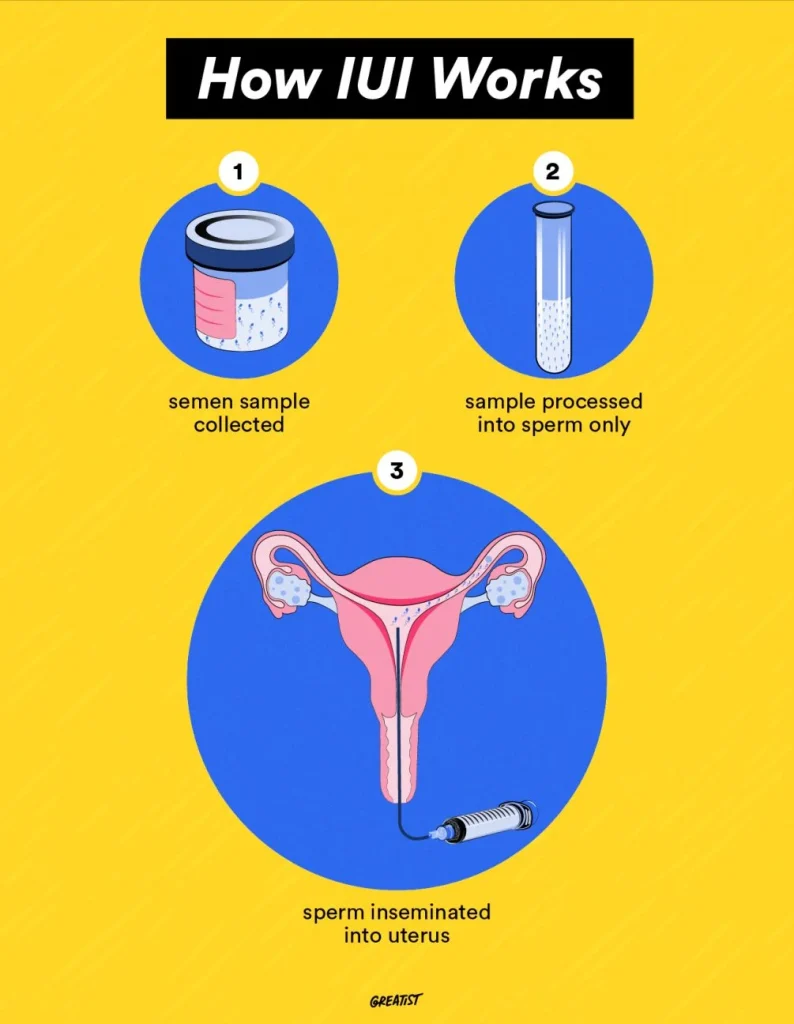
    illustration explaining the steps of intrauterine insemination (IUI) process on a bright yellow background

    Intrauterine Insemination vs Donor Insemination: A Choice for Single Parents

    One of the main advantages of DI for single parents is that it allows them to have a child without a partner or the need for a sexual relationship. This can be an appealing option for individuals who may not want a romantic partner but still desire to become a parent. DI also offers a higher success rate compared to IUI, as the sperm is directly injected into the egg, increasing the chances of fertilization.

    However, DI also has its drawbacks. The use of donor sperm means that the child will not have a genetic connection to the parent, which may be a significant factor for some individuals. Additionally, using a sperm donor can be an expensive and time-consuming process, as it involves finding a suitable donor and undergoing fertility treatments such as IVF.

    Making the Choice: Factors to Consider

    The decision between IUI and DI for single parents ultimately depends on individual circumstances and preferences. Some factors to consider include:

    – Biological connection: For individuals who want a biological connection to their child, IUI may be the preferred option. However, if this is not a priority, DI may be a more viable choice.

    – Fertility issues: For those with fertility issues, DI may be the more effective option as it bypasses any potential barriers to fertilization. However, IUI may still be a suitable choice for those with no fertility issues but may require additional treatments or medications.

    – Cost: IUI is generally a more affordable option compared to DI, which can involve significant expenses such as sperm donor fees and fertility treatments. Single parents may need to consider their financial situation when choosing between the two.

    – Support system: Single parents may need to consider their support system and resources when making the decision between IUI and DI. DI may require more support and assistance, both emotionally and physically, compared to IUI, which can be done more independently.

    In summary, both IUI and DI offer single parents viable options for starting a family. While IUI may provide a biological connection and a less invasive procedure, DI offers a higher success rate and the ability to have a child without a partner. It is essential for single parents to carefully consider their goals, circumstances, and resources to make the best decision for themselves and their future child.

  • Intrauterine Insemination vs Donor Insemination: A Future Outlook

    Intrauterine Insemination vs Donor Insemination: A Future Outlook

    In recent years, there has been a significant increase in the number of couples and individuals seeking assisted reproductive technologies (ART) to start or expand their families. Two of the most commonly used methods of ART are intrauterine insemination (IUI) and donor insemination (DI). While both methods involve placing sperm into the uterus to facilitate fertilization, they differ in terms of the source of the sperm. In IUI, the sperm used is from the woman’s partner, while in DI, the sperm is obtained from a donor.

    As we look towards the future, it is important to examine the current landscape of IUI and DI and how these methods may evolve in the coming years. This blog post will explore the similarities and differences between IUI and DI, the current trends in their use, and potential advancements in the field of assisted reproduction.

    Similarities and Differences between IUI and DI

    As mentioned earlier, both IUI and DI involve the placement of sperm into the uterus to increase the chances of fertilization. IUI, also known as artificial insemination, is a relatively simple and non-invasive procedure where the sperm is washed and prepared before being placed directly into the uterus via a thin catheter. This method is often used for couples with unexplained infertility, mild male factor infertility, or in conjunction with ovulation induction drugs to increase the chances of conception.

    On the other hand, DI involves the use of sperm from a donor, which can be either from a known or anonymous source. This method is commonly used for single women, same-sex couples, or individuals with severe male factor infertility. The sperm can be obtained from a sperm bank or a known donor, and the process is similar to IUI, with the only difference being the source of the sperm.

    One of the main differences between IUI and DI is the screening process for the sperm donor. Sperm donors are thoroughly screened for genetic and infectious diseases, as well as physical and psychological traits. This ensures that the sperm used in DI is of high quality and reduces the risk of potential health issues for the offspring.

    Current Trends in IUI and DI

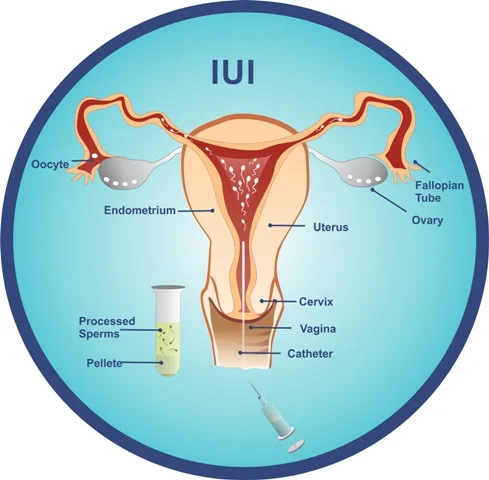
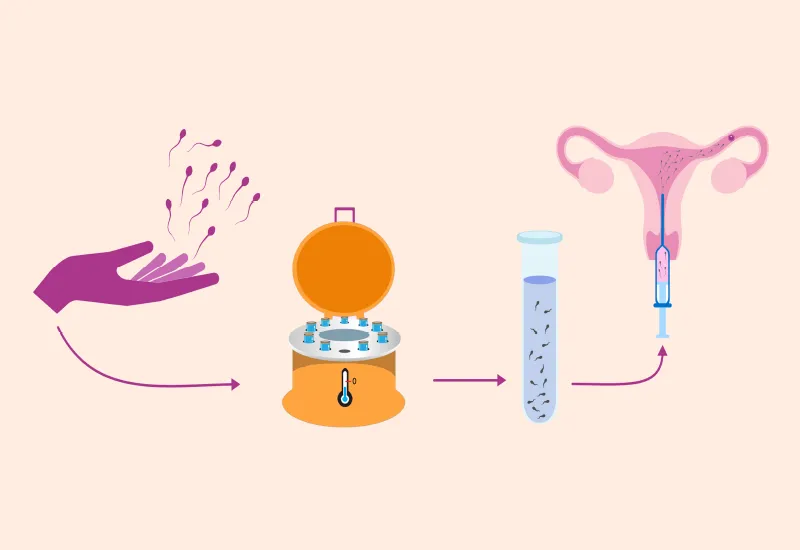
    illustration of the IUI process, showing sperm collection, preparation, and insertion into the uterus

    Intrauterine Insemination vs Donor Insemination: A Future Outlook

    In recent years, there has been a steady increase in the use of ART, including IUI and DI. According to the Centers for Disease Control and Prevention (CDC), in 2018, there were over 260,000 ART cycles performed in the United States, resulting in more than 72,000 live births. While IUI and DI may not be the most common methods of ART, they are still widely used, with IUI accounting for almost 20% of all ART cycles and DI accounting for 8%.

    There has also been a shift in the demographics of individuals and couples seeking IUI and DI. In the past, these methods were mainly used by heterosexual couples with fertility issues. However, with the increasing acceptance and availability of ART, more single women and same-sex couples are turning to IUI and DI to start their families.

    Future Outlook for IUI and DI

    The future of IUI and DI looks promising with advancements in technology and increasing acceptance of ART. One potential development is the use of intrafallopian insemination (IFI) instead of IUI. In IFI, the sperm is placed directly into the fallopian tubes, bypassing the cervix and increasing the chances of fertilization. This method may prove to be more successful than IUI, especially for couples with male factor infertility.

    Another potential advancement is the use of frozen sperm instead of fresh sperm. Currently, most IUI and DI procedures use fresh sperm, but frozen sperm has been shown to have similar success rates. The use of frozen sperm would eliminate the need for coordinating the timing of the procedure with the donor’s availability and would also reduce the risk of potential infections from the donor.

    As technology continues to advance, we may also see improvements in the screening process for sperm donors. This could include genetic testing for a wider range of diseases and disorders, as well as the use of artificial intelligence to select the most suitable donor based on physical and psychological traits.

    Summary

    In conclusion, IUI and DI are two commonly used methods of ART that involve placing sperm into the uterus to facilitate fertilization. While they share some similarities, they also have distinct differences, such as the source of the sperm. Currently, there is a growing trend towards the use of ART, and IUI and DI are becoming more accepted and accessible to a wider range of individuals and couples. Looking towards the future, advancements in technology and improvements in the screening process for sperm donors may further enhance the success rates of these methods and provide more options for individuals and couples looking to start a family.

  • The Cost of Privacy: IUI vs DI

    Blog Post:

    In today’s world, privacy has become a major concern for many individuals and families. With the rise of technology and social media, it has become increasingly difficult to maintain a sense of privacy. This is especially true for couples who are looking to start a family through assisted reproductive technologies, such as intrauterine insemination (IUI) and donor insemination (DI). These methods have their own unique benefits and challenges, but one aspect that often gets overlooked is the cost of privacy.

    IUI, also known as artificial insemination, involves the insertion of washed and concentrated sperm directly into the uterus during a woman’s ovulation period. This can be done using the partner’s sperm or donor sperm. On the other hand, DI involves the use of donor sperm, which is obtained from a sperm bank or a known donor, and the insemination process is similar to IUI.

    One of the main differences between IUI and DI is the level of privacy involved. With IUI, the couple has the option to use the partner’s sperm, which allows them to maintain the privacy of their genetic information. However, if the couple decides to use donor sperm, they must disclose this information to their healthcare provider and any future children born through the procedure.

    On the other hand, DI involves the use of donor sperm, which means that the couple will have to disclose this information to their healthcare provider and any future children. This can have a significant impact on the privacy of the couple and their future child. In some cases, the donor’s information may be disclosed to the child when they reach a certain age, which can raise questions and challenges for the family.

    Aside from the emotional and psychological impact, the cost of privacy also comes with a financial burden. IUI is usually less expensive compared to DI, as it only involves the cost of sperm washing and insertion. DI, on the other hand, involves purchasing donor sperm, which can range from a few hundred to thousands of dollars depending on the donor’s characteristics and the sperm bank. This cost can add up significantly, especially if multiple attempts are needed for a successful pregnancy.

    illustration of an intrauterine insemination procedure with medical instruments and anatomical details

    The Cost of Privacy: IUI vs DI

    Moreover, with DI, there is also the added cost of legal fees if the couple decides to use a known donor. This is to ensure that all legal rights and responsibilities are properly established and protected for both the donor and the couple. This can add to the overall cost of the procedure and may not be covered by insurance.

    Another factor to consider is the cost of genetic testing. With IUI, the partner’s genetic information is known, and there is no need for genetic testing. However, with DI, there is a possibility that the donor’s genetic information may not be fully known or disclosed, which may require the couple to undergo genetic testing to ensure the health of the child. This can add to the overall cost of the procedure and may not be covered by insurance.

    Aside from the financial aspect, the cost of privacy also includes the time and effort that the couple needs to invest in the process. With IUI, the partner’s sperm is readily available, and the couple can proceed with the procedure without any delays. However, with DI, the couple needs to go through the process of selecting a donor, which can take time and require thorough research to find the right match. This can add to the stress and emotional toll on the couple, especially if they have been struggling with infertility.

    In conclusion, while IUI and DI both have their own benefits and challenges, the cost of privacy is an important factor to consider. IUI may be a more affordable option, but it also allows the couple to maintain their privacy. On the other hand, DI involves a higher cost and a lack of privacy, which can have a significant impact on the couple and their future child. It is essential for couples to carefully consider their options and weigh the cost of privacy before making a decision.

    Summary:

    Intrauterine insemination (IUI) and donor insemination (DI) are two assisted reproductive technologies that differ in terms of privacy. With IUI, the couple can choose to use the partner’s sperm, which allows them to maintain their privacy. However, with DI, the use of donor sperm means that the couple needs to disclose this information to their healthcare provider and future children, which can have a significant emotional and financial impact. The cost of privacy includes the financial burden of purchasing donor sperm and potential legal fees, as well as the time and effort needed to find the right donor. It is important for couples to carefully consider the cost of privacy before deciding on which method to choose.

  • The Impact of LGBTQ+ Couples: Intrauterine Insemination vs Donor Insemination

    Blog Post:

    The Impact of LGBTQ+ Couples: Intrauterine Insemination vs Donor Insemination

    In recent years, there has been a significant increase in awareness and acceptance of the LGBTQ+ community. With this, there has also been a rise in the number of same-sex couples who wish to start a family and have children. However, for these couples, the traditional methods of conception may not be applicable. This is where assisted reproductive technologies such as intrauterine insemination (IUI) and donor insemination (DI) come into play. In this blog post, we will explore the impact of these two methods on LGBTQ+ couples and the factors that influence their decision.

    Intrauterine Insemination (IUI) is a procedure in which sperm is placed directly into the uterus, bypassing the cervix. This method is often used for couples who have difficulty conceiving due to issues such as low sperm count or cervical mucus problems. For LGBTQ+ couples, IUI is a viable option for conception as it allows for one partner to carry the child while the other provides the sperm. This method is also commonly used by lesbian couples who wish to have a biological child. In this case, the sperm can be obtained from a known or anonymous donor.

    Donor Insemination (DI), on the other hand, involves using donated sperm to fertilize the egg. This method is commonly used by single women and lesbian couples who do not have a male partner. For LGBTQ+ couples, DI allows for both partners to have a biological connection to the child. However, this method does not involve any genetic link between the child and the non-biological parent.

    One of the main factors that influence the decision between IUI and DI for LGBTQ+ couples is the desire to have a genetic connection to the child. For lesbian couples, IUI may be the preferred choice as it allows for one partner to carry the child while the other provides the genetic material. This can help in creating a sense of equality and balance in the relationship. On the other hand, gay male couples may opt for DI as it allows both partners to have a biological connection to the child.

    diagram illustrating intrauterine insemination (IUI) with labeled reproductive anatomy and procedures

    The Impact of LGBTQ+ Couples: Intrauterine Insemination vs Donor Insemination

    Another factor that may influence the decision is the cost and accessibility of the procedures. IUI is generally less expensive than DI as it does not involve the additional cost of donated sperm. However, for lesbian couples, the cost may be higher if they choose to use a known donor as they may have to cover the cost of medical screenings and legal agreements. In terms of accessibility, IUI may be more accessible for couples living in areas with limited access to fertility clinics or donors.

    Aside from the factors mentioned above, there are also legal and social considerations that LGBTQ+ couples need to take into account when choosing between IUI and DI. In some countries, laws and regulations may restrict access to assisted reproductive technologies for same-sex couples. This can cause additional stress and emotional burden for couples who are already facing societal discrimination. Additionally, there may be social stigma and judgment from family, friends, and the wider community towards LGBTQ+ couples who choose to have children through assisted reproduction.

    However, despite the challenges and considerations, the impact of assisted reproductive technologies on LGBTQ+ couples has been largely positive. These methods have allowed for these couples to have children and create their own families, breaking traditional norms and stereotypes. It has also provided an avenue for non-traditional families to be recognized and accepted in society.

    In conclusion, the decision between intrauterine insemination and donor insemination for LGBTQ+ couples is a personal and complex one. Factors such as the desire for a genetic connection, cost and accessibility, and legal and social considerations all play a role in this decision. However, regardless of the method chosen, the impact of assisted reproductive technologies has been significant in allowing LGBTQ+ couples to have children and fulfill their dreams of starting a family.

    Summary:

    The rise in awareness and acceptance of the LGBTQ+ community has led to an increase in the number of same-sex couples who wish to start a family. For these couples, assisted reproductive technologies such as intrauterine insemination (IUI) and donor insemination (DI) are viable options. Factors such as the desire for a genetic connection, cost and accessibility, and legal and social considerations influence the decision between IUI and DI. These technologies have had a positive impact on LGBTQ+ couples, allowing them to have children and create their own families.

  • Fertility Clinics vs Hospitals: Which Offers More Options for Surrogacy?

    Blog Post:

    In recent years, the demand for surrogacy has increased as more and more couples struggle with infertility. This has led to the rise of fertility clinics and hospitals offering surrogacy services. However, many people are left wondering which option offers more options for surrogacy? In this blog post, we will explore the differences between fertility clinics and hospitals when it comes to surrogacy and help you make an informed decision.

    Fertility Clinics:

    Fertility clinics are specialized medical facilities that focus on helping couples and individuals achieve pregnancy. These clinics offer a variety of assisted reproductive technologies (ART) including in vitro fertilization (IVF), intrauterine insemination (IUI), and surrogacy. Fertility clinics have a team of experienced doctors, nurses, and embryologists who specialize in fertility treatments and are well-equipped with the latest technology.

    When it comes to surrogacy, fertility clinics offer a wide range of options. They have a pool of potential surrogates who have undergone rigorous medical and psychological screening to ensure they are physically and mentally fit to carry a pregnancy. Fertility clinics also offer legal support and guidance to both the intended parents and the surrogate to ensure all parties are well-informed and protected.

    Another advantage of fertility clinics is the ability to choose the type of surrogacy. Couples can opt for traditional surrogacy where the surrogate’s egg is used or gestational surrogacy where the intended mother’s egg is used. This gives couples more control over the genetic makeup of their child.

    Hospitals:

    Hospitals, on the other hand, are general medical facilities that offer a wide range of healthcare services, including surrogacy. However, hospitals may not have a specialized team or equipment for fertility treatments. This can be a disadvantage for couples who require more specific and advanced procedures such as IVF.

    When it comes to surrogacy, hospitals may have limited options compared to fertility clinics. They may not have a pool of surrogates, and if they do, the screening process may not be as thorough as that of a fertility clinic. This can put both the intended parents and the surrogate at risk.

    Moreover, hospitals may not offer legal support and guidance for surrogacy. This can be a huge disadvantage as surrogacy involves complex legal implications, and it is crucial to have proper legal documentation to avoid any issues in the future.

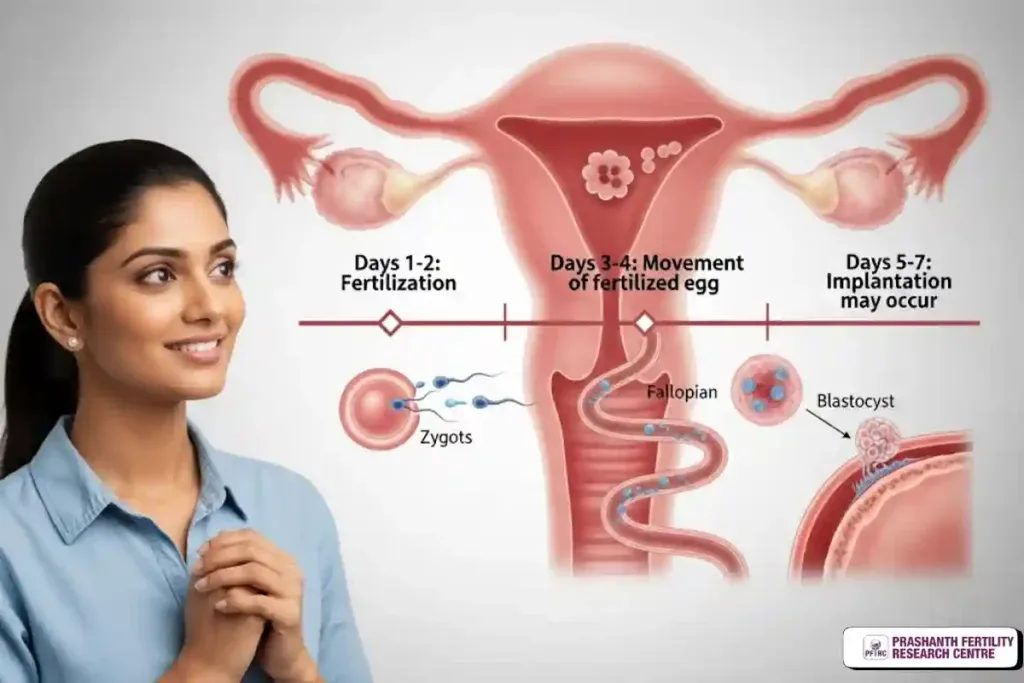
    Illustration showing fertilization and implantation timeline with a woman looking hopeful.

    Fertility Clinics vs Hospitals: Which Offers More Options for Surrogacy?

    Cost:

    One of the major factors to consider when choosing between a fertility clinic and a hospital for surrogacy is the cost. Fertility clinics tend to be more expensive than hospitals due to their specialized services and equipment. However, the cost may vary depending on the type of surrogacy chosen.

    In addition to the medical procedures, fertility clinics also offer counseling and support services for both the intended parents and the surrogate, which can be beneficial for the emotional well-being of all parties involved.

    Hospitals, on the other hand, may offer surrogacy at a lower cost, but it is essential to consider the quality and extent of services provided.

    Success Rates:

    Another crucial factor to consider is the success rates of fertility clinics and hospitals when it comes to surrogacy. Fertility clinics have higher success rates due to their specialized services, experienced team, and advanced technology. These clinics also have a better understanding of the surrogacy process and can provide personalized treatment plans for each couple based on their medical history and needs.

    Hospitals, on the other hand, may not have the same level of expertise and success rates may be lower. This can be a significant concern for couples who have already been struggling with infertility and are looking for a successful outcome.

    In conclusion, both fertility clinics and hospitals offer surrogacy services, but there are significant differences between the two. Fertility clinics have a specialized team, advanced technology, and a wide range of options for surrogacy. They also offer legal support and have higher success rates. Hospitals, on the other hand, may have limited options, lower success rates, and may not provide legal support. Ultimately, the decision depends on the specific needs and preferences of the couple or individual seeking surrogacy.

    Summary:

    The demand for surrogacy has led to the rise of fertility clinics and hospitals offering surrogacy services. Fertility clinics have a specialized team, advanced technology, and a wide range of options for surrogacy, making them the preferred choice for many couples. They also offer legal support and have higher success rates. Hospitals, on the other hand, may have limited options, lower success rates, and may not provide legal support. Ultimately, the decision depends on the specific needs and preferences of the couple or individual seeking surrogacy.

  • A Look at the Process: At-Home Insemination Kits vs. Medical Supplies

    Blog Post Title: A Look at the Process: At-Home Insemination Kits vs. Medical Supplies

    When it comes to trying to conceive, many couples turn to fertility treatments or assisted reproductive technologies. However, these options can be expensive and invasive, leading some individuals to explore at-home insemination as an alternative. At-home insemination involves using a kit or medical supplies to insert sperm into the vagina, cervix, or uterus in hopes of achieving pregnancy. In this blog post, we will take a closer look at the process of at-home insemination and compare the two main methods: at-home insemination kits and using medical supplies.

    At-Home Insemination Kits

    At-home insemination kits are designed to make the process of insemination easier and more convenient for individuals and couples trying to conceive. These kits typically include all the necessary supplies, such as a syringe, ovulation predictor kits, and sperm-friendly lubricant. Some kits also come with instructions and educational materials to help guide users through the process.

    One of the main advantages of using an at-home insemination kit is the convenience factor. These kits can be purchased online or over the counter at a pharmacy, making it easy for couples to access them without having to visit a fertility clinic. They are also relatively affordable, with prices ranging from $50 to $200, depending on the brand and contents of the kit.

    Another benefit of at-home insemination kits is the privacy they offer. Many couples may feel more comfortable trying to conceive in the privacy of their own home rather than in a clinical setting. This can be especially appealing for same-sex couples or single individuals who may face judgment or discrimination in a medical setting.

    However, there are some drawbacks to using at-home insemination kits. One of the main concerns is the lack of medical supervision. Without the guidance of a healthcare professional, there is a higher risk of incorrect use or potential complications. Additionally, these kits may not be suitable for individuals with certain medical conditions or fertility issues that require a more specialized approach.

    illustration of the IUI process, showing sperm collection, preparation, and insertion into the uterus

    A Look at the Process: At-Home Insemination Kits vs. Medical Supplies

    Medical Supplies

    Using medical supplies for at-home insemination involves purchasing the necessary equipment from a medical supply store or online. This method requires more preparation and knowledge, as individuals will need to gather all the necessary supplies and potentially educate themselves on the proper techniques for insemination.

    One of the main advantages of using medical supplies is the ability to customize the process to fit individual needs. For example, individuals with certain medical conditions or fertility issues may require specific tools or techniques for successful insemination. By purchasing medical supplies, individuals have more control over the process and can tailor it to their unique situation.

    Another benefit of using medical supplies is the potential cost savings. While the initial investment in supplies may be higher, individuals can reuse these supplies for multiple insemination attempts, making it a more cost-effective option in the long run.

    However, using medical supplies for at-home insemination also has its drawbacks. As mentioned earlier, it requires more preparation and knowledge, which may be overwhelming for some individuals. There is also a higher risk of incorrect use or potential complications if individuals are not properly educated on the process. Additionally, not all medical supplies may be readily available to the general public, requiring individuals to seek out specific products and potentially incur additional costs.

    Which Method is Right for You?

    Ultimately, the decision between using an at-home insemination kit or medical supplies depends on individual preferences and needs. At-home insemination kits offer convenience and privacy, while using medical supplies allows for more customization and potential cost savings. It is important to carefully consider the pros and cons of each method and to consult with a healthcare professional before making a decision.

    In summary, at-home insemination can be a viable option for individuals and couples trying to conceive. At-home insemination kits offer convenience and privacy, while using medical supplies allows for more customization and potential cost savings. However, both methods have their drawbacks and it is important to carefully consider individual needs and seek medical guidance before proceeding.

  • Medical Insemination Supplies: A Necessity for Conception

    Blog Post: Medical Insemination Supplies: A Necessity for Conception

    Conception is a beautiful and miraculous process that brings new life into the world. However, for some couples, natural conception may not be possible due to various reasons. This is where medical insemination comes in – a technique that involves the placement of sperm into the female reproductive tract to facilitate fertilization. And for this procedure to be successful, the use of medical insemination supplies is crucial.

    What are Medical Insemination Supplies?

    Medical insemination supplies are medical devices and tools that are specifically designed for use in assisted reproductive technologies (ART). These supplies include devices such as catheters, syringes, and specimen collection cups, among others. They are used to collect, process, and deliver sperm to the female reproductive tract during medical insemination procedures.

    Types of Medical Insemination Supplies

    1. Sperm Collection Devices
    The initial step in medical insemination is the collection of sperm from the male partner or a sperm donor. There are various devices available for this, such as specimen collection cups, condoms, and specialized collection condoms. These devices ensure that the sperm is collected in a sterile and safe manner.

    2. Sperm Processing Devices
    Once the sperm is collected, it needs to be processed to remove any impurities and to concentrate the sperm cells. This is where sperm processing devices such as centrifuges and sperm wash kits come into play. These devices help to separate the healthy and motile sperm from the rest of the ejaculate.

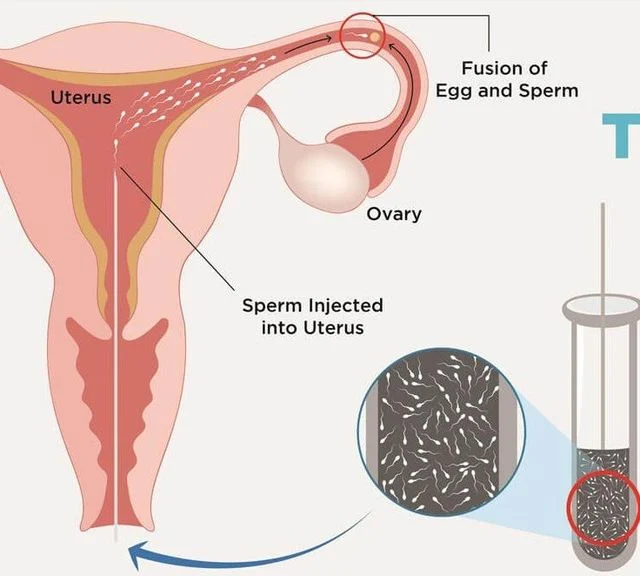
    Diagram illustrating the IUI process, showing sperm injection into the uterus and egg fertilization.

    Medical Insemination Supplies: A Necessity for Conception

    3. Sperm Delivery Devices
    After processing, the sperm needs to be delivered to the female reproductive tract. This is where sperm delivery devices such as catheters and syringes are used. These devices are designed to safely and effectively deliver the sperm to the desired location.

    Why are Medical Insemination Supplies Necessary?

    1. Ensure Sterility
    Medical insemination procedures involve the insertion of sperm into the female reproductive tract, which can increase the risk of infection. However, with the use of sterile medical insemination supplies, the risk of infection is greatly reduced, ensuring a safe and successful procedure.

    2. Increase Success Rates
    The use of medical insemination supplies also greatly increases the chances of a successful pregnancy. These supplies are designed to handle and deliver sperm with precision, ensuring that the sperm reaches the desired location for fertilization.

    3. Customizable to Individual Needs
    Every individual and couple’s needs are different when it comes to medical insemination. Fortunately, there are a variety of medical insemination supplies available, allowing healthcare providers to customize the procedure to meet the specific needs and preferences of their patients.

    4. Cost-Effective
    Medical insemination supplies are cost-effective compared to other assisted reproductive technologies. This makes medical insemination a more accessible option for couples who may not be able to afford other fertility treatments.

    5. Non-Invasive Procedure
    Medical insemination is a non-invasive procedure that does not require any surgical intervention. This makes it a less intimidating option for couples who may be hesitant about more invasive procedures.

    In summary, medical insemination supplies are an essential component of assisted reproductive technologies. They ensure the safety, success, and customization of the procedure, making it a viable option for couples struggling with infertility. With the use of these supplies, many couples have been able to fulfill their dream of starting a family.

  • Fertility Nutrition for LGBTQ+ Couples: Tips for Conception and Pregnancy

    Blog Post: Fertility Nutrition for LGBTQ+ Couples: Tips for Conception and Pregnancy

    Fertility and pregnancy are deeply personal and emotional journeys for any couple, but for LGBTQ+ couples, there can be unique challenges and considerations to navigate. However, with the right nutrition and lifestyle choices, these challenges can be overcome and the path to parenthood can be made smoother. In this blog post, we will discuss the importance of nutrition for fertility in LGBTQ+ couples and provide helpful tips for conception and pregnancy.

    The Importance of Nutrition for Fertility

    Nutrition plays a crucial role in fertility for both men and women. A balanced and nutrient-rich diet can improve overall health and increase the chances of conception. For LGBTQ+ couples, this is especially important as they may be using assisted reproductive technologies (ART) such as IVF, which can be physically and emotionally taxing. A healthy diet can support the body during these procedures and increase the chances of success.

    Tips for Fertility Nutrition for LGBTQ+ Couples

    1. Get Enough Nutrients

    A healthy and balanced diet is essential for fertility, as certain nutrients can affect hormone levels and reproductive function. For LGBTQ+ couples, it is important to pay attention to the intake of nutrients that are important for fertility, such as zinc, folate, iron, and omega-3 fatty acids. These can be found in foods like lean meats, seafood, leafy greens, and nuts and seeds.

    2. Consider Supplementation

    Sometimes, it may be difficult to get enough nutrients from diet alone. In such cases, supplementation can be beneficial. For example, folic acid supplements are recommended for women trying to conceive, as it can prevent birth defects in the baby. LGBTQ+ couples may also consider taking a prenatal multivitamin to ensure they are getting all the necessary nutrients for a healthy pregnancy.

    3. Maintain a Healthy Weight

    Both being underweight and overweight can have a negative impact on fertility. For LGBTQ+ couples, this can be particularly challenging as some may be using hormones for fertility treatments. It is important to work with a healthcare provider to maintain a healthy weight and to monitor hormone levels regularly.

    4. Limit Alcohol and Caffeine Intake

    Excessive alcohol and caffeine consumption have been linked to decreased fertility in both men and women. LGBTQ+ couples should limit their intake of these substances to increase their chances of conception. Instead, opt for healthier alternatives like herbal teas and mocktails.

    5. Avoid Smoking and Recreational Drugs

    Smoking and recreational drug use can also decrease fertility and increase the risk of complications during pregnancy. LGBTQ+ couples should refrain from these habits to improve their chances of conception and to ensure a healthy pregnancy.

    6. Consider a Plant-Based Diet

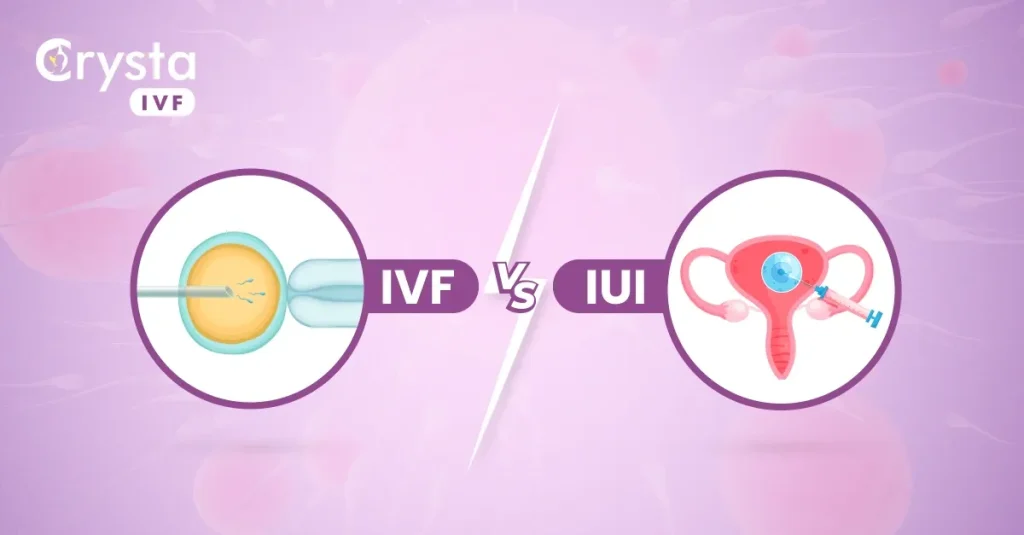
    Comparison of IVF and IUI procedures with illustrations of each method.

    Fertility Nutrition for LGBTQ+ Couples: Tips for Conception and Pregnancy

    Plant-based diets have been associated with improved fertility, as they are high in antioxidants and anti-inflammatory compounds. For LGBTQ+ couples, a plant-based diet can also be a great option as it is inclusive of all dietary restrictions and preferences.

    7. Seek Professional Guidance

    Every individual’s fertility journey is unique, and it is important to seek professional guidance from a healthcare provider or a registered dietitian who specializes in fertility. They can provide personalized advice and create a nutrition plan that meets the specific needs of LGBTQ+ couples.

    Staying Healthy During Pregnancy

    Once conception is achieved, nutrition continues to play a crucial role in maintaining a healthy pregnancy. LGBTQ+ couples may have additional considerations during pregnancy, such as hormone levels and potential complications, but the following tips can help ensure a healthy pregnancy:

    1. Continue Taking Prenatal Vitamins

    Prenatal vitamins are important for providing essential nutrients for the developing baby and for the health of the mother. Continue taking them as recommended by a healthcare provider throughout the pregnancy.

    2. Stay Hydrated

    Staying hydrated is crucial during pregnancy to support the increased blood volume and to prevent common pregnancy-related issues like constipation and urinary tract infections. Aim for at least 8-10 glasses of water a day and choose water over sugary drinks.

    3. Consume a Variety of Nutrient-Dense Foods

    As the baby grows, the mother’s nutrient needs increase. It is important to consume a variety of nutrient-dense foods such as fruits, vegetables, whole grains, lean protein, and healthy fats to meet these increased needs.

    4. Listen to Your Body

    Pregnancy can bring about many changes in a person’s body, and it is important to listen to your body and give it what it needs. If you are experiencing any food aversions, try to find alternatives that provide similar nutrients. If you have any concerns, always consult a healthcare provider.

    5. Stay Active

    Staying physically active during pregnancy has many benefits, including improving mood, reducing the risk of pregnancy complications, and preparing the body for labor and delivery. Speak to a healthcare provider about safe exercises for pregnancy.

    Summary:

    Fertility and pregnancy can be challenging for LGBTQ+ couples, but with the right nutrition and lifestyle choices, these challenges can be overcome. A balanced and nutrient-rich diet, along with professional guidance, can improve fertility and increase the chances of a healthy pregnancy. It is important to maintain a healthy weight, limit alcohol and caffeine intake, avoid smoking and recreational drugs, and consider a plant-based diet. During pregnancy, continue taking prenatal vitamins, stay hydrated, consume a variety of nutrient-dense foods, listen to your body, and stay active.

  • The Importance of Support: Intrauterine Insemination vs Low-Tech IVF

    Blog Post: The Importance of Support: Intrauterine Insemination vs Low-Tech IVF

    In today’s world, many couples face difficulties when trying to conceive a child. As a result, assisted reproductive technologies (ART) have become increasingly popular. Two commonly used methods are intrauterine insemination (IUI) and low-tech in vitro fertilization (IVF). While both have similar success rates, the level of support and involvement required from both the medical team and the couple can greatly impact the overall experience and success of the treatment. In this blog post, we will explore the importance of support in the journey of conceiving a child, and how it differs in IUI and low-tech IVF.

    Intrauterine Insemination (IUI) is a relatively simple procedure that involves placing washed sperm directly into the uterus around the time of ovulation. This method is often used for couples with unexplained infertility or mild male factor infertility. The IUI process is less invasive than other ART procedures, and requires minimal medical intervention. However, this does not mean that the emotional and psychological support is any less important.

    For couples undergoing IUI, the support from their medical team can greatly impact their experience. The initial consultation and testing phase can be overwhelming and stressful, as it involves discussing personal and sensitive matters. A supportive and understanding medical team can help ease the couple’s fears and anxieties, and provide them with all the necessary information and resources. During the IUI procedure, the medical staff can also play a crucial role in providing emotional support, as the couple may feel vulnerable and anxious. Having a caring and empathetic team can make all the difference in the overall experience and success of the treatment.

    Apart from medical support, having a strong support system from family and friends can also be beneficial for couples undergoing IUI. Infertility can be a difficult journey, and having a strong support system can help alleviate stress and anxiety. Friends and family can provide emotional support, offer a listening ear, and be a source of positivity during this challenging time.

    Comparison of IUI and IVF, illustrating procedures and definitions for each fertility treatment.

    The Importance of Support: Intrauterine Insemination vs Low-Tech IVF

    On the other hand, low-tech IVF involves a more complex process, with higher levels of medical intervention. This method involves stimulating the ovaries with fertility drugs to produce multiple eggs, which are then retrieved and fertilized in a laboratory. The resulting embryos are then transferred into the uterus. The process requires more monitoring and involvement from the medical team, and the couple may experience more physical and emotional side effects from the fertility drugs.

    With the higher level of medical intervention, the importance of support becomes even more crucial in low-tech IVF. The couple may feel overwhelmed and anxious during the IVF process, and having a supportive medical team can greatly ease their worries. The medical staff can provide detailed information about the process, answer any questions, and offer emotional support. They can also closely monitor the couple’s progress and adjust the treatment plan accordingly, which can greatly impact the success of the treatment.

    In addition to medical support, couples undergoing low-tech IVF may also require emotional and psychological support. The fertility drugs can cause physical side effects such as bloating, headaches, and mood swings, which can take a toll on the couple’s mental well-being. Having a support system of friends and family can greatly help the couple cope with these side effects and provide them with the much-needed emotional support.

    In conclusion, the journey of conceiving a child can be a challenging and emotional one. The level of support and involvement from the medical team and loved ones can greatly impact the overall experience and success of the treatment. Whether undergoing IUI or low-tech IVF, having a supportive and understanding medical team, as well as a strong support system of family and friends, can make all the difference in this journey.

    Summary:

    Assisted reproductive technologies (ART) such as intrauterine insemination (IUI) and low-tech in vitro fertilization (IVF) are commonly used methods for couples facing difficulties in conceiving a child. While both have similar success rates, the level of support and involvement required from the medical team and loved ones can greatly impact the overall experience and success of the treatment. In this blog post, we explore the importance of support in the journey of conceiving a child and how it differs in IUI and low-tech IVF. Having a supportive medical team and a strong support system of family and friends can greatly ease the stress and anxiety of couples undergoing these treatments, and ultimately improve their chances of success.